

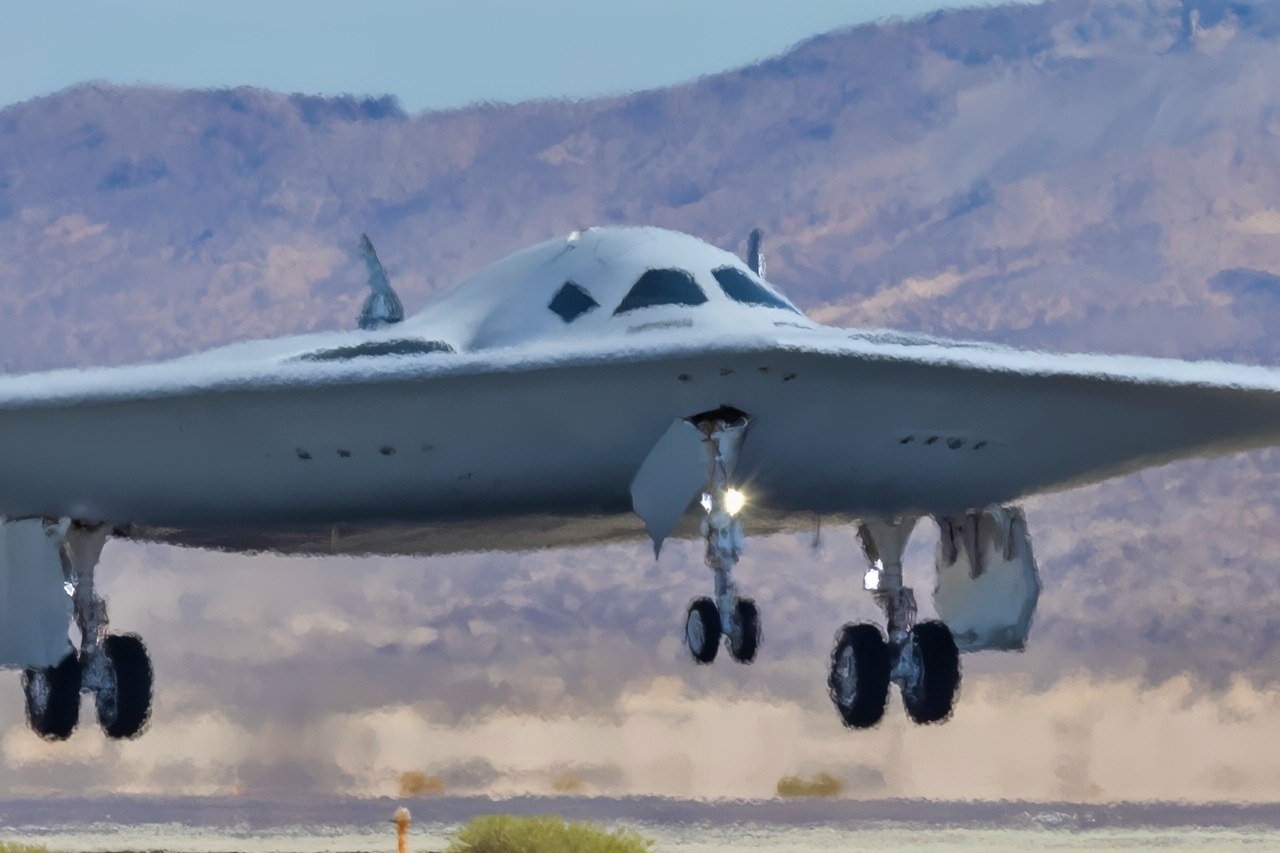
Passing the Torch: B-21 Raiders Are the Future of American Bomber Power – The American 250th Fair featured a flyover from some of America’s most iconic military aircraft, including the renowned B-52. The B-52 has been a key asset to the U.S. Air Force for the past 74 years and remains one of the most prominent bombers in modern military history. But the B-52s are aging rapidly, so the United States must build many more B-21 bombers—if it wants to keep the peace.
Currently, there are 74 operable B-52 bombers in the U.S. air fleet. The Air Force plans to upgrade 51 of them by 2032. These upgrades are vital for the aircraft to continue critical missions and remain relevant, but airframes that are almost three-quarters of a century old require an increasing amount of maintenance and modernization. Today, the B-52 averages 220-260 days for a comprehensive overhaul.
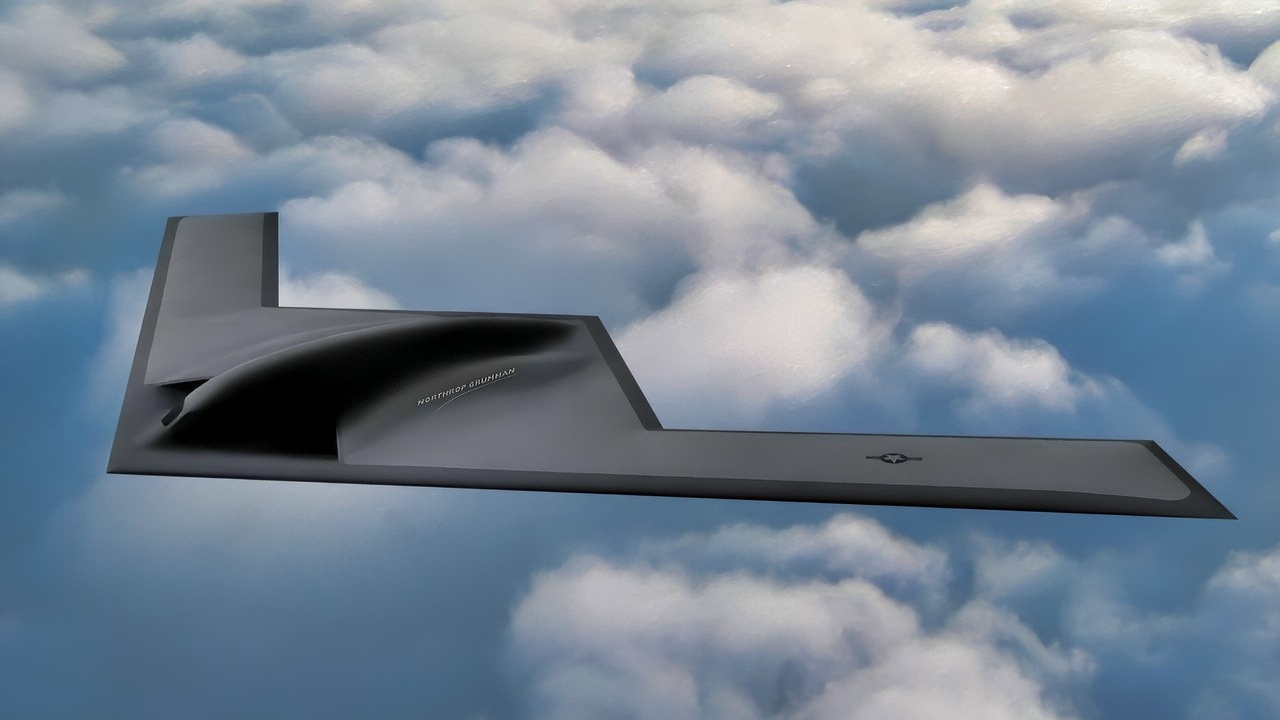
B-21 Raider Bomber Photo. Image Credit: Northrop Grumman.
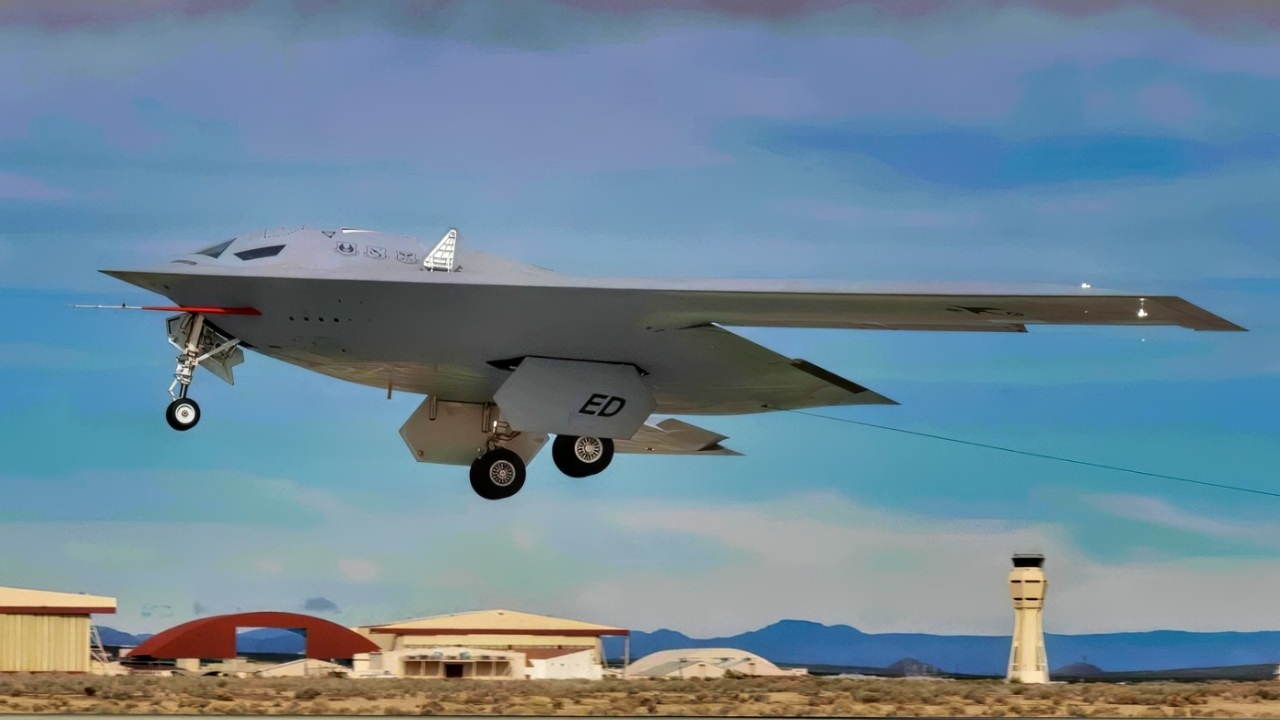
A B-21 Raider conducts flight tests, which includes ground testing, taxiing, and flying operations, at Edwards Air Force Base, California, where it continues to make progress toward becoming the backbone of the U.S. Air Force bomber fleet. The B-21 will possess the range, access, and payload to penetrate the most highly-contested threat environments and hold any target around the globe at risk. The B-21 program is on track to deliver aircraft in the mid-2020s to Ellsworth Air Force Base, South Dakota, which will be the first B-21 main operating base and location for the B-21 formal training unit. (Courtesy photo)
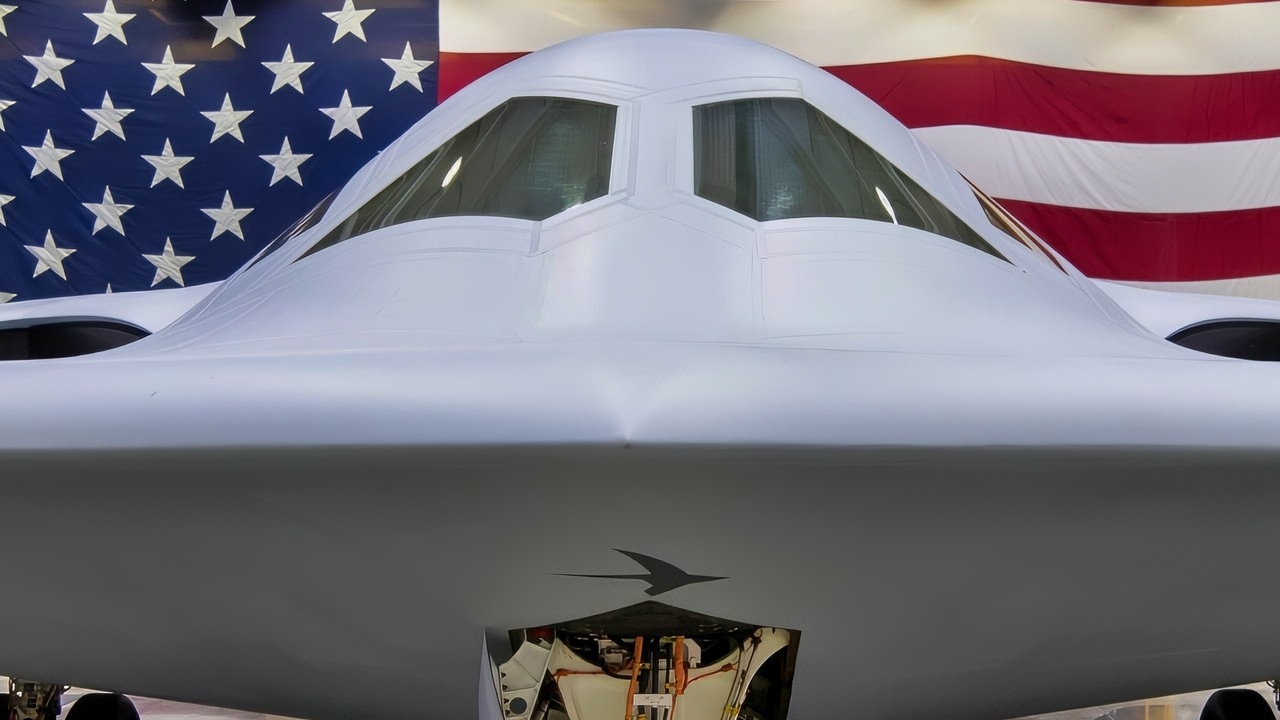
The B-21 Raider was unveiled to the public at a ceremony December 2, 2022 in Palmdale, Calif. Designed to operate in tomorrow’s high-end threat environment, the B-21 will play a critical role in ensuring America’s enduring airpower capability. (U.S. Air Force photo)
To be sure, the B-52s remain a central component of American airpower. They carry significant payloads, but their lack of stealth capabilities makes them vulnerable to attack by enemy advanced air defenses. Their ability to survive against advanced Chinese air defenses and fifth-generation fighters is perhaps the most significant challenge the B-52 will face, should it a conflict with China erupt.
The limitations of the B-52 require the government to support a never-ending cycle of maintenance and modernization, raising the question of whether our sons and daughters should go to war in a 74-year-old airframe that, even with consistent upgrades, will become less and less survivable as enemy air defenses advance.
There is another option.
The United States is building the B-21 Raider, the “sixth-generation” bomber that will replace the venerable B-2 later this decade. The current program calls for at least 100 B-21s. Recently, the Commander of U.S. Strategic Command said that the military needs at least 145 bombers.
Earlier this year, Secretary of War Hegseth testified that the Department of War needs at least 200 of them. The Heritage Foundation published a report calling for between 250 and 300 of them.
The expanded procurement of the B-21s would significantly enhance the United States’ ability to hold significant numbers of targets at risk inside enemy territory with either conventional or nuclear weapons. In addition, the B-21 could “quarterback” a significant number of collaborative combat aircraft, or CCAs—unmanned drones that operate under the control of another platform. A flight of B-21s, each of which is quarterbacking a significant number of CCAs, could provide an enormous amount of combat power to almost any place on the planet, with minimal risk of being engaged by enemy air defenses.
Strategic placement of the B-21s will allow the U.S. to deter threats in the Indo-Pacific from the West, East, and South, as well as direct routes from the U.S. homeland. As a result, this placement will enable the United States to attack from multiple angles and overwhelm an adversary’s defenses. The stealth of the B-21s will allow the U.S. to safely penetrate Integrated Air Defense Systems (IADS) and long-range SAMs while remaining undetected
Increasing the B-21 fleet from 100 to 250-300 aircraft will reinforce the United States’ ability to defend against multiple axes and hold critical targets at risk in Central Asia and the Indo-Pacific.
Therefore, the United States should increase B-21 production to deter and, if necessary, defeat adversary aggression.
MORE – Putin Might Escalate the Ukraine War
About the Authors:
Robert Peters is a Senior Research Fellow for Strategic Deterrence in the Heritage Foundation’s Allison Center for National Security. Elizabeth Krajc is a member of Heritage’s Young Leaders Program.


