
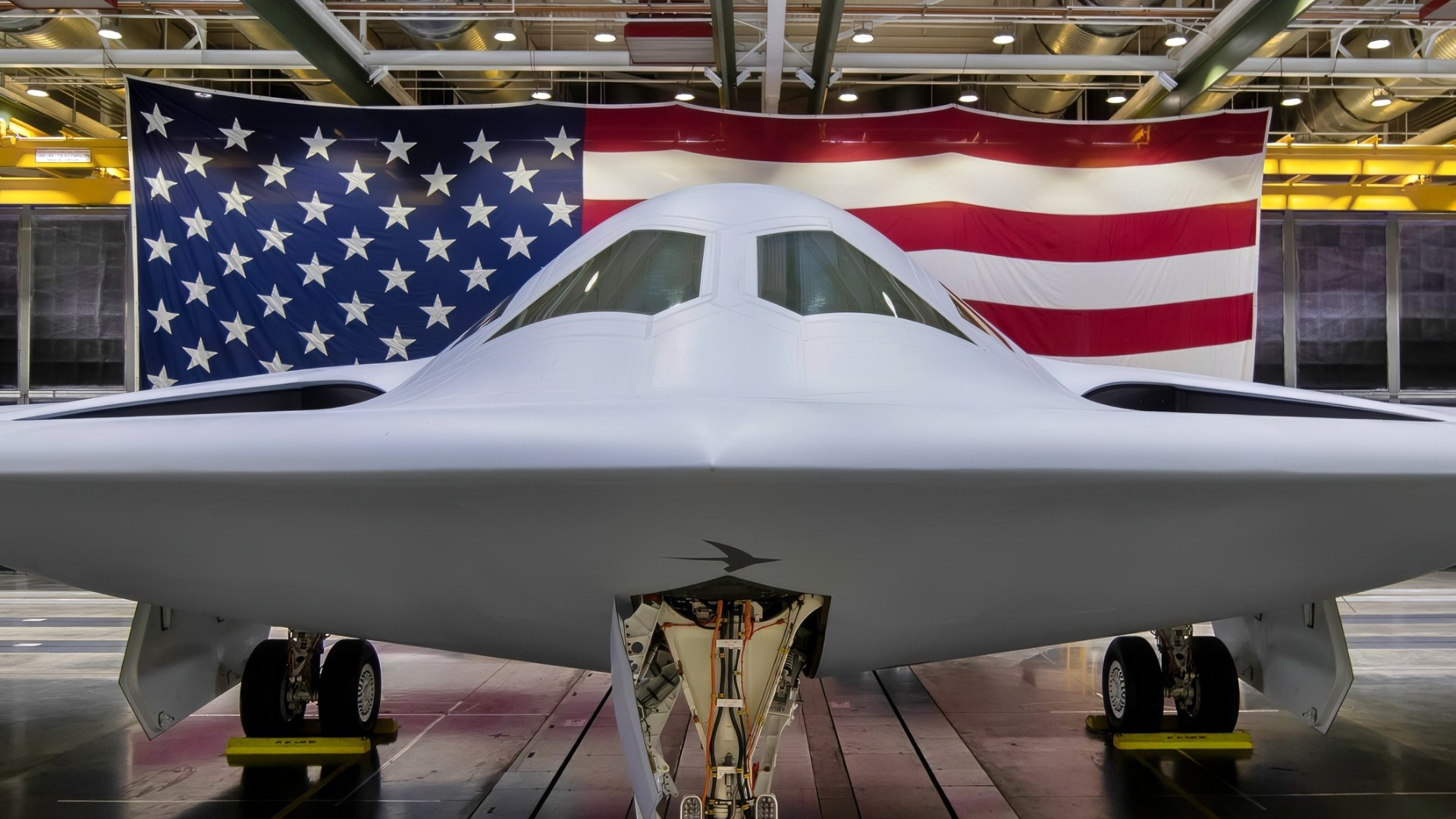
Following years of speculation, the Pentagon is finally sending clear signals that the United States needs more B-21 Raider stealth bombers than originally planned and that procurement plans will be adjusted upward.
In February, Air Force Secretary Troy Meink announced that the Air Force and Northrop Grumman had reached an agreement to increase B-21 production capacity by 25%, using $4.5 billion previously approved by Congress to accelerate deliveries of the next-generation bomber. The Air Force also confirmed that the first operational B-21s remain on track to arrive at Ellsworth Air Force Base in South Dakota in 2027.

The B-21 Raider was unveiled to the public at a ceremony December 2, 2022 in..Palmdale, Calif. Designed to operate in tomorrow’s high-end threat environment, the B-21 will play a critical role in ensuring America’s enduring airpower capability. (U.S. Air Force photo)
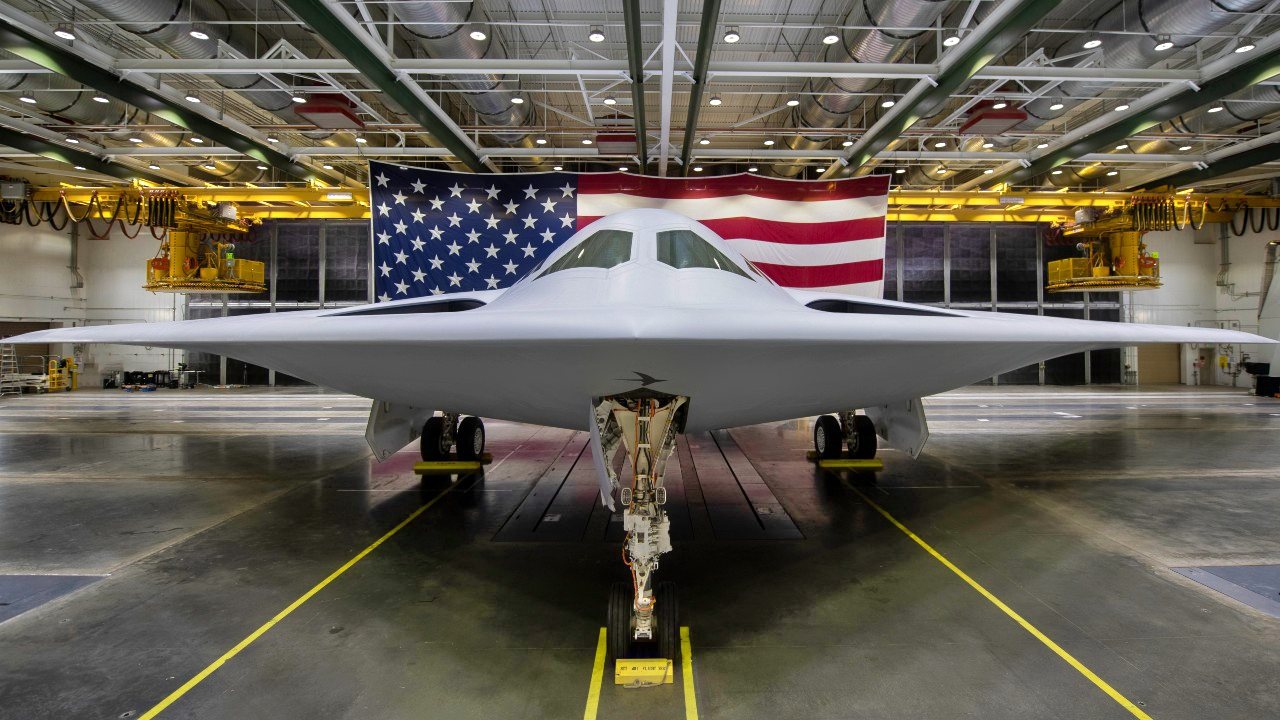
The B-21 Raider was unveiled to the public at a ceremony December 2, 2022 in Palmdale, Calif. Designed to operate in tomorrow’s high-end threat environment, the B-21 will play a critical role in ensuring America’s enduring airpower capability. (U.S. Air Force photo)

A B-21 Raider conducts flight tests, which includes ground testing, taxiing, and flying operations, at Edwards Air Force Base, California, where it continues to make progress toward becoming the backbone of the U.S. Air Force bomber fleet. The B-21 will possess the range, access, and payload to penetrate the most highly-contested threat environments and hold any target around the globe at risk. The B-21 program is on track to deliver aircraft in the mid-2020s to Ellsworth Air Force Base, South Dakota, which will be the first B-21 main operating base and location for the B-21 formal training unit. (Courtesy photo)
Then, in April, Defense Secretary Pete Hegseth told lawmakers that the United States would likely need “a lot more” than the currently planned fleet of 100 aircraft. His comments echoed growing calls from senior military leaders for a force of roughly 145 bombers or more amid concerns about China.
The Pentagon knows these are necessary moves: the B-21 is not just replacing old bombers, after all. It is being built specifically to penetrate the kind of air defenses China has spent decades constructing. And, the nature of the environment in which a fight with China would take place means that the U.S. needs as many Raiders as possible.
The Raider Is Moving Toward Operational Service
The B-21 Raider is one of the Pentagon’s most important programs today. Developed by Northrop Grumman, the aircraft is already in flight testing and low-rate initial production, with multiple test aircraft now flying from Edwards Air Force Base in California. The program remains on schedule despite the complexity typically associated with advanced stealth aircraft development – a remarkable feat given how schedule slippage has become an expected part of virtually every modern military procurement program.
The bomber is widely seen as the world’s first sixth-generation aircraft. While many of its capabilities remain classified, the Air Force has confirmed that it is designed to carry both conventional and nuclear weapons, operate deep inside heavily defended airspace, and continuously receive software and hardware upgrades through its open-systems architecture.
Unlike many previous military aircraft programs, the B-21 has avoided major public delays and cost overruns. That’s in part the reason why the Air Force is now accelerating production rather than slowing it, but the decision was made because the U.S. really needs a large fleet of modern stealth bombers.
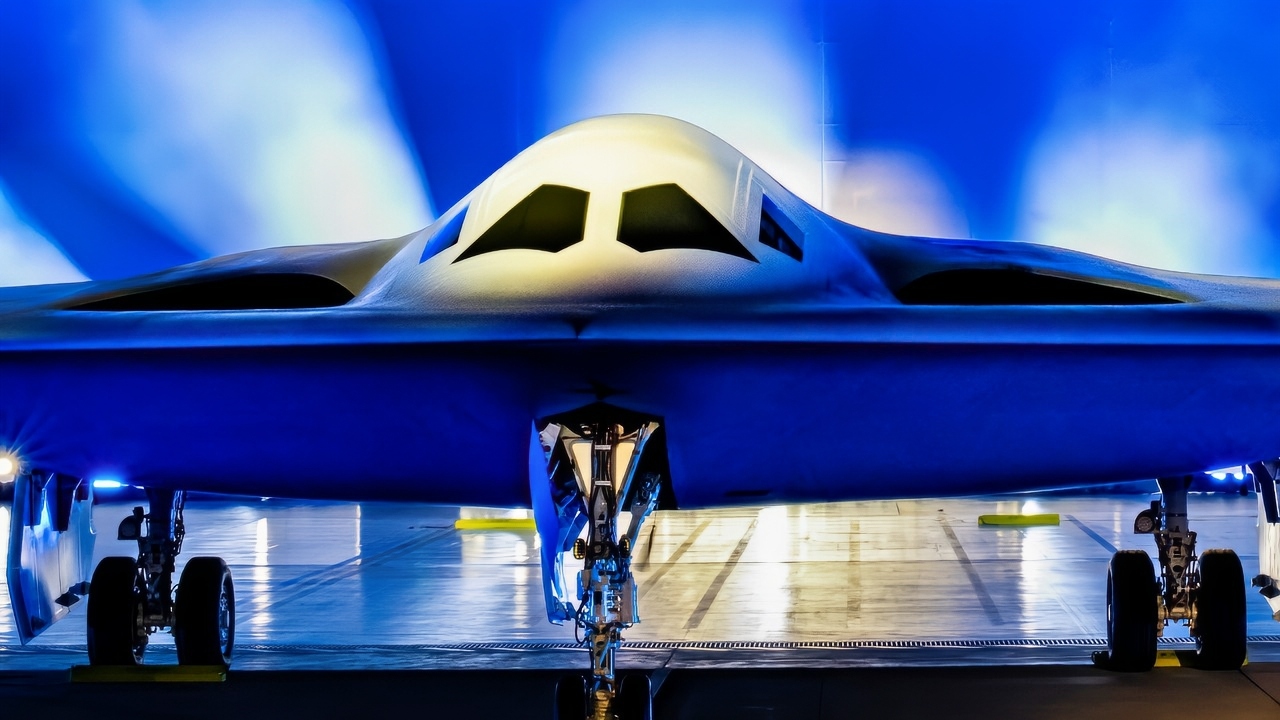
A B-21 Raider is unveiled at Northrop Grumman’s manufacturing facility on Air Force Plant 42 in Palmdale, California, Dec. 2, 2022. The B-21 will be a long-range, highly survivable, penetrating strike stealth bomber capable of delivering both conventional and nuclear munitions. (U.S. Air Force photo by Airman 1st Class Joshua M. Carroll)
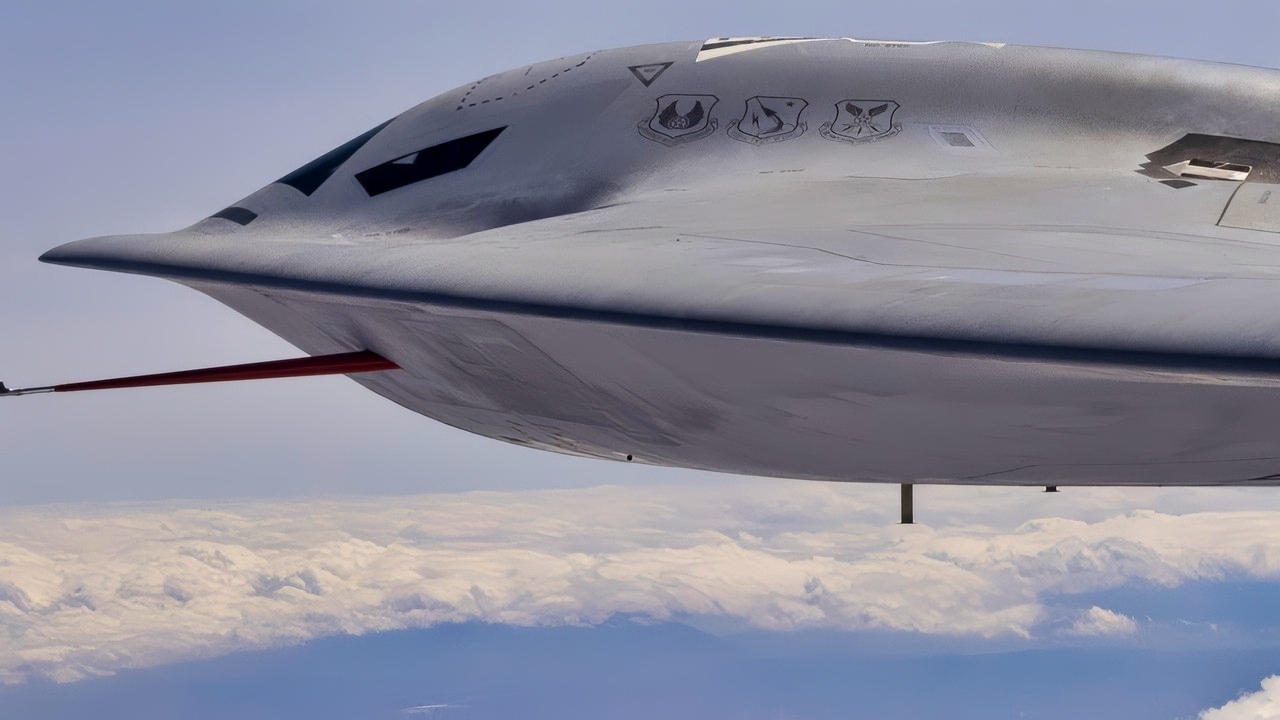
B-21 Raider. Image Credit: U.S. Air Force.
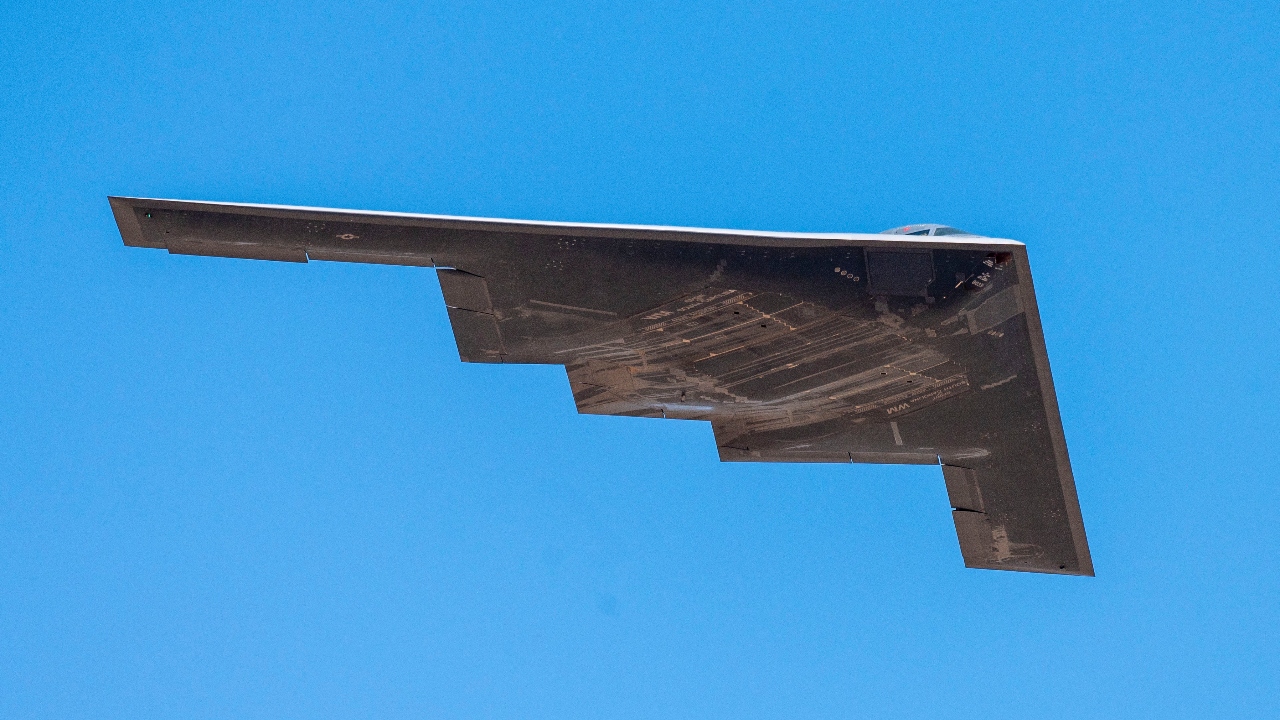
A B-2 Spirit makes a low pass flyover as part of the Warriors over the Wasatch airshow at Hill Air Force Base June 29, 2024. The 2024 Warriors over the Wasatch airshow was centered around the “Breaking Barriers Together” theme, celebrating one community. The B-2 Spirit, the predecessor to the new B-21 Raider, has been the U.S. Air Force’s premiere stealth bomber for more than 20 years. (U.S. Air Force photo by Senior Airman Jack Rodgers)
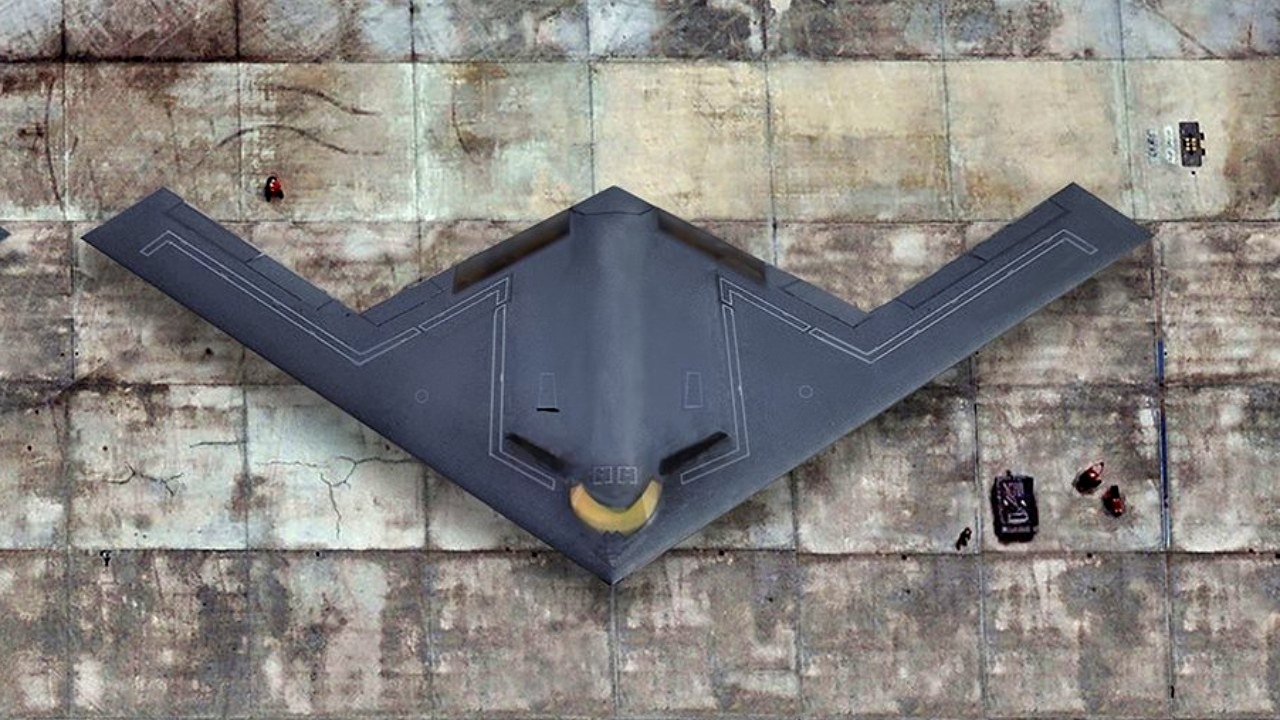
B-21 Raider Stealth Bomber Artist Image. Image Credit: Creative Commons.
Why the B-2 Is No Longer Enough
The B-21 is a successor to the B-2, but it is far more than just a minor improvement. That being said, the B-2 is still one of the most capable aircraft ever built. The aircraft continues to demonstrate its relevance despite entering service almost three decades ago in 1997. It was an essential part of the recent strikes against Iranian nuclear facilities, flying extremely long-range missions from the continental United States.
The problem, really, is quantity.
Only 21 B-2s were ever produced, and 19 are believed to be in operation today. Even the most advanced stealth bomber becomes strategically limited when available in such small numbers. A conflict against a major power would require sustained operations over weeks or months rather than a handful of highly publicized strikes.
The B-21 intends to solve that problem by being more maintainable, easier to produce, and procured in far greater numbers than its predecessor. What was originally a plan to procure “at least 100” is now approaching, according to most analysts’ expectations, 200 or more.
In effect, the United States is attempting to turn stealth bombing from a niche capability into a force that can be employed at scale. The B-2 ensured the U.S. Air Force was feared all over the world – and the next-generation B-21 will be even more powerful and available in far greater numbers.
China Is Driving That Requirement
The Raider can obviously operate anywhere in the world – but China is arguably the primary challenge shaping its development. Over the past two decades, Beijing has constructed one of the world’s most sophisticated anti-access and area-denial networks. Long-range missile systems, integrated air defenses, advanced fighter aircraft, radar networks, cyber capabilities, and growing naval power are all designed to complicate American military operations throughout the western Pacific.
In any future conflict over Taiwan or the South China Sea, or indeed elsewhere in the Indo-Pacific, the United States would face the challenge of attacking heavily defended targets located thousands of miles from American territory. And that’s precisely the mission for which the B-21 is being built.
Rather than relying entirely on forward air bases or aircraft carriers operating close to Chinese forces, the Raider can launch from distant locations and penetrate defended airspace to strike targets.
We Need It Before A Pacific War Begins
The Pentagon doesn’t necessarily expect a war with China tomorrow – but it does anticipate that one may occur. It is building the B-21 because military planners expect it to serve as both a tool for deterrence and an effective wartime asset in the event of a future war. Beijing will recognize, once the B-21 arrives in substantial numbers, that a war with the United States would be difficult to win and extraordinarily costly. The bomber plays perhaps the most central role in that calculation.
A future Indo-Pacific conflict would involve vast distances and heavily defended targets. It will also see China attempt to push American forces away from the region. The ability to strike targets despite advanced defenses could prove decisive. That’s why the Pentagon is now looking at a fleet far larger than the 100 aircraft originally confirmed, and that’s also why production is being accelerated before the bomber has even entered operational service.
The B-2 demonstrated what bombers like this can do, but the B-21 Raider could ensure the United States doesn’t find itself at war with China, or if it does, wins that war.
About the Author: Jack Buckby
Jack Buckby is a British researcher and analyst specializing in defense and national security, based in New York. His work focuses on military capability, procurement, and strategic competition, producing and editing analysis for policy and defense audiences. He brings extensive editorial experience, with a career output spanning over 1,000 articles at 19FortyFive and National Security Journal, and has previously authored books and papers on extremism and deradicalization.


