

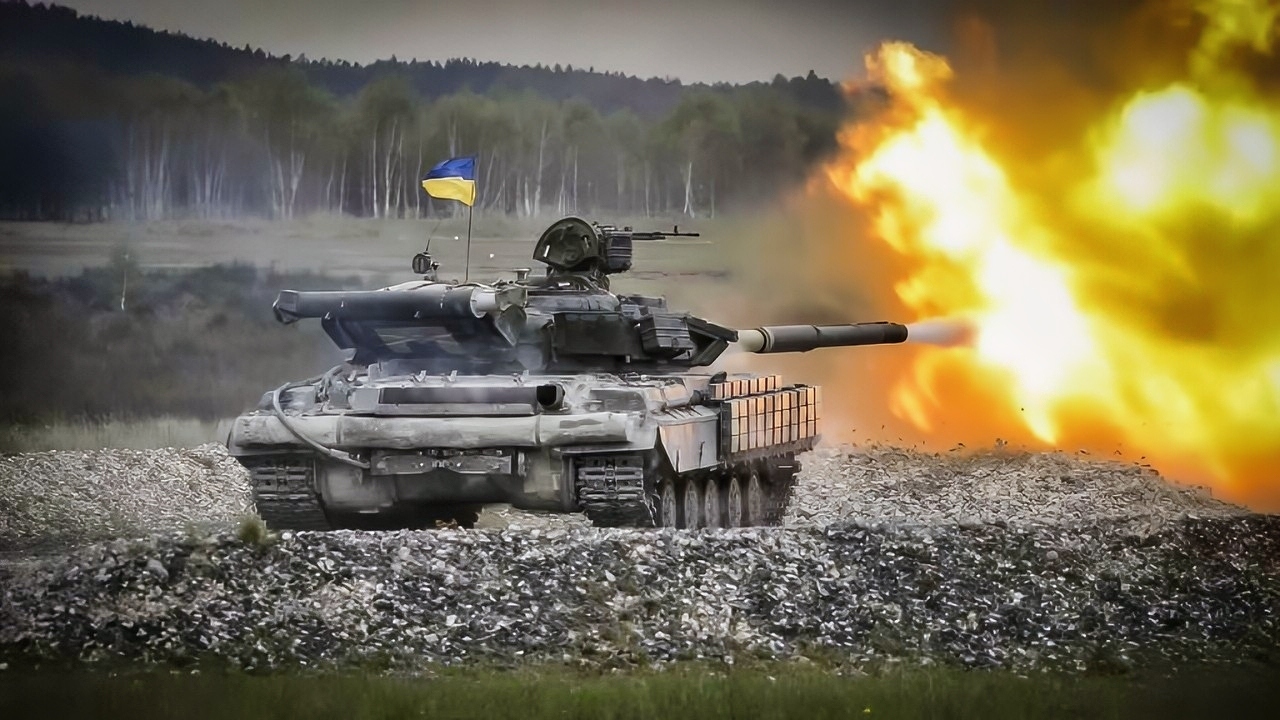
The director of the CIA made an eyebrow-raising claim this week: That when Russian recruits go on the battlefield in Ukraine, they have an average life expectancy of just 20 to 30 minutes.
According to Business Insider, the Central Intelligence Agency Director John Ratcliffe made the claim while speaking this week at the Pennsylvania Defense and Innovation Summit.
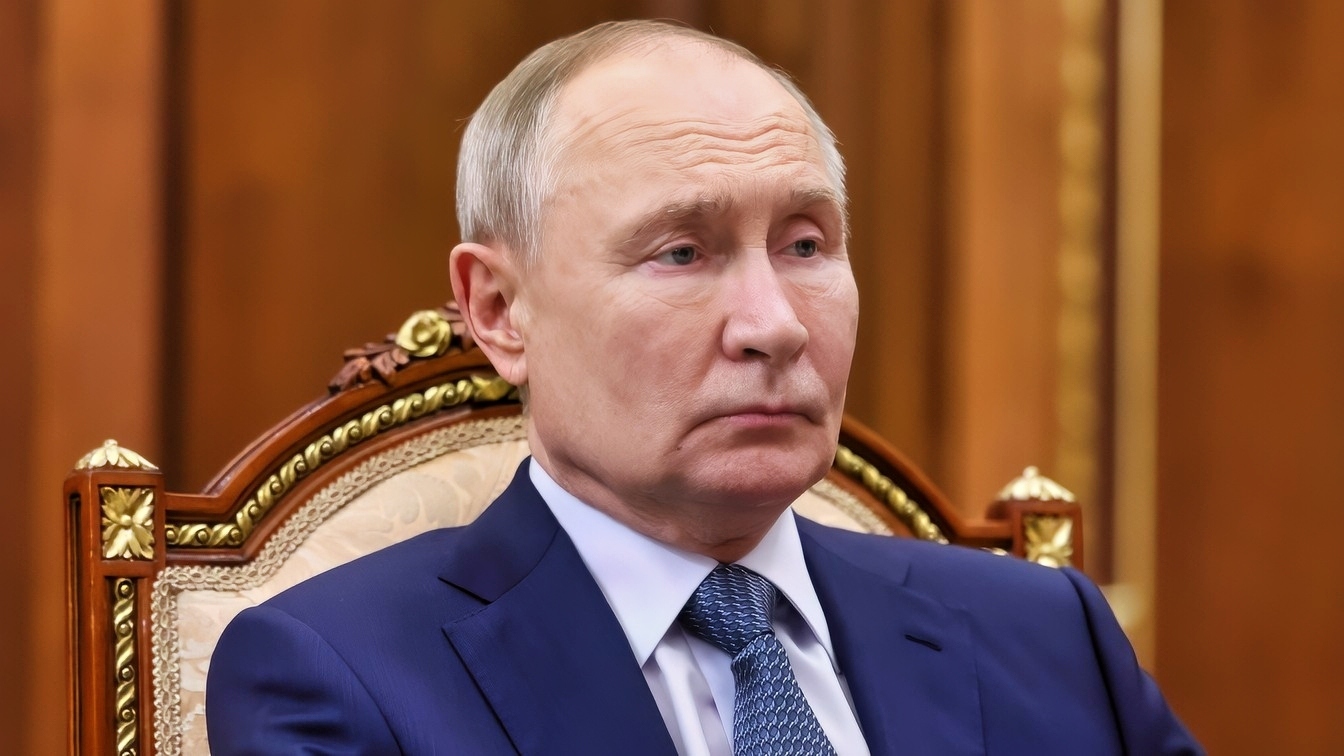
Putin in 2025 Russian State Media Photo
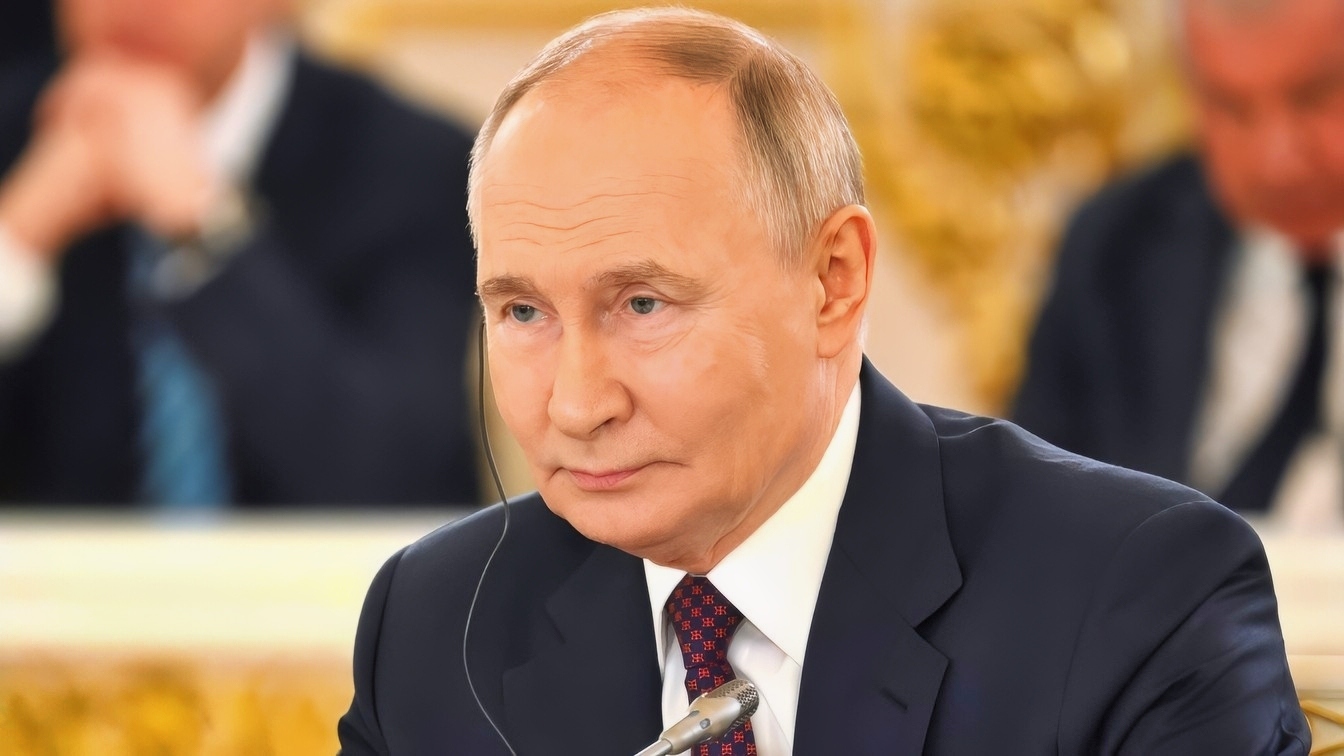
Putin in 2025 Russian State Media Image
“What I would say is, our intelligence is consistent with some of the open-source reporting you may have seen in Ukraine,” the CIA director said in the speech at Army War College in Carlisle, Pa. “So the average life expectancy of a Russian recruit, right now, arriving on the battlefield in Ukraine, is estimated to be between 20 and 30 minutes.”
What’s the reason for that? Advanced drone technology.
“That’s because AI-powered drones have gotten to be such specialized, low-cost killing machines. And it’s why we’re now four and a half years into that conflict,” the CIA director added.
Ratcliffe also said in the speech that Russia has captured only about 1 percent of Ukraine’s territory in the 18 months since he became the CIA director.
“The pace of their advance has stopped as Ukraine’s mastery of emerging technologies has,” the director added.
“And in this case, drone warfare, asymmetric warfare, is such a great equalizer and shows why we have to be leading on this in all respects for us to maintain our place in the global marketplace,” he said. The takeaway is that the mastery of these emerging technologies is every bit as important as military strength… That’s why an inferior force, four and a half years later, has held off the superior force of Russia.”
In late June, Ratcliffe had announced a “fundamental reshaping” of the CIA’s tech efforts.
“Increasingly, all of our future successes are going to depend on technology,” the director said at the time. “We have to continue to push the boundaries of what’s possible, because the nation that best harnesses the power of technology will determine the global future.
Is It True?
Is the “20 and 30 minutes” claim true? According to Business Insider, the short life expectancy trend was “first reported recently among Russian military bloggers.”
“Several of these pro-war pundits, often well-connected to the Kremlin or its ground forces, said in May that Russian recruits tended to live between 10 days and three weeks after arriving at their training grounds,” BI added.
One blogger, the outlet said, claims that one reason that so many recruits die quickly is that recruits are often placed as part of “frontal assaults” on Ukraine’s front line, which tend to have high rates of casualties.
It’s not clear if there has been any official CIA intelligence assessment corroborating the claim, although Radcliffe said: “Our intelligence is consistent with some of the open source reporting you may have seen.”
Whatever the truth of how long the average soldier lasts on the battlefield, Russia has certainly taken heavy casualties in the war, which has now been going on for more than four years.
“Ukraine said this month that Russia has lost about 1.4 million soldiers since the beginning of its full-scale invasion, with over 1,000 of the Kremlin’s troops killed or wounded almost every day,” the Business Insider report said. “In May, Ukraine’s defense ministry said it was killing roughly 200 Russian soldiers for every kilometer of territory that Moscow claimed.”
An analysis in May, which Ukraine shared in that month’s NATO meeting, stated that Russia, by that point, was losing about 1,000 soldiers a day.
How Many Soldiers Has Russia Lost?
Russia crossed the 1 million casualty mark just over a year ago. And then, earlier this month, the Center for Strategic and International Studies issued a report showing that Russia has been losing more soldiers per month than the number of recruits it has brought in.
“The Russia-Ukraine casualty rate has likely risen to nearly 8:1 in the first half of 2026, up from between 2:1 and 3:1 for much of the war,” CSIS analysts Seth G. Jones and Riley McCabe wrote in the report. It was described as the highest casualty rate suffered by a major power since World War II.
About the Author: Stephen Silver
Stephen Silver is an award-winning journalist, essayist, and film critic, and contributor to the Philadelphia Inquirer, the Jewish Telegraphic Agency, Broad Street Review, and Splice Today. Stephen, the co-founder of the Philadelphia Film Critics Circle, lives in suburban Philadelphia with his wife and two sons. For over a decade, Stephen has authored thousands of articles that focus on politics, national security, technology, and the economy. Follow him on X (formerly Twitter) at @StephenSilver and subscribe to his Substack newsletter.


