

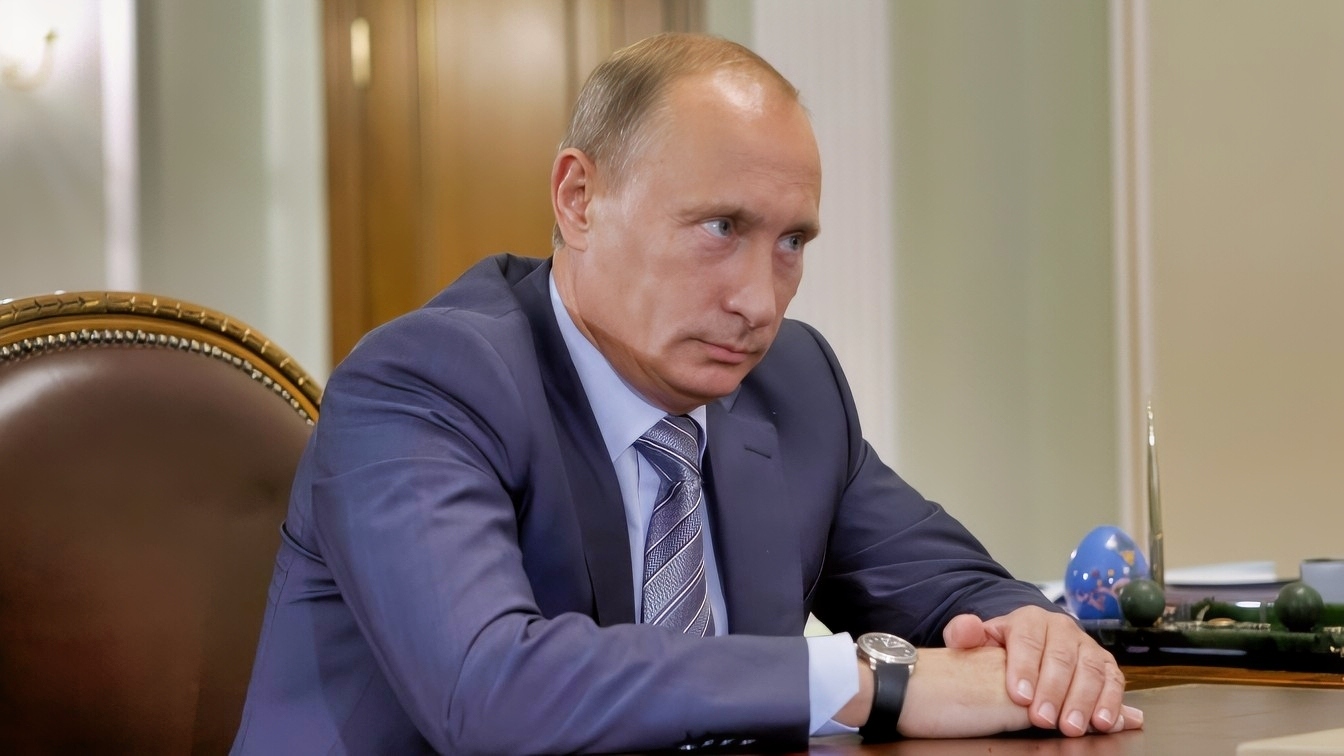
Crimea Is Quickly Slipping Away From Russia And Putin: Crimea was an integral part of Russia’s illegal annexation of the peninsula from Ukraine in 2014. Russian President Vladimir Putin joked then that “little green men” were responsible for the takeover of government facilities, as Crimea was the ”jewel” in Putin’s attempt to rebuild the Soviet Union.
But the peninsula is now looking vulnerable. Intensifying Ukrainian drone strikes and the resulting state of emergency have made Crimea a severe strategic and symbolic liability for Putin.
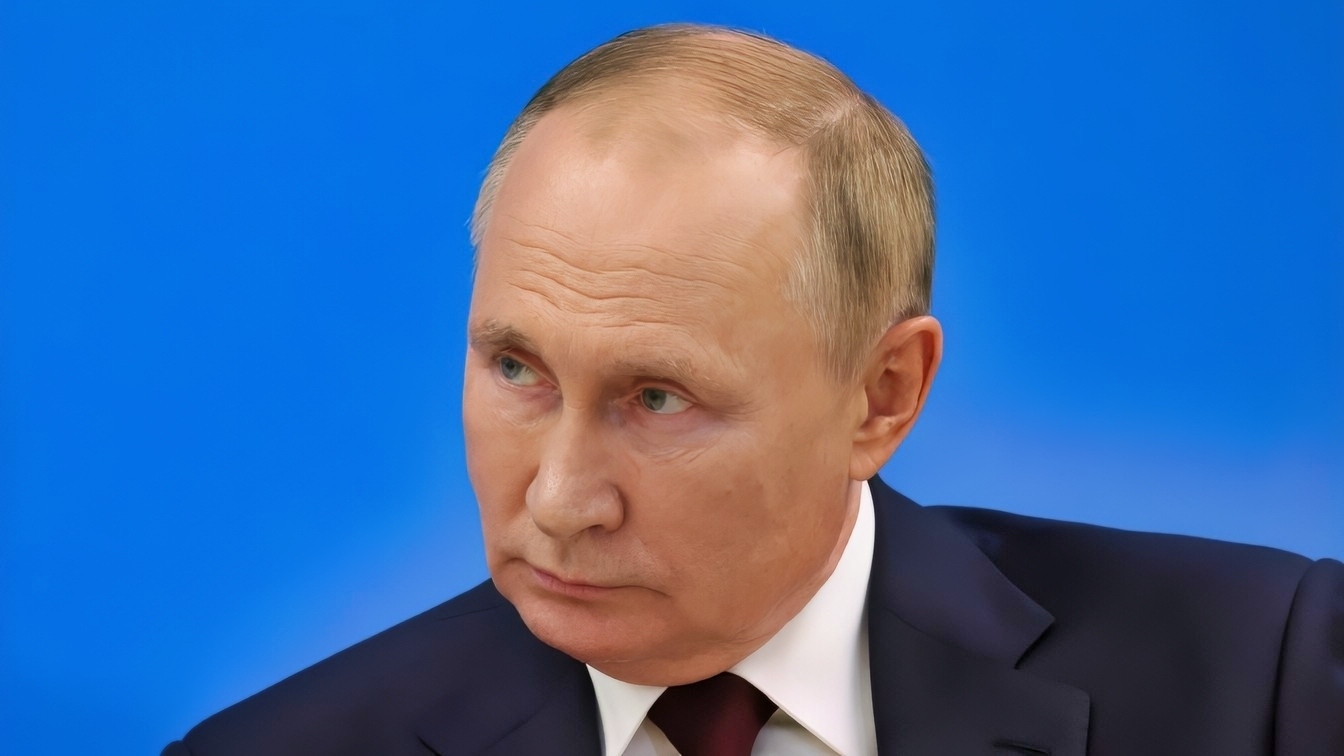
Putin In September of 2022 Creative Commons Photo
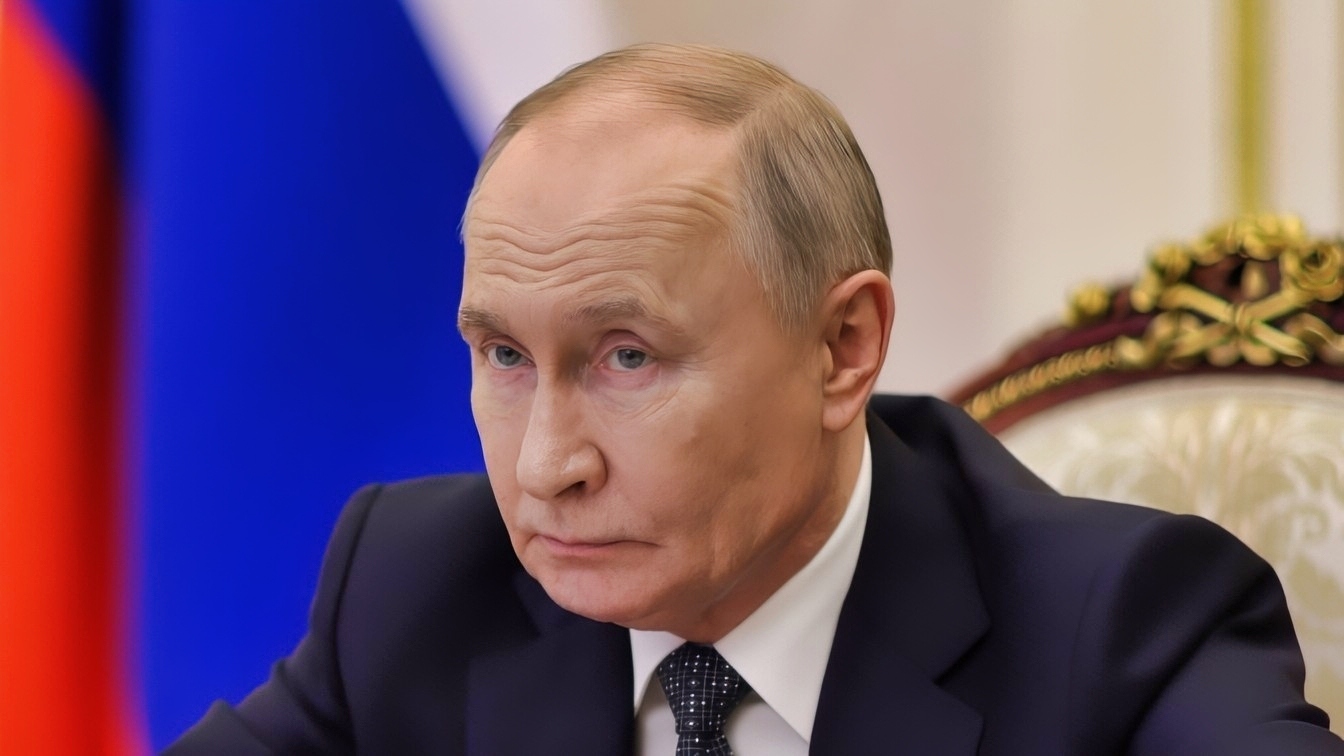
Putin Back in March of 2026 Creative Commons Photo
By methodically targeting strategic infrastructure, logistics, oil and gas refineries, electricity substations, air defenses, and the roads and bridges linking it to Russia, Ukraine has isolated the peninsula, leading to critical fuel shortages, power grid outages, and a severely disrupted tourist season.
Russia’s Black Sea And Shadow Fleets Have Suffered Greatly
In early 2022, Ukrainian troops sent the flagship of the fleet, the cruiser Moskva, to the bottom with a Neptune anti-ship missile.
Drone and anti-ship missile attacks on Russian navy ships and headquarters in the Black Sea have decimated Moscow’s fleet, forcing it from Sevastopol to Novorossiysk.
Attacks on the Saky airbase and the Kerch Bridge that connected Russia to Crimea ensued.
The drone attacks on Russian supply columns, oil and gas infrastructure, and power stations have taken a huge toll on Russia. Currently, nearly half of Crimea is without power.
Ukrainian President Zelenskyy’s 40-day planned operation against Russian targets to “influence the aggressor state in order to press for an end to the war” is working.
In the Sea of Azov, Ukrainian drone attacks have hammered Russia’s “shadow fleet, which has caused Moscow to suspend shipping. This is a significant development as Russia ships 25 percent of its grain through there.
The Economist quoted the war monitor ACLED, which posted that of the 692 attacks Ukraine has made on Crimea since 2022, more than half have been in the past 12 months and five more since June.
Russian casualties have been horrific, with nearly a million and a half since the war began. Between February 2022 and July 13, 2026, between 367,000 and 602,000 Russian soldiers had been killed—equivalent to 1 to 2 percent of its pre-war male population of fighting age. According to CSIS, Russia is recruiting roughly 27,000 soldiers a month, while losing about 30,000.
Ukraine Has Turned The Peninsula Into An Island
Ukrainian long-range drone and missile strikes have turned Crimea from a secure rear base and “unsinkable aircraft carrier” into an exposed and costly bottleneck.
And these drone attacks, while wildly successful, are just the latest tool the Ukrainians have used against the Russian military. Since the initial days of the invasion in 2022, Kyiv has set out on a path designed to degrade and isolate Russian forces based on the strategic Black Sea peninsula.
Ukraine’s Ministry of Defense said earlier last month that the R-280 route (Novorossiya) has been brought under Ukrainian fire control. The R-280 is a crucial 500+ km overland supply line connecting Rostov-on-Don (Russia) to occupied Crimea.
The highway runs parallel to the Sea of Azov, passing through the occupied Ukrainian cities of Mariupol, Berdiansk, and Melitopol before entering the Crimean peninsula.
The ministry described that route as the primary land corridor for fuel, ammunition, and equipment for Russia’s southern forces. The route is a major focal point for Ukrainian drone operations. Sustained, targeted attacks on logistics trucks and fuel tankers have reportedly caused a massive drop in traffic and severe fuel shortages in Crimea. It has been characterized as “The Highway of Death.”
In addition to the gas and oil attacks, Ukraine conducted coordinated strikes against the Osa air defense system, five coastal radar stations in Crimea, Russian command locations, UAV facilities, weapons shelters, and logistics vehicles across the peninsula.
The drone campaign’s intensity has forced Russian occupation authorities to heavily restrict civilian and non-essential commercial traffic on several sections of the highway, diverting vehicles to smaller, secondary roads.
Retired U.S. Army General Ben Hodges considers Crimea the decisive, strategic “fulcrum” of the war in Ukraine. He argues that whoever controls the peninsula will ultimately win the war.
By rendering the peninsula unusable as a military stronghold, Ukraine can force a Russian withdrawal without needing to engage in a difficult and costly direct ground assault to retake it, he says.
The Pressure On Putin Now To Seek A Peace Deal Is Rising
Ukrainian drone attacks are raising the cost of the war and pressuring Russian President Vladimir Putin, but they have not forced him to seek peace. Instead of pursuing negotiations, Putin’s administration has responded with escalated counterstrikes and shifts in domestic policy.
However, with the attacks on Russia growing in intensity and effectiveness, Russian citizens are feeling the effects of the war, with long lines at gas pumps as attacks have caused gas shortages. Airport travel has been significantly affected, and ordinary Russian citizens are turning against the war, seeking peace.
Putin, however, continues to insist that Russia is winning the war and Ukrainian resistance is about to collapse. He paints the issues with Russia’s gas and oil industries as “not critical in nature.”
The Drone Offensive Has Been Extremely Effective
The Ukrainian plan is not to try to retake it as they tried to do in 2023, but to isolate it, cut it off, and bleed Russia dry. With gas and oil shortages, rationing, and growing food shortages, it is succeeding.
Ukrainian General Mykhailo Zabrodsky, who helped plan the 2023 offensive, said in 2023 that the plan was to cut off and retake the land.
“After the lack of success [in the counteroffensive]… the idea of isolating Crimea has returned again. Today, the number and quality of the Ukrainian armed forces’ strike drones allow the implementation of such a plan.”
This plan, in combination with Ukrainian maritime operations blockading Crimea from the Black Sea, is likely to cause “serious pain for the Russians”, he added.
Ukraine’s isolation of Crimea by conducting a “logistical lockdown” of Russian forces and attacking their ability to resupply their troops has resulted in seizing the initiative. Frontline units are being stripped of air defenses as the Russians are moving them to protect Moscow and oil refineries.
Many analysts believe that Russia is losing its grip on Crimea as the peninsula has transitioned from a safe rear stronghold into an active military liability. Intensifying Ukrainian drone and missile strikes have successfully degraded Russian logistics, forced the Black Sea fleet to relocate from Sevastopol, and caused severe fuel and power shortages.
What was once a stronghold and a jewel in Moscow is now a strategic vulnerability.
About the Author: Steve Balestrieri
Steve Balestrieri is a National Security Columnist. He served as a US Army Special Forces NCO and Warrant Officer. In addition to writing on defense, he covers the NFL for PatsFans.com and is a member of the Pro Football Writers of America (PFWA). His work was regularly featured in many military publications


