
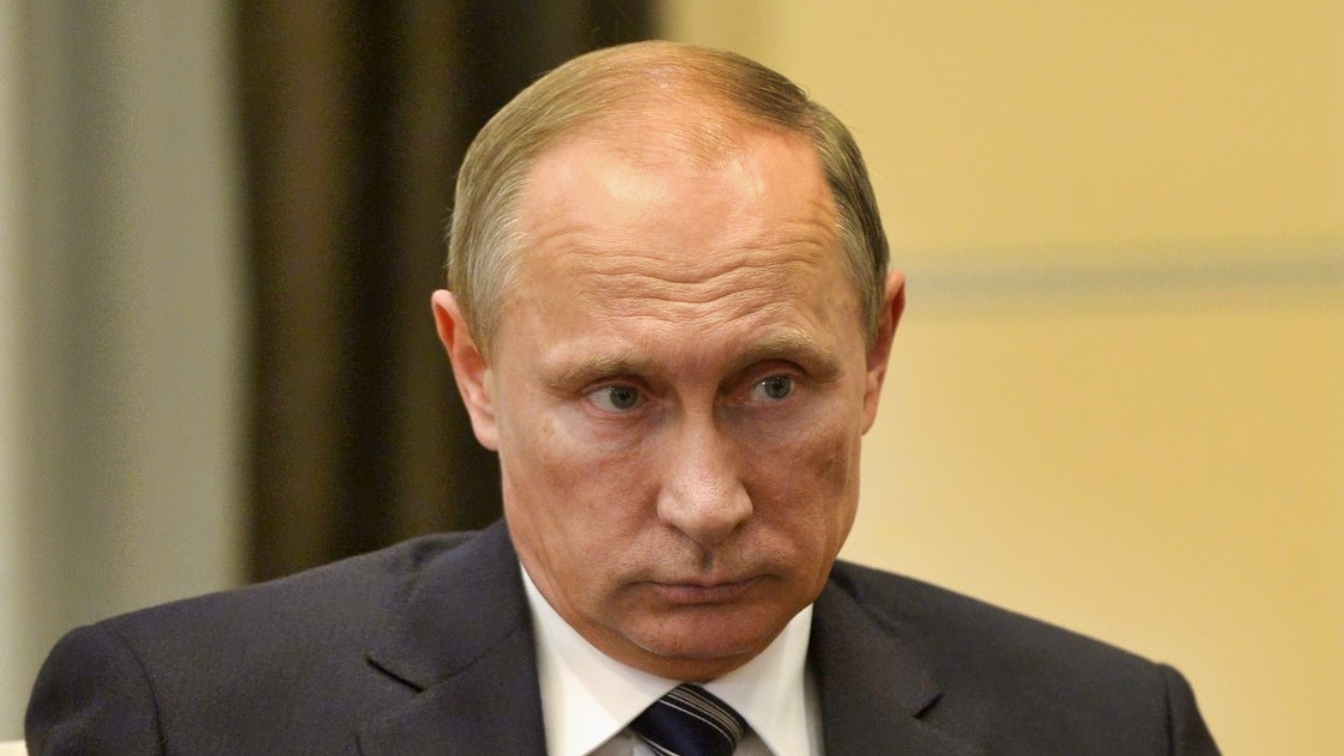
Former Russian PM Speaks Out: Ukraine’s long-range strike campaign against Russia continues, and it’s doing more than just destroying Russian military targets. After months of increasingly frequent attacks against Russian oil infrastructure, ports, logistics hubs, and other military sites, Kyiv is undermining one of President Vladimir Putin’s greatest promises to the Russian people: that they could live their lives untouched by the “special military operation.”
And Russia knows it, too. Former Russian Prime Minister Mikhail Kasyanov just publicly stated that Ukraine’s ability to push back after four and a half years of fighting represents a “significant change” in the conflict – and one that could ultimately force the Kremlin to respond with a serious new escalation.
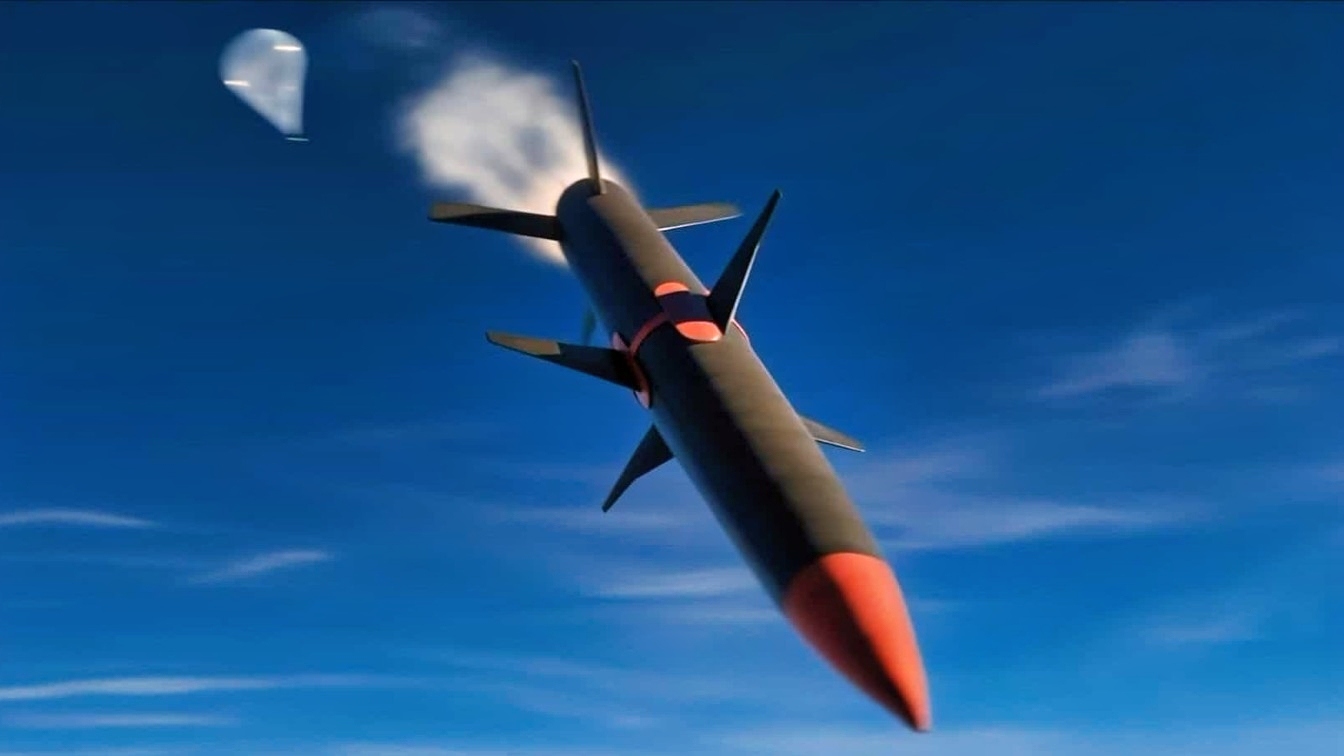
Ukraine DART Weapon Image Credit Ukraine Military
What Russia’s Former PM Said
Mikhail Kasyanov served as the Russian prime minister under President Vladimir Putin between 2000 and 2004, during the early days of Putin’s presidency. He later became one of the Kremlin’s most prominent opposition figures.
Following Russia’s full-scale invasion of Ukraine in 2022, Kasyanov fled the country and now lives in exile in Latvia. Speaking to ABC News recently, the former Russian PM argued that Ukraine has fundamentally changed the course of the war by bringing the fighting onto Russian soil and creating domestic political pressure for Putin. He noted that up until now, Putin was able to pretend that “nothing is happening” – but that has all changed.
“But, in the spring and now, of course, Ukraine changed their attitude. They have an advantage in long-range missiles and they have an advantage in drones,” Kasyanov said.
“Gradually, they moved the war from being an ‘accident’ somewhere, an emergency case somewhere in the corner of Russia, to Russia — even to Moscow. And that is quite a significant change.”

The 1st Battalion, 194th Armor Regiment,1st Brigade Combat Team, 34th Infantry Division, test fire their M1 Abrams Tank at Udairi Range, Kuwait, May 3, 2021. The main cannon of the M1 Abrams Tank shoots a 105mm round. (U.S. Army Photo by Spc. Juan Carlos Izquierdo, U.S. Army Central Public Affairs)
Kasyanov argued that Putin has built much of his political legitimacy over the years through promises of stability and security – something that has largely been true, even after the highly contentious 2014 annexation of Crimea.
Though those actions pushed Russia further from the rest of the world, Russians continued to live their lives relatively normally – until now. During the interview, he noted that the change is particularly significant among Russia’s urban middle class – the support of whom the Kremlin has sought to maintain by avoiding a full nationwide mobilization.
But now, it’s clear that the war is not only taking place in Ukraine. Russia is at war, and the urban middle class doesn’t want to experience the effects of that.
Ukraine Has Changed the Battlefield
Ukraine has indeed changed the nature of this war, and Russia, along with the rest of the world, knows it. The ongoing long-range strike campaign showed no sign of slowing down this week when, on the night of Thursday, July 16, Ukraine’s Unmanned Systems Forces announced another wave of maritime strikes as part of Operation Molochka, claiming attacks on 11 Russian vessels that were operating in the Black Sea and Sea of Azov.
Col. Robert Brovdi, commander of the Unmanned Systems Forces, said the targets included five oil tankers, one gas tanker, three dry cargo vessels, and two tugboats that support Russia’s wartime logistics. Brovdi said that the operation brought the total number of Russian vessels struck since July 6 to 147, including 117 in the Sea of Azov and 30 in the Black Sea.
The attacks follow weeks of strikes against oil refineries and fuel depots, as well as ports and military airfields that Russia relies on to supply occupied Crimea and its forces operating in southern Ukraine. Those efforts have already forced Moscow to restrict navigation through the Kerch Strait and Don-Azov Canal, and import gasoline from the likes of India. The strategy is working, and it’s not just the former Russian PM who is willing to admit it – Putin and Kremlin spokesman Dmitry Peskov have, too.
On Thursday, July 16, Peskov said that Russia’s economic troubles are “well known to everyone” but insisted that they are “not of a critical nature.” He added that the government and the president understand what is necessary to resolve the problems, and that their focus is on “macroeconomic stability” being fully maintained. The comments came, however, after the Russian central bank published a business survey showing its Business Climate Index falling into negative territory – a worrying sign that Russian companies perhaps don’t believe they will survive if the war continues.
What Comes Next?
Ukraine’s strategy has backed Russia into a corner. Putin has so far resisted a nationwide mobilization and has been warned by China to resist using nuclear weapons, leaving him with fewer options for regaining the initiative over Ukraine.
It now looks likely that Russia could respond conventionally by opening new axes of attack, potentially including a new offensive from northern Ukraine designed to force Kyiv to divert troops away from the Donbas. A move like that would not necessarily see Russia seeking to capture large amounts of territory from the north, but to make it easier to capture the Donbas and then seek to solidify those gains through negotiations mediated by the United States.
But it’s hard to tell at this stage what exactly Putin is thinking – or, indeed, what those around him think. What Russia does next could determine whether this war is won or lost.
About the Author: Jack Buckby
Jack Buckby is a British researcher and analyst specializing in defense and national security, based in New York. His work focuses on military capability, procurement, and strategic competition, producing and editing analysis for policy and defense audiences. He brings extensive editorial experience, with a career output spanning over 1,000 articles at 19FortyFive and National Security Journal, and has previously authored books and papers on extremism and deradicalization.


