


Yemen’s Houthis Are Turning the Gate of Tears Into the Iran War’s Second Oil Front: Yemen’s Houthis have turned Bab el-Mandeb, the narrow Red Sea passage often translated as the “Gate of Tears,” into the Iran war’s second oil front. NBC News reported that Houthi forces attacked Saudi-linked tankers after declaring a blockade on shipping connected to the kingdom, threatening the route Riyadh expanded when Hormuz became too dangerous.
Saudi authorities confirmed that Encelia was struck and caught fire near Jizan, although its crew escaped injury. The Houthis also claimed an attack on Layla, but that second incident had not been independently verified. An Associated Press examination of the new threat described Bab el-Mandeb as a critical route for oil and commercial trade moving between Asia and Europe.

ATLANTIC OCEAN (Sept. 21, 2024) The world’s largest aircraft carrier, USS Gerald R. Ford (CVN 78), sails in formation with the Japan Maritime Self Defense Force (JMSDF) Kashima-class training ship, JS Kashima (TV-3508), middle, and Hatakaze-class guided missile destroyer JS Shimakaze (TV-3521) while conducting routine operations in the Atlantic Ocean, September 23, 2024. The U.S. Navy and JMSDF continue to train together to improve interoperability and strengthen joint capabilities. For more than 60 years, the U.S.-Japan Alliance has been the corner stone of stability and security and is crucial to the mutual capability of responding to contingencies at a moment’s notice. (U.S. Navy photo by Mass Communication Specialist 2nd Class Jacob Mattingly)
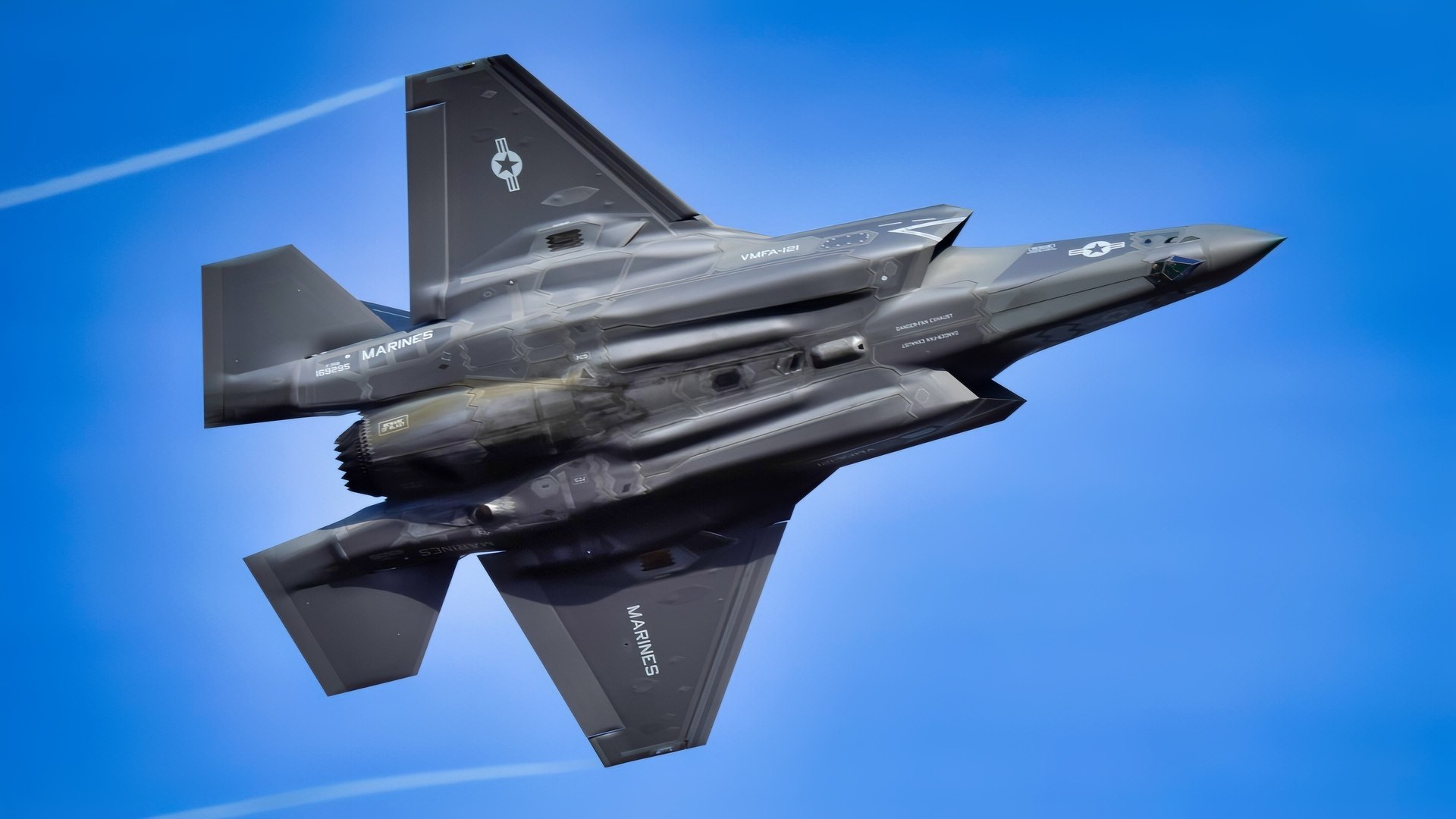
JOINT BASE ELMENDORF-RICHARDSON, Alaska – A U.S. Marine Corps F-35 Lighting II attached to Marine Fighter Attack Squadron 121 from Marine Corps Air Station Iwakuni, Japan, takes off for a training mission during Northern Edge, May 2, 2017. Northern Edge 2017 is Alaska’s premiere joint-training exercise designed to practice operations, techniques, and procedures as well as enhance interoperability among the services. Thousands of participants from all the services; Airmen, Soldiers, Sailors, Marines, and Coast Guard personnel from active duty, Reserve and National Guard units, are involved. (U.S. Navy photo by Mass Communications Specialist 2nd Class Travis Litke/Released)
Saudi Arabia built its East-West Pipeline to move crude from the Persian Gulf side of the country to Yanbu on the Red Sea. That bypass avoids Hormuz, but Asia-bound tankers leaving Yanbu still have to sail south past Yemen. Saudi Aramco is now offering more cargoes from Egypt’s Mediterranean coast, a sign that the company is searching for routes that avoid Bab el-Mandeb.
Earlier Red Sea disruptions showed how quickly the economics can change. A World Bank review found that traffic through Bab el-Mandeb and the Suez Canal fell by about half during the previous Houthi campaign, while longer voyages around Africa increased cargo-ship travel distances by as much as 53 percent. Oil moved above $100 after the latest tanker attacks.
Yemen’s Houthis Can Disrupt Bab el-Mandeb Without Closing It
The Houthi threat can work before the passage is physically sealed. A few credible attacks can make underwriters raise premiums, persuade crews to refuse voyages and send tankers around the Cape of Good Hope. Tanker traffic was already falling after the blockade warning, while Saudi Red Sea shipments had declined sharply before the confirmed Encelia strike.
Saudi Arabia’s Hormuz Bypass Ends at the Gate of Tears
Saudi Arabia’s pipeline was designed to protect exports from disruption in the Persian Gulf. The kingdom now faces another vulnerable passage at the end of that route. Riyadh can send Europe-bound crude north through Suez or transfer some cargo through Egypt. Asian buyers create the harder problem because the direct route from Yanbu runs south through Bab el-Mandeb.
The Houthis therefore have leverage far beyond the number of missiles or drones they can launch. They are placing Saudi Arabia’s main Red Sea export lifeline at risk. The alternative voyage around Africa adds weeks of sailing and millions of dollars in fuel, charter and insurance costs.
The U.S. Navy Faces a Second Maritime Requirement
The United States could shift destroyers, surveillance aircraft and interceptors toward Yemen, but those forces are already supporting operations around Iran and Hormuz. The Navy’s carrier and escort fleet is divided among global commitments, limiting how quickly Washington can establish another sustained protection mission.
The next evidence will come from tanker transits, insurance prices, Aramco loading plans and the routes selected by Asia-bound ships. If those vessels continue turning north or sailing around Africa, the Gate of Tears will remain the second chokepoint reshaping the Iran war.
About the Author: Harry J. Kazianis
Harry J. Kazianis (@Grecianformula) was the former Senior Director of National Security Affairs at the Center for the National Interest (CFTNI), a foreign policy think tank founded by Richard Nixon based in Washington, DC. Harry has over a decade of experience in think tanks and national security publishing. His ideas have been published in the NY Times, The Washington Post, The Wall Street Journal, CNN, and many other outlets worldwide. He has held positions at CSIS, the Heritage Foundation, the University of Nottingham, and several other institutions related to national security research and studies. He is the former Executive Editor of the National Interest and the Diplomat. He holds a Master’s degree focusing on international affairs from Harvard University.


