

Trump Has Paused the Bombing. He Still Has No Clean Way Out of the Iran War: President Donald Trump has paused American airstrikes on Iran after 13 consecutive nights, creating the first serious diplomatic opening since the latest ceasefire collapsed. A New York Times analysis published July 26 points to the central White House problem: every available course carries military, economic and political costs.
The United States and Iran both want to recover parts of the June agreement, according to an Associated Press account of the renewed talks. Iran and Oman have held technical discussions over passage through the Strait of Hormuz. The American blockade of Iranian ports remains in force, and no final arrangement has been announced.
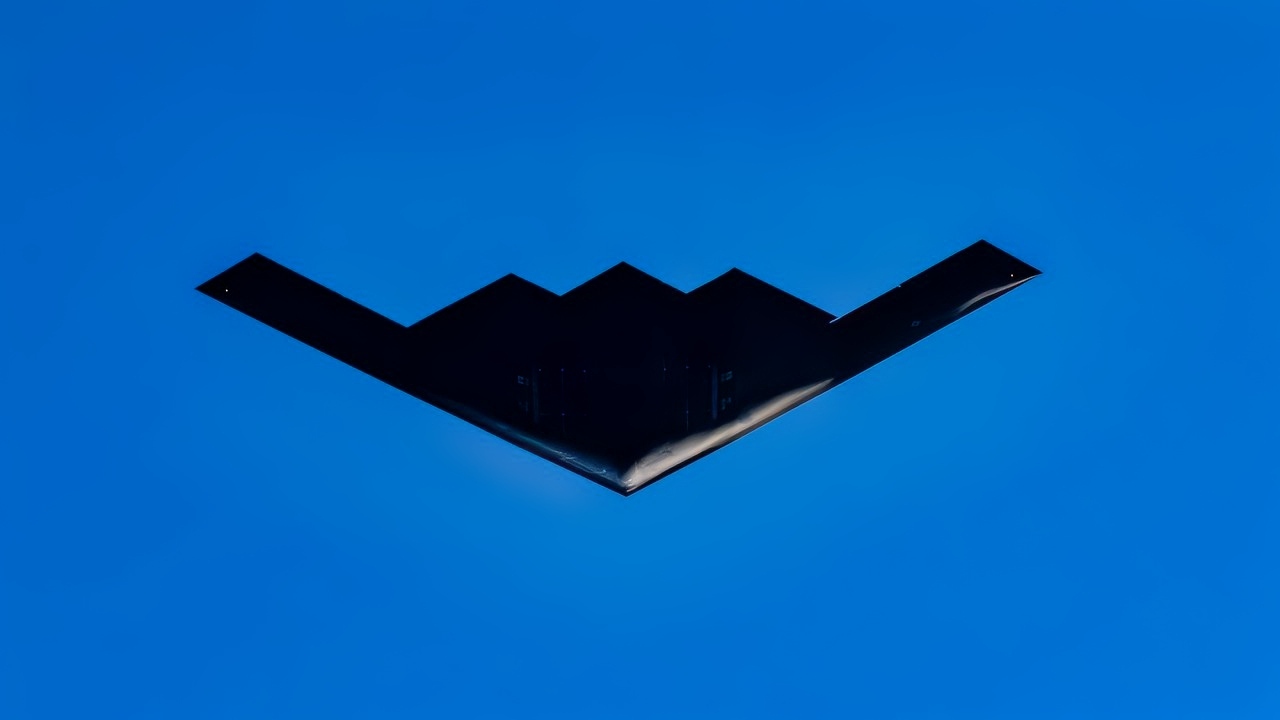
The B-2 Spirit flies over the Rose Parade at Pasadena Ca., Jan. 1, 2024. The Rose Parade is a parade of flower covered floats, marching band, and equestrian units that is produced by the Tournament of Roses. (U.S. Air Force photo by Airman 1st Class Bryce Moore)
The campaign has cost the United States $37.5 billion, including projected spending through Sept. 30, according to Pentagon figures reported by Reuters. The Associated Press reported 18 American military deaths and more than 500 wounded, while Pentagon officials warned that maintenance and future capability investments could suffer without additional funding.
The domestic political position is also weak. A July Economist/YouGov survey found that 57 percent of Americans believed entering the war was wrong, compared with 27 percent who supported it. The House later passed another resolution seeking congressional approval for continued action, according to the Associated Press.
Trump Cannot Escalate Without Expanding the Costs
Additional strikes can destroy Iranian radars, launchers, command sites and military infrastructure. A longer campaign would consume more precision weapons and defensive interceptors needed in Europe and the Pacific. Several important inventories already face multiyear replacement timelines, while Congress is debating almost $90 billion in additional war-related funding.
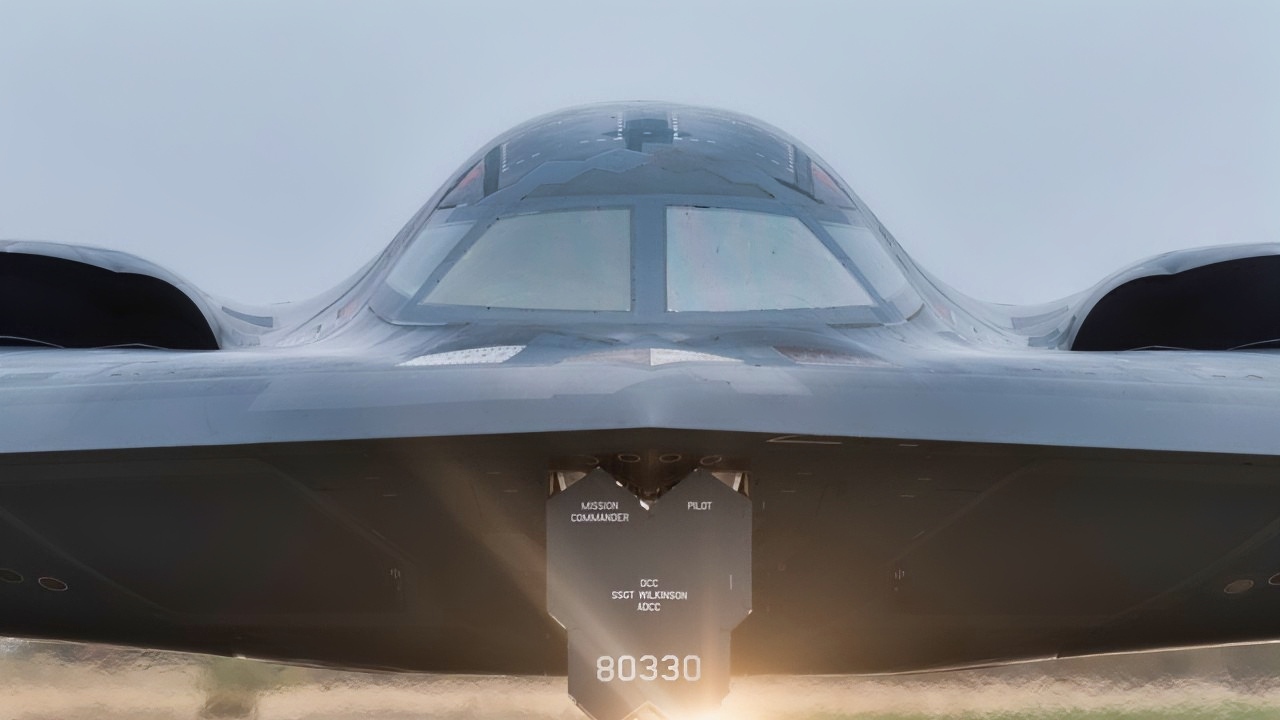
A B-2 Spirit Stealth Bomber, assigned to the 509th Bomb Wing, Whiteman Air Force Base, Missouri, taxis down a flight line, Oct 24, 2019. Total Force Airmen at Whiteman AFB are ready to execute the mission anytime, anywhere. (U.S. Air Force photo by Senior Airman Thomas Barley)
Escalation would also broaden the conflict. Trump has threatened bridges, power plants and the underground Pickaxe Mountain complex. Iran can answer through attacks on U.S. bases, commercial vessels and regional energy infrastructure. The Houthis have already struck Saudi oil facilities and threatened the Red Sea, adding another maritime requirement for American and allied forces.
The United States can impose extensive military damage. Converting that damage into regular shipping has proved harder. Washington cannot remove the geographic leverage Iran holds around Hormuz, where mines, mobile weapons and small maritime units keep commercial operators cautious.
Trump Cannot Withdraw Without Leaving Iran With Leverage
A rapid withdrawal would reduce immediate spending and military exposure. It would leave the blockade, tanker rules and future administration of Hormuz unresolved. Iran could present that outcome as proof that its pressure forced Washington to stop bombing without securing the open waterway Trump promised.
Commercial behavior remains the practical measure. The United States can describe the strait as open while large tanker operators continue limiting transits. Leaving under those conditions would preserve Iranian influence over energy prices and shipping decisions.

A B-2 Spirit makes a low pass flyover during the 2024 Warriors Over the Wasatch Open House and Air Show June 29, 2024, at Hill Air Force Base, Utah. The B-2 Spirit, the predecessor to the new B-21 Raider, has been the U.S. Air Force’s premiere stealth bomber for more than 20 years. (U.S. Air Force photo by Cynthia Griggs)
Trump’s credibility is tied to the result. Continuing the war brings more casualties and costs. Ending it without a reliable maritime settlement weakens the original case for the campaign. The available routes out of the conflict all require a concession, a larger military commitment or acceptance of an unstable status quo.
A Deal Requires Terms Trump Has Resisted
The compromise under discussion would give Iran a role in organizing vessel transit with fewer restrictions, according to AP. Washington would need guarantees against attacks, discriminatory passage rules and unilateral tolls. Tehran would expect relief from the blockade, fewer U.S. strikes and recognition of a regional role around the strait.
Such an agreement could reopen traffic and reduce oil prices. It could also fall short of the outcome Trump previously demanded. Giving Tehran formal standing would reinforce the view that the likeliest diplomatic exit contains meaningful benefits for Iran.
The Pause Shows Trump Is Searching for an Off-Ramp
The decision to stop striking Iran suggests the administration wants to test diplomacy before ordering another escalation. The pause has not ended the wider conflict. The naval blockade continues, the Houthis are attacking Saudi targets, and Israeli Prime Minister Benjamin Netanyahu is expected in Washington.

A U.S. Air Force Maj. B-2 pilot marshals a B-2 Spirit bomber, deployed from Whiteman Air Force Base, Missouri, at Andersen Air Force Base, Guam in support of Valiant Shield 24, June 13, 2024. The speed, flexibility, and readiness of our strategic bombers plays a critical role in our ability to deter potential adversaries and signal our unwavering support to our allies and partners. Counter-maritime missions provide valuable training opportunities to improve our interoperability and demonstrate that our forces are capable of operating anywhere, anytime, to meet any challenge decisively. (U.S. Air Force photo by Staff Sgt. Kristen Heller)
Trump also faces an economic deadline. Gasoline returned above $4 per gallon during the renewed fighting, and the energy shock is affecting inflation and borrowing costs. That pressure gives the White House a reason to accept terms it rejected earlier.
As of July 26, airstrikes were paused and technical talks were continuing. The blockade remained active, no permanent Hormuz agreement had been signed and Iran retained the ability to disrupt a waterway central to global energy markets. Trump can resume bombing, accept a compromise or reduce American involvement. None delivers the quick conclusion he originally promised.
About the Author: Harry J. Kazianis
Harry J. Kazianis (@Grecianformula) is the former Senior Director of National Security Affairs at the Center for the National Interest (CFTNI), a foreign policy think tank founded by Richard Nixon based in Washington, DC. Harry has over a decade of experience in think tanks and national security publishing. His ideas have been published in the NY Times, The Washington Post, The Wall Street Journal, CNN, and many other outlets worldwide. He has held positions at CSIS, the Heritage Foundation, the University of Nottingham, and several other institutions related to national security research and studies. He is the former Executive Editor of the National Interest and the Diplomat. He holds a Master’s degree focusing on international affairs from Harvard University.


