

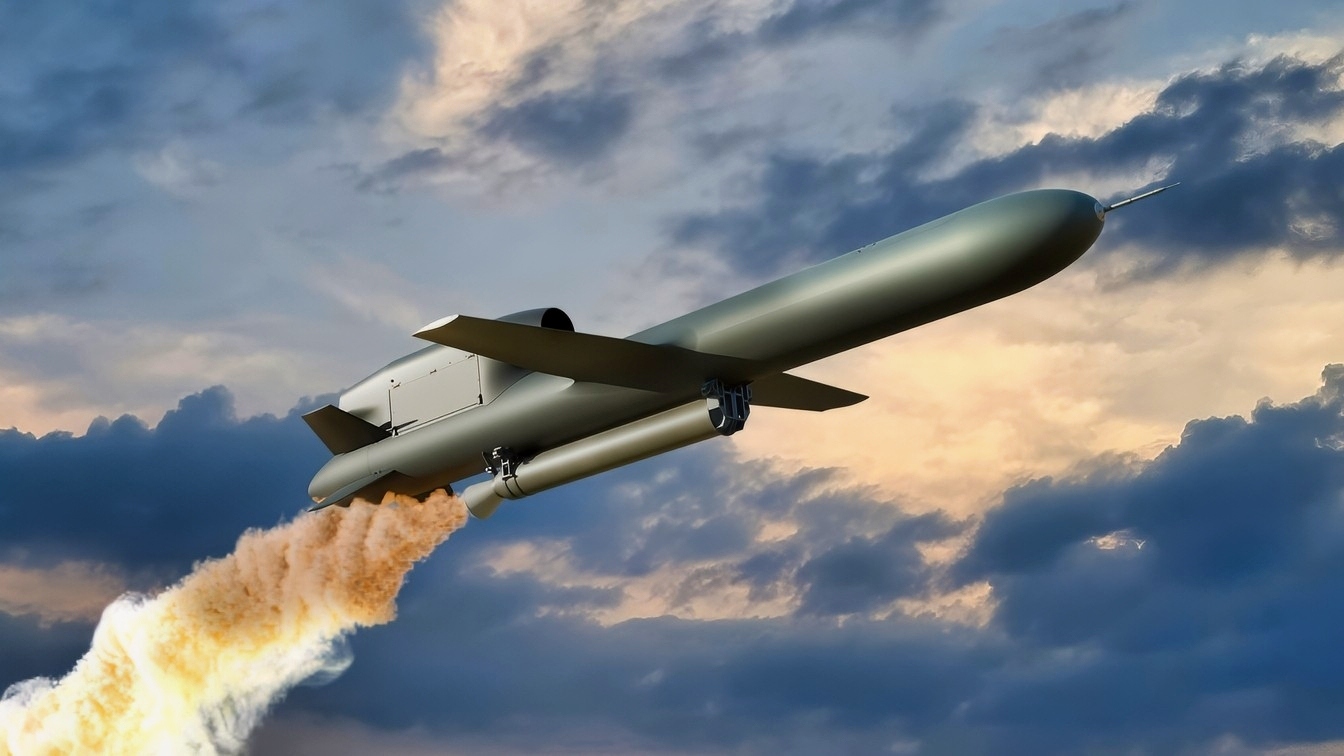
Ukraine’s ‘Magyar’ Is Building a Drone Force to Outpace Russia’s Reinforcements: Ukraine has turned drone warfare into a separate military branch, and Major Robert Brovdi manages it through production targets, mission counts and verified strike data.
Known by the call sign “Magyar,” the 50-year-old former grain trader now commands Ukraine’s Unmanned Systems Forces, which combine aerial, maritime and ground systems for missions stretching from frontline trenches to targets deep inside Russia.
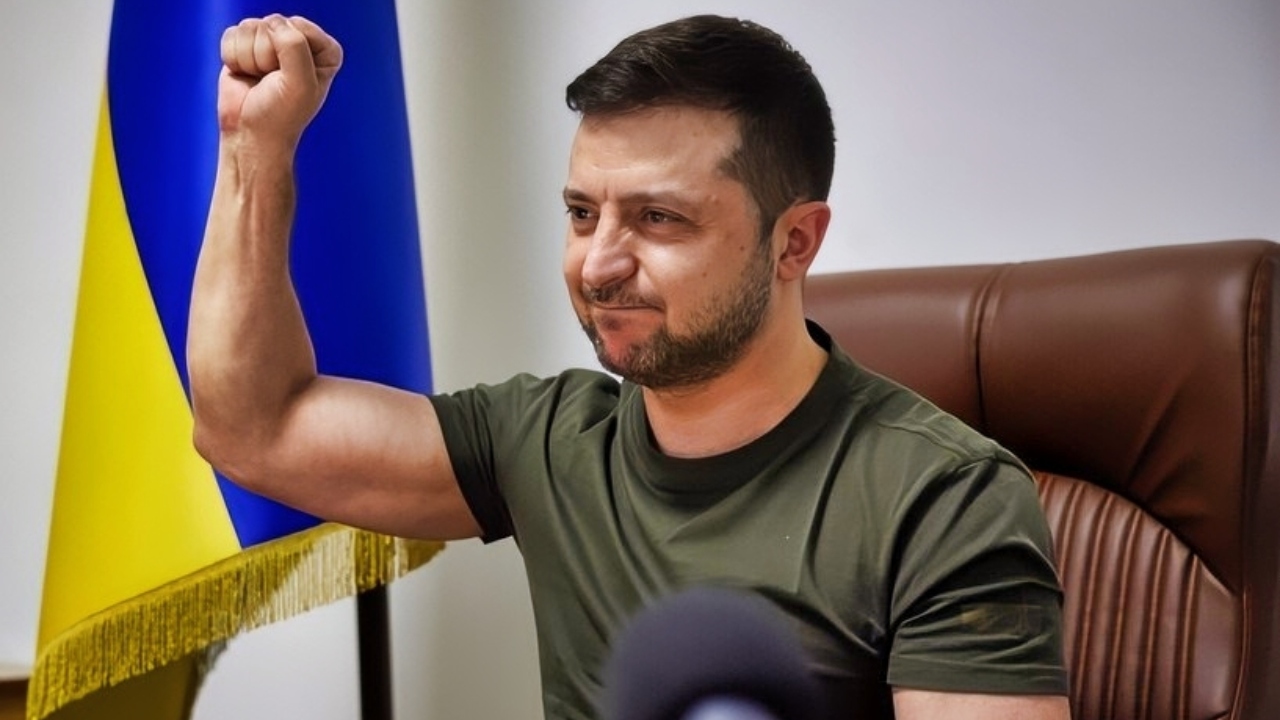
Zelensky Speaking in UK Ukraine Government Photo
A July 26, 2026, profile by Le Monde captured Brovdi’s blunt view of the weapons now dominating the war.
He called drones “the Black Death of the third millennium,” a description shaped by thousands of daily sorties against soldiers, vehicles, supply routes and energy facilities.
President Volodymyr Zelensky appointed Brovdi commander on June 3, 2025, less than a month after awarding him the title Hero of Ukraine. Brovdi had started “Magyar’s Birds” with a small group of volunteers in 2022. The formation expanded from a reconnaissance detachment into the 414th Separate Unmanned Systems Brigade.
His call sign refers to his ethnic Hungarian roots in western Ukraine.
His rise reflects the speed of Ukraine’s military transformation: a civilian businessman with no conventional command career built a combat organization around commercial technology, rapid testing, private support and constant collection of battlefield data.
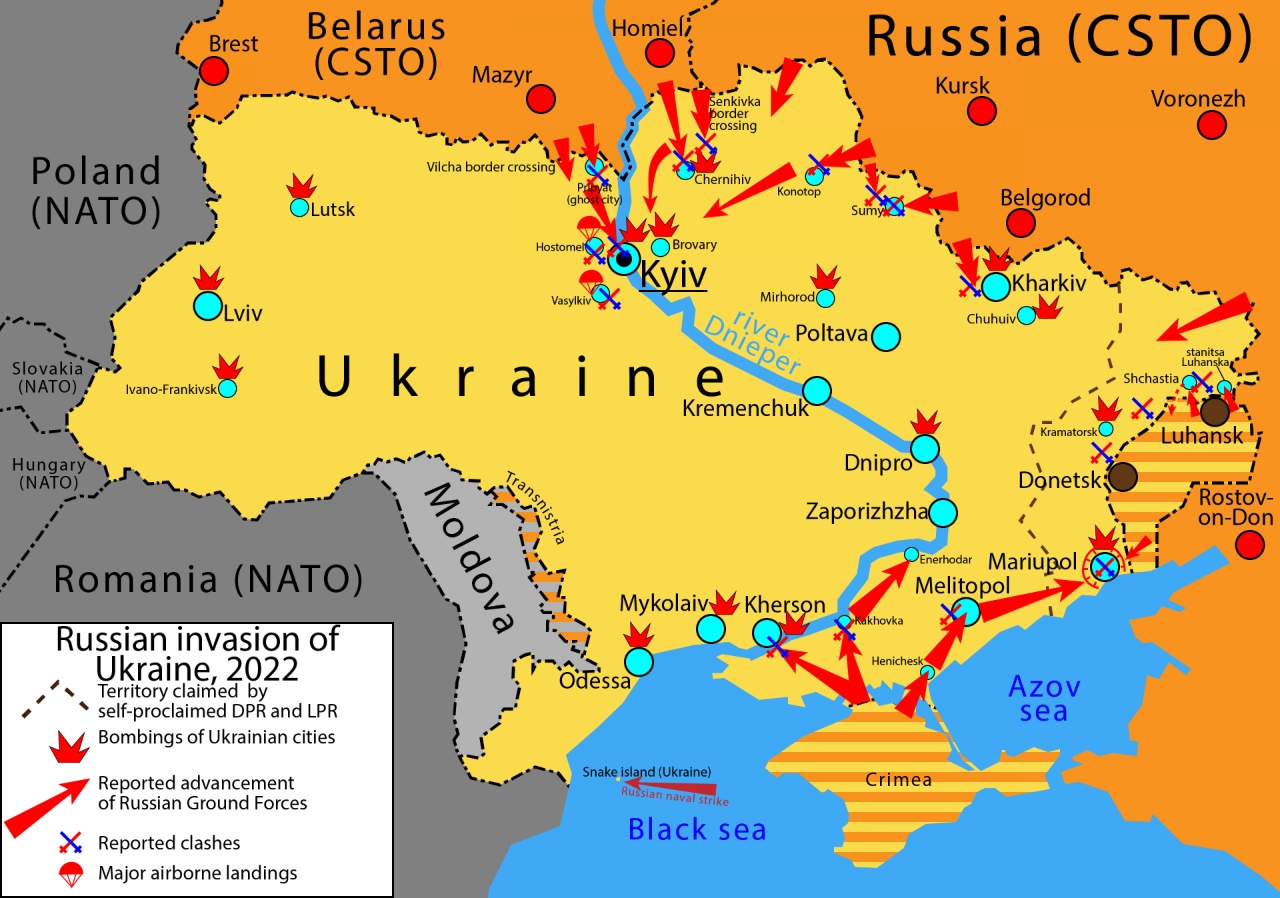
Ukraine War Map. Image Credit: Creative Commons.
Ukraine Turned Drone Improvisation Into a Military Branch
The organizational change matters as much as any individual aircraft. Frontline teams once developed many techniques separately, often modifying commercial systems near the battlefield.
A dedicated branch provides a structure for training, procurement, doctrine, target verification, and sharing successful methods across units. It also makes the accuracy of Brovdi’s statistics more consequential as Kyiv decides how quickly to expand the branch.
Brovdi Measures the Drone War in Russian Losses
Brovdi’s central calculation is brutal: Ukraine must inflict losses faster than Moscow replaces them.
He told Reuters in June that his branch represented about 2.5 percent of Ukraine’s armed forces but accounted for roughly one-third of Russian battlefield personnel losses during the previous year.
His data credited the force with killing more than 50,900 Russian troops and striking over 176,500 targets during the first five months of 2026. Reuters could not verify those figures independently.
The numbers explain why Kyiv wants to expand the force to 5 percent of the military. Drones help Ukraine offset its manpower disadvantage by exchanging comparatively inexpensive machines for troops, armor and artillery. Russia is adapting through electronic warfare, camouflage, dedicated drone formations such as Rubicon and new protection for armored vehicles. The result is a continuous contest between attack methods and countermeasures.
Crimea and Russia’s Oil Network Are the Main Targets
Brovdi is now directing pressure beyond the trench line. Ukrainian drones have targeted roads linking occupied southern Ukraine to Crimea, contributing to restrictions on Russian military traffic. At sea, Reuters reported on July 24 that Ukrainian units claimed more than 180 strikes against vessels and other maritime targets in three weeks. Those claims remain difficult to confirm, but the campaign has expanded from the Sea of Azov into the Black Sea, where shipping and logistics vessels face sustained pressure.
Long-range drones are also carrying the war into Russia’s energy system. Ukraine’s campaign has repeatedly hit major Russian refineries and disrupted Black Sea oil shipments. On June 3, Associated Press reporting and satellite imagery documented fires at a St. Petersburg oil terminal and aboard the Russian corvette Boikiy at Kronstadt.
Brovdi wants the Unmanned Systems Forces doubled to 5 percent of Ukraine’s military.
Reaching that level requires trained crews, secure communications, explosives, replacement airframes, and enough production capacity to sustain thousands of missions every day while Russia changes its defenses.
About the Author: Harry J. Kazianis
Harry J. Kazianis (@Grecianformula) is the former Senior Director of National Security Affairs at the Center for the National Interest (CFTNI), a foreign policy think tank founded by Richard Nixon based in Washington, DC. Harry has over a decade of experience in think tanks and national security publishing. His ideas have been published in the NY Times, The Washington Post, The Wall Street Journal, CNN, and many other outlets worldwide. He has held positions at CSIS, the Heritage Foundation, the University of Nottingham, and several other institutions related to national security research and studies. He is the former Executive Editor of the National Interest and the Diplomat. He holds a Master’s degree focusing on international affairs from Harvard University.


