


Trump and Zelensky Are Preparing an Air Ceasefire Proposal for Russia: The United States and Ukraine are discussing an air ceasefire proposal to present to Russia as President Donald Trump prepares to meet President Volodymyr Zelensky in Washington on July 28. The Kremlin says it has received no detailed plan and dismissed the current reports as speculation, according to reporting on Moscow’s response.
A Ukrainian source told Reuters that Kyiv and Washington had discussed a possible halt to aerial attacks as part of a new diplomatic push. The public reporting does not define which weapons, targets or geographic areas would be covered.
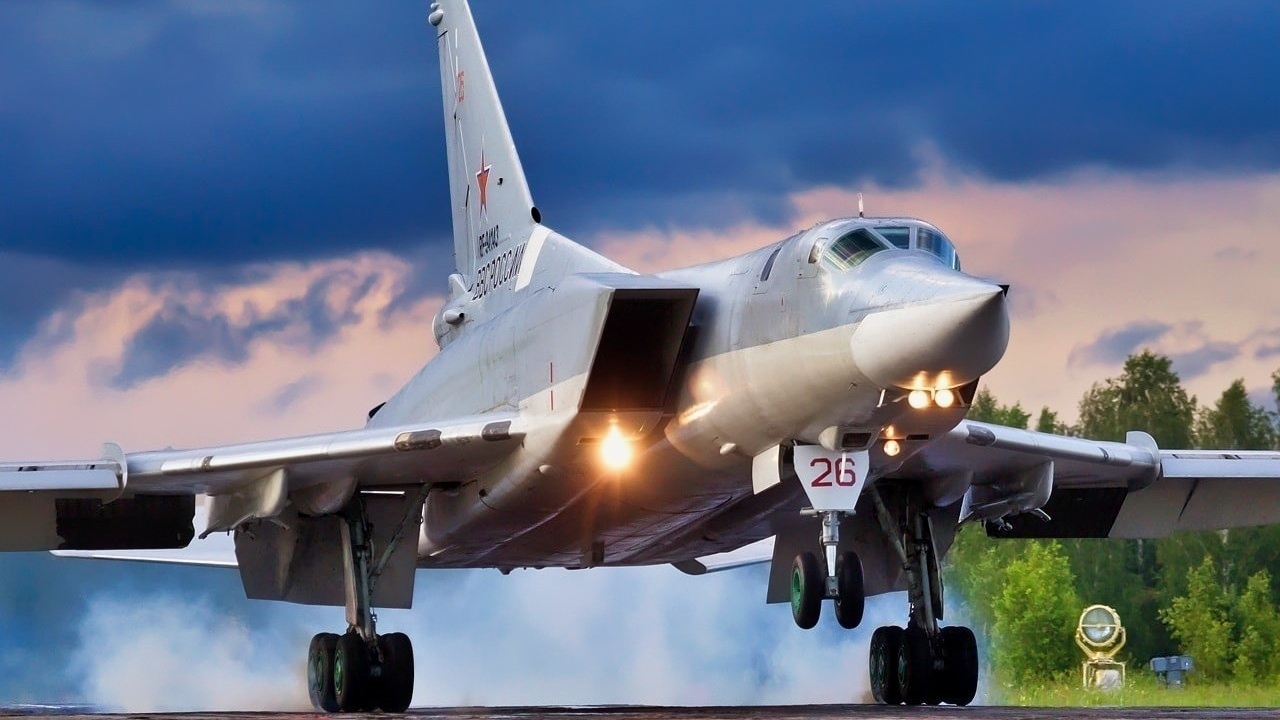
Tu-22M3 from Russian Air Force. Image Credit: Creative Commons.

Tu-22M3 Bomber from Russia. Image Credit: Creative Commons.
The proposal would be narrower than a complete ceasefire. Ground combat could continue while Russia and Ukraine stopped some or all long-range drone, missile and air attacks. Such an arrangement could reduce strikes on cities and infrastructure without requiring either government to accept the current front line as a permanent border.
The humanitarian case is immediate. United Nations monitors verified 1,396 civilian deaths and 7,978 injuries during the first half of 2026, a 37 percent increase from the same period in 2025. The UN assessment tied much of that increase to expanding missile and drone attacks.
An Air Ceasefire Could Be Easier to Monitor
Missile and drone launches leave radar tracks, satellite evidence, wreckage and identifiable impact sites. That makes violations easier to document than many clashes along a front stretching more than 1,000 kilometers. Russia and Ukraine briefly halted attacks on energy infrastructure in January, although differences quickly emerged over the duration and meaning of the arrangement.
The earlier experience shows that a verbal understanding is not enough. Moscow previously rejected Ukraine’s offer to exchange an end to deep strikes, while Kyiv’s expanding attacks have placed Moscow and Russian energy infrastructure under repeated pressure.
The Terms Would Decide Who Benefits
A ceasefire covering only strategic missiles and long-range drones could leave Russia free to use glide bombs and short-range aircraft near the front. A broader ban on aerial weapons would be harder to define and monitor. Negotiators would also have to decide whether military airfields, refineries, weapons factories, occupied Crimea and Russian territory were protected.
Ukraine would surrender one of its strongest new sources of leverage. Its deep strikes have damaged refineries, air bases and logistics hubs, contributing to fuel and distribution pressure inside Russia. Moscow would give up a much larger missile and drone campaign that has strained Ukrainian air defenses and caused rising civilian losses.
The trade could still benefit Kyiv if it substantially reduced ballistic attacks on cities and allowed Patriot inventories to recover. Russia might benefit from time to repair refineries, airfields and industrial sites. The agreement would need to prevent either side from using the pause simply to stockpile weapons for a larger attack later.
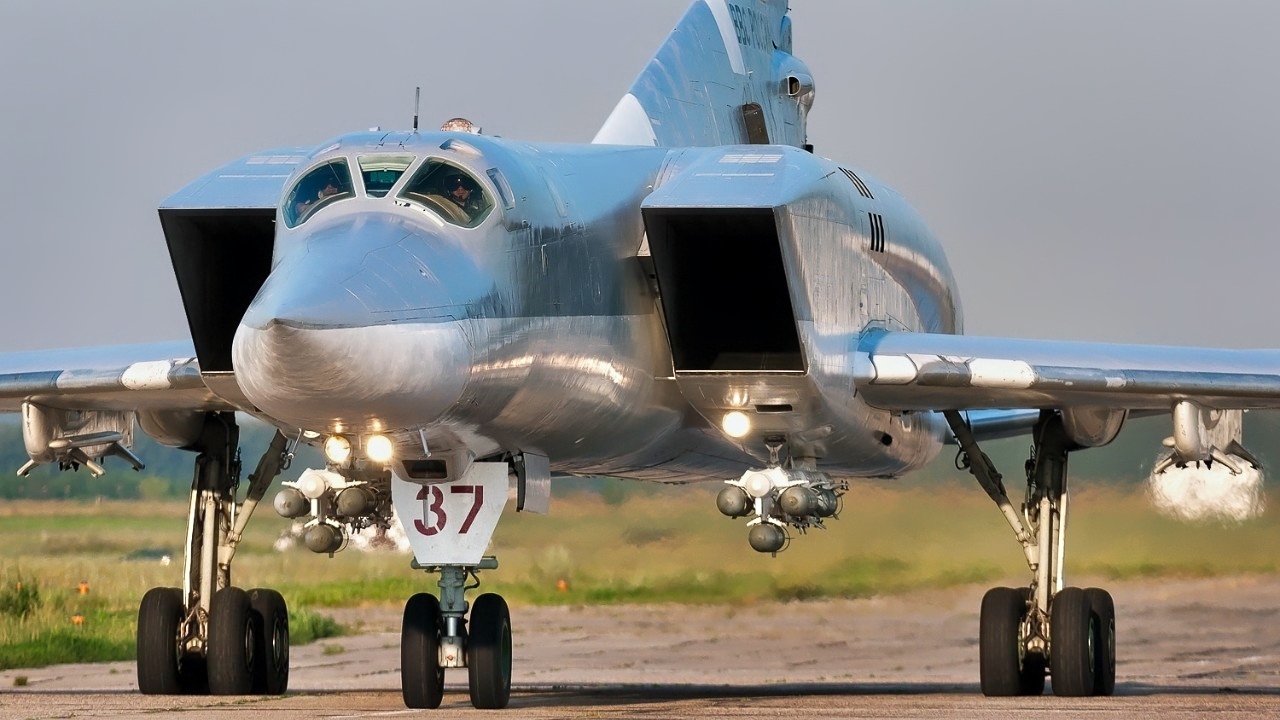
Russia Tu-22M Bomber. Image Credit: Creative Commons.

Tu-22M Bomber from Russian Air Force. Image Credit: Creative Commons.
Putin Has Strong Reasons to Reject the Proposal
Vladimir Putin continues to believe Russia can improve its position through military operations. Sources familiar with Kremlin thinking told Reuters that he rejected advice favoring a ceasefire and remained focused on capturing the rest of Donbas.
Russian officials have said they will continue fighting toward what they call total victory while waiting for new American proposals. The Kremlin may calculate that halting air attacks would allow Ukraine to conserve interceptors, repair infrastructure and redirect resources toward the front. Recent pressure has pushed Putin toward escalation rather than compromise.
Ukraine also has reasons to resist weak terms. Russia remains capable of financing the war, but its economy is increasingly tied to military spending. Giving up deep strikes without a reliable Russian concession would reduce pressure on the Kremlin for little return.
Trump and Zelensky Need a Written Enforcement Plan
The Washington meeting needs to produce exact definitions: which weapons are prohibited, which targets are protected, when the pause begins and what happens after a violation. Independent monitoring would require U.S. and allied satellite, radar and intelligence support, followed by a rapid process for attributing disputed attacks.
As of July 27, Moscow said it had seen no specific text. Trump and Zelensky can turn the proposal into a real test of Putin’s intentions only by presenting terms clear enough that Russia must accept them, reject them or propose an alternative.
About the Author: Harry J. Kazianis
Harry J. Kazianis (@Grecianformula) was the former Senior Director of National Security Affairs at the Center for the National Interest (CFTNI), a foreign policy think tank founded by Richard Nixon based in Washington, DC. Harry has over a decade of experience in think tanks and national security publishing. His ideas have been published in the NY Times, The Washington Post, The Wall Street Journal, CNN, and many other outlets worldwide. He has held positions at CSIS, the Heritage Foundation, the University of Nottingham, and several other institutions related to national security research and studies. He is the former Executive Editor of the National Interest and the Diplomat. He holds a Master’s degree focusing on international affairs from Harvard University.


