
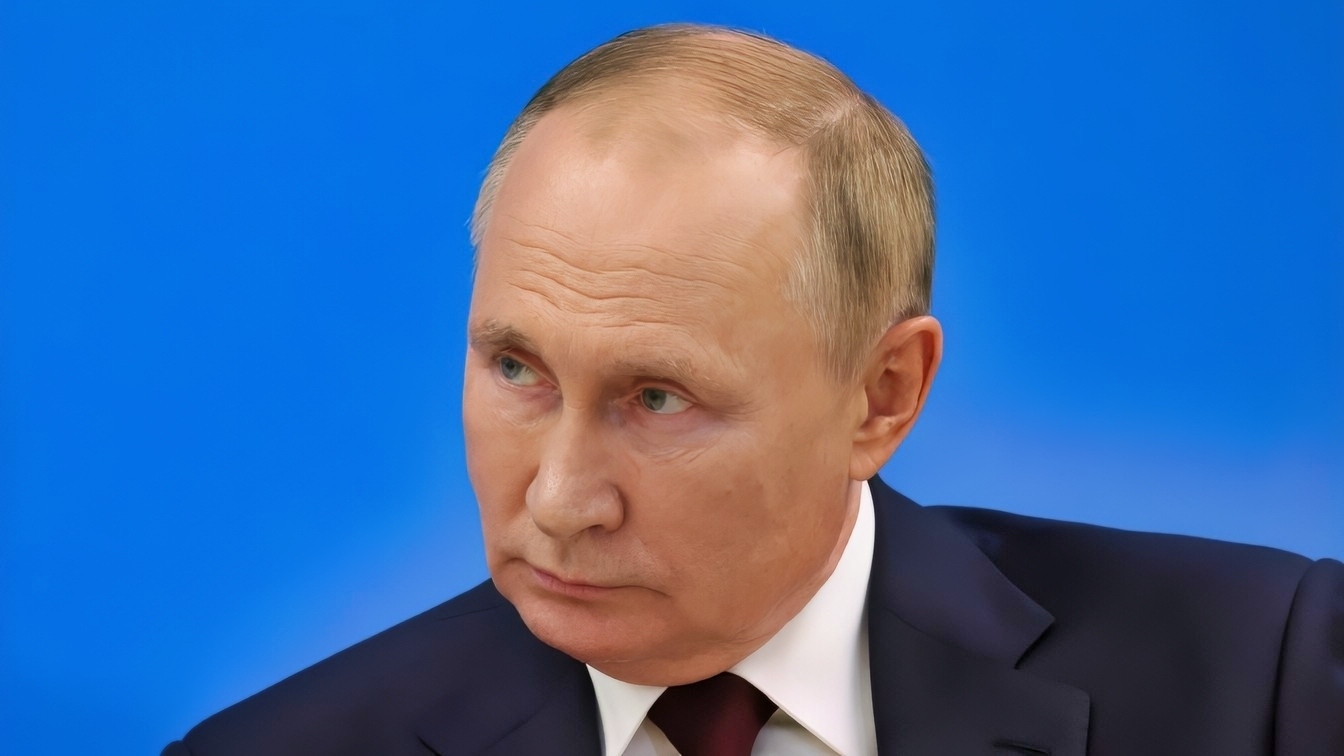
Kremlin Insiders Say Putin Is Digging In His Heels: Sources close to the Kremlin have told Reuters that Russian President Vladimir Putin is pushing back against calls to negotiate peace with Kyiv and plans to continue escalating. According to the sources, who spoke on the condition of anonymity, the extreme pressure caused by Ukraine’s long-range drone and missile strikes on Russian oil refineries and energy infrastructure is emboldening the Russian leader to take extreme new measures.
Two of those sources told the outlet that Putin is expected to escalate the conflict, while one of them – a source Reuters described as an official who regularly meets with the president – said there was a “high probability” of Putin escalating the conflict within the next several months. The comments suggest that Russian forces could be preparing a new assault or will step up its ballistic missile campaigns at a time when Ukraine lacks sufficient interceptors to stop them.
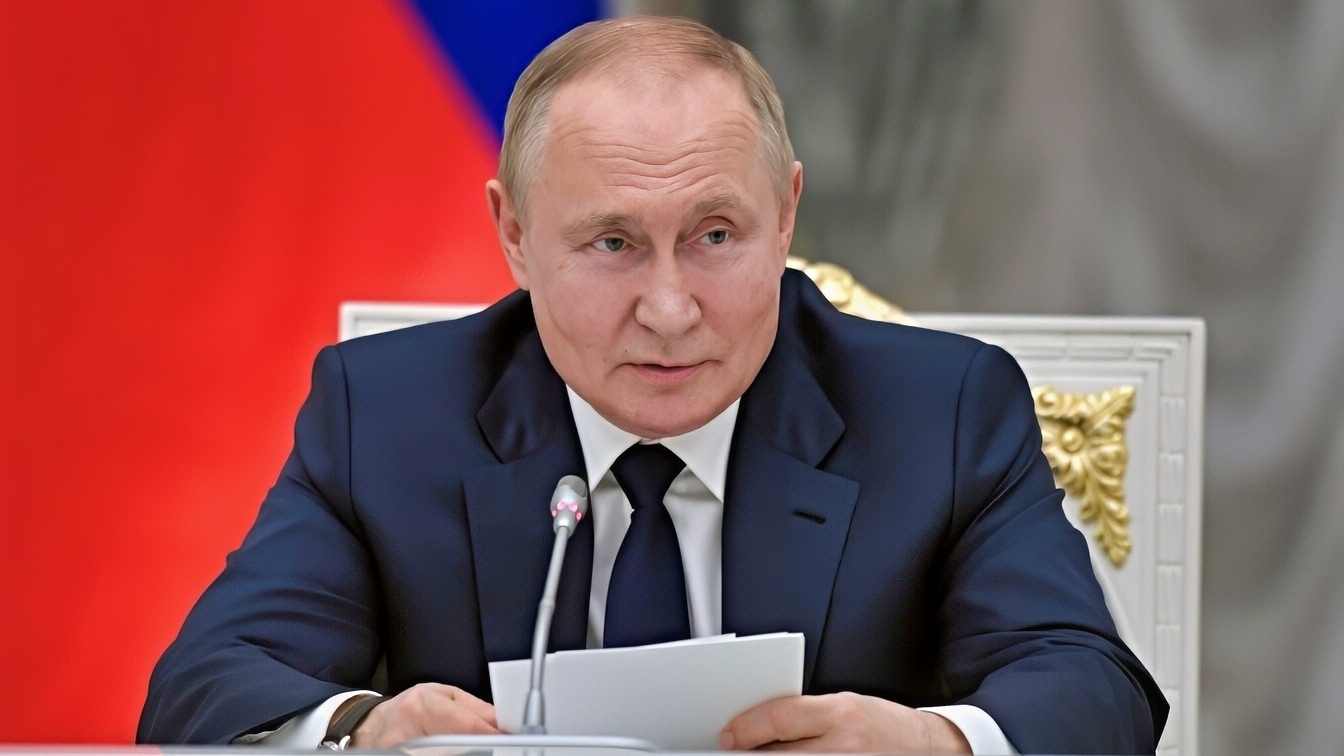
Putin on July 7, 2020 Image Credit from Creative Commons
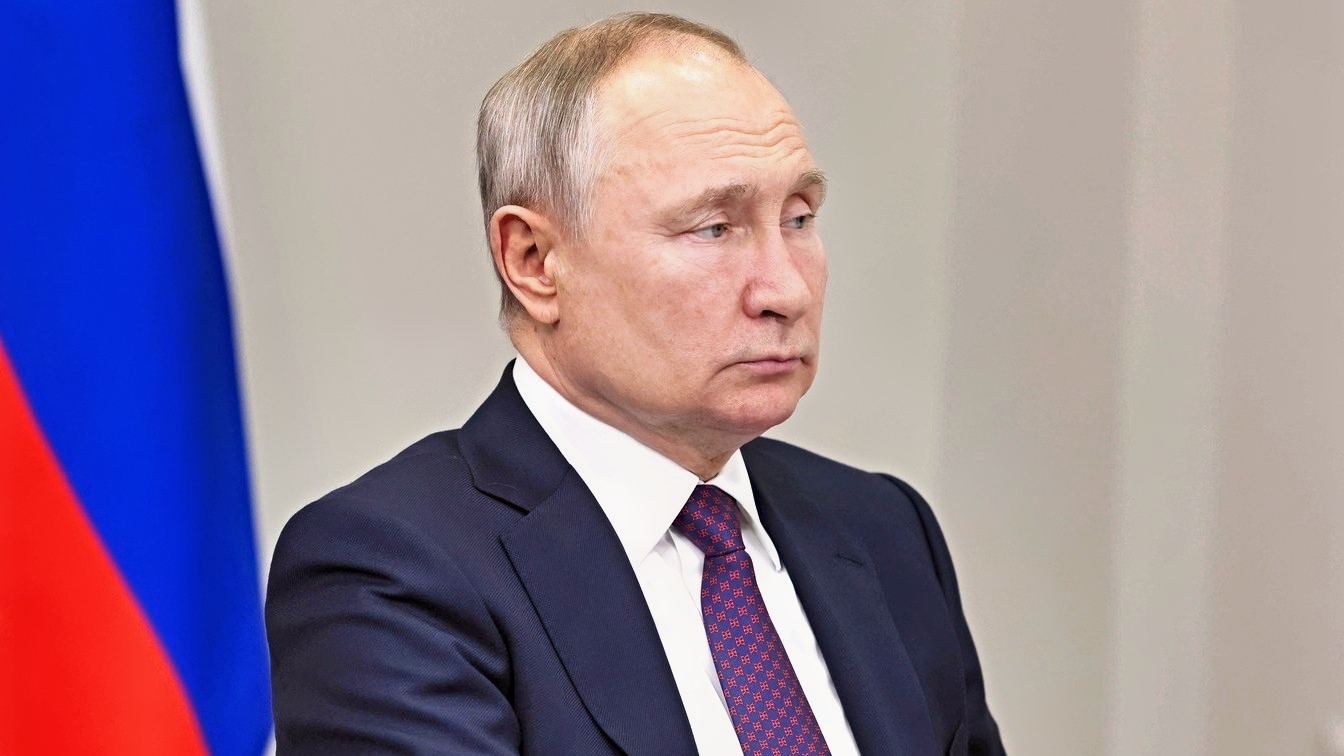
Putin in March 2023 Image Credit: Creative Commons
What We Learned
The sources also offered insight into Putin’s thinking at present, with one source telling Reuters that, as a result of the Ukrainian strikes, which have forced Moscow to begin importing fuel and to ban the export of diesel, the Russian president has “dug in his heels.”
The source claimed that Putin remains committed to capturing the remainder of the Donbas region in eastern Ukraine as Russian advances become slower and harder to achieve.
The source also said that Putin recently pushed back against his own advisors who suggested that Russia would seek a negotiated peace deal with Ukraine and the United States that would establish a ceasefire along the front lines as they stand.
Putin allegedly rebuked the suggestions, telling advisers that he believes it is possible for Russian forces to soon capture the entirety of the eastern Donbas region.
Putin Wants A Deal On His Terms
While Putin has repeatedly said that he is prepared to negotiate an end to the war, his offers have always been tied to conditions that would effectively require Ukraine to surrender to Moscow’s original war aims.
Rather than offering major concessions each time negotiations take place during high-stakes meetings, like the summit in Alaska with U.S. President Donald Trump, the Kremlin has insisted that any settlement must recognize Russia’s territorial gains and address what Putin describes as the “root causes” of the conflict.
Most recently, on June 23, Putin said that Russia was ready to resume peace talks with Ukraine but only on the basis of the Istanbul agreements that were reached during failed negotiations in Turkey in 2022. Those draft agreements were widely seen as heavily favoring Moscow – because they were.
The proposal envisioned turning Ukraine into a neutral state that abandoned its goals to join NATO and that would accept strict limits on its armed forces
. Such a move would have made Ukraine particularly vulnerable in the future to Russian aggression – in much the same way that the annexation of Crimea in 2014 served as a stepping stone for Russia to launch new offensives in the south of Ukraine more than a decade later. For Putin, a negotiated end to this would include the annexation of Donetsk, Luhansk, Zaporizhzhia, and Kherson – including territory that Russian forces have spent the last four years trying to occupy and which are still under Ukrainian control.
That position leaves very little room for compromise – and despite Ukraine being in a far stronger position now than it was the last time Putin offered to “negotiate” an end to the war, Putin continues to push to achieve his most maximalist demands.
What Could Escalation Look Like?
The most immediate and obvious form of escalation is likely a continuation of what we are already seeing: devastating ballistic missile strikes against Ukrainian cities that are accompanied by hundreds of drones. Every time Russia launches a missile strike, swarms of hundreds of drones are launched to overwhelm Ukrainian air defenses and allow cruise missiles to slip through – and when it comes to ballistic missiles, Moscow knows Kyiv is running short of the advanced interceptors required to stop them reaching their targets.
During one of the largest attacks of the war, overnight into July 6, Russia launched 68 missiles and 351 drones across the country. Ukraine said that air defenses intercepted dozens of cruise missiles and hundreds of drones, but every single Russian ballistic missile reached its intended target because Kyiv lacked sufficient Patriot interceptor missiles. The attack killed at least 21 people, injured dozens of others, and proved that Ukraine really does need urgent deliveries of new air defense systems and interceptors.
If Russia believes Ukraine’s stockpile of Patriot interceptors remains limited and will do for some time, it could increasingly rely on ballistic missiles to maximize damage while Western allies work to replenish Kyiv’s air defenses.
In the longer term, escalation could also mean renewed offensive operations on the ground – this time, from the north. Ukrainian officials and Western analysts have warned for months that Russia could be building forces north of the border, raising concerns that Moscow is preparing a new axis of assault as Crimea becomes increasingly difficult to use as a logistics hub for southern operations.
MORE – Trump Allows Ukraine to Build Patriot Missiles
About the Author: Jack Buckby
Jack Buckby is a British researcher and analyst specializing in defense and national security, based in New York. His work focuses on military capability, procurement, and strategic competition, producing and editing analysis for policy and defense audiences. He brings extensive editorial experience, with a career output spanning over 1,000 articles at 19FortyFive and National Security Journal, and has previously authored books and papers on extremism and deradicalization.


