

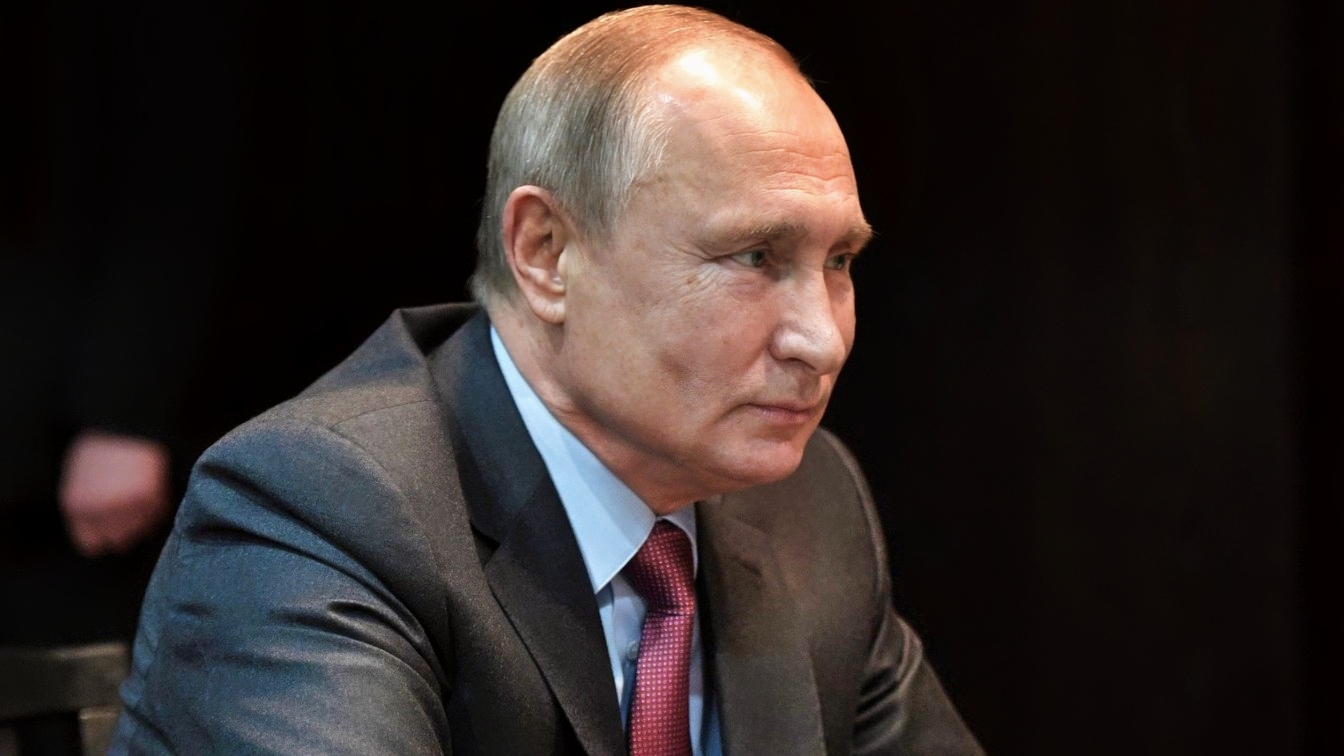
After months of increased drone attacks, multiple regions throughout Russia are starting to feel the economic ripple effects of the war. Originally contained to Crimea and other border regions along the border with Ukraine, regions throughout Siberia and even Moscow itself have been forced to implement fuel rationing as drone attacks against oil refineries and other fuel infrastructure sites have forced the government to take drastic measures to cope with the strained supply, much to the displeasure of ordinary Russians. The Kremlin’s strategy has been to ensure that the economic ramifications of the war harm ordinary citizens as little as possible, thereby maintaining control. However, with fuel shortages on the rise and discontentment rising, some Western analysts suspect once again that Putin’s grip on Russia may finally be slipping.
Ukraine Is Bringing the War to Russia
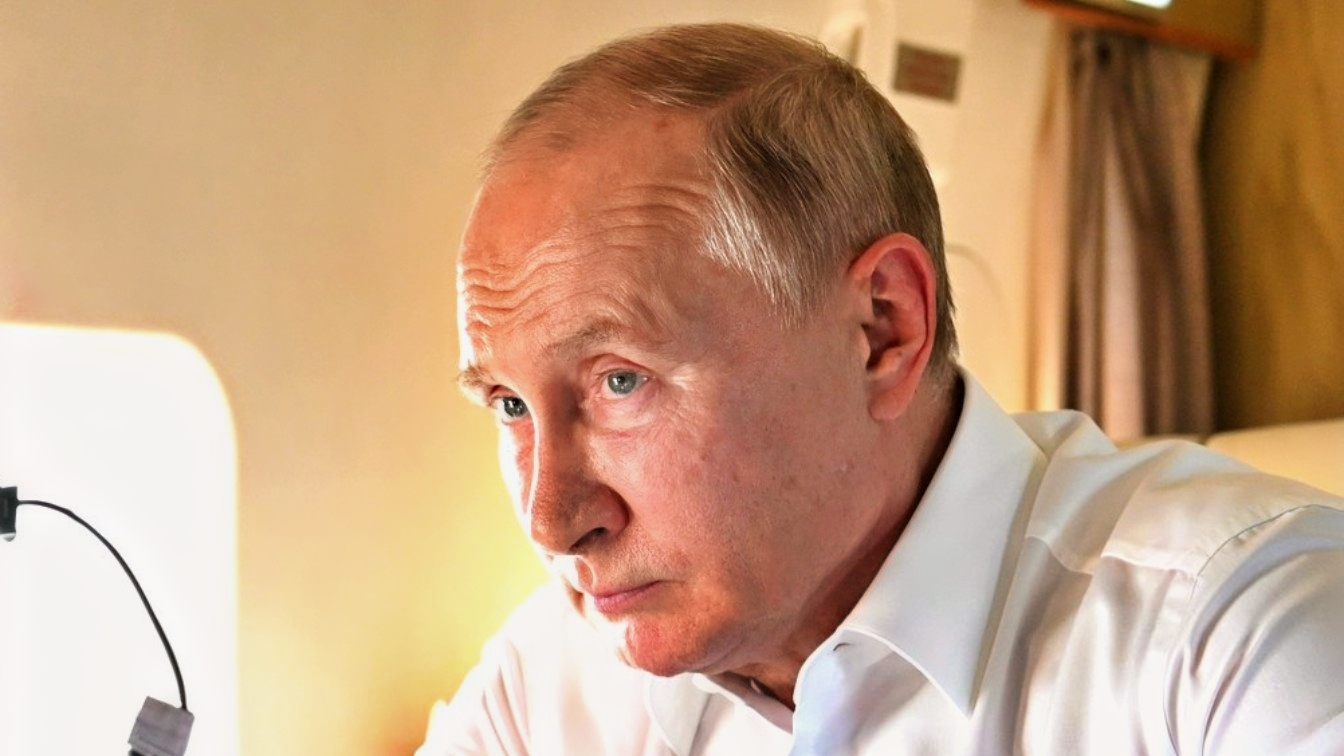
Putin 2021 Photo on Airplane Image Credit Russian Federation
According to recent news reports, fuel stations across Russia have been forced to limit the amount of fuel motorists can buy. Only in central Moscow and other remote areas of Siberia have fuel stations refrained from imposing limits, and even Moscow residents have reported long lines at gas stations.
Residents across the country are growing annoyed and frustrated by fuel shortages, as they often have to wait hours in line to access limited amounts of gas. Interestingly, gas prices have remained stagnant at around 70-80 rubles per liter (the typical price for fuel), unlike in Crimea, where prices are much higher.
In prior months, the economic fallout was mostly contained to Crimea, other occupied regions in Ukraine, and border regions like Kursk or Belgorod.
Here, shortages are to be expected, as these regions are quite literally war zones. In Donetsk, for example, fuel limitations have been in place for some time, as there is a constant risk of attacks from Ukrainian artillery. In June, however, following a massive uptick in Ukrainian drone attacks, fuel rationing was implemented in most regions of the country, granted, to varying degrees.
Threatening the Kremlin’s Stability
The Kremlin was forced to acknowledge the impacts of the attacks in a recent address and tried to reassure the public that the shortages were only temporary. “These strikes on our infrastructure facilities create problems.
That’s obvious,” Vladimir Putin said, adding that Russia is seeing “a certain deficit,” though he insists that it is “not critical.” Despite the mounting economic pressure, Putin maintained that the Russian Army has no plans to stop the war or even implement a ceasefire. “All the strikes, wherever they hit our infrastructure, absolutely do not affect the situation on the front, on the line of combat contact,” he said.
Since the invasion of Ukraine in 2022, the Kremlin has sought to make the economic repercussions of the war as minuscule as possible to the general population. This was done to contain any possible discontent or pushback against the regime, on the gamble that most Russian citizens would accept or be ambivalent about the war as long as their overall quality of life remained the same. When the initial round of sanctions first hit, Russia was able to shrug off the initial shock by replacing Western companies with domestic ones and deepening its economic ties with non-Western nations, namely China.
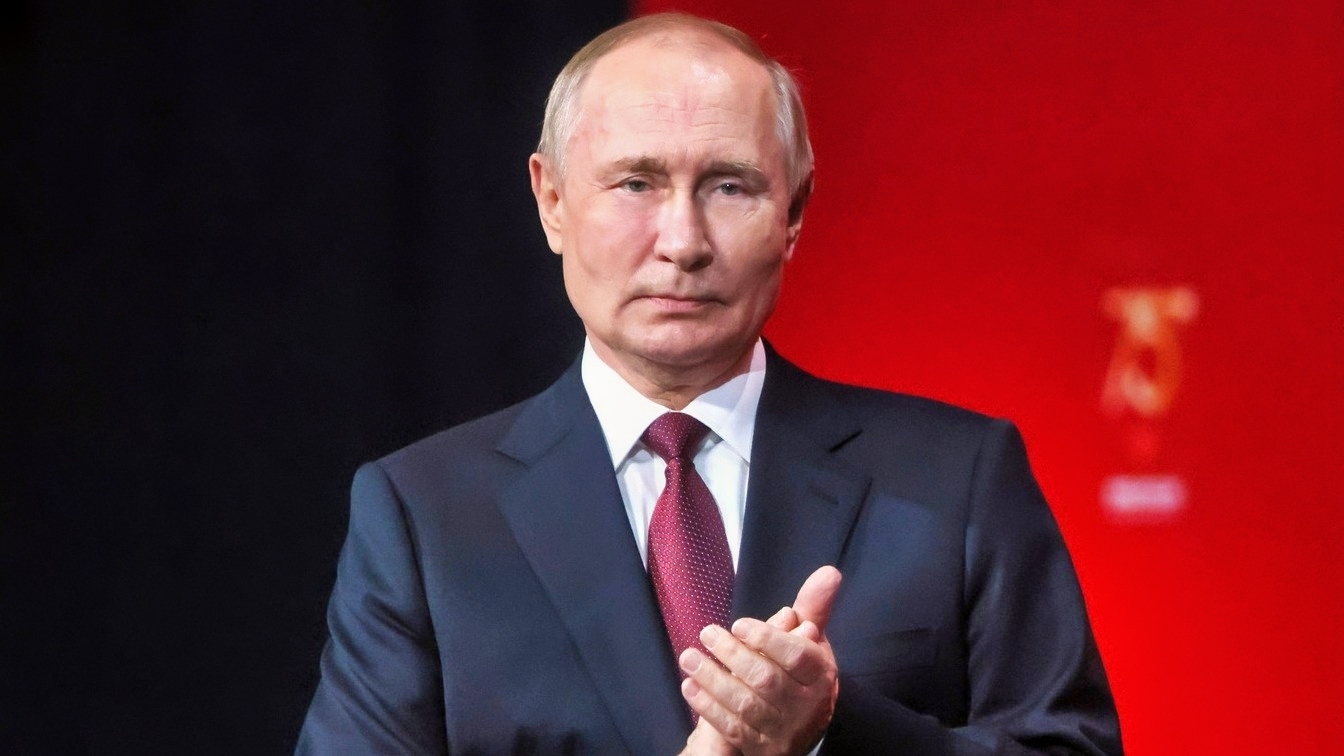
Putin at a Conference 2026. Kremlin Handout Photo.
This strategy worked well for the first four years of the war.
However, recently, that stability, which has been so vital to the Kremlin, is slipping away, and the consequences of the war are now very noticeable to the average civilian.
Russians are beginning to vent their frustrations with the Kremlin for the ongoing fuel shortages and for Putin’s handling of the war in general. According to internal polling, Putin’s popularity has declined by almost 10% since this time last year (granted, internal polling in Russia isn’t indicative of anything concrete, but discontentment toward the Kremlin has undoubtedly been rising).
Too Early to Celebrate
That being said, it’s still far too early to declare victory. If history is anything to go by, it will take a lot more than gas shortages before the Kremlin finally capitulates in the war in Ukraine. The Russians spent decades enduring the brutal Soviet dictatorship and the accompanying food shortages.
It is important to remember that Russia is still a dictatorship. The Kremlin can allow its people to suffer for a bit as long as it still retains the power to rule through fear. Popular discontent alone will not be enough to overthrow Putin (even if it were, it is unlikely that Russians are anywhere near discontented enough to overthrow the regime); what really matters is who controls the military, and right now, Moscow still has firm control over its armed forces.
While Ukraine’s recent drone campaigns have brought the war to Russia’s population, the strikes have yet to translate into any operational or even tactical success. The Russians are still advancing along the front line.
Despite some local counterattacks by Ukrainians, key cities like Kostiantynivka remain on the verge of falling, and Ukrainians have yet to dislodge the Russians from their positions. Furthermore, the Ukrainians have not stopped Russian attacks against their own fuel and energy infrastructure, which has caused much greater disruption to Kyiv than to Moscow.
The point is that the war is not going to end any time soon. While the Russians may still hold the overall advantage, recent strikes against Moscow have begun to crack the Kremlin’s hold.
About the Author: Isaac Seitz
Isaac Seitz, a Defense Columnist, graduated from Patrick Henry College’s Strategic Intelligence and National Security program. He has also studied Russian at Middlebury Language Schools and has worked as an intelligence Analyst in the private sector.


