


One problem with negotiations between Iran and the United States is rhetoric.
It seems that President Donald Trump cannot keep his threatening words under control as his frustrations mount during the war against Iran.
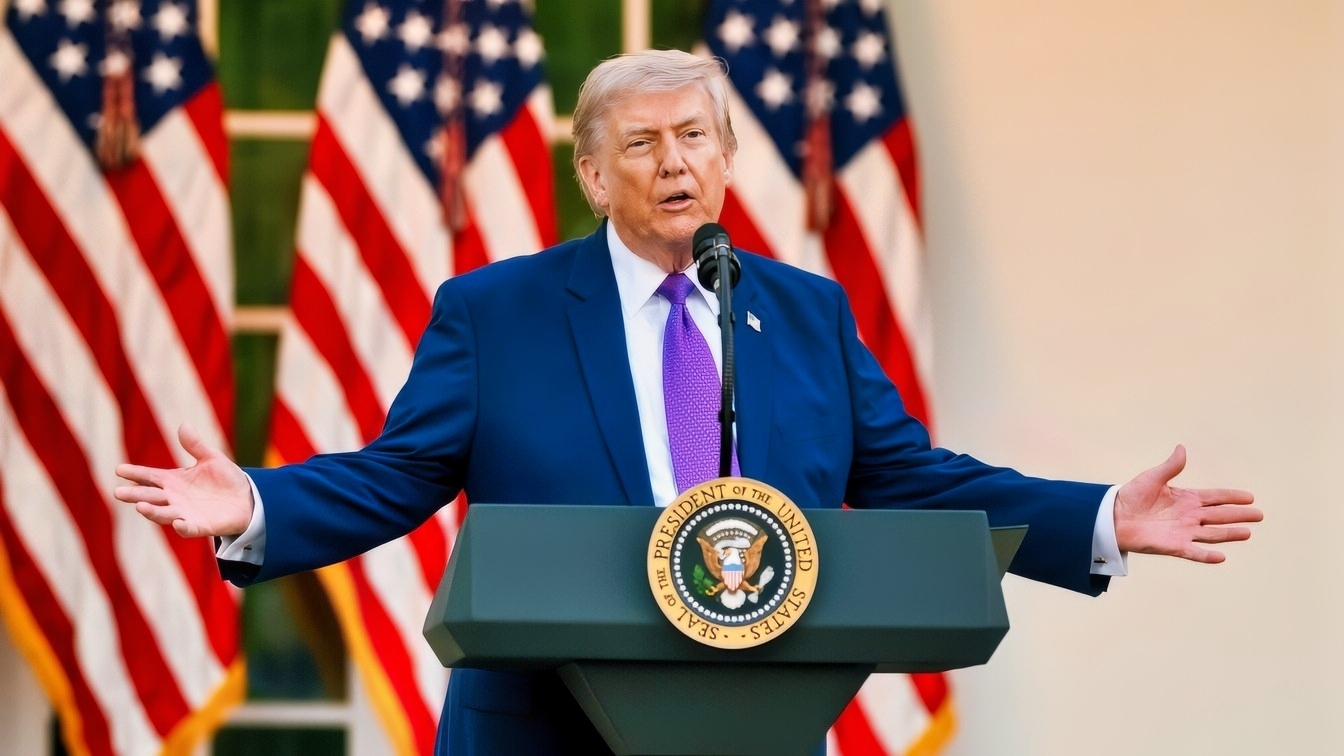
President Donald J. Trump hosts a Rose Garden Club dinner in honor of Police Week in the White House Rose Garden, Monday, May 11, 2026. (Official White House Photo by Molly Riley)
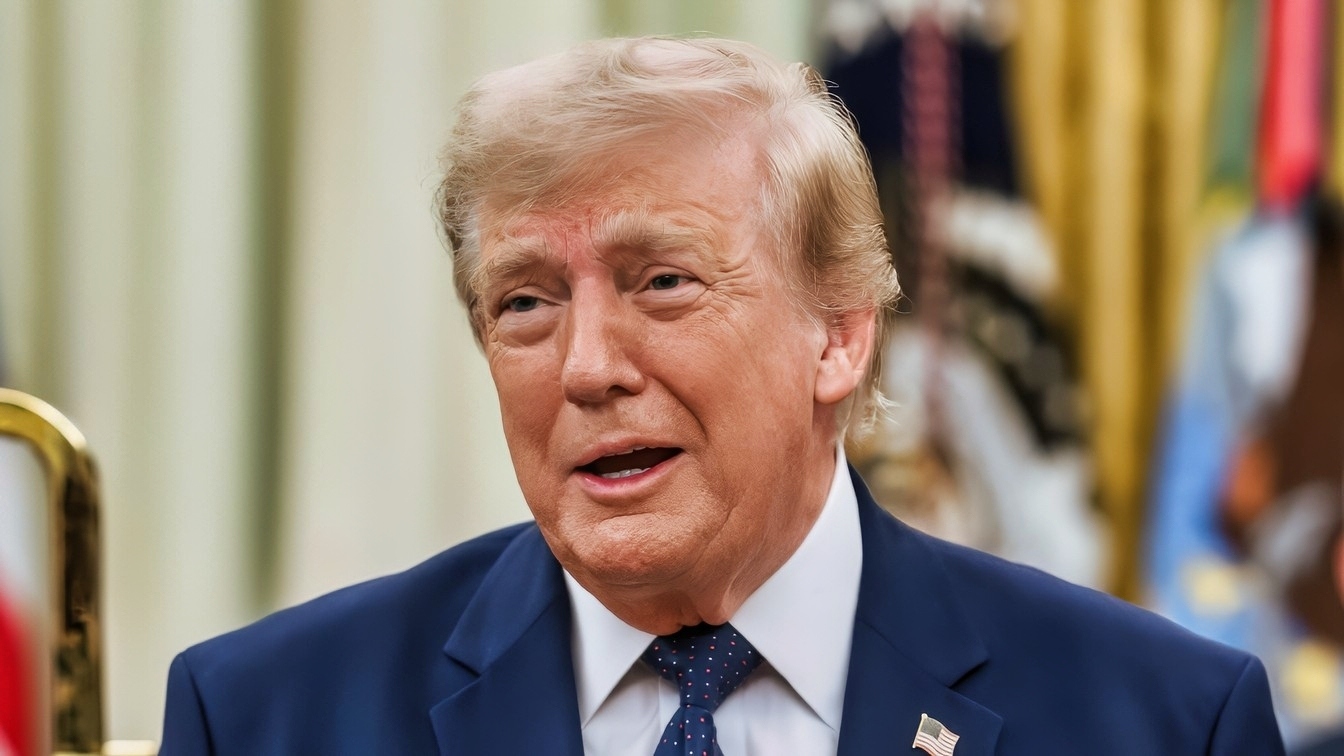
President Donald J. Trump rings the opening bell for the New York Stock Exchange and the Nasdaq during an event to launch Trump Accounts, Monday, July 6, 2026, in the Oval Office. (Official White House Photo by Joyce N. Boghosian)
Now he is talking about “decapitating” Tehran without fully explaining what he means.
Here We Go Again
The situation in the war involves a predictable pattern.
The Americans conduct a night of airstrikes.
Iran then responds with its own attacks in locations where the United States has bases and personnel.
Trump says something provocative and implies that talks will not continue or that negotiations are still taking place.
Then the cycle repeats itself with more threats from Iran and attacks by the United States, followed by another round of missiles and drones fired by Iran’s Islamic Revolutionary Guard Corps (IRGC).
If that sounds sordid and confusing, then join the club.
It’s a Broken Record
When will this cycle end? There doesn’t seem to be a diplomatic strategy for this war to conclude. Over the last weekend, Trump stopped strikes on Iran and said that now is the “last chance” for negotiations. We have heard this many times before.
“I want to give them every last chance before decapitation,” Trump said.
What is the definition of decapitation? Is Trump considering attacks on Iranian civilians? That would make the war even more destructive and tragic.
Endless Stops and Starts
On August 4, Trump again said that there would be a deal to reopen the Strait of Hormuz, but there are no guarantees that the strategic waterway will be fully open for business.
The mercurial president also wants the full “denuclearization of Iran.” The United States, Israel, and European allies have demanded Tehran give up its military nuclear program for years, and we don’t seem to be much closer to this non-proliferation objective.
So there are numerous moving targets that the United States cannot fully eliminate or solve: the Strait reopening, Iran giving up its pursuit of a nuclear weapon, stopping the defiance of the IRGC, ending the hatred of Israel, supporting terrorist groups in the region, and determining who is really leading the country.
Will ‘Armed Diplomacy’ Ever Work?
It will be extremely difficult to find answers and accomplish all of these objectives in a matter of weeks with military power alone.
That is why Trump and his national security team are pursuing a strategy of armed diplomacy. Every time there are difficulties on the diplomatic front, Trump decides to order strikes.
Then he curses out the Iranians for not behaving the way he wants as missiles explode around the country.
Hardliners in Tehran vow to keep the strait closed, and maritime traffic grinds to a halt.
Now Trump said the next round of U.S. strikes would be the biggest since World War II, but U.S. allies in the region wanted them postponed until more negotiations could be carried out.
“It was going to come last night, and it would have gone on for a long time, and there’d be essentially very little left. There’d be nothing left. And, if I’m given a chance to let a lot of people live, I want to give that chance,” Trump said.
The U.S. Military Asks For New Ideas
The United States is running out of military targets that it can eliminate in Iran. U.S. Central Command has even asked its personnel for new ideas that it could bring to bear against Iran as options dwindle.
“‘We are looking for new creative and unconventional ways to pressure and punish Iran,’ an officer in US Central Command’s intelligence branch wrote in a message … to a broad group of military analysts, according to a source familiar with the message. A second source also said that a senior US military officer sent the message last week soliciting new ideas for how to deal with Iran,” according to CNN.
This lack of strategic foresight and prior planning for a long campaign is an embarrassment for Trump. The U.S. military does not seem to know what to do next.
The options are limited and are not politically expedient in a war that many Americans see as unnecessary.
Trump can only hope that his negotiation team can come up with a deal that is palatable to the cagey Iranians who continue to press on despite devastating military strikes and inflamed threats from Trump.
No More Americans Can Be Killed
The Americans do not want to use boots on the ground. If that happened, Trump would suffer politically.
The midterm elections are coming up, and if this war sees soldiers and Marines fighting in Iran, Trump could see his party take it on the chin and lose both chambers of Congress.
Military strikes on civilians are out.
No one wants to see death and destruction against ordinary Iranians. A raid by special operations forces to eliminate Iran’s ability to make a nuclear device is seen as too risky.
There could be casualties during a Delta Force or SEAL Team Six mission to apprehend enriched uranium and fissile material. This operation would be extremely difficult and costly with no guarantee of success.
Iran Can Wait It Out
Iran knows that it can continue to escalate the situation with its own missile and drone strikes. Then make sure the Strait of Hormuz stays closed.
They can give the impression that talks can continue.
This could happen for several more months.
Iran is gambling that a Democratic takeover of Congress would force the president to adhere more closely to the War Powers Resolution and make him end his war of choice against Iran.
Trump should wait for real diplomatic progress before using insulting rhetoric that reveals his emotions on any given day.
The pattern of threats, attacks, talk of negotiations, and then more strikes is not working.
The military does not appear to know what to do next and is searching for answers from anyone who is serving.
That is not a recipe for a successful military operation, and Iran knows that it can continue to frustrate the Americans until a new party is in charge of Congress.
About the Author: Brent M. Eastwood, PhD
Brent M. Eastwood, PhD, is the author of Don’t Turn Your Back On the World: A Conservative Foreign Policy and Humans, Machines, and Data: Future Trends in Warfare, plus two other books. Brent was the founder and CEO of a tech firm that predicted world events using artificial intelligence. He served as a legislative fellow for US Senator Tim Scott and advised the senator on defense and foreign policy issues. He has taught at American University, George Washington University, and George Mason University. Brent is a former US Army Infantry officer. He can be followed on X @BMEastwood.


