

A new mortifying study by the Center for Strategic and International Studies (CSIS) shows how the United States military has blown through “virtually all” of its long-range precision missiles in the Iran War, leaving a critical strategic gap that the Americans are unlikely to overcome anytime soon.
This depletion is the result of the demanding war in Iran.

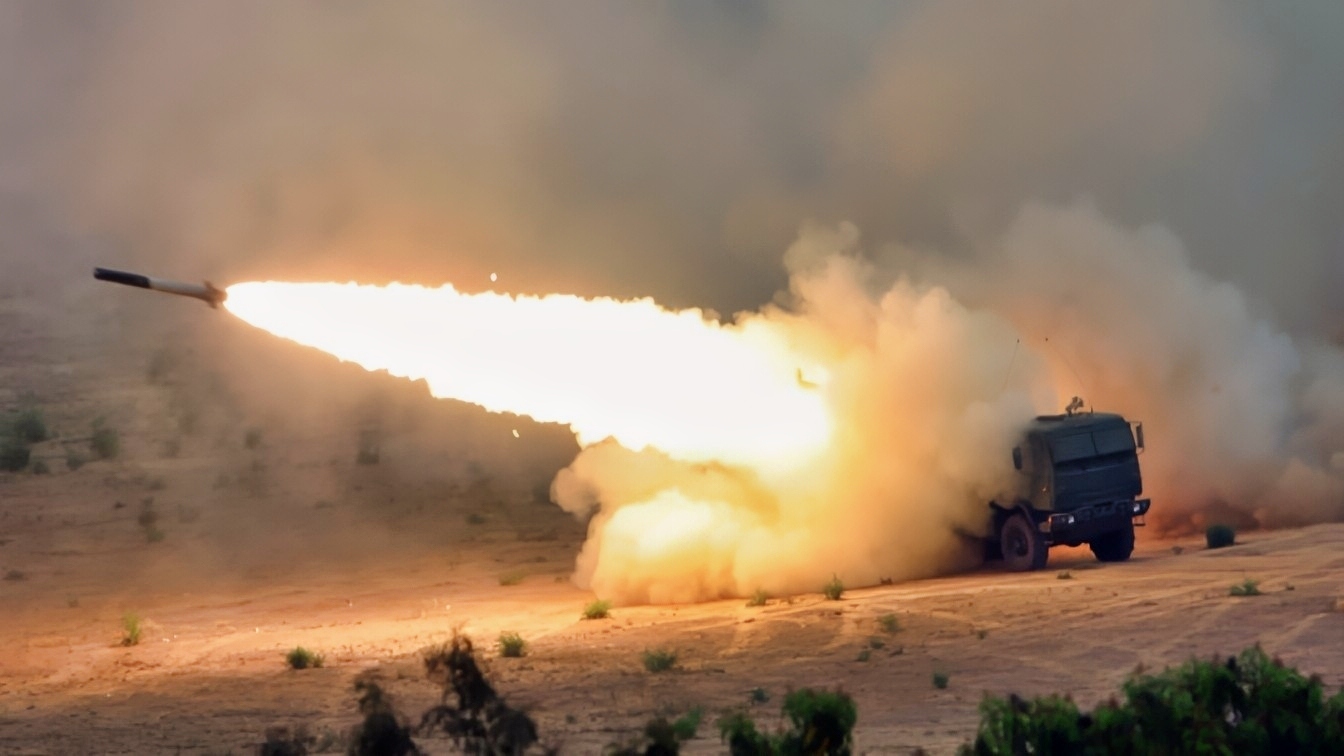
Tomahawk Launch. Image Credit: Creative Commons.
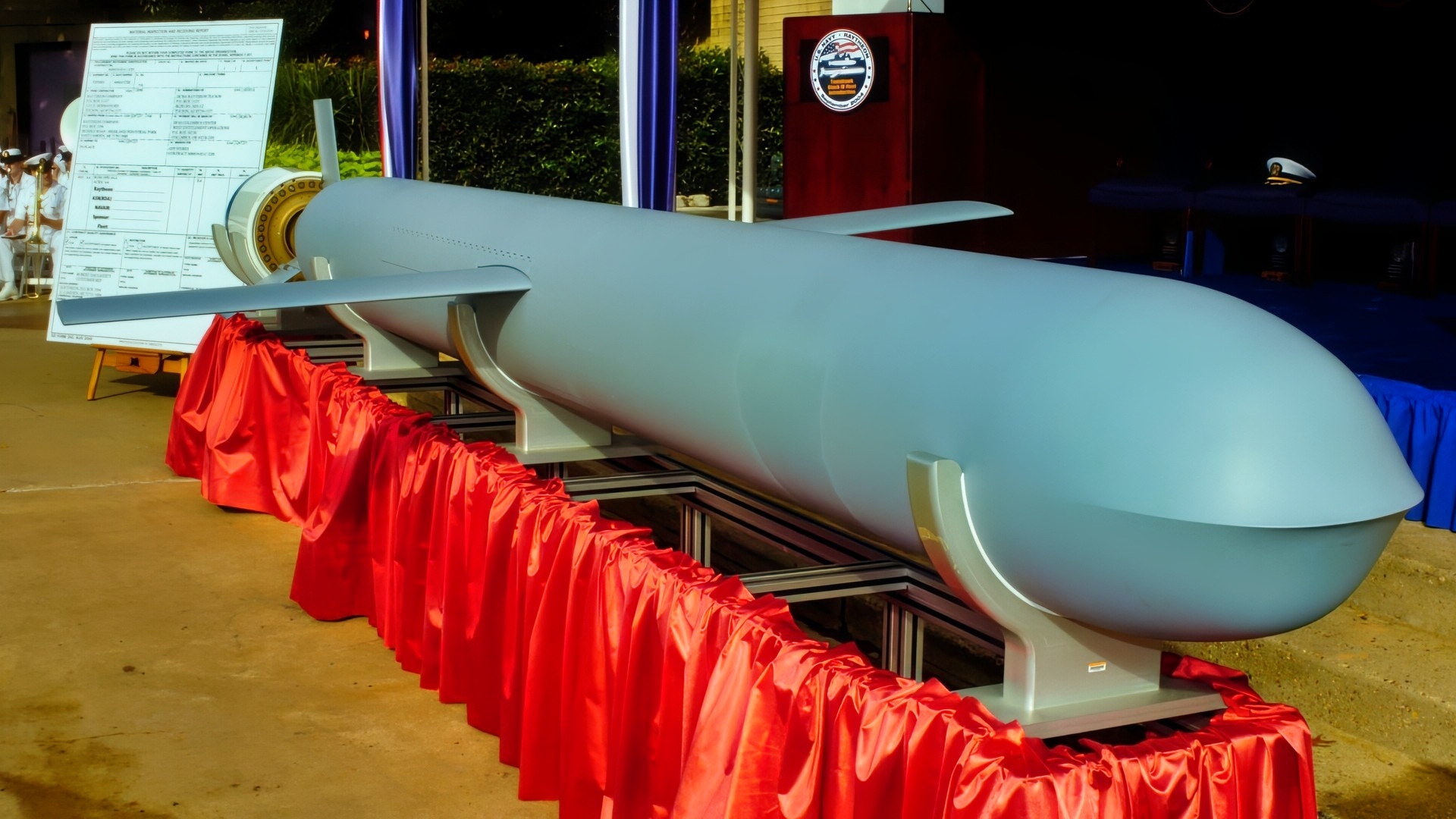
Tomahawk Block IV Missile. Image Credit: Creative Commons.
But it is part of a much larger, systemic failure of the US defense industrial base that has been ongoing for decades.
Essentially, the United States deindustrialized, and then it deactivated many of its key capabilities following the Cold War.
The US cannot now catch up due to increasing demand for complex, expensive, and finite weapons.
Draining Key Stockpiles
Some are speculating that the reason the Trump administration has decided against doing the threatened “Military Terror” campaign against the Islamic Republic of Iran was really that the Pentagon was screaming about the rapidly depleting stockpiles of key munitions.
Indeed, the head of European Command (EUCOM) said the United States Navy lacked the platforms to provide air and missile defense for Israel adequately anymore.
If Washington wanted to continue that mission set, it would have to forgo defending the US homeland.
Reports indicate that “virtually all” Army Tactical Missile Systems (ATACMS) and Precision Strike Missiles (PrSM) have been depleted.
The ATACMS have also been instrumental in Ukraine, which likely explains why Ukraine has been begging for more aid from Washington (and hasn’t been getting what they asked for): the US was prioritizing those remaining systems for the Mideast mission.
ATACMS have a range of roughly 300 kilometers and have been one of the Army’s main long-range strike weapons for decades.
Meanwhile, the PrSM replaces the ATACMS and offers a wider range and improved accuracy. PrSMs were meant for any contingency involving China.
What’s more, the Army had only recently started fielding PrSM.
Reuters reports that most of that early inventory of PrSMs has been drained.
So, the United States is basically cannibalizing weapons specifically meant for a potential war with China–America’s greatest strategic foe today–in what was clearly meant to be a short-duration air war against the Islamic Republic of Iran.
Despite the best efforts of US CENTCOM logistics experts, reporting suggests that CENTCOM has expended its theater stockpile of missiles in the war.
Thus, the CENTCOM arsenals are being replenished not by newly built systems.
But the Pentagon is cannibalizing its arsenals elsewhere in the world (especially INDOPACOM) to sustain the high tempo of operations against the Islamic Republic.
Although the United States still has a relatively large number of Tomahawk cruise missiles in its inventory, the US war in the Middle East has blown through nearly half of its Tomahawk cruise missile arsenal in just six months of war.
Replenishing these systems will not be straightforward.
That’s because there are systemic bottlenecks in the supply chain for the key components of the Tomahawk.
In other words, there will be a lag between when those systems are spent and when they can be replaced. And that lag will be significant, deeply impacting the US ability to conduct major combat operations against Iran.
Tomahawk is one of the most important weapons in the US arsenal.
They serve as the Navy’s long-range and land-attack cruise missiles. These weapons can be launched from either destroyers or submarines.
Tomahawk can hit targets more than 1,000 miles away. Because of their ubiquity, they are invaluable to the United States military.
By consuming nearly half of the inventory in just under six months, US military operations globally will be negatively impacted for many years.
No More Defense Interceptors?
CSIS highlights the most disconcerting part of America’s stockpile crisis.
Those are the air defense missiles. Patriot interceptors declined from around 2,200 at the start of the war to just 827.
Meanwhile, the Terminal High-Altitude Area Defense (THAAD) interceptor arsenal depleted from 452 to about 278.
Those systems are key for defending US bases, allies, carrier logistics hubs, and other critical infrastructure in the region. Interceptors can be used only once.
So, every incoming ballistic missile requires one or more interceptors.
That’s why a prolonged missile campaign becomes an industrial contest as much as a military one.
To be fair to the US military, there are numerous reports that several of the military chiefs have given the White House and the civilian leadership at the Pentagon repeated warnings about the depleting arsenal.
The current Chairman of the Joint Chiefs of Staff, US Air Force Gen. Dan Caine, has raised the issue repeatedly since the start of the war on February 28. His repeated warnings have been clearly brushed aside.
Implications
The strategic implications are clear, though.
Not only has the depletion of our key stockpiles clearly influenced current strategy in the Iran War, but the Pentagon is now rationing key systems.
That’s happening at a time when the Ukraine War is escalating, and there remain concerns that something may soon kick off with China in the Far East.
What’s more, the defense industrial base is clearly broken.
As time progresses and depletion rates rise, the White House will find its options for military contingencies increasingly constrained.
About the Author: Brandon J. Weichert
Brandon J. Weichert is Senior National Security Editor. He also manages The Weichert Brief on Substack. Weichert also hosts “National Security Talk” on Rumble. He is the author of four bestselling national security books, the most recent of which is A Disaster of Our Own Making: How the West Lost Ukraine (Encounter Books). Follow him via Twitter/X @WeTheBrandon.


