
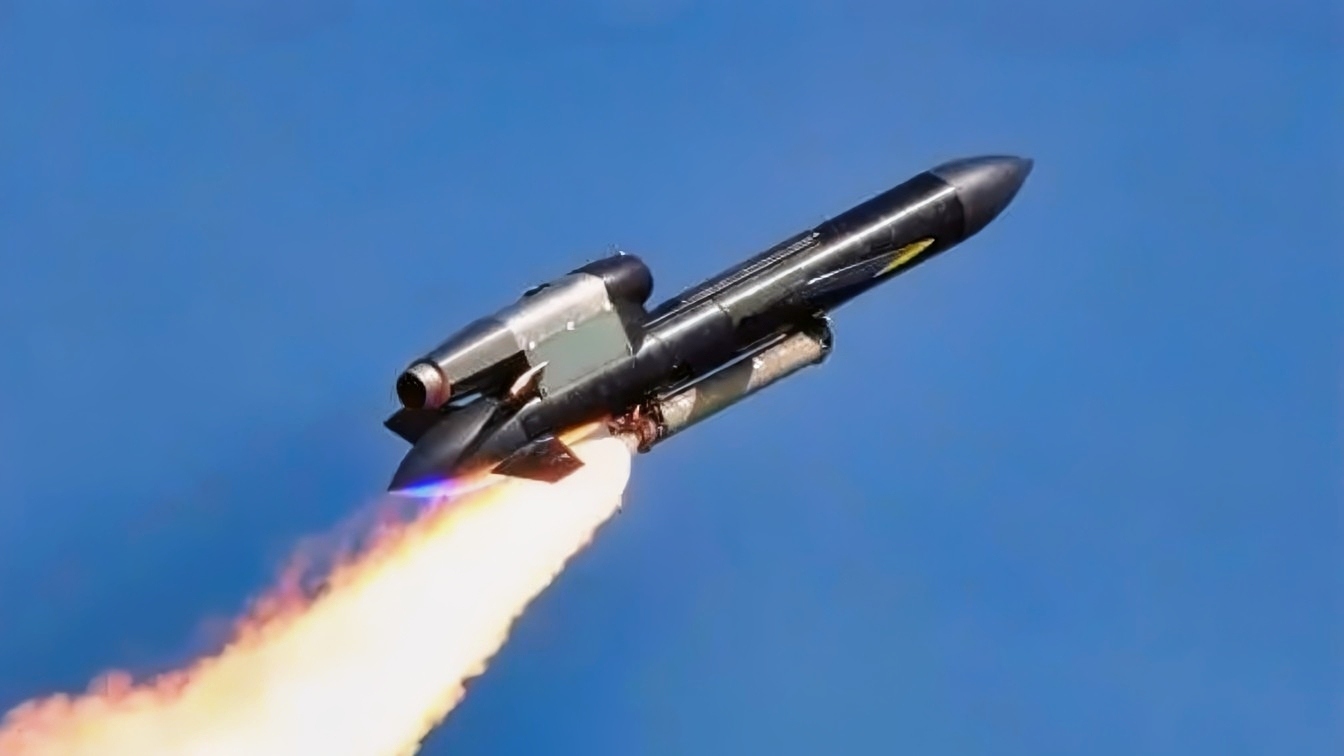
Ukraine Strikes Major Oil Refinery – Ukraine’s long-range drone and missile strike campaign hit a major Russian oil refinery overnight into Saturday, August 22. For the first time, the Ukrainian strikes also hit a logistics center belonging to Russian online retail giant Ozon.
The attacks are part of a months-long campaign by Ukraine to raise the cost of sustaining the war and impact Russian military infrastructure and logistics. The overnight attacks killed at least 10 people across Russia and Russian-controlled areas of Ukraine, according to regional authorities. Moscow claimed that its forces intercepted 457 Ukrainian drones overnight, while Kyiv said its strikes were designed to continue putting pressure on Russian fuel and logistics networks that support the war.
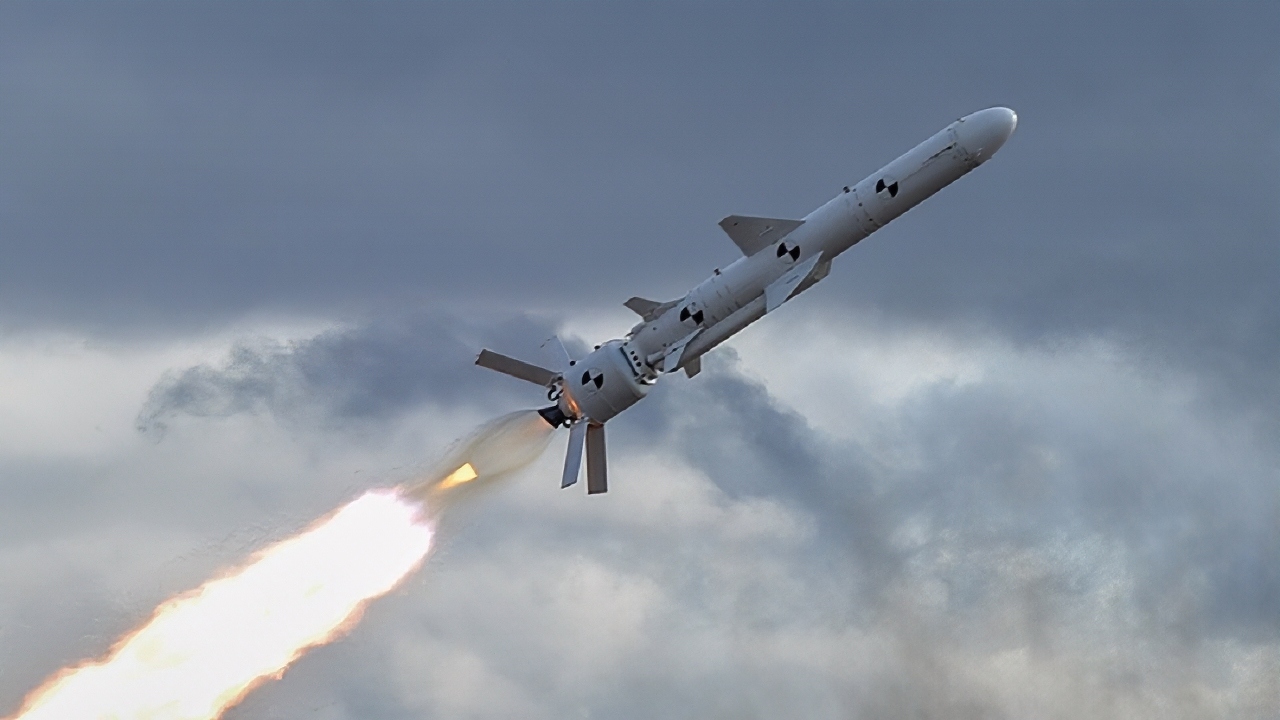
Neptune Missile. Image Credit: Creative Commons.
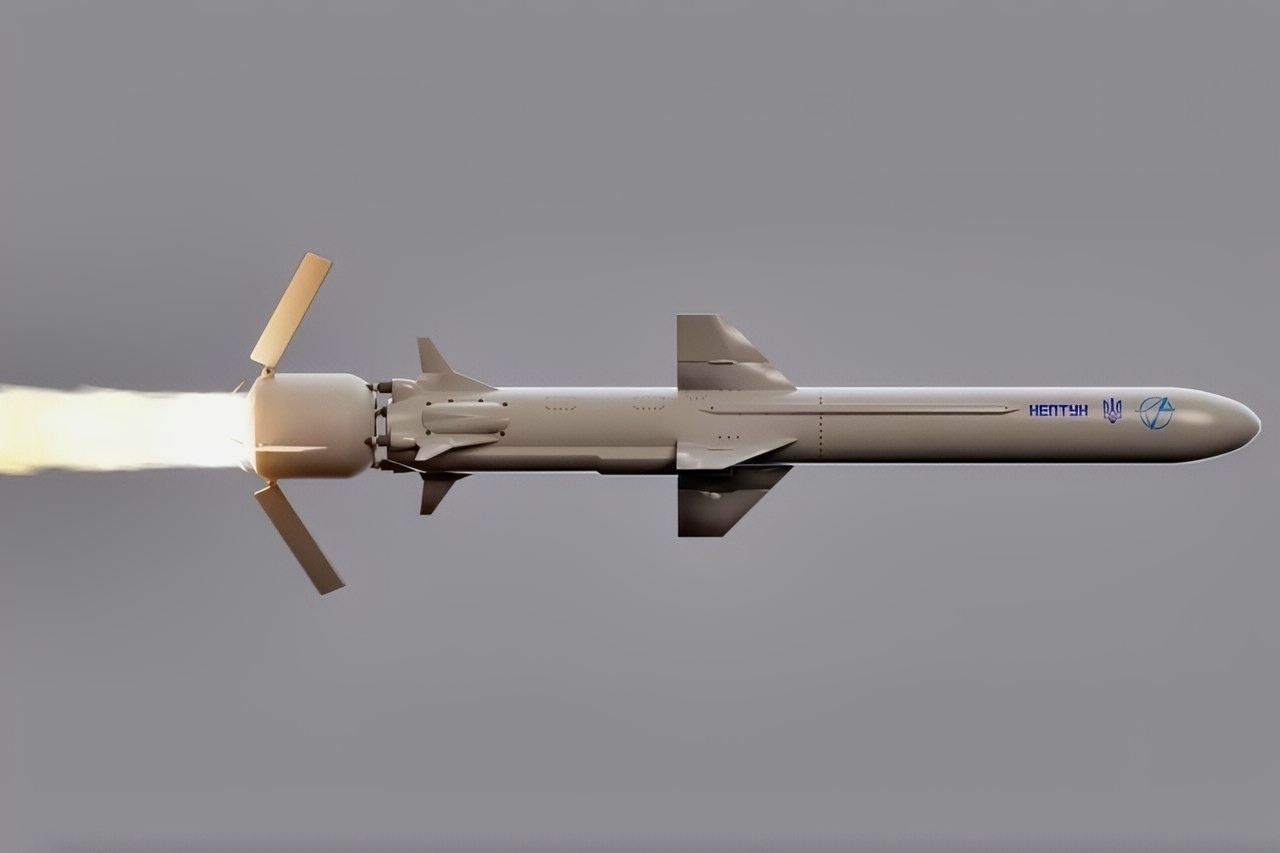
Neptune Missile. Image Credit: Government of Ukraine.
While striking online retailers carries economic consequences for Russia, raising the cost of continuing the war, it also has a military purpose. Kyiv has accused Wildberries and Russian e-commerce giants of moving dual-use equipment that is also being sent to the Russian frontlines.
Russia also continued to strike Ukrainian cities overnight, killing at least seven people on Saturday after a shocking attack on a shopping center in Kryvyi Rih killed 16 people a day earlier.
Ukraine Strikes Major Samara Oil Refinery
One of Ukraine’s most important targets overnight was the Novokuibyshevsk oil refinery in Russia’s Samara region, roughly 600 miles from the front line. Ukraine’s military said the refinery was successfully struck and that a fire broke out at the facility. Samara Governor Vyacheslav Fedorishchev acknowledged damage to industrial facilities in Novokuibyshevsk and also said an elderly woman was killed during the attack.
Ukraine’s homegrown defense company Fire Point also confirmed that FP-1 long-range drones were used in the strike against both the refinery and the nearby Ozon logistics hub.
The FP-1 has become one of the most important weapons in Ukraine’s campaign against targets hundreds of miles inside Russia.
The Rosneft-owned refinery has a primary distillation capacity of around 8.8 million metric tons of crude oil annually, according to Rosneft, and produces products including jet fuel and motor fuels.
The strike poses more problems for Russia, which is already grappling with fuel shortages and disruptions to its export industry. The problem has only worsened, is currently being mitigated through export bans and redistribution measures, and shows no sign of improving without Ukraine ceasing its long-range strike campaign.
Ozon Hit for the First Time
The strikes also saw Ukraine expand its campaign against Wildberries logistics hubs to include some of its competitors. This is the first time Ukraine’s campaign has hit an Ozon-owned logistics center. The company is Russia’s second-largest online retailer, and saw its facilities in Chapayevsk in the Samara region hit overnight. The company said that a fire broke out and more than 500 employees were evacuated within minutes.
Several people were injured, and operations at the warehouse have been suspended indefinitely.
Ozon said goods stored at the facility were removed from its online marketplace, orders being processed there would be canceled and customers refunded, while deliveries from sellers to the warehouse were also temporarily suspended.
The strike, the first instance of a Wildberries competitor being struck after weeks of similar strikes, could suggest that Ukraine will now expand its targets and strike more logistics centers of other online retailers.
Russia’s Warehouse Network Under Pressure
Since late July, Ukrainian drones and missiles have repeatedly struck Wildberries distribution centers across Russia. Ukraine says seven of Wildberries’ 10 largest logistics centers have now been knocked out of operation, and reports suggest at least 20 sites have been targeted as of early August.
More than one million square meters of warehouse space have been destroyed, creating substantial disruption for sellers and deliveries and impacting Russia’s fragile wartime economy. The problem is particularly significant for Russia, given the increased role online retailers play in the wake of the war.
The attacks have now become sufficiently disruptive that Russian President Vladimir Putin has ordered his government to help rebuild warehouses that have been damaged or destroyed by Ukrainian strikes. Putin acknowledged that the attacks were causing economic damage, but insisted they would not produce the kind of “critical consequences” Ukraine hopes for. He did not, however, explain how he believes Russia will endure the continued strikes.
“Of course, there are no critical consequences from such attacks — there have not been any, and there cannot be any,” Putin said. “But they are certainly harming us — that’s obvious. We understand it, we see it, and we know it.”
Ukraine’s growing campaign against Russian infrastructure continues even as Russia poses a fatal threat to its Ukrainian infrastructure owing to Kyiv’s shortage of interceptors capable of destroying incoming ballistic missiles.
And it is putting pressure on Russia in several ways. Now, though, Putin is warning that Ukraine has opened “Pandora’s box” and this weekend issued an ominous threat to respond with new measures against Ukrainian economic targets.
About the Author: Jack Buckby
Jack Buckby is a British researcher and analyst specializing in defense and national security, based in New York. His work focuses on military capability, procurement, and strategic competition, producing and editing analysis for policy and defense audiences. He brings extensive editorial experience, with a career output spanning over 1,000 articles at 19FortyFive and National Security Journal, and has previously authored books and papers on extremism and deradicalization.


