
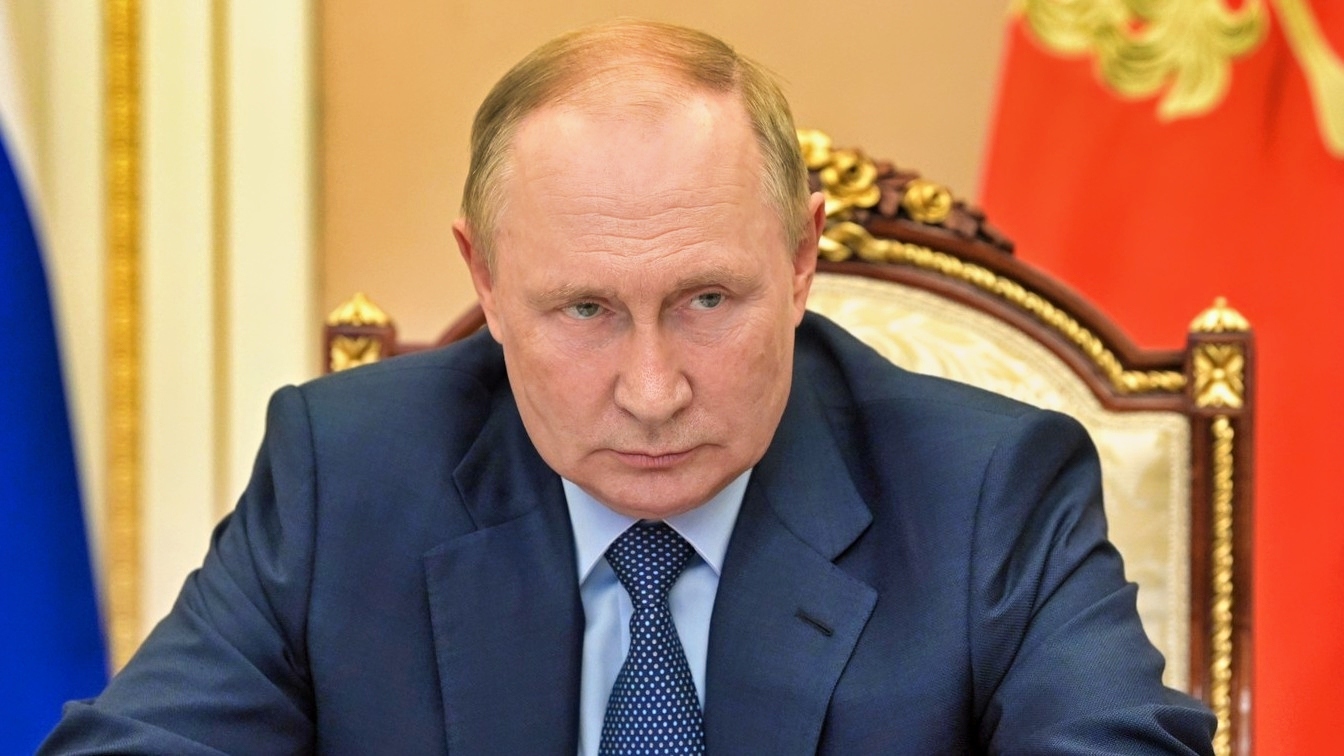
Russia’s full-scale invasion of Ukraine is costing a lot of money and now looks like a historic mistake.
Now well into its fifth year, the war – which many believed would be over in days – has seen tremendous Russian losses for incremental gains across Ukraine’s east.
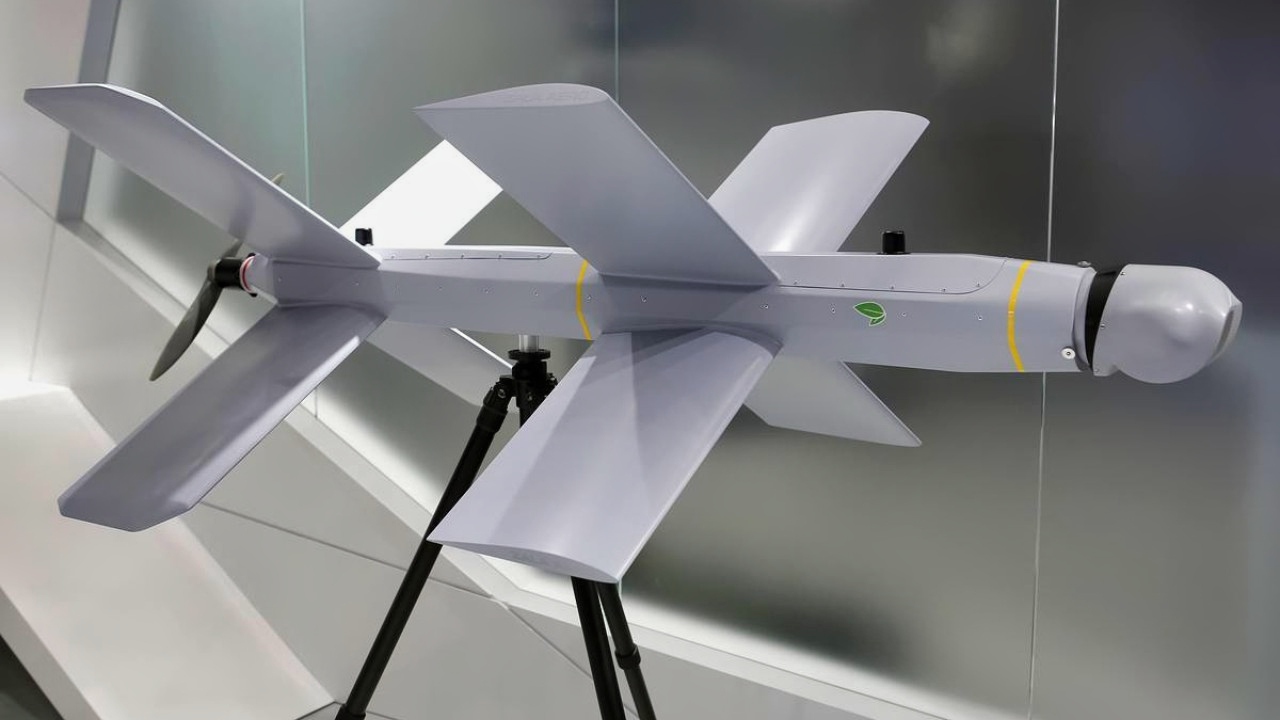
Lancet Drone. Image Credit: Russian State Media.
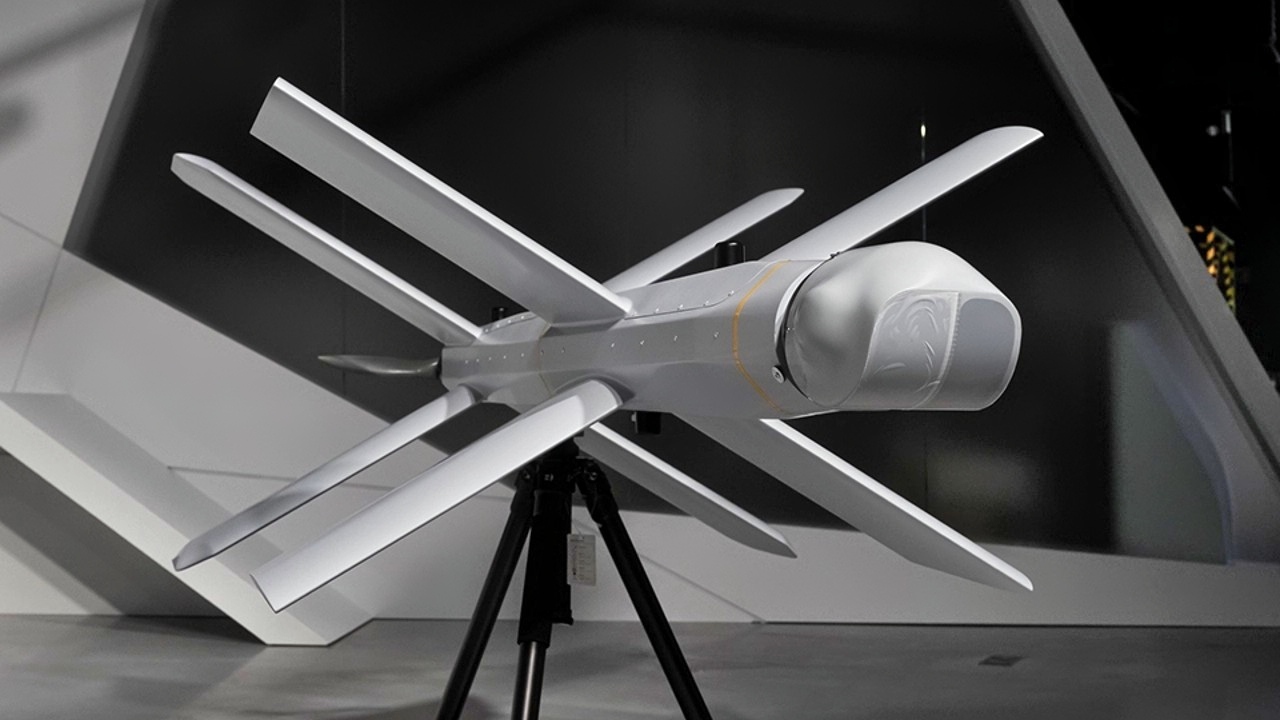
Lancet Drone from Russia. Image Credit: Creative Commons.
There’s no end in sight, either, as Russian forces struggle to break through a 1000km frontline.
The effect on Russia’s economy has long been showing.
The Cost of War
To state the obvious, wars cost a lot of money. Soldiers need to be paid, ammunition needs to be manufactured, and drones need replacing.
Active conflict, even for countries where defense is an industry rather than an evil necessity, spirals costs for any warring nation.
Russia’s losses in Ukraine have been large-scale, forcing a constant recruitment drive and mass production of military resources.
In Russia itself, critical infrastructure has been targeted by nightly Ukrainian drone attacks, disrupting both supply lines and Russia’s ability to sell energy to the few nations who continue to trade with it.
Ongoing economic sanctions, in place since February 2022, also limit Russian companies’ ability to grow internationally, reducing their income and the Kremlin’s tax revenue.
Moscow’s Debt is Spiraling
Sources close to the government told Bloomberg that the Kremlin was forced to impose restrictive spending measures after a liquidity crisis earlier this year.
Finance Minister Anton Siluanov reportedly warned Prime Minister Mikhail Mishustin that the country would be unable to make necessary payments on time due to a major cash shortfall.
This led to a federal budget shortfall of 5.5 trillion rubles ($65.3 billion).
The overall federal deficit for the first four months of the year reached almost 6 trillion rubles – equivalent to 2.5% of Russia’s GDP and twice the level recorded over the same period one year prior.
To cover the shortfalls, Moscow has been raiding its National Wellbeing Fund, which has supported various parts of the Russian economy throughout the war.
Russia has also sold gold reserves, with its holdings at their lowest level since the start of the decade.
The government is also making cuts. Austerity measures have reduced non-war-related spending by up to 35%, while individual agencies are bracing for staffing cuts of 15% and a ban on all non-essential expenditure.
Military Spending Exempt
The one area where President Vladimir Putin has refused to make any concessions is military expenditure.
At a meeting with Russian state deputies in July, Putin declared that “strengthening the country’s defense” would be a priority for the next three years in a speech which was largely critical of the “Russophobic” West. “Our political system and institutions of power are formed on sovereign principles in full compliance with the Constitution of the Russian Federation and are ready to defend the country, capable, together with society, of decisively repelling any hostile steps,” Putin added, while also expressing a need to address “urgent social issues” as part of the forthcoming budget.
Military spending across 2026 is already projected to exceed the budget, with an additional 4-5 trillion rubles required on top of the 12.9 trillion previously earmarked.
The cost of war is also rising, with Moscow reportedly spending about 30% more on defense in the first quarter of 2026 than in the previous year.
Is Russia Bankrupt?
Russia is not bankrupt in the sense that it cannot meet all its obligations.
The Kremlin can still rely on traditional measures to boost funds, such as raising taxes, cutting civilian spending, or issuing more debt, as well as the aforementioned approaches such as austerity, reallocating finances, or selling reserves.
Instead, it faces a liquidity problem. Effectively, Russia has a major cash shortage.
The war effort itself is unlikely to be hampered by this ongoing problem.
Putin can easily reallocate funds from civilian programs, and the state has considerable control over banks and large corporations if it needs a few extra rubles.
Russian government debt is also relatively low compared to other nations, and so the Kremlin can afford to borrow more.
However, even in an authoritarian state, economic problems do not bode well with the masses.
The conflict is already unpopular with Russians who’ve lost loved ones or seen their own everyday costs rise considerably.
A reduction in civilian expenditure is unlikely to increase support for the war among those who rely on it most…
About the Author: Shay Bottomley
Shay Bottomley is a British journalist. He has written for the Western Standard, Business Insider, Maidenhead Advertiser, Slough Express, Windsor Express, Berkshire Live and Southend Echo.