


Russia held parliamentary elections last month, giving President Vladimir Putin’s ruling party a larger majority, though the elections’ legitimacy has been questioned.
According to a BBC analysis by Russia editor Steve Rosenberg, Putin has used the occasion of the election results to double down on Russia’s war in Ukraine.

Tu-22M3 Bomber from Russia. Image Credit: Creative Commons.
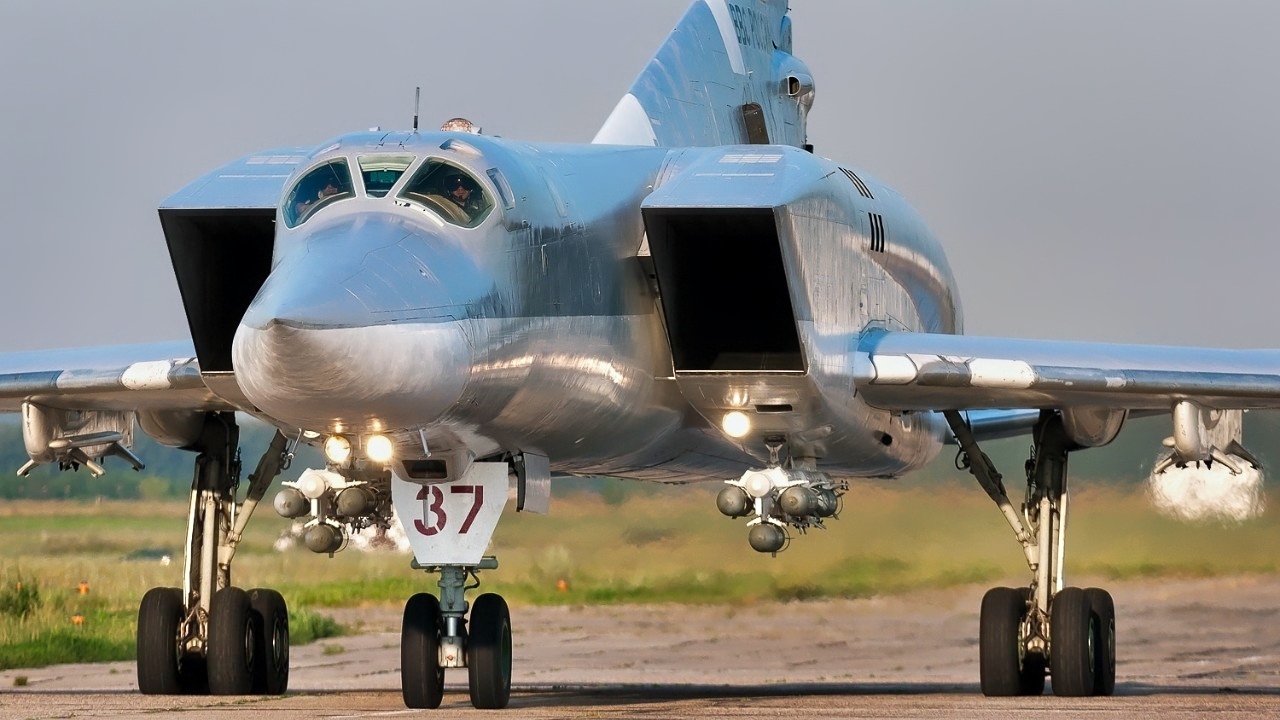
Russia Tu-22M Bomber. Image Credit: Creative Commons.
Citing reports in Russian media, the BBC reports that Russia is “encouraged” by reports that Ukraine is running low on air defense weapons, and that Russia will make advances this winter.
On Thursday, Putin was set to address the Valdai Discussion Club, a foreign policy forum in Moscow.
The Reason for Hybrid Attacks
The BBC also said that Russia is hoping to discourage European countries from continuing to assist Ukraine, and that’s the reason for the “hybrid attacks” of late that European countries blame on Russia.
Rosenberg, the BBC Russia editor, asked Russian Foreign Minister Sergei Lavrov whether Russia is responsible for those attacks.
Lavrov admitted only a campaign to “destroy drones and missiles” that Europe and Britain were using to attack them.
The BBC report said that while it’s unlikely that Russia would launch a full-on war with NATO member states, it’s more likely the Russians’ plan is “freaking out” Europe to encourage them to stop backing Ukraine.
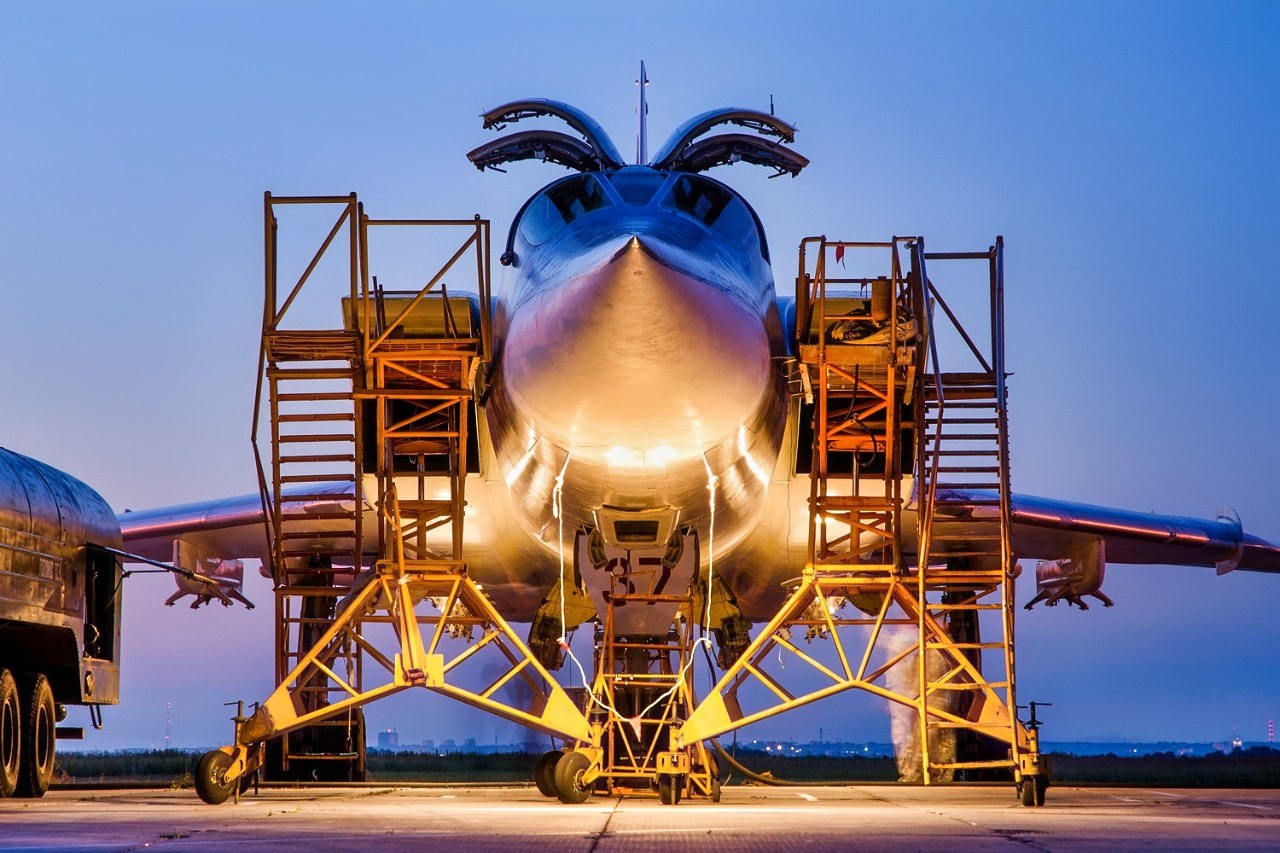
Tu-22M Bomber from Russia. Image Credit: Creative Commons.
However, Sergei Karaganov, the honorary chairman of Russia’s Council for Foreign and Defense Policy, warned Ukraine and its European and American allies: “Sooner or later we’ll feel the need to escalate.”
Nuclear Threats
Karaganov, who has been critical of the Russian government for not being “rough enough” on Ukraine throughout the war, also issued an even scarier warning for the West: this escalation would start out conventionally, but “if Europe does not surrender, unfortunately, we will have to go nuclear.” Against decades of Mutually Assured Destruction theory, Karaganov argued that Europe, Britain and the United States would not retaliate for a nuclear strike that would leave “little left of some European countries.”
Indeed, Russia has been talking much more about nuclear weapons than usual of late.
The Associated Press reported earlier this week that multiple Russian embassies have warned NATO that Russia has a willingness to, in the words of its embassy in Ireland, “ use all its arsenal, including nuclear weapons, to defend its territory,’ in the event that NATO attempts to isolate the Kaliningrad region.
NATO has made it clear in subsequent statements that it is a defensive alliance and has no intention of planning any such operations.
According to Newsweek, the Kaliningrad “threat” seems to have a surprising origin: A British TV series.
The report said Sky TV recently broadcast a miniseries called The Wargame, which depicted a fictitious Russian attack on the U.K., after which one option was a military operation in Kaliningrad.
The Russian embassy in the U.K. responded that “those advocating plans to blockade or strike Kaliningrad should have no illusions about the consequences.”
Russian official Yulia Zhdanova, per Newsweek, had accused NATO countries of “testing specific scenarios for blockading” Kaliningrad.
A Questionable Election
While Putin is now enjoying a larger parliamentary majority and can plausibly claim a new mandate for his Ukraine war policy, serious questions have been raised about how legitimate that election actually was.
According to the Kyiv Post, the Parliamentary Assembly of the Council of Europe (PACE) adopted a resolution on September 30 deeming the newly elected State Duma illegitimate. The resolution, calling the election “neither free nor fair,” was passed unanimously.
Yabloko, Russia’s leading liberal and antiwar party, was excluded from participation in the elections. Putin’s party won 355 of the Duma’s 450 seats.
At issue, at least in part, was that the elections included areas of Ukraine that are under Russian occupation. The body also called for greater isolation of Russia’s Central Election Commission (CEC) and others who participated in what it deemed fraudulent elections.
Elections had taken place in occupied Crimea and Sevastopol, as well as Russian-controlled parts of Ukraine. In some areas, officials brought “portable voting booths and ballot boxes” to conduct the elections.
Ukraine’s President Volodymyr Zelensky, the Kyiv Post reported, had instituted his own sanctions on 44 individuals who had participated in the vote in occupied areas of Ukraine.
About the Author: Stephen Silver
Stephen Silver is an award-winning journalist, essayist, and film critic, and contributor to the Philadelphia Inquirer, the Jewish Telegraphic Agency, Broad Street Review, and Splice Today. The co-founder of the Philadelphia Film Critics Circle, Stephen lives in suburban Philadelphia with his wife and two sons. For over a decade, Stephen haswrittend thousands of articles on politics, national security, technology, and the economy. Follow him on X (formerly Twitter) at @StephenSilver, and subscribe to his Substack newsletter.


