
Iran is increasingly striking commercial shipping in the Strait of Hormuz. Just as oil exports were returning to normal levels, Iran has intensified its attacks on the vital waterway. The number of vessels that have left the Persian Gulf has decreased over the past fortnight.
With less than four weeks until the U.S. midterm elections, some wonder whether Tehran’s sudden, heightened enforcement has a political motive.
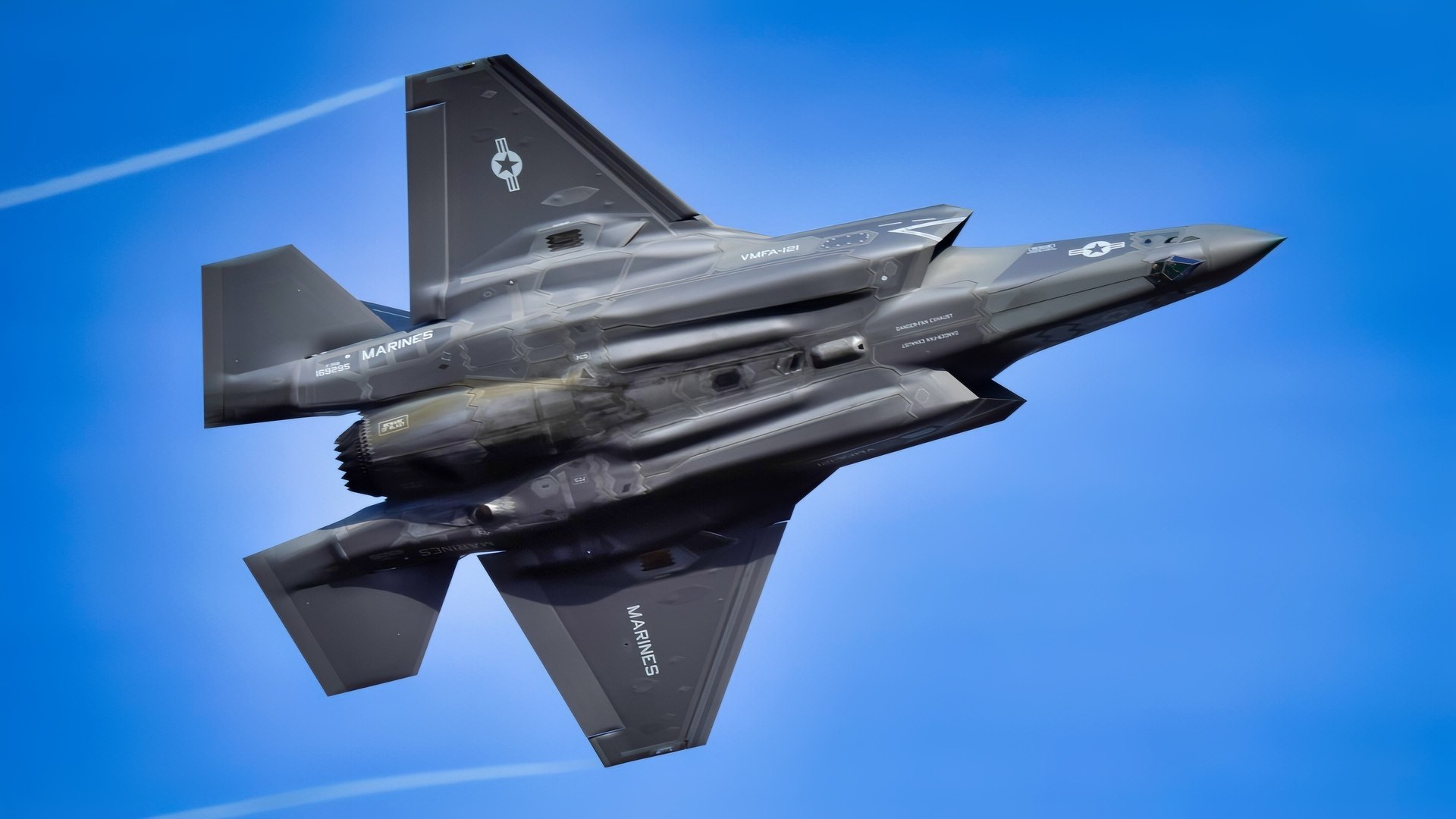
JOINT BASE ELMENDORF-RICHARDSON, Alaska – A U.S. Marine Corps F-35 Lighting II attached to Marine Fighter Attack Squadron 121 from Marine Corps Air Station Iwakuni, Japan, takes off for a training mission during Northern Edge, May 2, 2017. Northern Edge 2017 is Alaska’s premiere joint-training exercise designed to practice operations, techniques, and procedures as well as enhance interoperability among the services. Thousands of participants from all the services; Airmen, Soldiers, Sailors, Marines, and Coast Guard personnel from active duty, Reserve and National Guard units, are involved. (U.S. Navy photo by Mass Communications Specialist 2nd Class Travis Litke/Released)

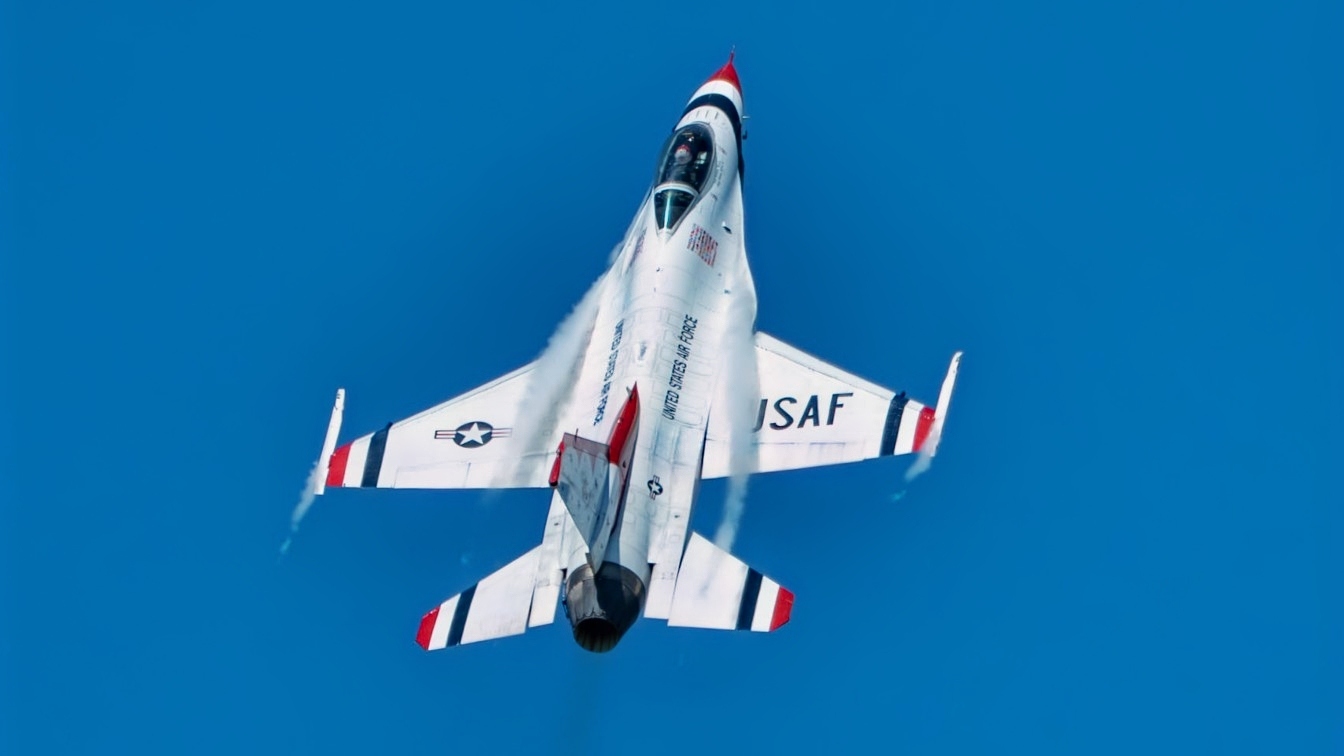
Capt. Kristin “BEO” Wolfe, F-35A Lightning II Demonstration Team pilot and commander, flies during an airshow demonstration practice Mar. 5, 2020, at Hill Air Force Base, Utah. The team will make its first of 20 appearances at the Yuma Air Show, Mar. 13-14, 2020, at Marine Corps Air Station, Yuma, Ariz. (U.S. Air Force photo by Cynthia Griggs)
Strait Control: Iran’s Objective
The Strait of Hormuz – a key waterway that previously saw 20% of the world’s oil exports pass through – has remained closed by Iran ever since the war began at the end of February, with the authoritarian regime claiming jurisdiction over what can and cannot transit through.
Iran’s objective has been to utilize a chokehold on the strait, thereby limiting exports from the Gulf states, with traffic dropping well below pre-war levels.
While some countries have used pipelines to divert exports elsewhere, the strait remains vital for countries such as Qatar, Kuwait, and Bahrain, none of which can bypass the Iranian closure.
Instead, they rely on covert measures to avoid detection, including ship-to-ship cargo transfers that let smaller vessels transport oil where larger ones cannot.
Iran Reasserts Control
With shipowners paid generous sums to transit the Strait of Hormuz and backed by U.S. forces, traffic through the strait gradually increased in September.
While a large supertanker traveling in broad daylight will attract obvious attention, a smaller vessel with its tracker turned off can sneak through at night by hugging the Omani coast.
This, combined with the alternative routes available to Saudi Arabia and the United Arab Emirates, saw Gulf state oil exports return to pre-war levels for the first time in seven months by the end of September.
Iran has therefore sought to reaffirm control over the Strait of Hormuz over the past fortnight. In the week commencing Monday, 28th September, ten tankers were struck in the Strait of Hormuz – surpassing the weekly record for attacks on commercial shipping of six.
On Tuesday, 6th October, just seven tankers passed through the strait, the lowest daily total since Thursday, 23rd July, and less than half the seven-day moving average, according to data from Kpler.
After a wartime high the previous week, crude crossings fell 27%, with fewer vessels conducting ship-to-ship transfers over the past seven days.
New Measures Announced
On Wednesday, Iranian media reported that Iran would soon close transit routes through the Strait of Hormuz that it deemed illegal. Mohammadreza Naqdi, a senior officer in Iran’s Islamic Revolutionary Guard Corps, said a “few routes” had been created through the straits by blasting rocks to clear passages for small boats that would then “smuggle oil and transfer it to tankers.”
He added: “The Strait of Hormuz is closed, and the armed forces of the Islamic Republic of Iran have control over it. The situation will continue until Iran’s legitimate demands are met.”
So Why Now?
Iran may be hoping continued pressure on the Strait of Hormuz will keep oil prices high, with those added costs at the top of voters’ minds at next month’s midterm elections.
Iran has made little attempt to cover up political influence in the U.S., with the country’s Islamic Revolutionary Guard Corps writing a 26-page open letter urging Americans to vote out the “evil” from Congress in November.
However, the renewed focus on the strait may reflect Tehran’s own political considerations. To its few remaining allies, Tehran needs to prove that it is still a powerful force, and not a nation that claims a waterway is closed while dozens of vessels sail through it every day.
Iran has few friends in the world, and those it does have will have little interest in a country that cannot defend itself militarily or control its economy.
Iran grows weaker the longer the war goes on, perhaps evident in its growing willingness to propose an end to the conflict. It can rely on oil sales from previous exports only so long before the country descends into economic chaos.
Therefore, it may be less about Tehran trying to disrupt the Republican Party’s chances next month and more about its survival if the U.S. cannot be pressured into a permanent peace agreement.
About the Author: Shay Bottomley
Shay Bottomley is a British journalist. He has written for the Western Standard, Business Insider, Maidenhead Advertiser, Slough Express, Windsor Express, Berkshire Live and Southend Echo.