

Ukraine Strikes Russian Oil Facility Hours After Trump-Putin Deal – Ukraine launched a drone attack against a Russian energy facility only hours after U.S. President Donald Trump announced a controversial new agreement with Russian President Vladimir Putin to sell diesel to relieve global supply pressure.
The attack, which took place overnight into Saturday, October 10, caused a major fire at an oil-loading facility in the Rostov region of Russia.
It came as Kyiv expressed outrage over Washington’s decision to ease sanctions on Russian fuel exports, warning that the agreement could provide Moscow with additional revenue to fund its war against Ukraine.
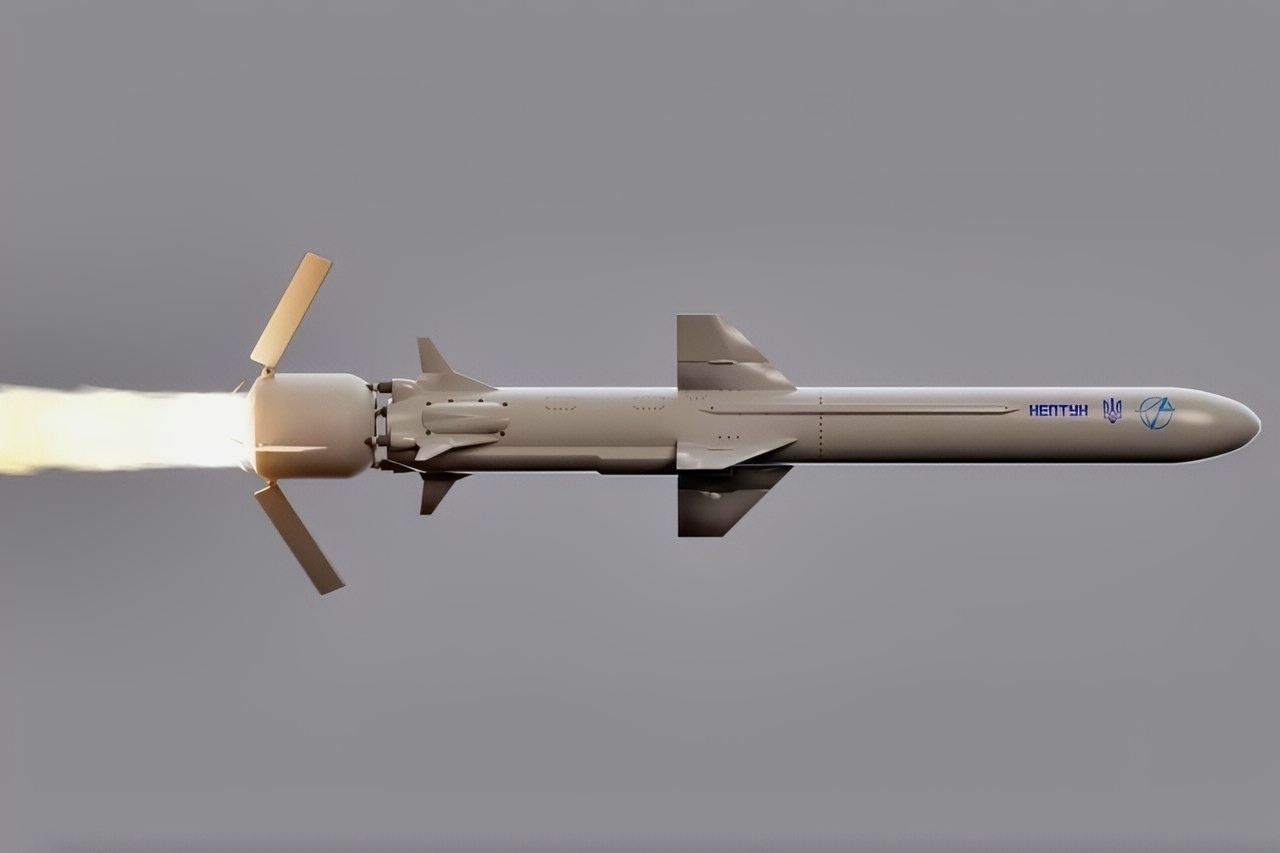
Neptune Missile. Image Credit: Government of Ukraine.
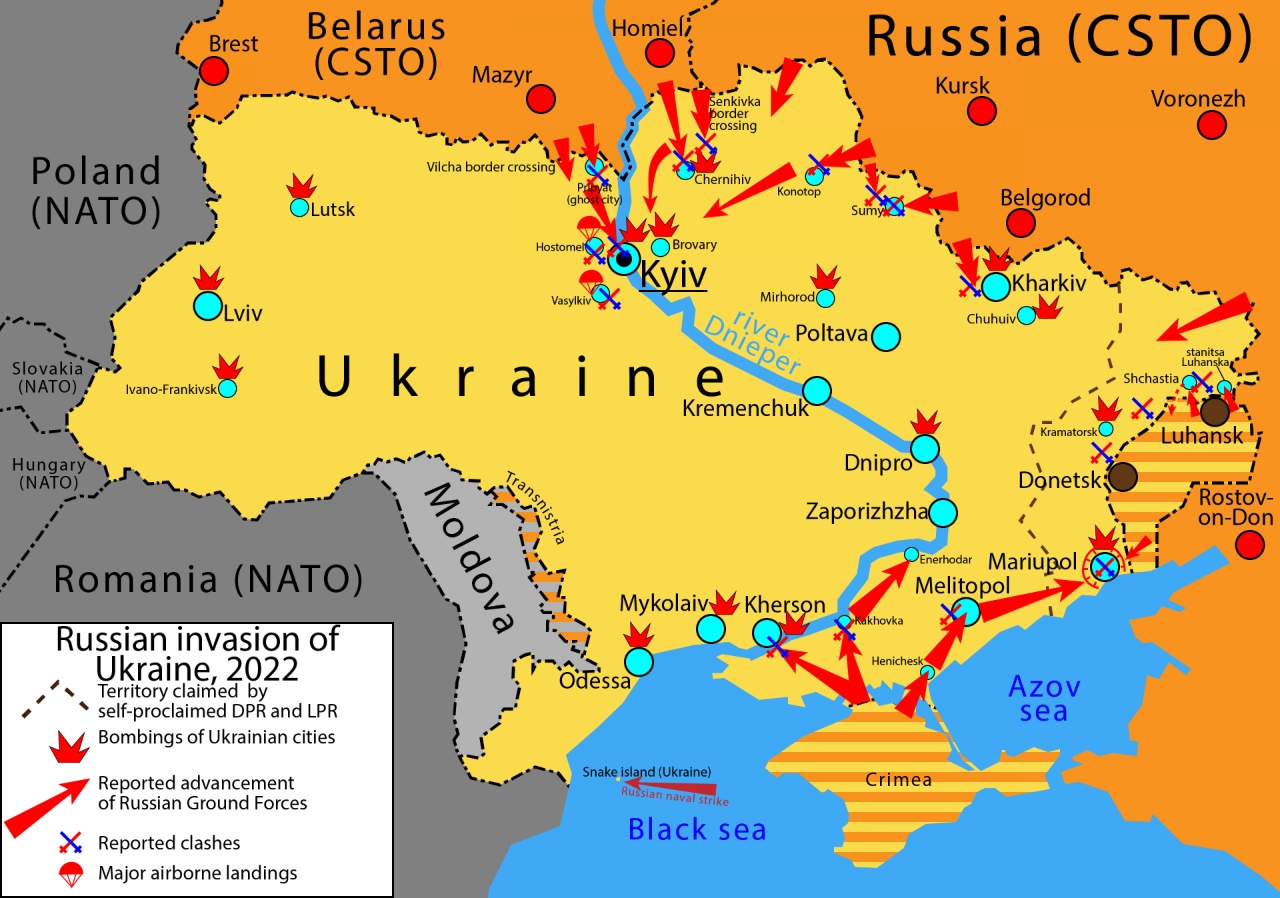
Ukraine War Map. Image Credit: Creative Commons.
The development has also raised questions about Washington’s position on the conflict, with President Trump now more focused on easing American fuel prices ahead of the November 3 midterm elections.
The deal also follows months of Ukrainian strikes that target Russian oil facilities and energy infrastructure, which prompted Russia to temporarily halt its diesel exports.
Ukrainian Strikes Russian Fuel Facility
Rostov Governor Yuri Slyusar said that over 100 unmanned aerial vehicles had been shot down since Friday evening.
No injuries were initially reported.
According to the Kyiv Independent, the Yug Rusi oil-loading terminal in Rostov-on-Don was struck — a facility that handles petroleum products for export, including fuel supplied by the Novoshakhtinsk Oil Refinery.
The attack also reportedly damaged a railway bridge, temporarily disrupting train services in both directions.
The latest strike should come as no surprise, with Ukrainian forces intensifying strikes on Russian energy facilities throughout the year, but the timing could suggest Ukraine is also trying to prove a point by refusing to back down on its strikes even as Washington now looks to Russia for refined petroleum products.
Trump Announces Surprise Russian Diesel Deal
The attack came after President Trump announced on Friday, October 9, that he had reached an agreement with the Russian president during a recent telephone conversation.
In a statement on Truth Social, the president said the two leaders concluded a successful discussion and confirmed that Russia would begin releasing large quantities of diesel not only to the United States but also to international markets.
The president confirmed that Russia would immediately supply over 300,000 tons of diesel fuel to the international market, followed by another 500,000 tons in November and one million tons soon after.
“Additionally, based on the condition of their Diesel Refineries, Russia will then deliver, within a short period of time, 3,000,000 Tons of Diesel Fuel. Between our TOTAL CONTROL of the Strait of Hormuz, and this great announcement on Russian Energy, Diesel Prices for Americans and, indeed, the World, will be COMING DOWN, IN RECORD NUMBERS, AND FAST!” the president wrote.
Trump specified that the move was specifically intended to lower fuel prices for Americans, and doubled down on his war with Iran, which has caused much of the disruption to markets.
“Lower prices for Americans, especially our Great Farmers, Ranchers, and Truckers, is my Greatest Priority. This is a very big and important announcement. Additionally, it must be understood that Iran will not have a Nuclear Weapon!” he said.
Will It Have An Effect?
While the president is publicly optimistic that the deal will lower energy prices, the quantities in question will likely have only a marginal, short-term effect, provided Ukrainian strikes do not affect Russia’s ability to supply diesel to begin with.
Data from the U.S. Energy Information Administration (EIA) show Americans consume about 3.77 million barrels of diesel and other distillate fuels daily, meaning the initial shipment of 300,000 tons would cover just over 14 hours of American consumption. Per CNN reporting on October 9, the first shipment, combined with November’s promised 500,000 tons, would cover roughly one and a half days of American demand.
Shuffling Supplies Around
Michael Lynch of the Energy Policy Research Foundation also said that Russian diesel shipments would largely redirect existing supplies rather than meaningfully increase global availability.
The agreement has therefore drawn criticism for largely benefiting Russia as it seeks to improve its financial position amid the ongoing war. Skeptics might also argue that the move is largely an election-related deal meant to soften the expected blow to Republican candidates in November.
“It’s kind of shuffling deck chairs on the Titanic,” Lynch said.
“If we get diesel from Russia, basically it means that their existing customers are not going to get it and they’ll have to go somewhere else, and that will keep the price basically where it is now,” he continued.
Lynch also argued that the best the American people could ask for is a temporary, small price reduction in certain areas, like the New York-New Jersey area and perhaps Philadelphia.
“It just means that the oil is going to be shuffled around and it’s not really going to change the price globally or across the U.S.” he added.
About the Author: Jack Buckby
Jack Buckby is a British researcher and analyst specializing in defense and national security, based in New York. His work focuses on military capability, procurement, and strategic competition, and he produces and edits analysis for policy and defense audiences. He brings extensive editorial experience, with a career output spanning over 1,000 articles at National Security Journal, and has previously authored books and papers on extremism and deradicalization.


