
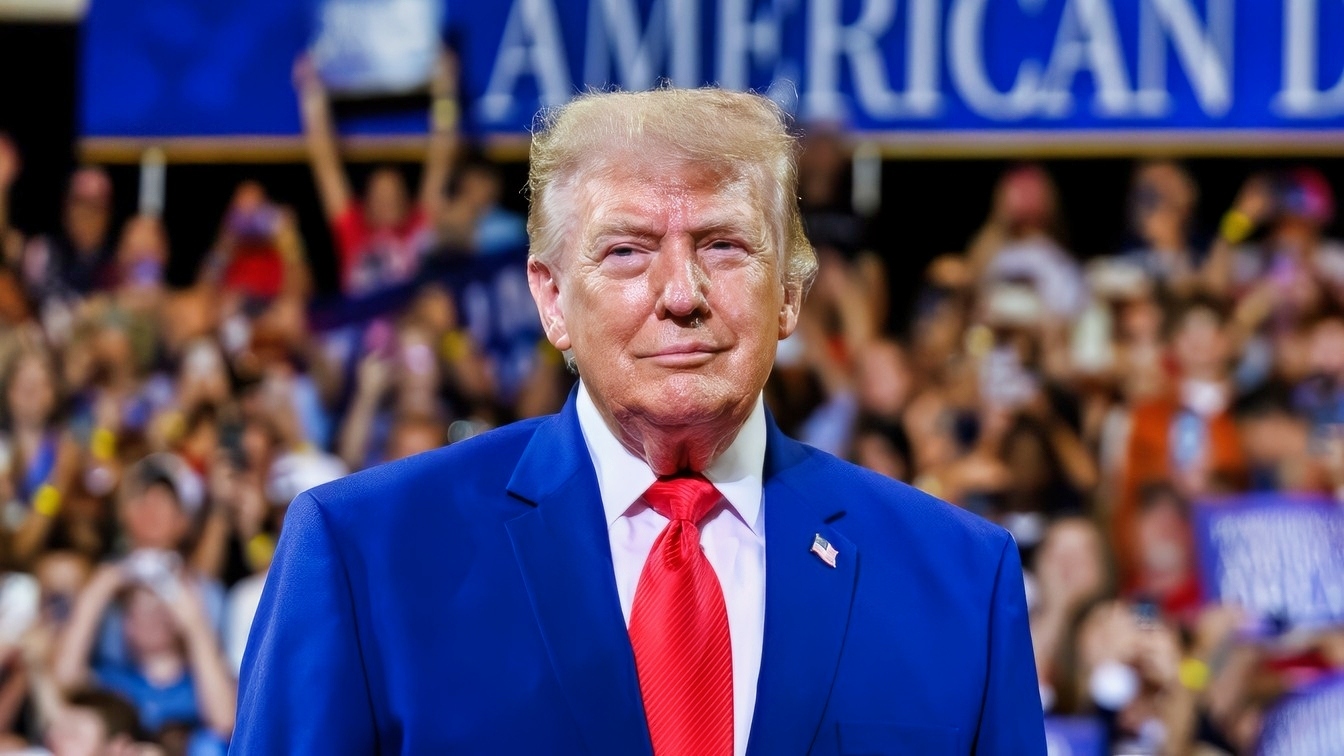
The Republican Party is stepping up its efforts to hold onto control of Congress ahead of the November midterm elections, as President Donald Trump’s approval ratings hit an all-time low and numerous polls point to a “blue wave” Democratic resurgence once the votes are counted.
Red Super PACs Restrategize Spending
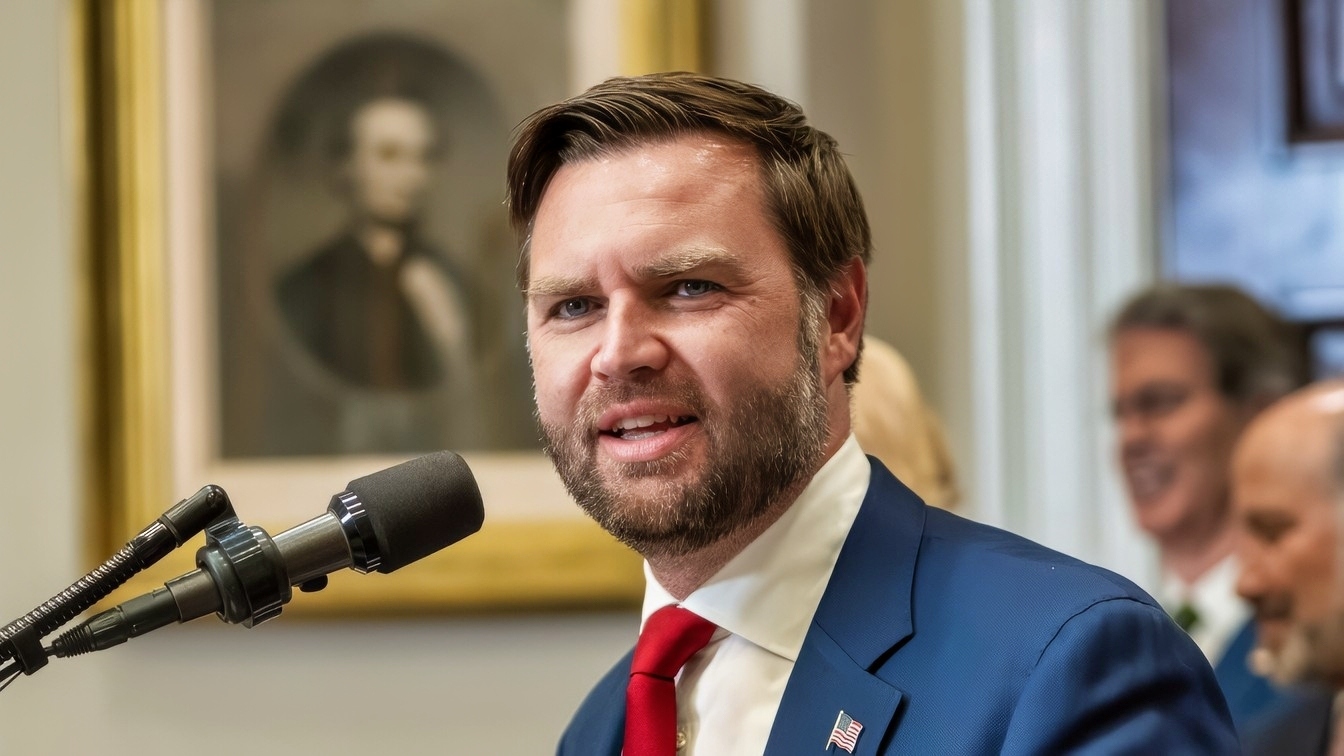
Vice President JD Vance gives remarks at a Sports Council announcement, Thursday, July 31, 2025, in the Roosevelt Room of the White House. (White House Intern Photo by Julian Casciano)
According to reports, Republican super PACs are being more intentional about where they spend most of their money, targeting candidates in states like Iowa and Ohio, which Republican analysts believe is needed to reinforce a “red wall” in the Senate and block Democrats’ efforts to retake the majority. Funding has also poured into Republican Ken Paxton’s Senate campaign, which is in a close race with Democrat James Talarico. Despite Texas being a historically red-leaning state, even President Donald Trump has had to campaign there for Paxton, who is competing with Talarico and his efforts to appeal to more moderate voters.
In contrast, in states like North Carolina, big donors have largely abandoned Republican Michael Whatley’s Senate campaign as polls show him several percentage points behind his Democratic opponent, former governor Roy Cooper.
Scared of a Blue Wave?
Several recent polls show support for Democrats has risen significantly, largely because of economic issues and the surge in gas prices.
A poll conducted by The Economist/YouGov found that more than half of voters (65%) feel the country is off on the wrong track.
Almost half said that they believe the Trump administration is not doing enough to solve important problems.
Most respondents also said they felt the president was performing poorly on issues such as taxes, inflation, government spending, and the economy. Another Reuters/Ipsos poll reported similar sentiments.
Souring on Trump and the Republicans
Many voters have soured on the president and, by extension, the Republicans, over several issues.
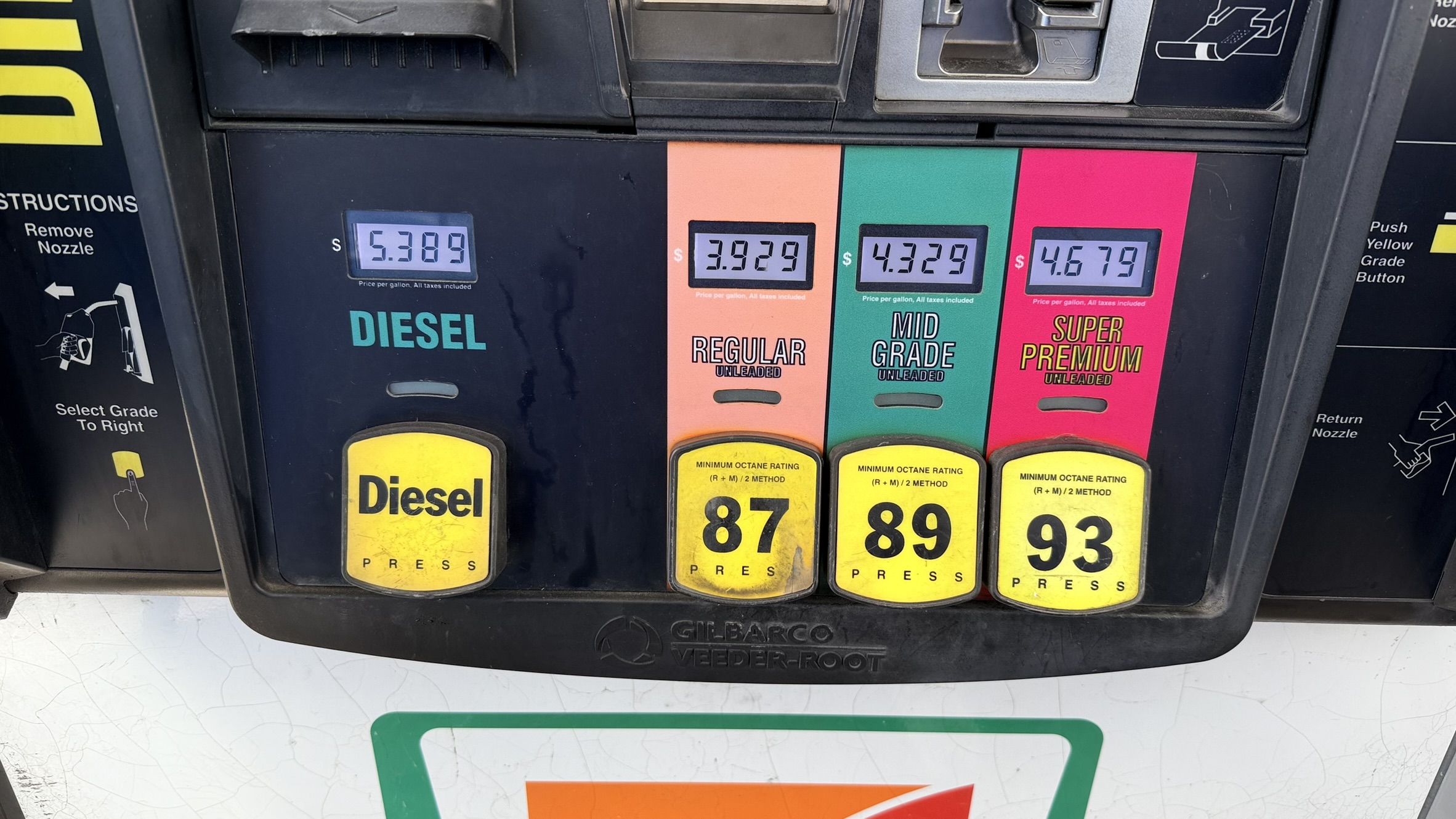
Gas Prices in Davenport, Florida. Image by National Security Journal.
During his campaign, Trump promised Pandemic-era gas prices, only for the cost of gas to skyrocket owing to the war in Iran.
Americans now pay more than $4 per gallon on average, with consumers in states like California and Hawaii paying substantially more at the pump. Gas prices have risen by as much as 40% since the US escalated its military operations against Iran.
Trump also championed the idea that he would “end all wars” at the beginning of his campaign, and that promise still appears in his bio on the White House website.
Losing the Latinos Too
Trump and the Republicans have also lost significant support with the Latino community. Latinos initially supported Trump’s promise of stricter immigration policies.
However, many Hispanic and Latino voters now say that Immigration and Customs Enforcement (ICE) operations have gone too far, and that ICE agents have been too heavy-handed.
Trump Approval at an All-Time Low
Trump’s approval rating has also hit a new low, coming in at just 32%. The president’s approval ratings have been steadily declining since last year; Trump’s approval rating was 47% at the beginning of 2025.
By May of the same year, it had dipped to 44% and was at 41% in December 2025. After a slight increase to 42% at the beginning of the year, the president’s approval ratings slipped to the mid-30s by midyear and have since declined to their current level.
By comparison, at the end of Trump’s first term, his approval rating was 38.6%, while former president Joe Biden’s lowest approval rating was 35.6% at the same point.
Trump Calls Polls “Fake News”
President Trump seems to be taking the bad news in stride, dismissing the polls as “fake news.”
Speaking recently to reporters on the White House lawn, he confronted a reporter, saying, “You’re CNN, you’re fake news. My poll numbers are great. And all you have to do is look at the crowds we’re drawing. And every time that I leave (sic), that candidate will be losing, and by the time I leave, they’re winning.”
Republicans Downplay Trump Influence
A Washington Post analysis published on October 8 notes that Democrats spent $11 million on campaign ads mentioning President Trump, while Republicans spent just $11 million on ads mentioning the president and his record.
The findings suggest that GOP candidates see Trump as a liability in the election.
About the Author: Tim Ramos
Tim Ramos has written for various publications, corporations, and organizations, covering finance, politics, travel, entertainment, and sports in Asia and the U.S. for more than 10 years.