
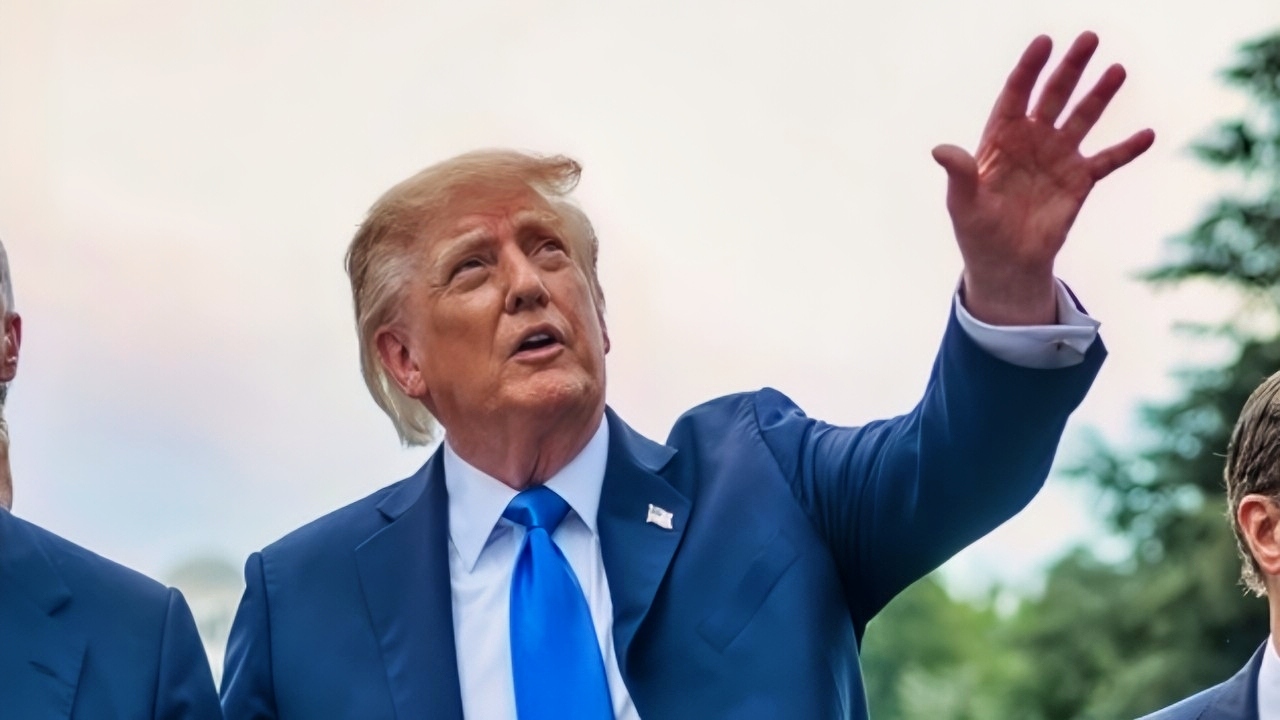
Most Americans believe that President Donald Trump will reject the results of the upcoming November 3 midterm elections if the Republican Party loses control of Congress, as most polls currently predict.
That’s a four-alarm political fire that may or may not start raging if Trump decides to start saying the polls had some sort of issue.
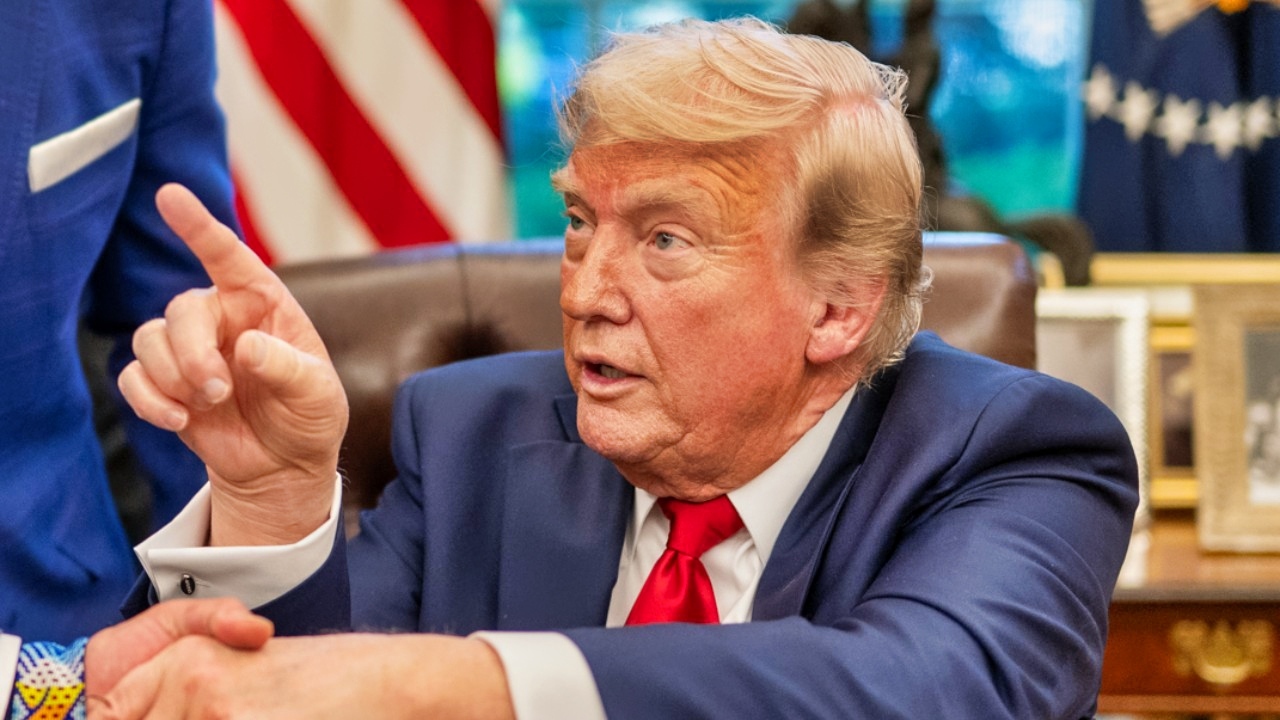
President Donald Trump signs executive orders alongside Secretary of Education Linda McMahon and wounded warriors in the Oval Office, Wednesday, April 23, 2025. (Official White House Photo by Daniel Torok)
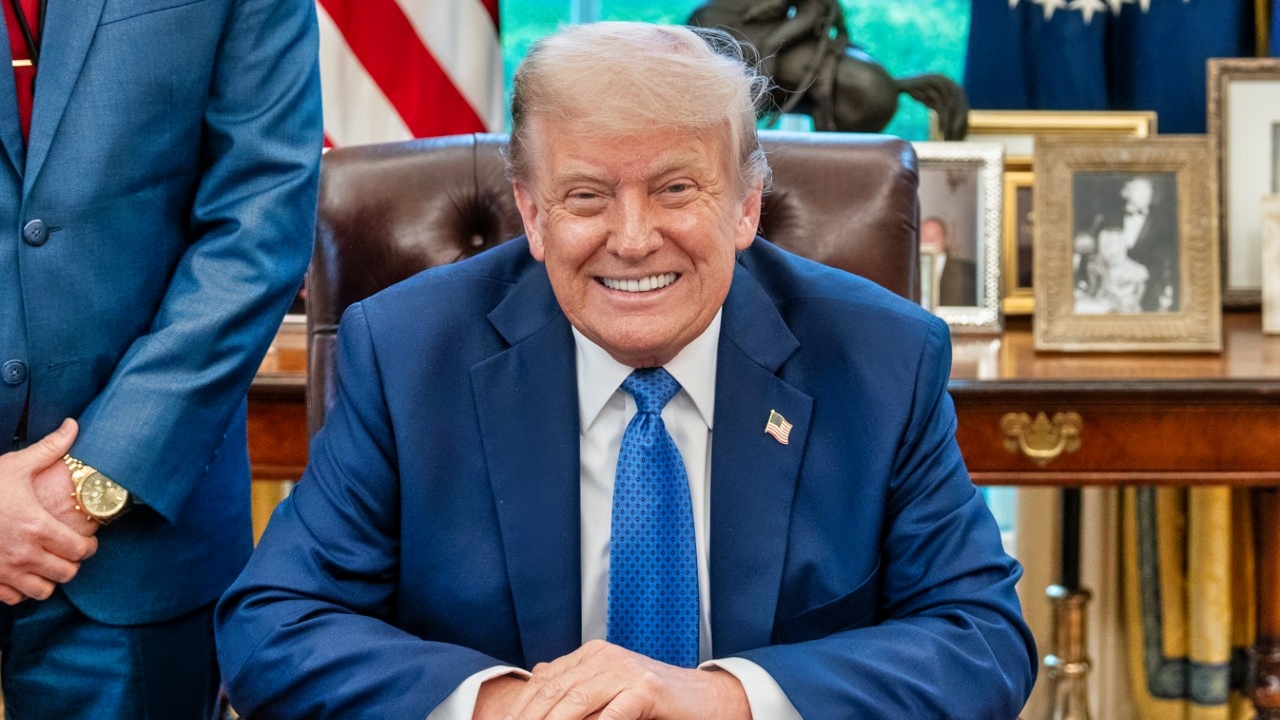
President Donald Trump signs Executive Orders in the Oval Office, Thursday, April 24, 2025. (Official White House Photo by Abe McNatt)
The Next Trump Crisis?
The revelation comes from a new Washington Post/ABC News/Ipsos poll published on Tuesday, October 20.
The study comes amid growing frustration from American voters over the Iran war and the rising living costs caused by the conflict – and it suggests that Americans are not only anticipating a Republican defeat, but also questioning whether President Trump will even recognize the outcome.
The new poll, conducted between October 9 and 13, found that 70% of Americans are not confident President Trump would accept a Republican loss.
Just 28% said that they believe he would.
The results come as separate polls show Democrats increasing their national lead over the Republicans.
Even Republicans Doubt Trump Will Accept Defeat
According to the new poll, a vast majority of Democrats believe Trump will reject the results if Republicans lose – and a similarly sizeable majority of independents believe the same.
Specifically, 94% of Democrats believe Trump will not accept the results, and 77% of independents do. There is also a sizeable minority of Republicans who believe Trump would reject the results – some 36%.
The poll surveyed 2,545 American adults and has a margin of error of two percentage points.
The findings also show a significant difference in public confidence in the leadership of the two main parties: 28% of Americans believe Trump would accept defeat, and 61% believe Democratic leaders would accept the outcome if their party lost.
The results follow years of debates over election integrity, arguably beginning in 2020 when President Trump refused to accept defeat to Joe Biden, prompting widespread protests, the January 6 riot, and years of hotly debated fraud allegations in various elections.
When NBC News asked President Trump in February whether he would trust the results of this year’s elections, Trump said, “I will if the elections are honest.”
While the veracity of allegations of fraud in 2020 is still debated, several election fraud cases have been confirmed.
In Arizona, for example, former San Luis mayor Guillermina Fuentes was sentenced in October 2022 to 30 days in jail and two years of probation.
Fuentes pleaded guilty to illegally collecting other voters’ ballot papers during the 2020 primary election.
And, in Nevada, Donald Kirk Hartle pleaded guilty in November 2021 to voting twice in the 2020 presidential election, including casting a ballot in the name of his deceased wife.
Both cases show that fraud exists, but several parties are still investigating whether it is widespread.
Most Americans Still Trust the Process
While concerns about election integrity are valid, they are more prevalent among Republicans than in the broader American population.
Polls show most Americans are confident the upcoming elections will be conducted fairly.
According to the Washington Post/ABC News/Ipsos poll, 65% of respondents say that they believe the votes will be counted accurately. 76% of Democrats said the same, as did 68% of Republicans and 55% of independents.
The findings suggest voters are more concerned about how their political leaders will respond to the election results than about the results themselves being inaccurate.
And, given that polls have repeatedly shown an enthusiasm gap benefiting Democrat voters, it’s hard to imagine a situation in which a large majority of Republican voters believe their party was unfairly disadvantaged if Democrats take control of Congress.
The Washington Post reported on October 20 that local election officials are preparing for federal agents to appear at polling stations.
Those preparations follow President Trump’s earlier efforts to expand federal control over elections, including a proposal to “nationalize” voting.
Democrats Are All Set to Win
Republican candidates and strategists all over the country are well aware of the Democrat advantage in this year’s elections, with reports describing how campaigns are deliberately avoiding mentioning President Donald Trump.
Some candidates are even publicly disagreeing with the president’s Iran policy.
A Reuters/Ipsos poll published on October 19 found that President Trump’s approval rating had plummeted to just 31% – the lowest level recorded during either of his terms as president.
The same survey also found Democrats leading the Republicans by 12 percentage points among registered voters, with 47% of respondents supporting Democrats and just 35% backing Republican candidates.
If the Republicans didn’t have enough to worry about, a New York Times/Siena University poll published on October 21 also found Democrats leading by 11 percentage points among likely voters, confirming earlier polling’s suggestion that the party is leading by double digits.
With less than two weeks until election day, the polls suggest President Trump will soon face a Democrat-controlled Congress and may spend the final two years of his presidency bogged down in investigations and legislative gridlock.
About the Author: Jack Buckby
Jack Buckby is a British researcher and analyst specializing in defense and national security, based in New York. His work focuses on military capability, procurement, and strategic competition, and he produces and edits analysis for policy and defense audiences. He brings extensive editorial experience, with a career output spanning over 1,000 articles at National Security Journal, and has previously authored books and papers on extremism and deradicalization.


