

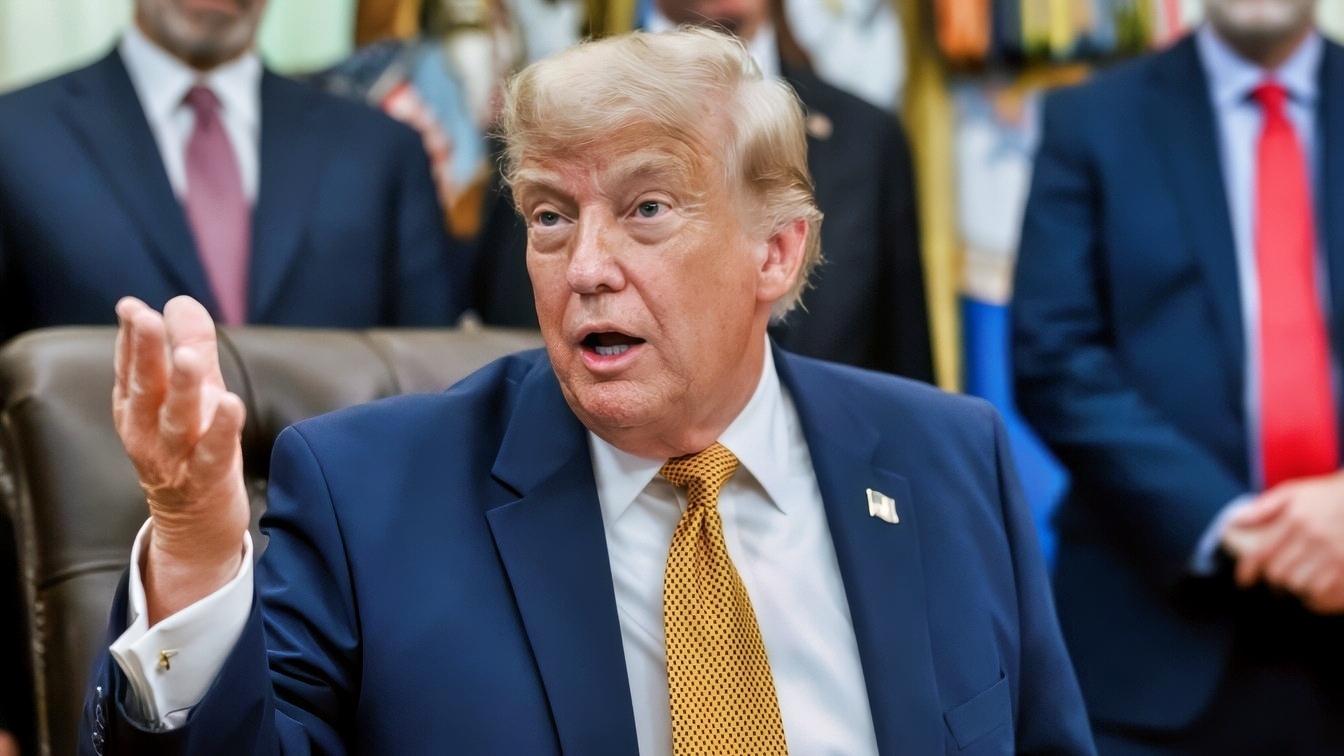
To cool red-hot diesel prices, the Department of Energy aims to boost diesel refining capacity in the United States and abroad.
The reason? Looming midterm elections in November.
According to the U.S. Energy Information Administration, a federal agency, diesel prices are up nearly $2.66 from a year ago and average nearly $6.30 nationwide today.
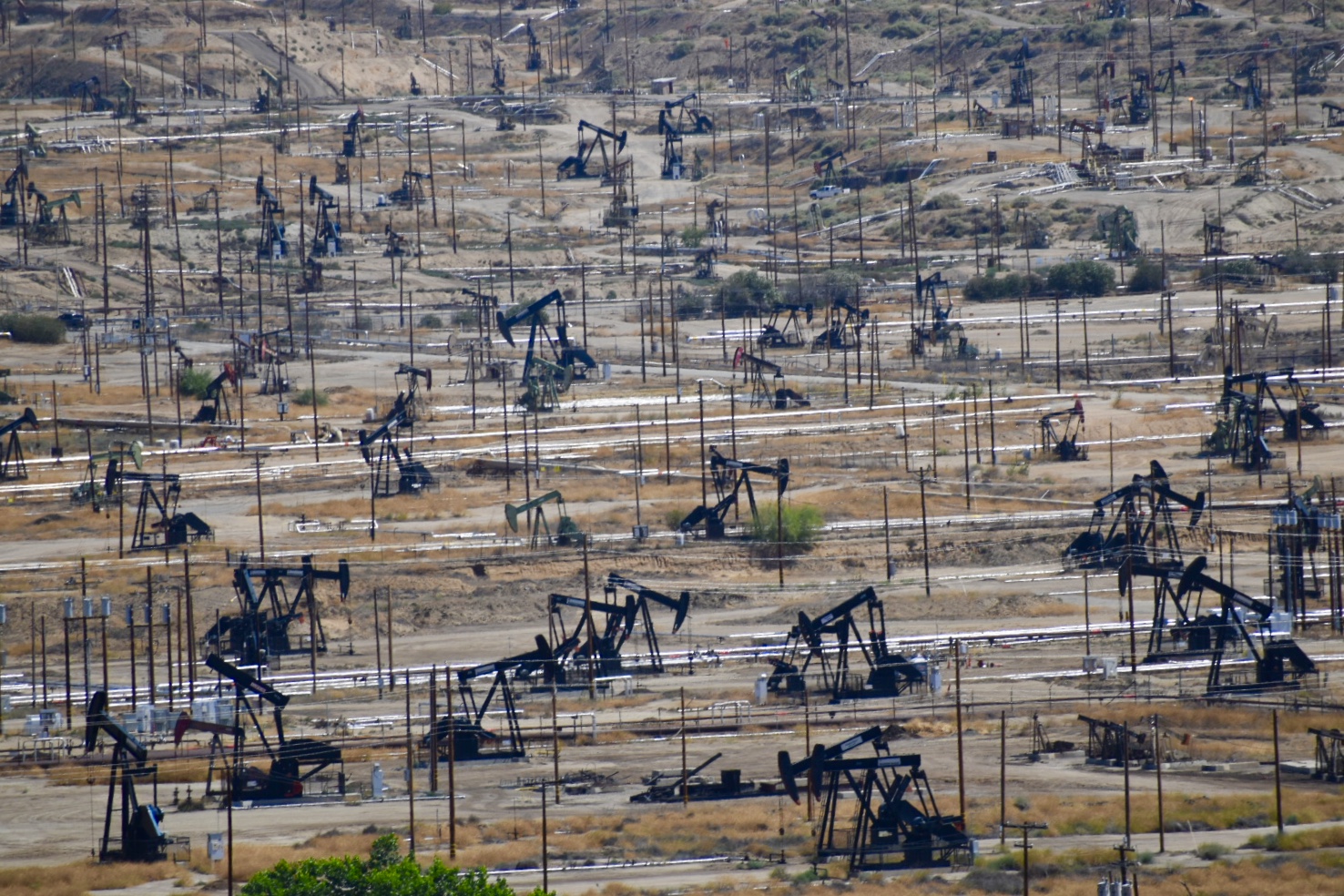
Oil fields. Image Credit: Creative Commons.
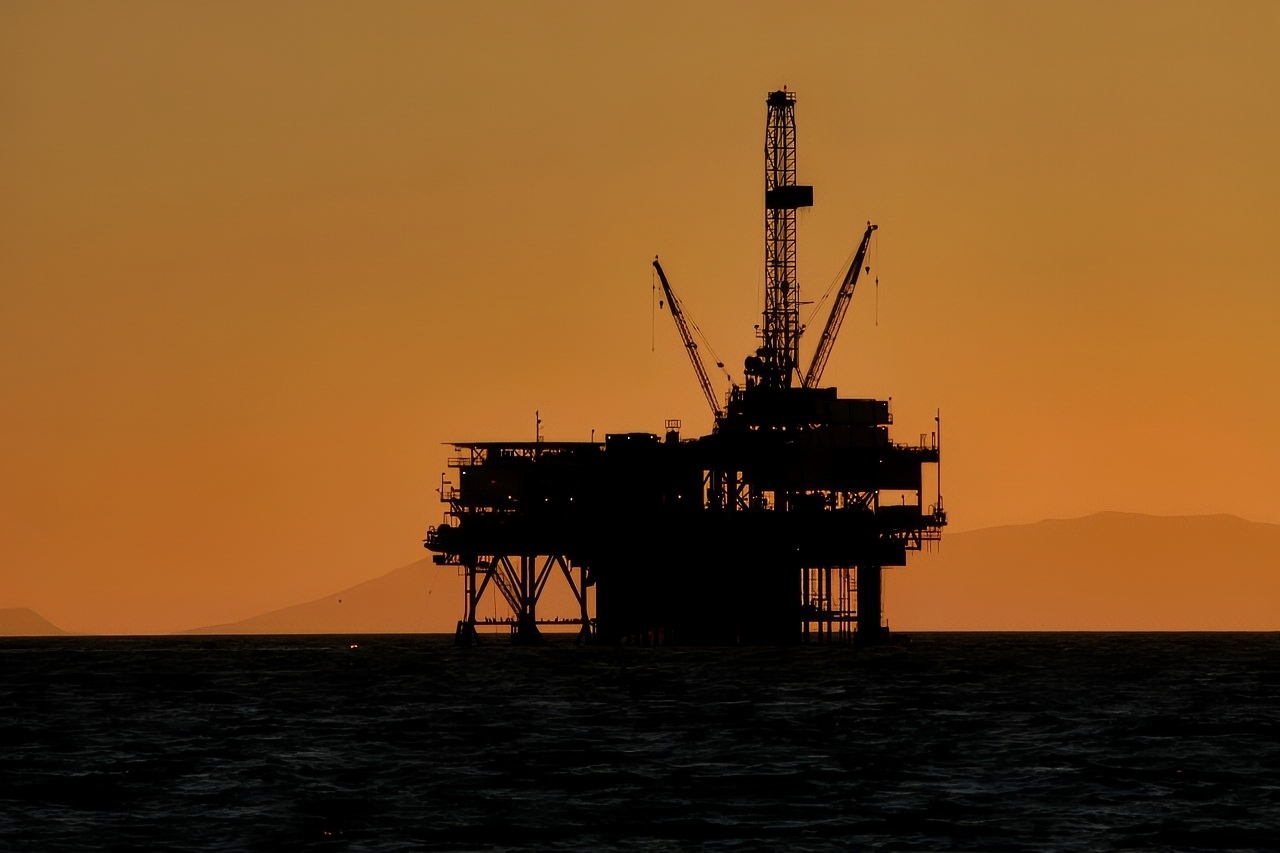
Oil Platform. Image Credit: Creative Commons.
With the president and his Republican Party polling poorly, few measures seem to have reduced the price at the pump, perhaps one of the party’s most significant liabilities heading into the midterms.
The White House has also invoked the Defense Production Act, legislation that gives the president legal authority to influence private industry during national emergencies and push the private sector to support national defense.
In addition, red dye diesel, an untaxed diesel fuel category normally used in agriculture, on construction sites, and for off-road vehicles, is now available for all vehicles to help ease the price pinch.
The Iran War
Kpler, a data intelligence firm, reports that more oil is now flowing from the Middle East than before the war in Iran erupted in late February.
According to the firm, higher flows from the region reflect new routes for Gulf oil to reach international markets that bypass the Strait of Hormuz entirely.
One of the major new conduits is the East-West Pipeline, an oil pipeline that unloads at Yanbu, Saudi Arabia’s Red Sea port.
Though the energy line has come under fire from Iran and its Yemeni rebel clients, the Houthis, and has come offline before, the Kingdom has managed to keep the pipeline operational.
But despite the surprising resiliency of refiners in the region, the costs of exporting that energy are not cheap and increase shipping costs, insurance rates—and, ultimately, the price at the pump.
The War in Ukraine
While the president seemingly takes less issue with the war in Iran, and how that conflict has served to spike energy prices, he has berated Ukrainian President Volodymyr Zelensky and his forces in their fight against Russia, waffling between encouraging the Ukrainian leader to strike Russia financially and disparaging Kyiv’s campaign against Russian oil refinery infrastructure and export facilities.
On October 9th, the White House announced it had agreed to a deal with Russia, allowing diesel fuel from the country despite years of sanctions specifically on Russian energy.
While the terms of the deal are somewhat fuzzy, the president said Russia agreed to provide 2.25 million barrels of diesel fuel to the United States and other countries, about 3.75 million barrels next month, and 7.5 million barrels afterward.
In addition, depending on refinery capacity, the country would release 22.5 million barrels later.
The deal is an incredible, surprising boon for the Kremlin, as the lion’s share of Russian state financing comes from taxing energy and energy-related exports.
Ukraine’s ongoing campaign against Russian fuel refineries utilized long-range drones and cruise missiles that are built and designed in Ukraine to blow up facilities far across the world’s largest country.
The strike campaign, dubbed part of Kyiv’s “long-range sanctions” by Ukrainian President Volodymyr Zelensky, has hit oil refining facilities as far afield as Omsk in Siberia, and the country’s largest refinery by volume has gone up in flames.
But Ukrainian forces found themselves gobsmacked when Starshield, a military-grade version of SpaceX’s Starlink satellite communications and connectivity technology, was throttled.
The decision to slow down connectivity between Ukrainian operators and their drones meant that their campaign against Russia — and crucially, the country’s ability to defend against Russian drones effectively — was hamstrung. Recent reporting by The Wall Street Journal has shed light on the decision.
While Elon Musk, the world’s richest man, and officials within the Trump administration each denied responsibility for the Starshield slowdown, it appears that the two groups coordinated on the decision, upset that the price of diesel had been so elevated — and that Musk coordinated the move in tandem with the American president and his administration.
Speaking to reporters in Houston, Secretary of Energy Chris Wright acknowledged the challenges of keeping consumer prices low. “We are talking about reopening every refinery we can,” the secretary said. “There are dialogues there, and that’s a tough challenge. I’m not saying all these are going to happen.”
About the Author: Caleb Larson
Caleb Larson is an American multiformat journalist based in Berlin, Germany. His work covers the intersection of conflict and society, focusing on American foreign policy and European security. He has reported from Germany, Russia, and the United States. Most recently, he covered the war in Ukraine, reporting extensively on shifting battle lines in Donbas and the war’s civilian and humanitarian toll. Previously, he worked as a Defense Reporter for POLITICO Europe. You can follow his latest work on X.


