

President Donald Trump appears to be holding off a new strike on Iran until after the November 3 midterm elections as he continues his national rally tour to encourage the Republican base to turn out and fend off a threat from Democratic congressional candidates.
But the problems Trump is facing, in large part caused by the Iran war, are nothing new.
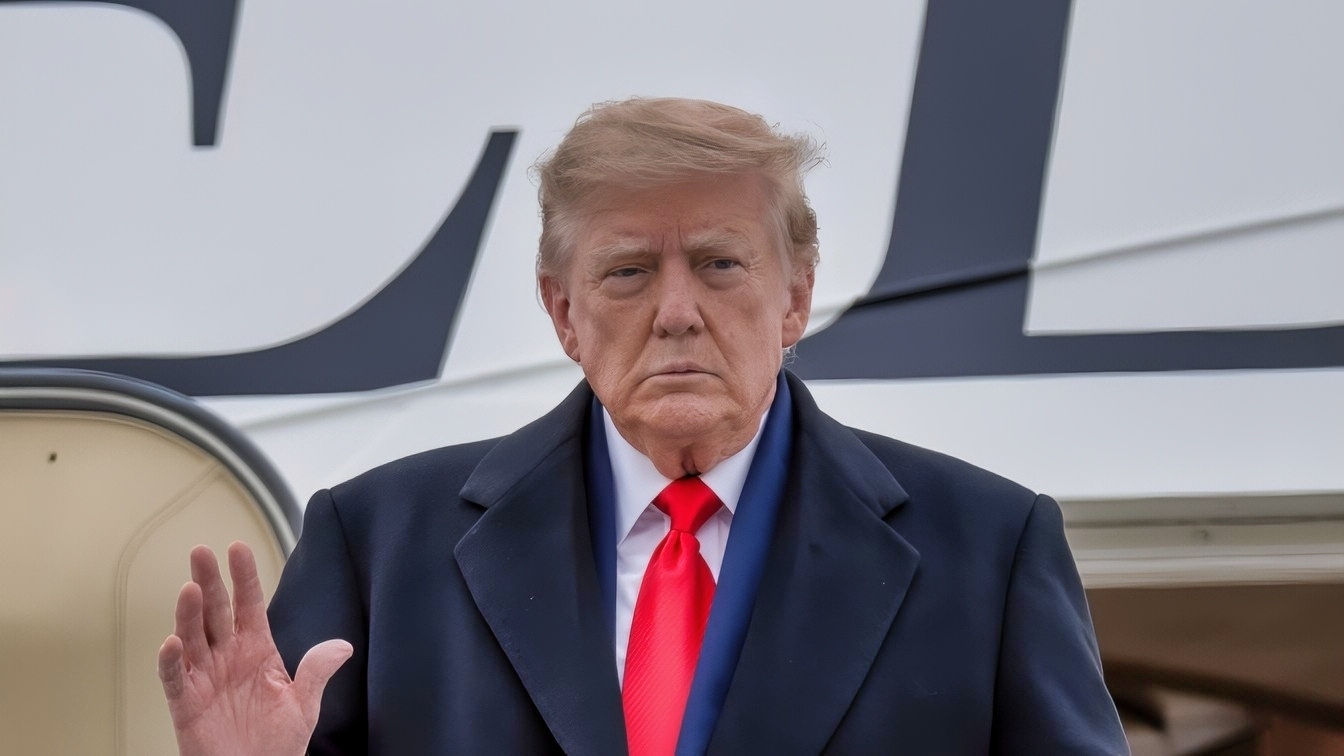
Donald Trump Getting Off Air Force One. Creative Commons Image.
In fact, the issues voters tell pollsters will shape their decisions on November 3 are much the same as those that drove the president’s victory in the 2024 presidential election.
In other words, voters see the Trump economy as looking a lot like the Joe Biden economy.
New polling by Reuters and Ipsos, published on October 26, shows that 73% of Americans believe that the cost of living is moving in the wrong direction.
The findings come as inflation rises to 3.7%, largely because of higher energy costs from the war with Iran and continued strikes on Russian oil refineries.
While some new figures released on October 27 show consumer confidence has improved somewhat, voters remain concerned about prices.
Republicans are on the verge of losing control of Congress, and Trump could face similar political consequences that led to former Vice President Kamala Harris’s defeat two years ago.
Consumer Confidence Improves
According to the latest Consumer Confidence Index data, published by the Conference Board on Tuesday, October 27, American consumers are becoming slightly more optimistic about the economy. But President Trump’s problems are far from over.
The data shows the index rose to 91.7 in October — up from 84.2 in September.
The increase is largely attributable to slight falls in gasoline prices.
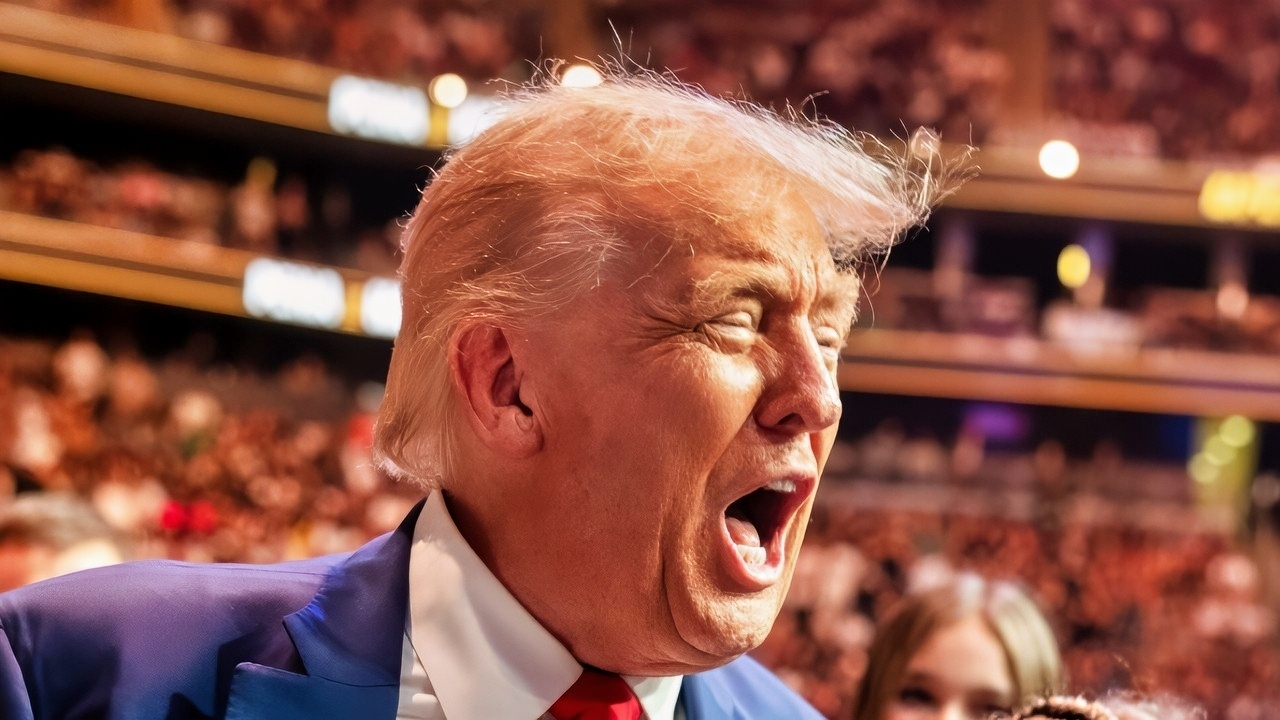
President Donald Trump congratulates Kayla Harrison after her victory during UFC 316 at the Prudential Center in Newark, NJ., June 7, 2025. (Official White House Photo by Daniel Torok)
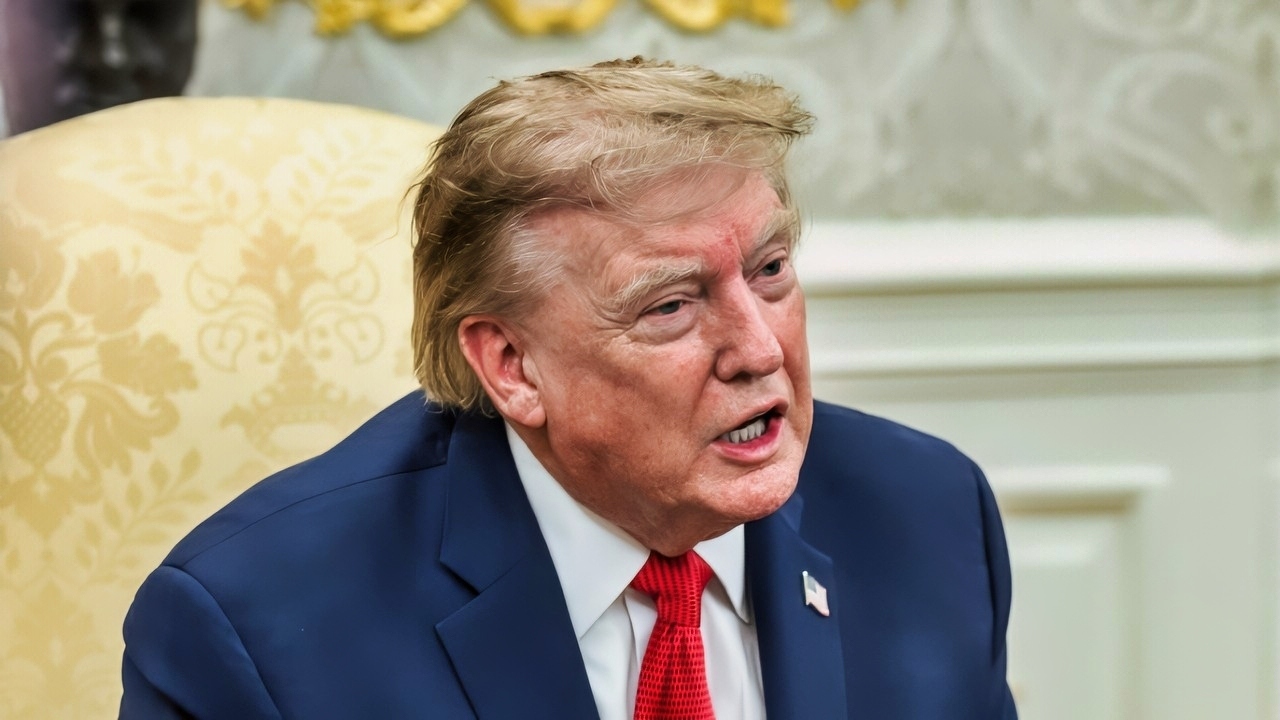
President Donald J. Trump meets with hero-lifeguard Ryder Williams, 16, and Nathaniel Nai, 10, and their families and Santa Cruz officials in the Oval Office, Monday, August, 17, 2026. Williams rescued Nai from rough surf at Seabright State Beach in Santa Cruz, California on July 25, 2026. (Official White House Photo by Daniel Torok)
Those declines, however, could prove temporary, with President Trump announcing a slew of measures intended to slow price increases driven by falling refining capacity and disruption in the Strait of Hormuz.
The results were not entirely positive for the president, however.
While consumers expressed greater confidence in the current economic conditions, the data show that their expectations for the months ahead are not entirely positive.
Fergus McCormick, a senior economist at the Conference Board, said Americans remain frustrated with rising costs of food, groceries, oil, diesel, and other goods.
“The recovery was in line with retail gasoline prices easing from September to October,” McCormick said. “Among write-in responses in October, consumers continued to express frustration with rising costs. References to prices, the high cost of food and groceries, and oil and diesel prices rose.”
Inflation Is A Problem
Even if President Trump secured of major economic victory or even a win against Iran in the final week before the elections, the chances of American voters’ opinions are unlikely to change in the short term.
The latest Consumer Price Index from the Bureau of Labor Statistics, published on October 14, shows that annual inflation reached 3.7% in September.
It rose from 3.4% in August, with gasoline prices responsible for more than half of September’s increase, up 9.1% over the month.
The energy index rose 5.2%, and energy prices were more than 20% higher than a year earlier.
Higher prices are reducing American workers’ purchasing power, and the latest government figures show inflation-adjusted average hourly earnings fell 0.5% between August and September.
Real hourly earnings also fell by 0.7% over the previous 12 months.
The figures mean workers are earning less than they were a year ago—even if their paychecks increased in dollar terms.
Even Republicans Lose Confidence
Perhaps most concerning for Trump, who is attempting to ensure Republican voters actually turn out to vote this year, is that Republicans are expressing concerns about the state of the economy.
New polling shows that frustration over rising prices isn’t confined to independent and Democrat voters.
According to a Pew Research Center survey published on October 8, 35% of Republican voters and Republican-leaning independents believe Trump’s economic policies have worsened conditions.
In January, that figure was just 18%.
The proportion of those who believe Trump’s policies have improved the economy also fell from 57% to 39%.
It’s tough news for a president who has long promised to be strong on the economy.
Another survey from the Associated Press and NORC published on October 1 showed that 52% of Republicans believe President Trump’s handling of the cost of living has been worse than they expected.
Does that mean that those voters will turn out and vote Democrat?
Not necessarily.
But Republicans face a difficult challenge in encouraging their supporters to turn out for congressional elections without Trump himself on the ballot.
And, with Trump widely seen as the cause of these problems, it’s hard to tell whether President Trump encouraging voters to turn out will even work.
About the Author: Jack Buckby
Jack Buckby is a British researcher and analyst specializing in defense and national security, based in New York. His work focuses on military capability, procurement, and strategic competition, and he produces and edits analysis for policy and defense audiences. He brings extensive editorial experience, with a career output spanning over 1,000 articles at National Security Journal, and has previously authored books and papers on extremism and deradicalization.


