
Countries in the Persian Gulf are scrambling to stop the United States from launching a new round of strikes against Iran, with diplomatic negotiations intensifying on Saturday, October 31.
Meanwhile, the Trump administration is still weighing its options for a new military campaign against Tehran in the coming days, with the long-awaited midterm elections now just days away.
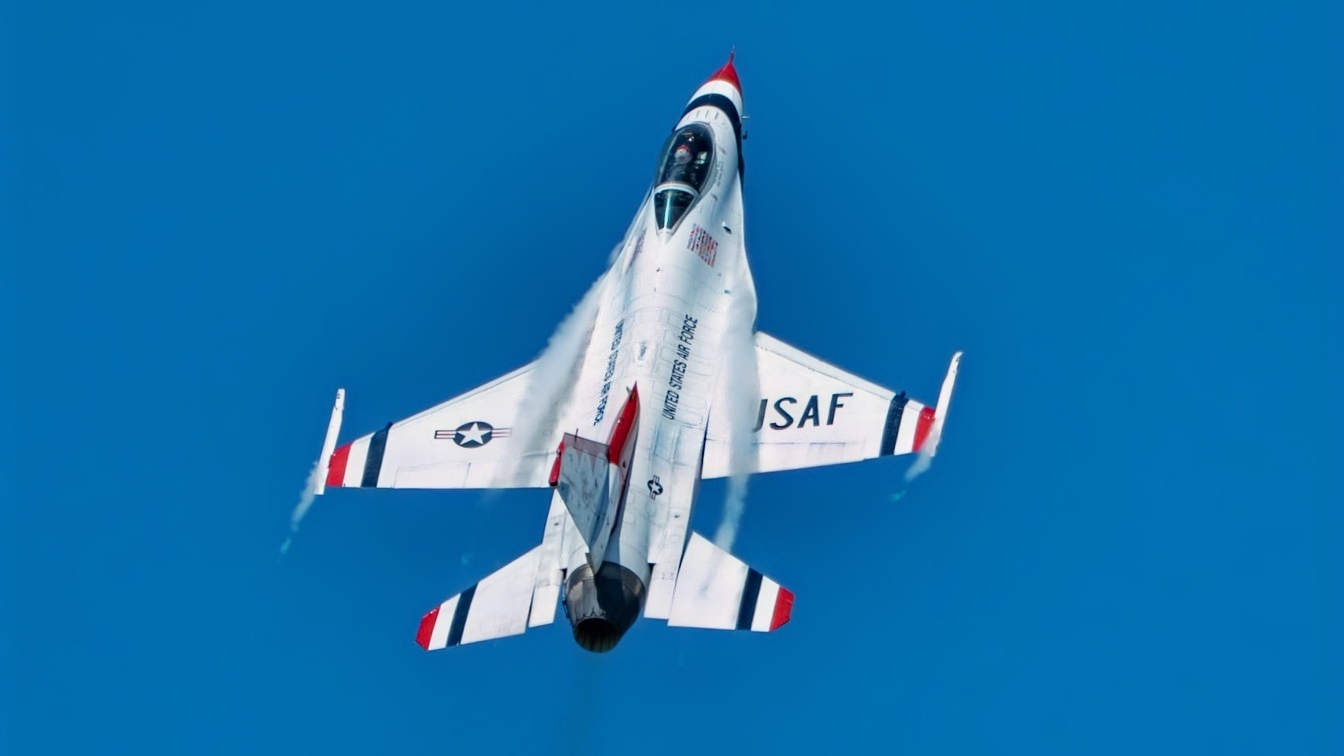
A U.S. Air Force F-16 Fighting Falcon assigned to the United States Air Force Air Demonstration Squadron “Thunderbirds” performs during the 2026 Sioux Falls AirShow: Power on the Prairie at Joe Foss Field, Sioux Falls, South Dakota, July 17, 2026. The Thunderbirds’ demonstration featured close-formation flying and solo routines showcasing the precision and performance of the F-16 Fighting Falcon. (U.S. Air National Guard photo by Master Sgt. Luke Olson)
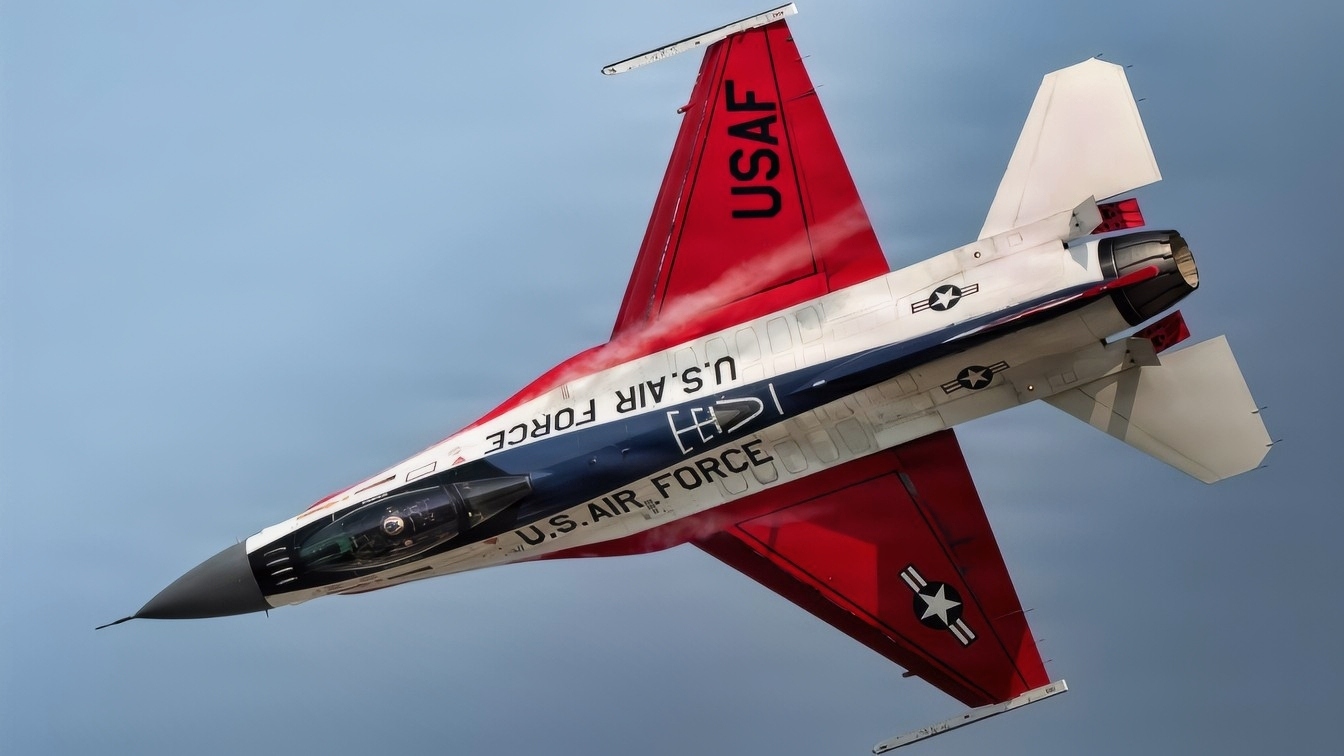
U.S. Air Force Maj. Taylor “FEMA” Hiester, F-16 Viper Demonstration Team commander and pilot, performs aerial maneuvers in a U.S. Air Force F-16C Fighting Falcon during AirVenture at Oshkosh, Wisconsin, July 24, 2026. The F-16, a multi-role fighter aircraft capable of both air-to-air and air-to-ground combat, demonstrates its versatility through dynamic aerial demonstrations across the U.S. and abroad. (U.S. Air Force photo by Staff Sgt. Steven Cardo)
Qatari mediators reportedly held more than 12 hours of negotiations with Iranian officials on Friday, October 30, as part of an effort to reach an agreement before Americans go to the polls.
The negotiations come as a number of Gulf countries warn that renewed U.S. and Israeli strikes, which are generally expected to target Iranian leadership and nuclear sites, could trigger a new wave of retaliatory attacks against military bases, oil facilities, and even civilian infrastructure throughout the region.
The Washington Post reports that Gulf officials are particularly concerned that another round of strikes could expose their countries to a significant amount of damage, given that Iran’s conventional missile arsenal cannot reach as far as the United States, but can easily hit U.S.-linked targets in the Middle East.
Countries particularly worried about Iranian retaliation include Bahrain, Saudi Arabia, Qatar, and the United Arab Emirates, all of which host American military facilities and have already been targeted by Iran over the last eight months.
Qatar Holds Emergency Talks
Qatari officials traveled to Tehran to begin a new round of extensive negotiations with Iranian representatives on Friday.
Axios reported on Saturday, October 31, that the discussions lasted for more than 12 hours.
Qatari representatives also maintained contact with the White House throughout the meetings, and the negotiations were planned to continue in Doha through Saturday.
Qatar’s objective is to establish several reciprocal commitments that would allow Tehran and Washington to resume direct negotiations without requiring a new round of military strikes.
Among the known proposals is the possibility of allowing United Nations inspectors to access Iranian nuclear facilities that have been damaged during the war, potentially in exchange for the United States offering sanctions relief.
In principle, both sides are willing to make concessions, but as has long been the case, there are major disagreements over who should move first, and Tehran still refuses to end its nuclear ambitions.
On October 28, reports said Iranian officials rejected earlier proposals from Qatari officials, arguing they failed to address Tehran’s main demands.
Iran expects the United States to lift its naval blockade, release frozen Iranian funds, ease restrictions on Iranian oil exports, and potentially more, before making any nuclear concessions — if, in fact, those nuclear concessions will be made at all.
Washington, on the other hand, expects Iran to make commitments on its nuclear program before any concessions are made.
Gulf Countries Are Scared
The urgency of the ongoing talks reflects the great fear among Gulf countries that their critical infrastructure could be seriously damaged in the coming days.
Many of those countries have already been hit, and expect the next round of retaliatory strikes to be far worse.
Bahrain, for example, has already suffered extensive damage from the conflict, including attacks against the headquarters of the U.S. Fifth Fleet in Manama.
The American naval installation was hit by Iranian missiles and drones earlier in the year, causing substantial damage to infrastructure and military hardware.
The strikes have also caused economic fallout, with reduced commercial activity and rising prices across the region linked to continued disruption in the Strait of Hormuz, creating problems for the civilian population.
The danger isn’t just confined to U.S. military installations in the region, either.
Iran has also threatened to respond to future American attacks with strikes on energy infrastructure, including oil and gas facilities, across Saudi Arabia, Qatar, Kuwait, Bahrain, and the UAE.
Another escalation by the U.S. and Israel could therefore cause even more damage to energy production sites and export infrastructure throughout the region.
That would be bad news for Gulf countries and the rest of the world, likely worsening the existing global supply crisis.
The problem is also being complicated by a shortage of advanced air defense interceptors, including the U.S.-made Patriot and Terminal High Altitude Area Defense (THAAD) missiles.

A Terminal High Altitude Area Defense (THAAD) interceptor is launched from the Pacific Spaceport Complex Alaska in Kodiak, Alaska, during Flight Experiment THAAD (FET)-01 on July 30, 2017 (EDT). During the test, the THAAD weapon system successfully intercepted an air-launched, medium-range ballistic missile (MRBM) target.
Gulf states recognize the threat and have been purchasing additional military hardware, but their defenses cannot guarantee protection from Iran’s enormous arsenal of missiles.
Gulf States Can’t Control What Comes Next
Ultimately, Gulf governments don’t have much control over what happens next, or what President Donald Trump decides to do after the midterms.
Those states can keep pushing for negotiations, but Washington and Tehran will ultimately determine whether diplomacy succeeds — and with American military preparations continuing, there is no guarantee another escalation can be avoided at this point.
The main question now is: how big will the Iranian retaliation be?
About the Author: Jack Buckby
Jack Buckby is a British researcher and analyst specializing in defense and national security, based in New York. His work focuses on military capability, procurement, and strategic competition, and he produces and edits analysis for policy and defense audiences. He brings extensive editorial experience, with a career output spanning over 1,000 articles at National Security Journal, and has previously authored books and papers on extremism and deradicalization.


