

American oil companies are profiting from the war with Iran, with new data showing U.S. energy firms have raked in more than $130 billion in profits over the last six months, nearly tripling their earnings from the same period last year.
The New York Times published the findings on Friday, October 30, as ExxonMobil and Chevron report massive third-quarter profits. The companies have benefited from disruptions to global oil supplies caused by the conflict in the Middle East.

Generic Oil Tanker Image. Image Credit: Creative Commons.
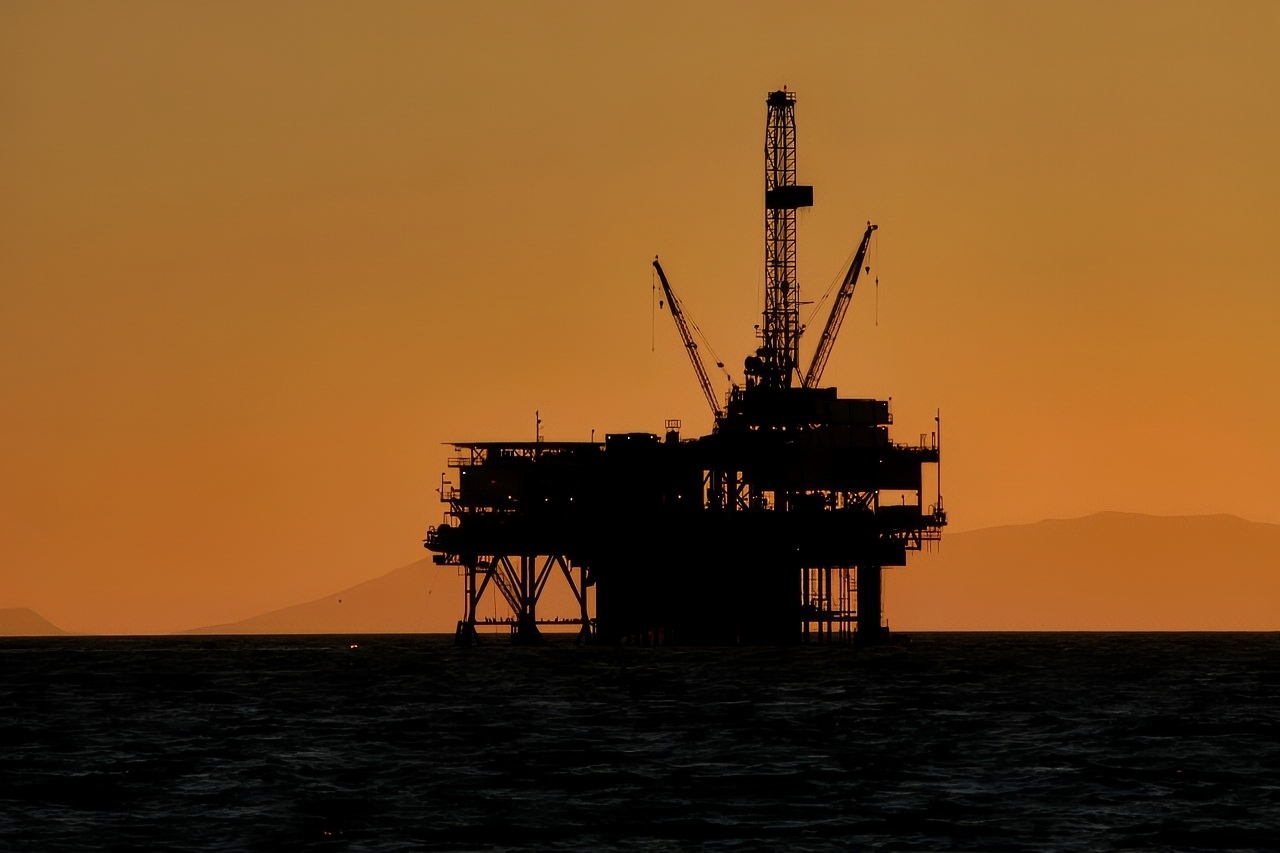
Oil Platform. Image Credit: Creative Commons.
The figures also pose a problem for President Trump. With just four days until the November 3 midterm elections, reports are now revealing to the general public how oil producers and refiners are benefiting financially from a conflict that is costing American voters the most, with households having collectively spent $147 billion extra on gasoline and diesel since the war began on February 28.
Oil Industry Profits Nearly Triple
According to the Times report, which examined financial data from more than 50 major American oil and gas firms, the combined profits exceeded $130 billion between April and September this year. During the same six months of 2025, the companies examined earned less than $47 billion.
The analysis drew on company financial statements and data from S&P Global Market Intelligence, and because it excluded March and October, total profits during the war could be substantially higher.
The findings also come amid a series of exceptional earnings announcements, with ExxonMobil and Chevron both exceeding Wall Street’s expectations on October 30, largely because of higher earnings from their refining operations.
The two companies are among the biggest beneficiaries of disruptions in international energy markets, though American refiners that don’t also produce crude oil have posted extremely strong results.
How Much ExxonMobil and Chevron Made
On Friday, ExxonMobil announced third-quarter net earnings of $15.4 billion, with adjusted earnings of $17.5 billion. Adjusted earnings per share hit $4.23, also exceeding most analysts’ expectations.
Chevron, meanwhile, reported $9.9 billion in earnings, up from $3.5 billion in the same period last year. Its adjusted earnings reached $10.4 billion.
Exxon’s refining business saw significantly more profit than its oil and gas production operations for the first time in at least six years, and the company’s chief financial officer, Neil Hansen, acknowledged that its profits came as American consumers face worsening financial pressure.
“We certainly acknowledge that the higher fuel prices put pressure on families and businesses,” he said. “But this is one of those situations and types of business where you can’t invest your way out of these conditions overnight. The decisions that matter today were made years ago.”
Other companies are reporting similarly huge gains; a report on October 28 revealed that Phillips 66, a Texas-based energy firm, posted a record quarterly profit.
How the Iran War Is Boosting Oil Profits
The industry’s massive gains stem from damage to global refining capacity and disruptions to oil shipments from the Gulf region. The war with Iran has severely restricted shipping through the Strait of Hormuz, and attacks against energy infrastructure in Saudi Arabia and Russia have reduced the availability of refined fuels. Those disruptions have pushed prices up as the world faces a supply shortage—and prices are unlikely to fall until shipping through Hormuz returns to normal and refining capacity is restored. And that could take years.
American refineries have therefore become particularly profitable because they can keep producing gasoline and diesel while competing facilities overseas struggle to maintain normal operations.
Average U.S. refining profit margins reached about $62 per barrel in October.
Some American companies have also benefited from gaining access to crude through domestic pipelines, reducing their exposure to international shipping. That’s good news for the U.S. oil industry, but not for the average American.
American Households Pay the Price
While oil companies see enormous profits, American households are bearing much of the financial burden.
Research from Brown University’s Climate Solutions Lab shows that American consumers have spent an additional $147 billion on gasoline and diesel since the war began, or more than $1,100 per household. Higher fuel prices are also raising the costs of other goods because transportation and production costs are rising. These figures pose a major challenge for President Donald Trump and his Republican Party as voters head to the polls, and polls show growing frustration with the rising cost of living.
The Trump administration argues that its military campaign is necessary for national security, but with oil supplies and refining capacity dwindling, a case could now be made that the war is, actually, harming American national security.
About the Author: Jack Buckby
Jack Buckby is a British researcher and analyst specializing in defense and national security, based in New York. His work focuses on military capability, procurement, and strategic competition, and he produces and edits analysis for policy and defense audiences. He brings extensive editorial experience, with a career output spanning over 1,000 articles at National Security Journal, and has previously authored books and papers on extremism and deradicalization.


