
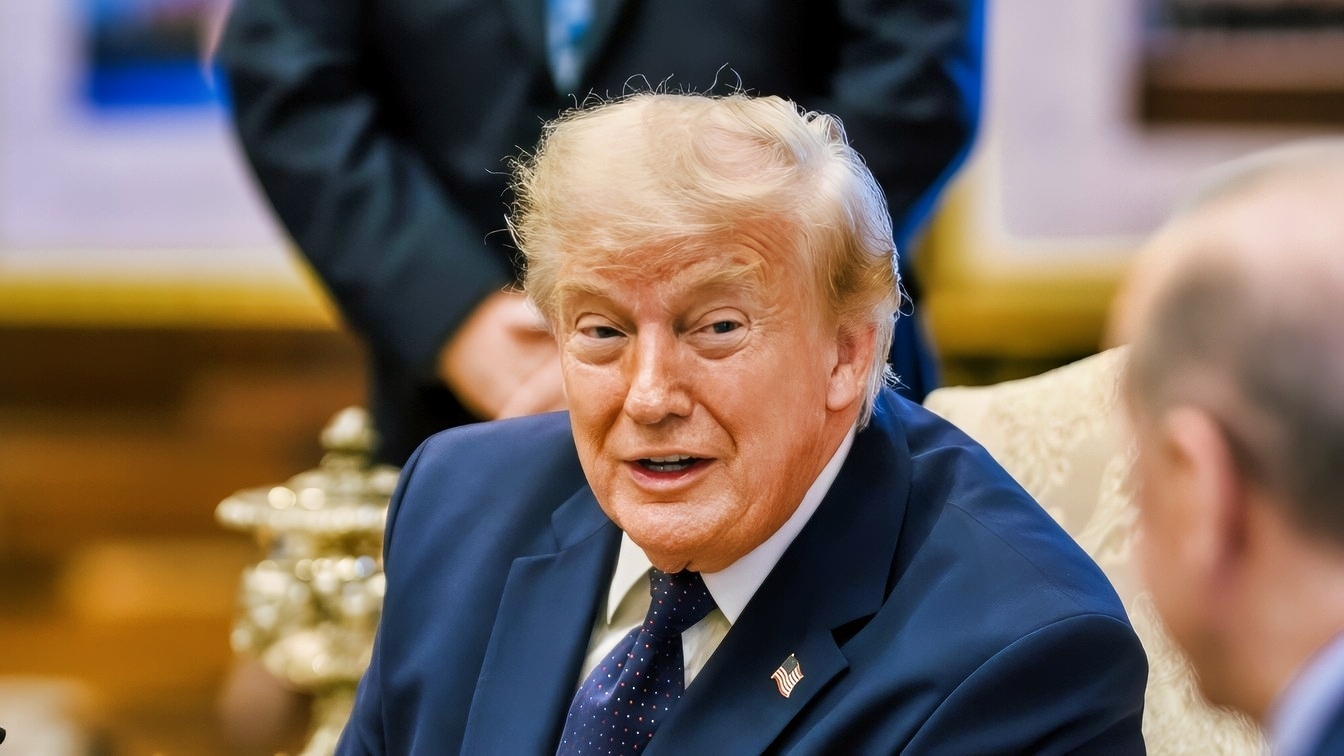
Trump Faces Corruption Allegations From Republicans: Accusations of corruption against President Donald Trump are not new at this point, but following Tuesday’s disastrous midterm defeats for the Republicans, it looks like the accusations are now coming from within his own party. Republican Senator Ron Johnson of Wisconsin has publicly accused the president of corruption, despite being a longtime Trump supporter. Johnson made the accusations during a Fox News interview on Saturday, November 7, citing allegations from a former White House adviser who resigned last month.
Johnson argued that powerful corporate interests are influencing decisions in the Trump White House and federal agencies, despite his repeated promises to end corruption in Washington. And the accusations come at a terrible time for the president, who is fighting to end the war with Iran, preserve his legacy, fulfill his promise of bringing down prices, and somehow maintain control over the Republican Party after he leaves office.
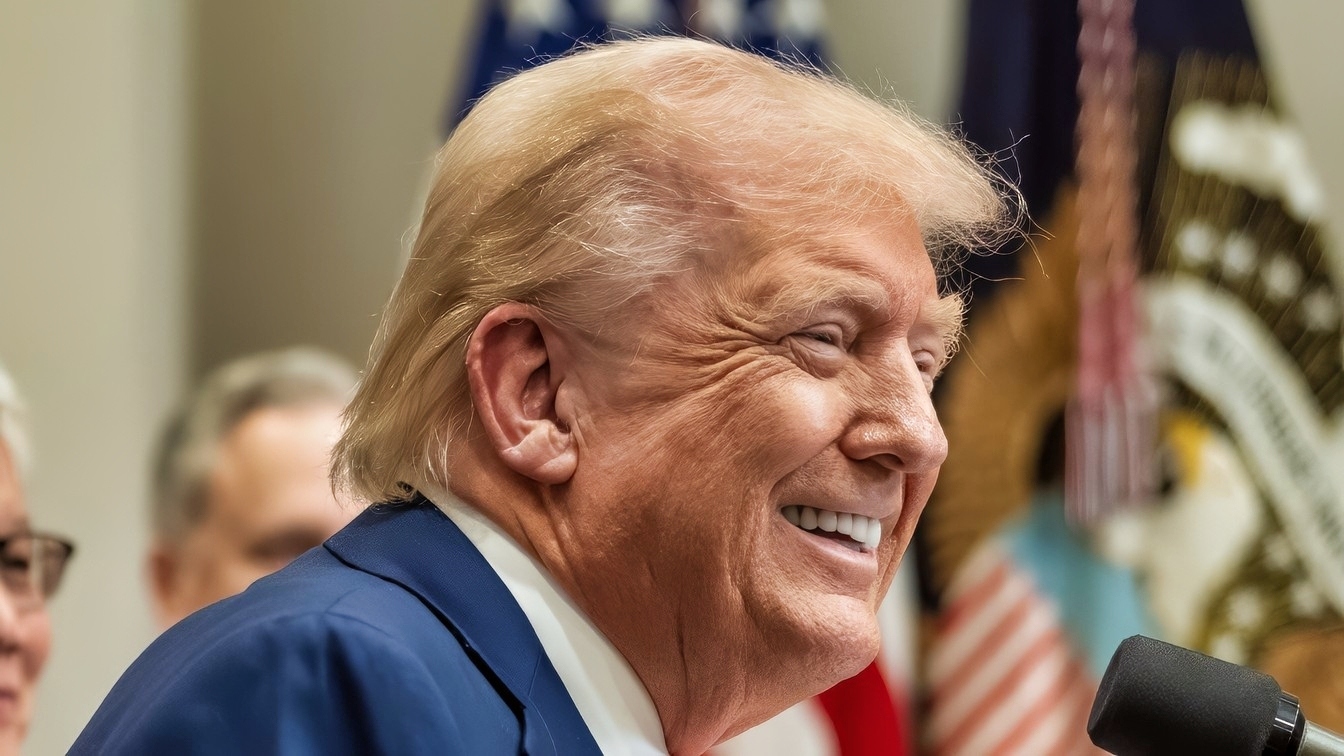
President Donald Trump meets with Vice President JD Vance and national security advisers on Ukraine, Monday, March 3, 2025, in the Oval Office. (Official White House Photo by Joyce N. Boghosian)
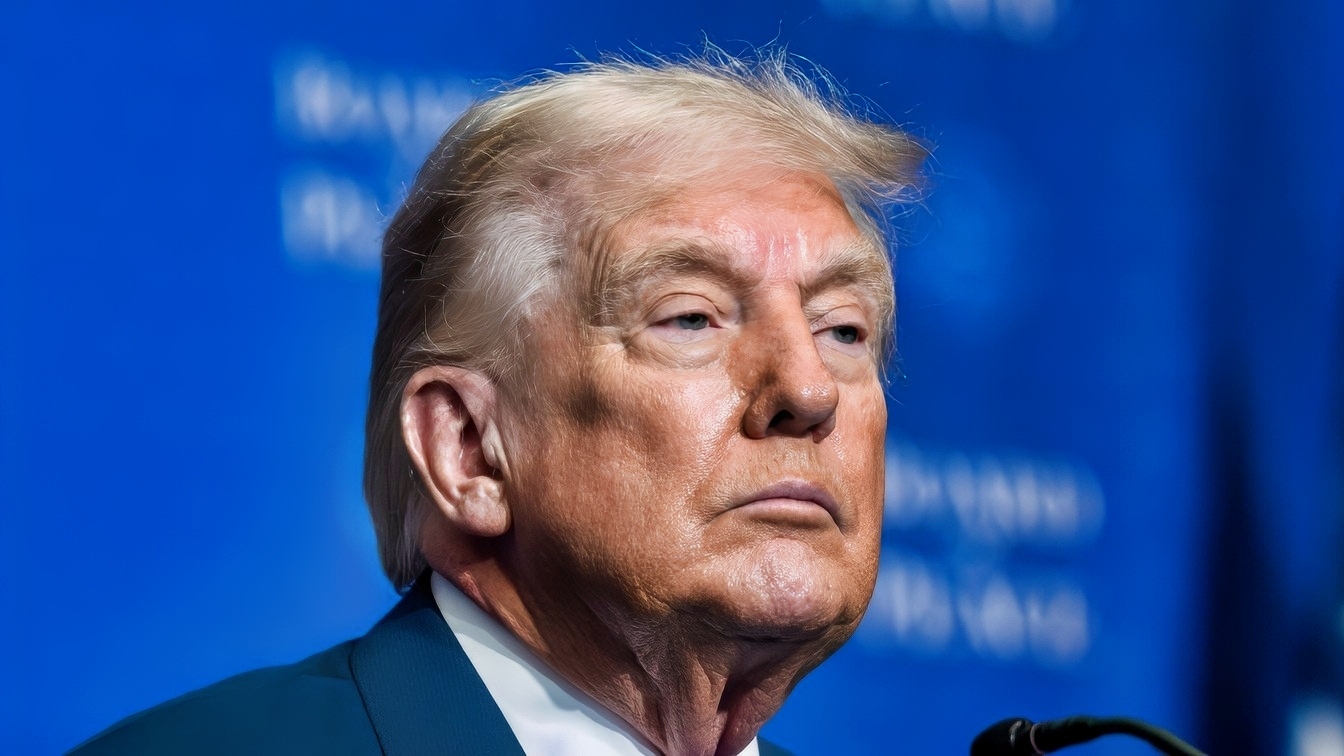
President Donald Trump participates in a Board of Peace meeting at the Donald J. Trump Institute of Peace in Washington, D.C., Thursday, February 19, 2026. (Official White House Photo by Daniel Torok)
Johnson Says the Swamp Won
During the Fox News interview, Johnson cited allegations from Calley Means, a former White House adviser who worked closely with Health Secretary Robert F. Kennedy Jr. Means appeared on the Joe Rogan Experience podcast on Friday, November 6, and made damning allegations of corporate influence over the president’s decision-making. Johnson explicitly referenced the “gory detail” of corruption inside the Trump administration outlined on the podcast and argued that corporations have built significant influence over the government agencies that regulate them.
The allegations are particularly concerning for Trump voters who sided with him against Kamala Harris in 2024, as the president built a coalition of Republicans, libertarians, and former Democrats like Robert F. Kennedy Jr., who hoped Trump would fulfill his promise to make America healthy again.
He said that the coalition’s supporters “were expecting us to drain the swamp, but it seems like the swamp won.”
“I would suggest all of your listeners listen to the Joe Rogan podcast with Calley Means. Calley lays out, in gory detail, the corruption, the bipartisan corruption, across all branches of government. The problem is government. Government is power; power corrupts,” he said.
“If Republicans are going to win in 2028, we need to reembrace the enduring principles of our founders, limited government,” he added.
Calley Means Blows the Lid Off Corruption
Means’ accusations are significant, given his deep involvement with the Trump administration. Means resigned roughly two weeks before the midterm elections and has spent his time since then criticizing senior administration officials. Means has claimed that a relatively small group of White House officials, including former chief of staff Susie Wiles, have obstructed policies supported by the Make America Healthy Again (MAHA) movement that helped bring Trump to power.
He has also alleged that some officials were motivated by their own personal financial interests. Among his claims about Wiles was that the former chief of staff, replaced earlier this week by Stephen Miller, blocked an initiative to improve children’s diets because she feared it would jeopardize political donations from the sugar industry. He also alleged that Wiles had previously worked for pesticide and pharmaceutical companies, which he suggested influenced her decisions while working for the president.
Means also singled out James Blair, President Trump’s former deputy chief of staff for legislative, political, and public affairs, claiming that his proximity and relationship with Wiles influenced his decisions as well as his own financial relationships with the sugar industry.
And then there’s Tony Fabrizio, President Trump’s chief pollster, whom Means accused of taking payments from Pepsi and various pharmaceutical firms while also advising the White House on policy-making decisions relating to those industries. According to Means, Fabrizio blocked efforts to reform school lunches and establish a federal definition of ultra-processed foods.
Means also accused Wiles of blocking efforts to investigate the safety of some food ingredients and even claimed that Kennedy was excluded from discussions about an executive order that increased domestic glyphosate production. The allegations also went further, with Means claiming that senior officials supported expanding access to flavored electronic cigarettes after the tobacco industry made significant donations to Republican Party campaigns.
The allegations are exactly that: allegations. Wiles and Blair have disputed the claims, and the White House insists that the administration had delivered major reforms under the MAHA agenda. But with Means’ reputation in the MAHA world, the allegations are likely to cause major trouble for the White House, and potentially the Republican Party, as it risks losing a critical part of the coalition that made the Trump 2024 campaign electorally viable.
President Trump now faces several challenges. He needs to end the war with Iran, prepare for war with Democrats, face down these corruption accusations, fix anything that may have been identified correctly, preserve his legacy, maintain unity within the Republican Party, and help lead the party to victory in 2028 in whatever way he constitutionally can.
About the Author: Jack Buckby
Jack Buckby is a British researcher and analyst specializing in defense and national security, based in New York. His work focuses on military capability, procurement, and strategic competition, and he produces and edits analysis for policy and defense audiences. He brings extensive editorial experience, with a career output spanning over 1,000 articles at National Security Journal, and has previously authored books and papers on extremism and deradicalization.


