

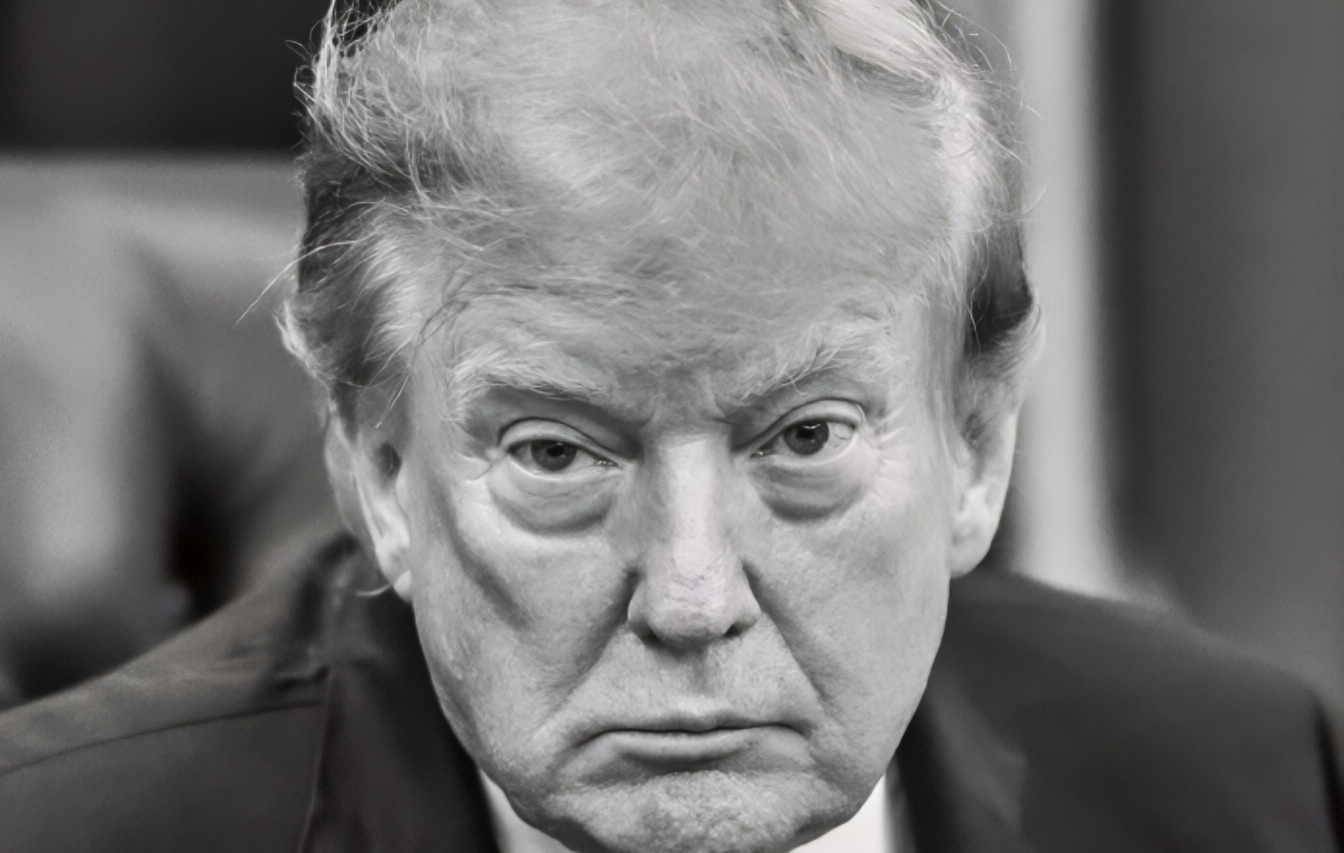
Following widespread GOP losses in the midterm elections on November 3, with many voters citing the Iran war as the number one reason turning them away from President Donald Trump and the Republican Party, Trump can’t seem to choose between calling for a full-scale resumption of force and a middle way of continued economic pressure to end the war. And, of course, a deal is still possible. What happens next? What will Trump decide?
Locked and Loaded
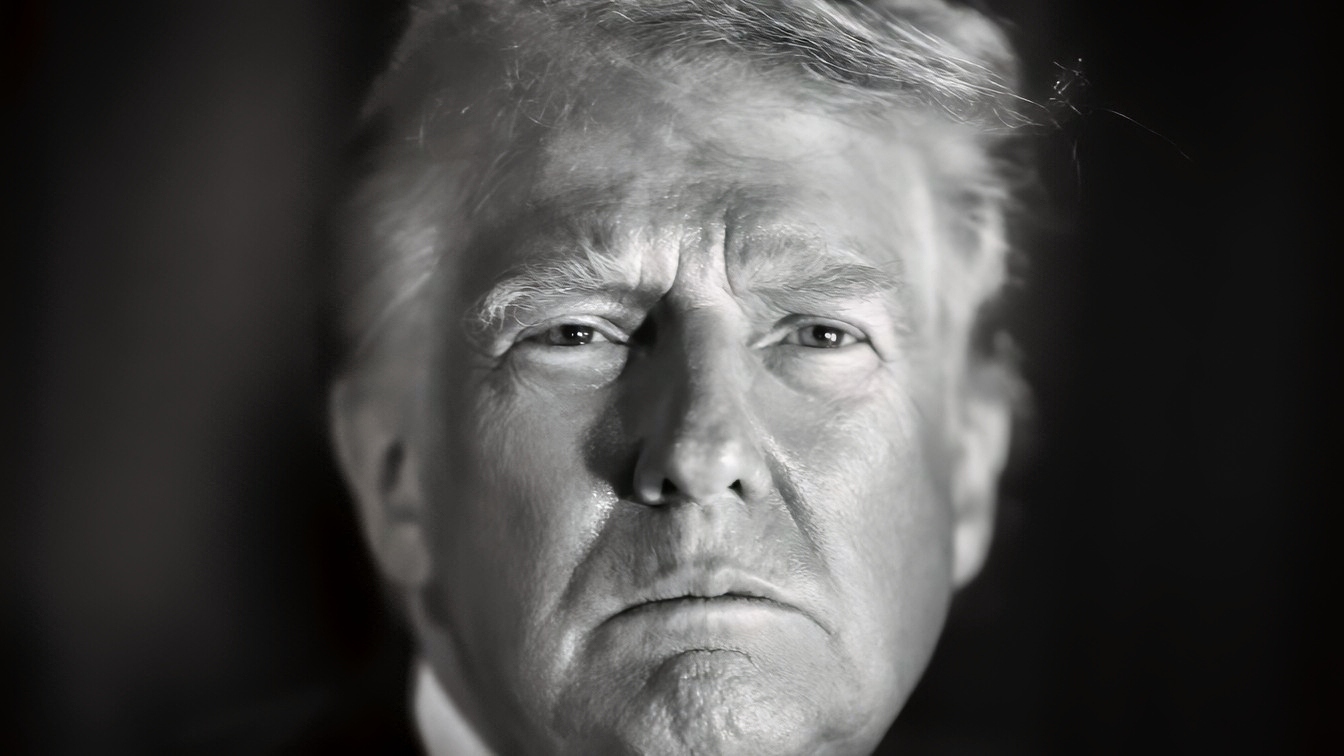
Donald Trump Black in White Photo 2024. Creative Commons Photo.
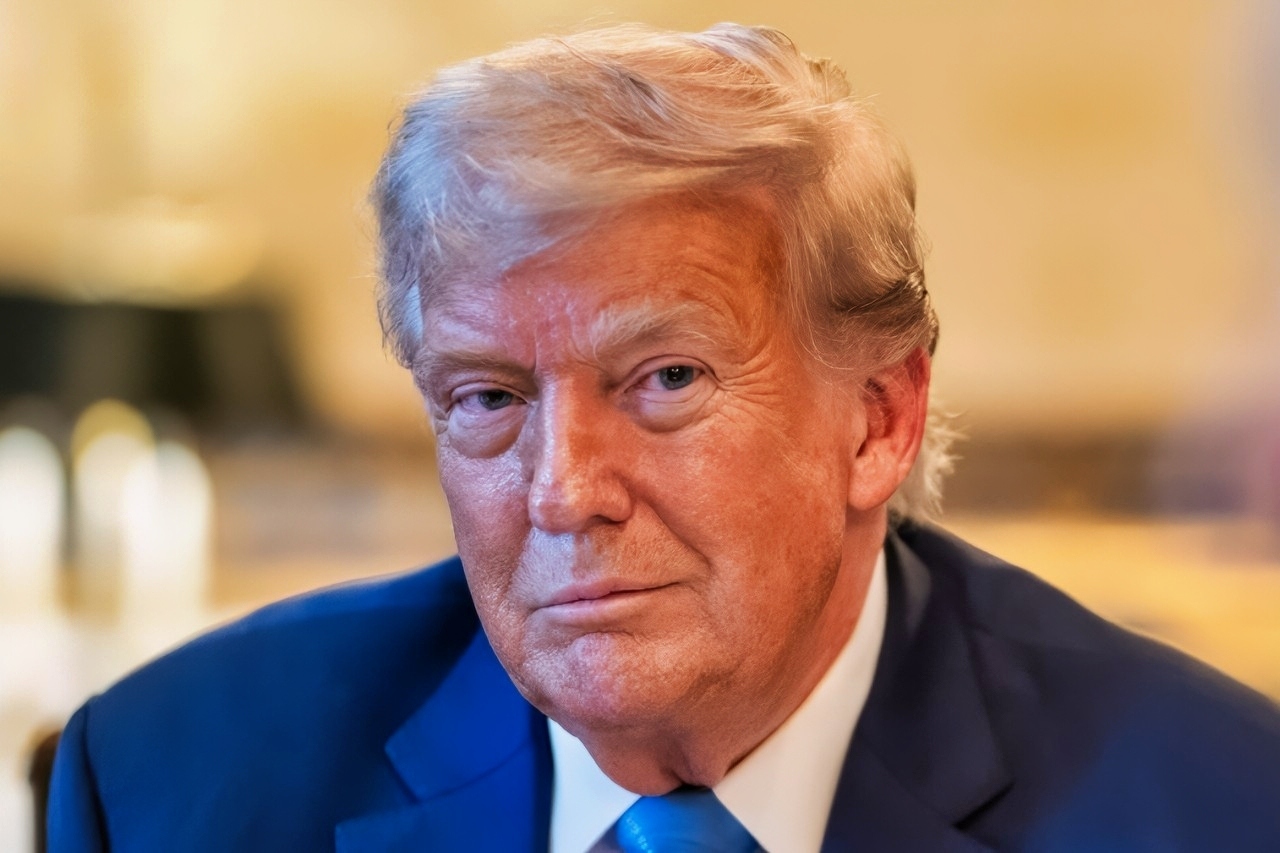
President Donald Trump hosts a bilateral dinner for Israeli Prime Minister Benjamin Netanyahu, Monday, July 7, 2025, in the Blue Room. (Official White House Photo by Daniel Torok)
Just a week before the midterms, US officials were warning allies in the Middle East to be prepared for more military operations against the Islamic Republic of Iran after the elections and potential retaliation.
The massive losses Republicans have experienced have now changed his tune.
In a recent post published on Truth Social on November 9, Trump says US military forces remain “locked and loaded,” but that it was unlikely more force would be necessary to end the war.
One unspoken reason the Commander in Chief now seems hesitant to resume military operations may not simply be how taxing it has been on America’s military resources, but the fact that it has also proven widely unpopular with the public.
“Positive Momentum”
The same November 9 statement started by highlighting Trump’s recent meeting with the prime minister of Qatar.
He said Sheik Mohammed bin Abdulrahman Al Thani agreed that the best way to achieve a total surrender from Iran is to maintain the current “status quo” of economic pressure through blockades and sanctions. He said other allied Middle Eastern nations, such as Bahrain and Saudi Arabia, also agree with this approach.
Trump maintained that the goal was still to make sure Iran would not obtain nuclear weapons, which he said remains “non-negotiable.” Although he reminded readers that the US military is “ready to go,” he assured the public that no further strikes would be necessary and that there was positive momentum toward ending the conflict through economic means.
Trump Asks Vance to Focus on Fraud
In another statement on Truth Social a few days later, on November 12, Trump said he had asked Vice President JD Vance to focus all his attention on crime and corruption in cities and states run by Democrats, such as California, Minnesota, and Illinois.
He described these areas as “corrupt disasters” that are being poorly run by Democratic leadership and maintained that rooting out this corruption would quickly balance America’s budget.
At the end of the statement, Trump addressed the Iran war again and said a deal was not needed. The US President said that option has “long since passed” and gloated that America has “hundreds of billions of dollars” of Iran’s money frozen, as well as control over the Strait of Hormuz.
Redirecting Vance away from participating in negotiations with Iran may be tied to a recent divide between the two leaders after the midterm elections.
Following widespread Republican defeat, Vance posted a statement on his X account listing several reasons voters turned away from the GOP. Citing polls asking voters what would regain their support, the number one response was to “end the war.”
The other three conditions voters cited were to refocus on lowering inflation and the cost of living, putting America first, and changing US relations with Israel.
What Marco Rubio Is Saying
Last week, US Secretary of State Marco Rubio pushed back against claims that the situation had become a “stalemate.” While visiting Paris, Rubio told reporters at the G-7 summit that economic pressures are working well enough that Trump does not need to resort to further “major combat operations.”
The following day, Trump delivered a speech at Arlington National Cemetery in celebration of Veterans Day and blamed Iran for starting the war, one he claims they started in 1979. Trump said all America did was fight back, claiming the war was already won.
It is a claim that the president has made before.
Some progress had been made in recent days, however.
An anonymous insider told the Washington Post that Iranian negotiators had expressed willingness to talk about Tehran’s nuclear program. At the same time, US negotiators were open to talking about Iran’s economic demands. Whether that could be the foundation of any new agreement, at least for now, is hard to know.
About the Author: Georgia Gilholy
Georgia Gilholy is a journalist based in the United Kingdom who has been published in Newsweek, The Times of Israel, and the Spectator. Gilholy writes about international politics, culture, and education.


