

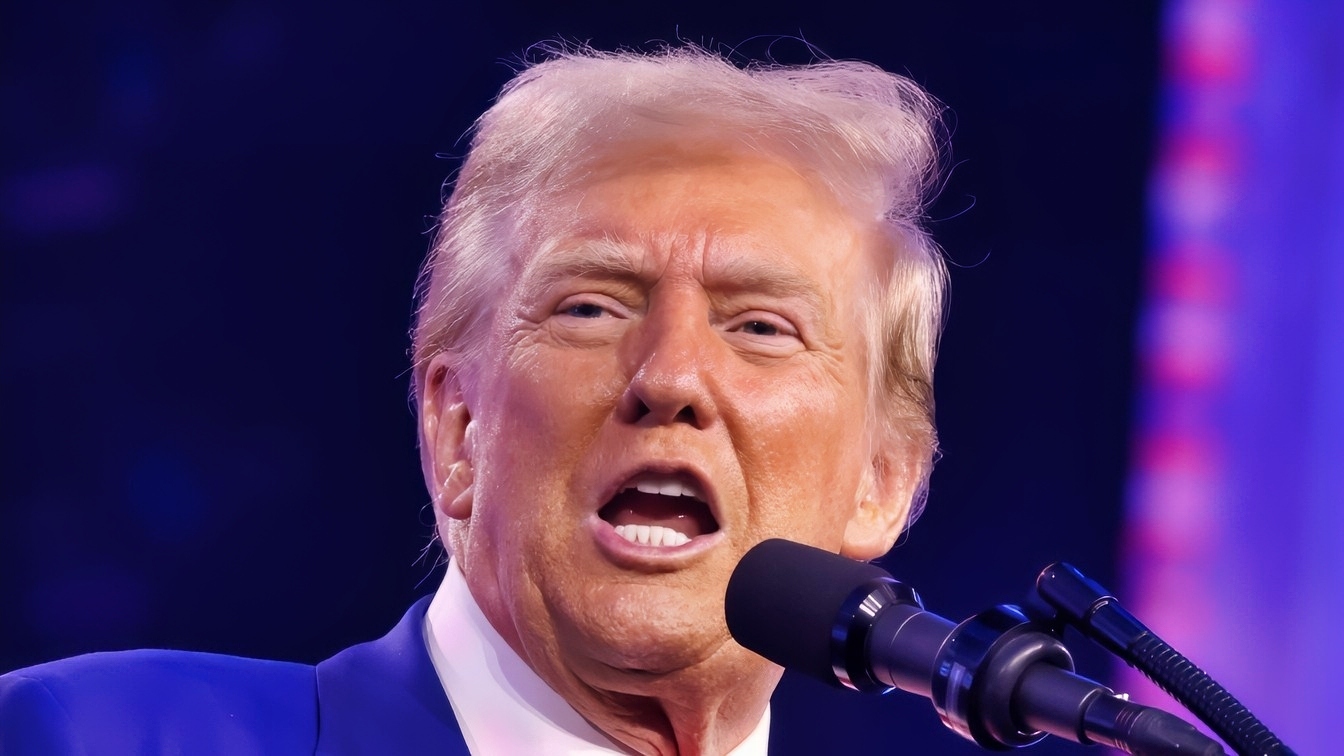
Just a day after President Donald Trump said Iranian ships trying to avoid a U.S. naval blockade would be attacked and sunk, Iran has vowed to respond to the embargo using “all our tools.”
Washington continues to impose the naval blockade, which it initially put in place on April 13. It was suspended in June amid talks with Iran but reinstated on July 14 when a draft deal broke down.
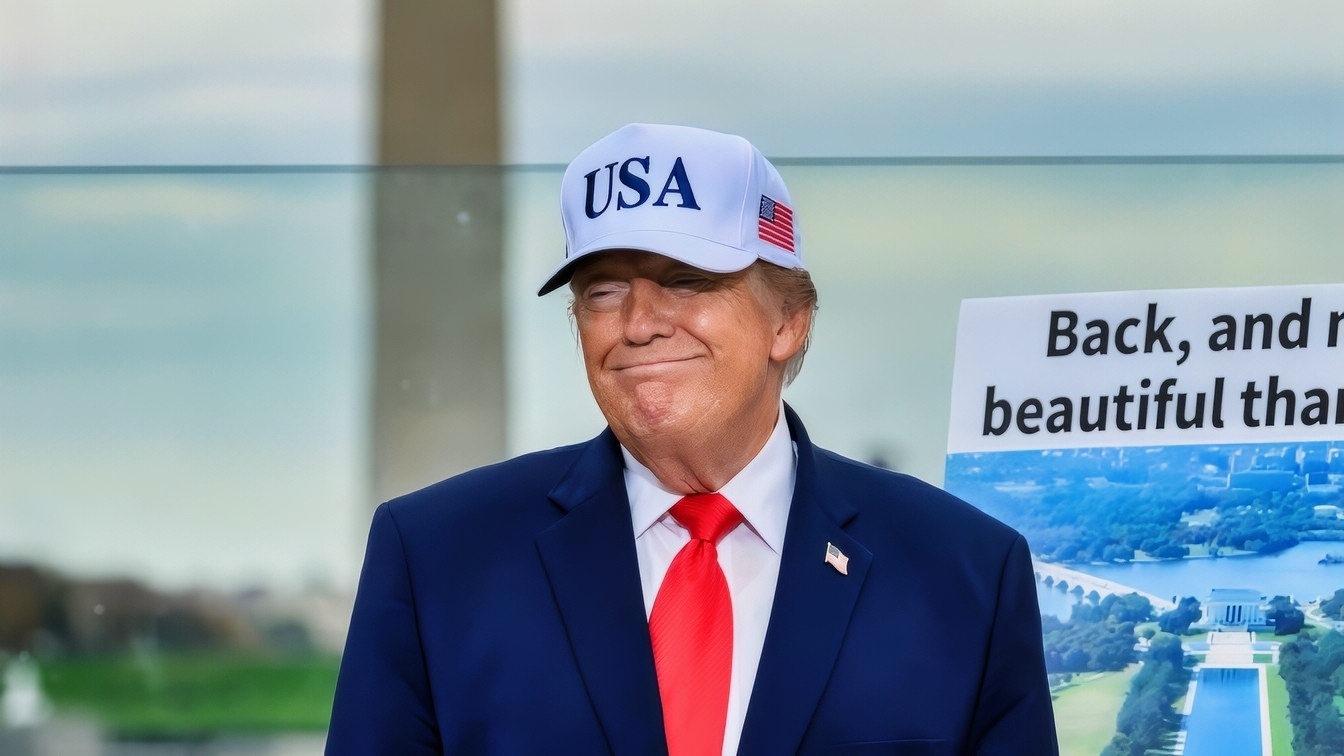
President Donald J. Trump delivers remarks the day before the midterm elections, Monday, November 2, 2026, at the Lincoln Memorial Reflecting Pool on the National Mall in Washington, D.C. (Official White House Photo by Joyce Boghosian)
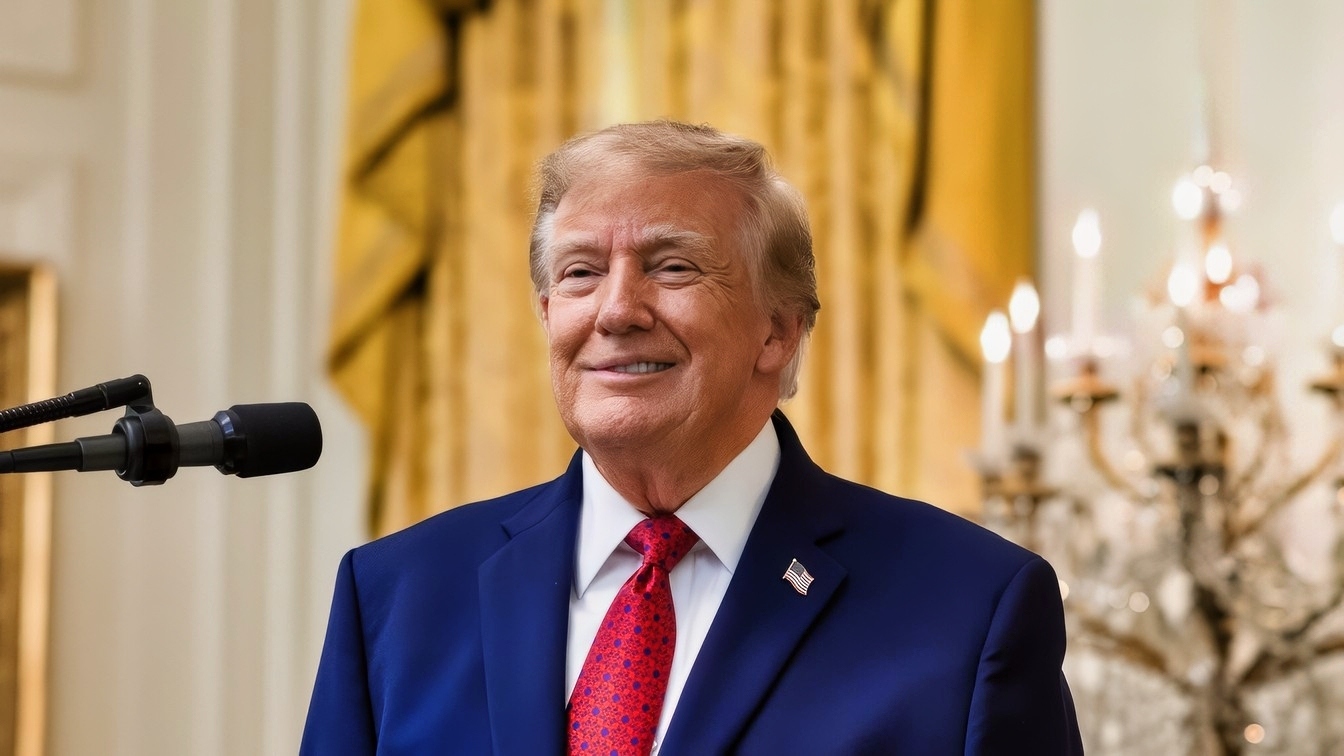
President Donald J. Trump makes remarks at a Hispanic Heritage Month Celebration in the East Room, Wednesday, September 30, 2026, at the White House. (Official White House Photo by Joyce Boghosian)
On November 18, U.S. Central Command expanded its blockade enforcement guidance to cover vessels receiving Iranian cargo through ship-to-ship transfers.
The revised guidance allows U.S. forces to intercept ships receiving Iranian cargo through ship-to-ship transfers, even if the receiving vessel has not entered an Iranian port.
Vessels suspected of doing so could be stopped, boarded, diverted, or captured. Crews disobeying orders could face measures “including the use of force consistent with applicable law.”
Although ships of neutral nations heading for non-Iranian ports may continue to pass through the Strait of Hormuz, humanitarian aid is also allowed but must undergo checks.
Iran’s Unattainable Oil Dollars
Tehran has been severely affected by the embargo so far. According to a November 10 report by Seatrade Maritime News, citing data from United Against Nuclear Iran, Iran’s monitored petroleum exports in October were reduced to a single shipment of liquefied petroleum gas.
Iranian crude oil exports were at “a virtual standstill” because of the embargo, Charlie Brown, a leading policy adviser at the group United Against Nuclear Iran, told Seatrade.
There are also indications that Iran is exploring alternative export methods to bypass the blockade.
On November 17, UANI reported that the OLYM tanker transferred approximately 200,000 barrels of Iranian crude to HAO FAN south of Kharg Island.
Further, on November 19, TankerTrackers.com reported another ship-to-ship transshipment.
Is Oil Bypassing Embargo?
However, these reports do not make it clear that the oil effort actually bypassed the embargo. On Monday, Iran’s Foreign Ministry spokesperson Esmail Baghaei denied that Iranian ships were carrying out oil transshipments, describing the reports as “speculations.”
News that over 14 oil tankers had assembled off Kharg Island led to suggestions that Iran may be planning a joint operation to provoke a U.S. response.
Yet the Iranian government has yet to officially announce any convoy plan.
“The blockade must be broken,” Foreign Minister Abbas Araghchi was quoted by Iran’s ILNA news agency as saying on Friday, Iran International reported.
A vessel apparently identified on MarineTraffic as “Khat Shekan,” meaning “line-breaker,” was later revealed to be a false AIS signal. TankerTrackers said satellite imagery showed no corresponding vessel.
Trump Threatens Iran
On Sunday, Trump was not exactly conciliatory when asked by Fox News if he thought Iran would try to evade the embargo. “I hope they do; they’ll all be at the bottom of the sea like the rest of the navy,” he said.
He also referred to Iran’s peace talk representatives as “professional tap dancers.” Trump suggested that if talks did not succeed, he might recommence aerial bombardments next year.
Analysts believe Iran is unlikely to be able to outmatch the U.S. Navy directly. “The Americans possess overwhelming naval superiority,” Andreas Krieg, a security expert at King’s College London, told Al Jazeera on November 20.
Washington believes that implementing an embargo can bring Iran back to the bargaining table without immediately restarting wide-ranging hostilities, noted Rob Geist Pinfold, a lecturer in international security at King’s College London.
Perilous Strait
On November 23, the UK Maritime Trade Operations agency reported an incident “involving a tanker and military forces” in the Gulf of Oman.
Iran’s Islamic Revolutionary Guard Corps (IRGC) meanwhile independently claimed that mines had damaged two tankers — although no link has been established between these events.
After accusing Iran of being responsible for an attack over the weekend, Bahrain’s government expressed outrage.
Qatar described it as a “flagrant violation of its sovereignty and territorial integrity,” while Kuwait added that such attacks “threaten the region’s security and stability,” ABC News reported.
Baghaei said Iran could fulfill its commitments to reopen the Strait of Hormuz quickly if Washington met Tehran’s demands, including lifting the blockade and waiving sanctions.
About the Author: Georgia Gilholy
Georgia Gilholy is a journalist based in the United Kingdom who has been published in Newsweek, The Times of Israel, and the Spectator. Gilholy writes about international politics, culture, and education.


