


Europe’s biggest joint defense project has huge ambition, but its top players just cannot seem to get along on how it should proceed. The so-called “FCAS” (Future Combat Air System) was formerly touted as the poster child for European military unity. France and Germany kick-started the program back in 2017, with Spain jumping on the bandwagon in 2019. The program, worth some €100 billion, was intended to deliver much more than a cutting-edge fighter jet. It was meant to manufacture a whole new sixth-generation air combat network by the early 2040s, encompassing crewed aircraft, drones, remote carriers, engines, sensors, and a secure digital “combat cloud” linking up data in real time.
Fighter Jet Element Could Split
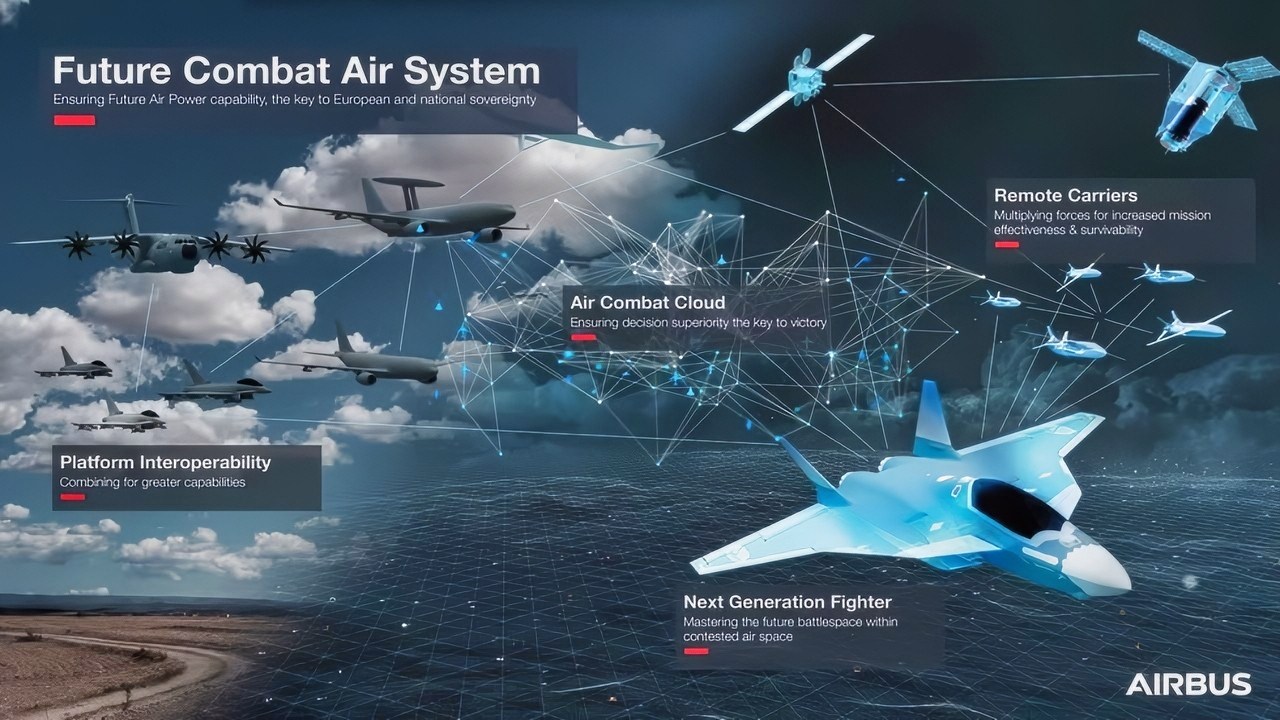
FCAS Graphic. AIRBUS Handout.
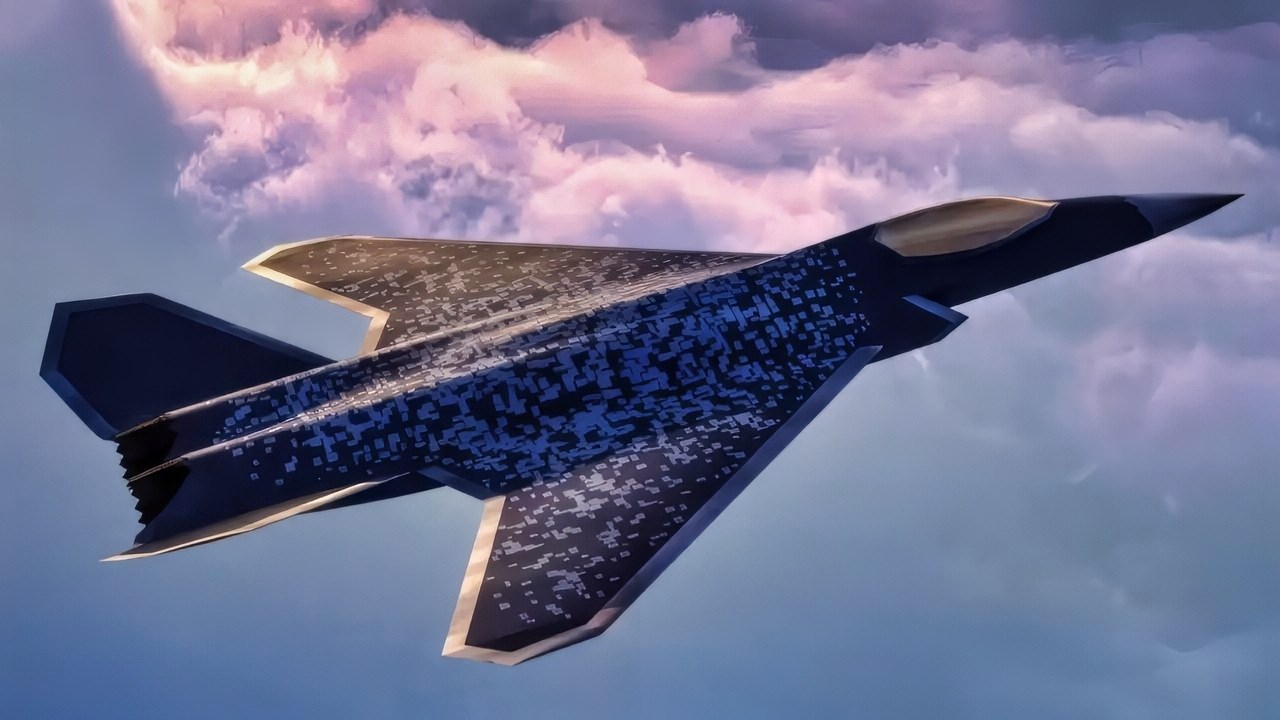
FCAS Artist Photo Creation. Image Credit: Creative Commons.
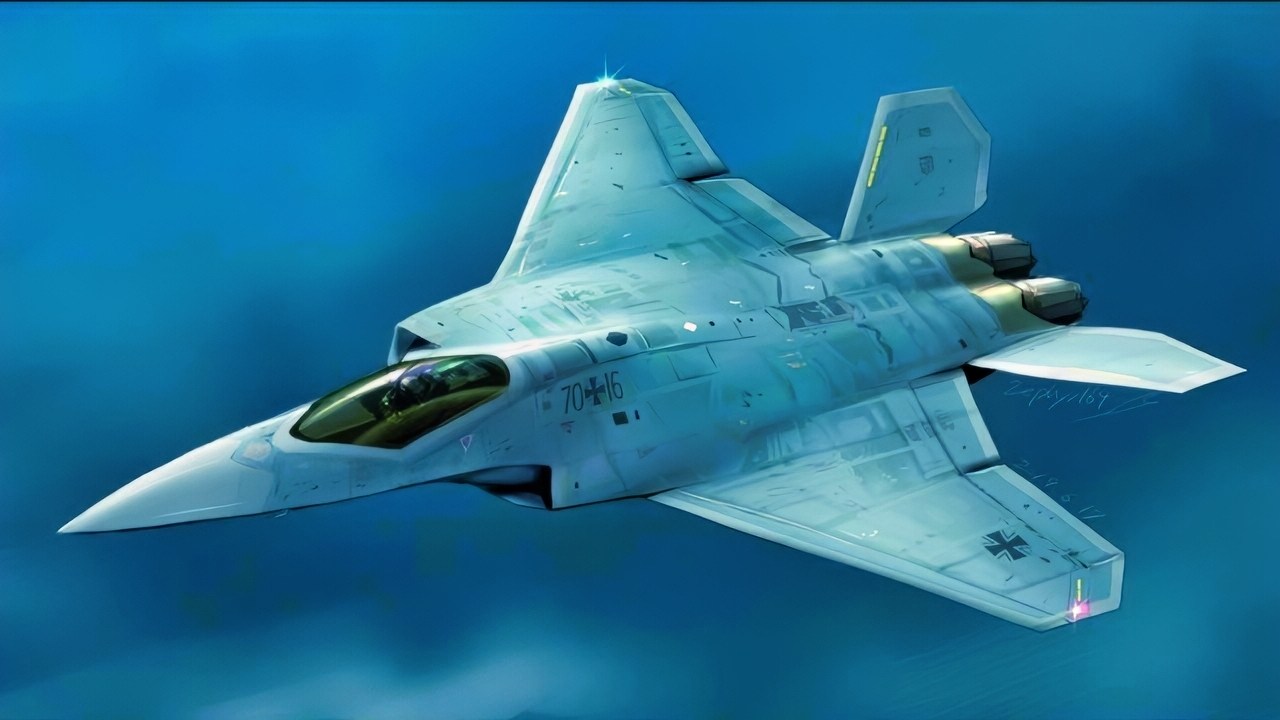
FCAS Photo Artist Image. Image Credit: Creative Commons.
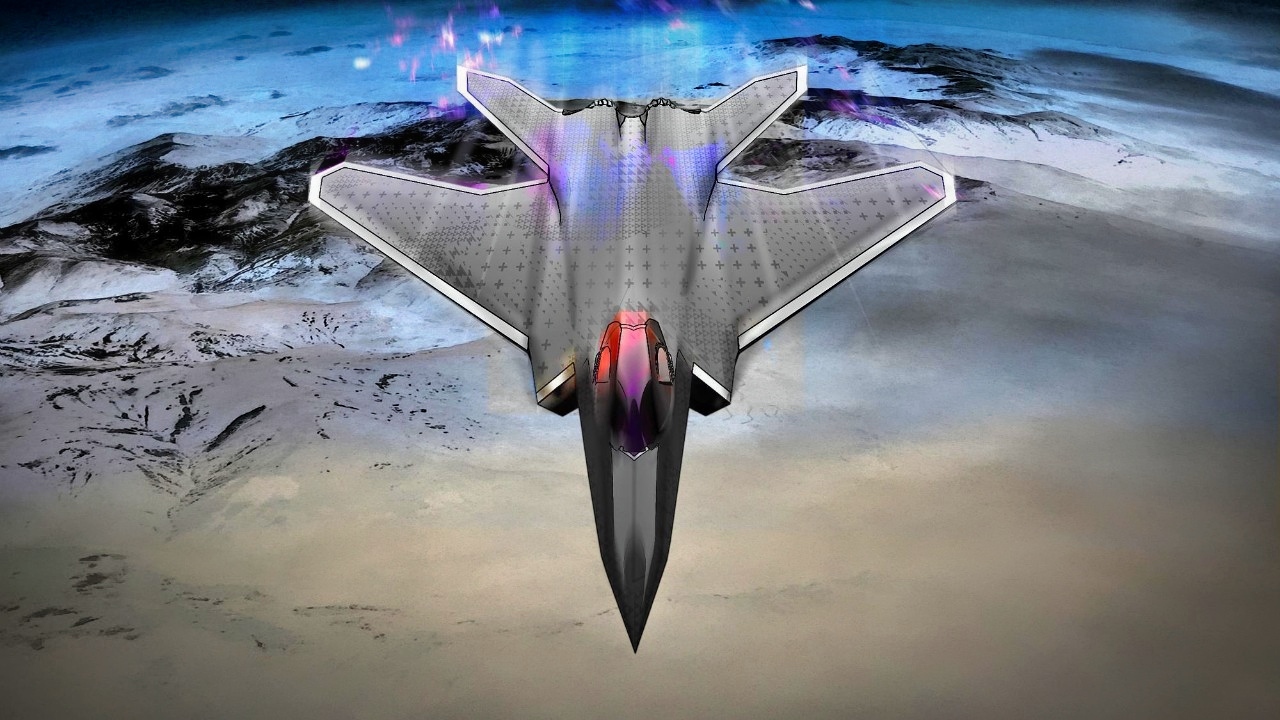
FCAS Fighter from Dassault. Image Credit: Dassault.

FCAS Fighter Mock Up. Image Credit: Creative Commons.
On Monday, Deutsche Welle reported that the initiative could wind up with two separate fighter jets instead of just one.
Airbus, which represents German and Spanish industrial interests in the initiative, has signaled it could restructure FCAS if nations conclude the current model is at an impasse. This option would allow France and Germany to begin acquiring combat jets while maintaining cooperation on the broader network of drones, sensors, and digital systems. That would be a huge reversal from the political vision they began with, but it could be the only way to salvage part of the program.
Airbus CEO Guillaume Faury has argued that the deadlock over one part of the project should not be allowed to undermine the broader European capability. Last week, Faury told Reuters that the three partner governments continued to mull over FCAS’s future, while Airbus remains keen to stress that the program is broader than the jet.
Defense Tech Cooperation Could Endure
Airbus describes FCAS as a “system of systems” in which next-generation fighters would work with uncrewed carriers, new aircraft such as the Eurofighter and Rafale, satellite-linked communications, artificial intelligence, big data tools, and a combat cloud.
Airbus has noted that the first FCAS capabilities could begin rolling out at the end of this decade.
France wants a future aircraft capable of operating from aircraft carriers and carrying nuclear weapons. Germany is not a nuclear power and thus has contrasting needs. Indeed, Berlin has already picked the U.S.-made F-35 for NATO nuclear-sharing missions.
German Chancellor Friedrich Merz has publicly acknowledged the divide, saying that France needs a nuclear-capable next-generation aircraft, while Germany does not currently require one for the Bundeswehr. If those differences cannot be reconciled, he warned, the project itself may not be sustainable.
Industrial Rivalries Rumble On
Then there are the industrial disputes. Dassault Aviation, which spearheaded France’s Rafale jet, demands power over the combat aircraft. Airbus Defense and Space, representing German and Spanish interests, is seeking a larger role in development and technology.
Talks over leadership, work share, and intellectual property continue to slow the program.
Talks between Airbus and Dassault over the Dassault-led core fighter stalled earlier this year and have yet to be fully revived. Airbus has floated the idea of splitting the program into two jets while preserving the shared digital backbone.
Faury also pointedly noted that Airbus already cooperates with BAE Systems and Leonardo on the Eurofighter—not every company is up to such cooperation.
Dassault has expressed a desire to cooperate, but is craving clearer lines of control, with the Paris-based firm leading the fighter and Airbus taking the reins in other areas.
‘Limits’ of EU Ties Laid Bare
Writing for The Loop, Maya Ikene argued that FCAS has publicly revealed the limits of the Franco-German “engine” that has historically driven post-war European integration. France tends to see defense cooperation as a route toward strategic autonomy and reduced dependence on America. Germany remains more anchored in NATO and transatlantic interoperability.
Those differences can be managed in speeches and communiqués. Still, they become far harder to disguise when governments are deciding who designs the aircraft, who owns the technology, and whose military doctrine shapes the final product.
FCAS might not even be the end of these rows, with DW reporting that it could also compromise the Main Ground Combat System project to create a Franco-German “super tank” that ought to replace Germany’s Leopard 2 and France’s Leclerc.
There are no easy answers to any of these issues, but there is pressure to resolve them. Russia’s 2022 invasion of Ukraine is already pushing governments to spend more on defense and reduce strategic reliance on the United States. But coordinating European weapons procurement is tougher than simply voicing a need for Europe to contribute more.
A two-fighter solution would not totally kill FCAS. Still, it would obviously be an admission that the grand Franco-German idea of defense integration will remain just that: an idea.
About the Author: Georgia Gilholy
Georgia Gilholy is a journalist based in the United Kingdom who has been published in Newsweek, The Times of Israel, and the Spectator. Gilholy writes about international politics, culture, and education. You can follow her on X: @llggeorgia.


