

Russia launched 41 missiles and 125 drones against Ukraine overnight into July 19, concentrating most of the missile attack on Kyiv in what President Volodymyr Zelensky called one of the largest ballistic barrages against the capital since the war began. At least one person was killed, and 17 were injured in Kyiv and the surrounding region, according to the Kyiv Independent’s updated account.
The Ukrainian Air Force said Russia used 25 Iskander-M ballistic missiles or missiles fired from S-400 systems, 10 Zircon missiles, three Oniks cruise missiles, and three Kh-59 or Kh-69 guided missiles. Ukraine reported intercepting 18 missiles and 108 drones in its official overnight assessment.
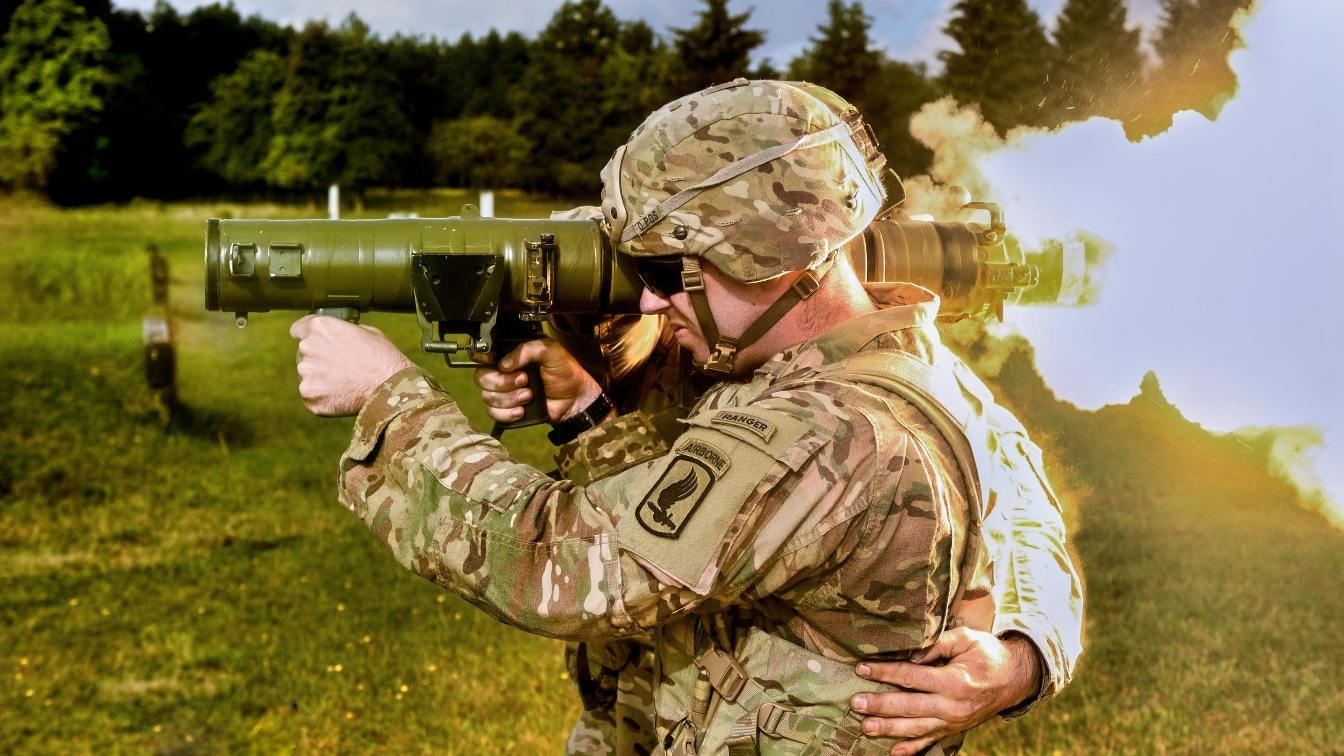
Sky Soldiers from 1st Battalion, 503rd Infantry Regiment engaged targets with the Carl Gustaf 84mm weapon system in Grafenwoehr, Germany September 8, 2018 during Saber Junction 18. Exercise Saber Junction 18 is a U.S. Army Europe-directed exercise designed to assess the readiness of the U.S. Army’s 173rd Airborne Brigade to execute unified land operations in a joint, combined environment and to promote interoperability with participating allies and partner nations.

Student of the Advance Small Arms Instructor (ASAI) conducted a range with M-203 grenade luncher, C16 Automatic Grenade Luncher, C6 light machine gun and Carl Gustav 84mm anti-tank. These photos were taken at the Infantry School, 5th Canadian Division Support Base (5 CDSB) Gagetown, New Brunswick, on 31 October 2024.
Twenty-three missiles and 10 drones reached 10 locations, while debris fell at 18 other sites, the Air Force said. Residential buildings, warehouses, a supermarket, a dormitory, a metro entrance, and commercial properties were damaged across several districts of Kyiv. Reuters reported that three of the wounded were in serious condition.
The attack extended beyond the capital. Strikes in Kharkiv, Zaporizhzhia, Sumy, and other areas raised the national death toll to at least six, according to the Associated Press. Russia said it targeted military-industrial and logistics facilities, while Ukrainian officials reported extensive damage to civilian buildings.
Russia Concentrated Its Hardest Missiles on Kyiv
The 35 ballistic and Zircon missiles posed the central problem for Ukraine’s air defenses. These weapons give Ukrainian crews only minutes to detect, classify, and engage them. A Russian ballistic missile can reach Kyiv in as little as two to four minutes, leaving almost no room for delayed alerts or failed engagements.
Ukraine said it intercepted 17 missiles from the ballistic and Zircon groups. That was a meaningful defensive result, but more than half of those weapons were not reported destroyed. Russia layered drones and other missile types into the same operation, forcing Ukrainian defenses to manage targets with different speeds, altitudes, and flight paths.
This mixed-barrage method has become more visible in recent attacks. Earlier in July, 52,500 people sheltered overnight in Kyiv’s metro as Russia used hundreds of drones and dozens of missiles from several directions. Ukraine stopped most cruise missiles and drones, but ballistic weapons remained the harder problem.
Ukraine’s Patriot Interceptor Shortage Is Now the Main Constraint
The Patriot remains Ukraine’s primary defense against Russian ballistic missiles, but each successful engagement consumes an expensive interceptor produced in limited numbers. Ukraine has previously used the system to intercept Russian Kinzhal missiles, showing that the technology works when crews have enough rounds and launchers in position.
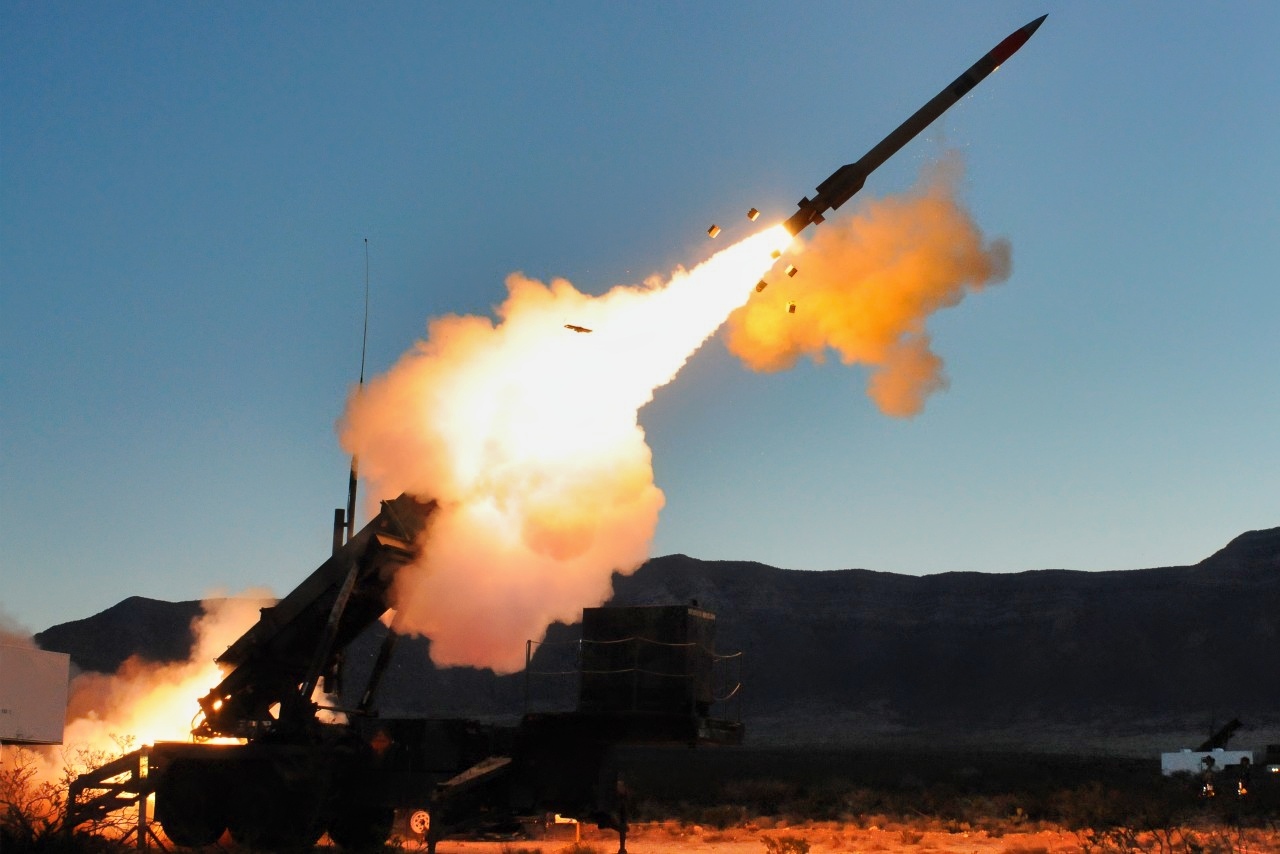
The PAC-3 MSE is a highly sought-after air defense munition due to its advanced capabilities and versatility. As a next-generation interceptor, it offers improved range, speed, and maneuverability, making it an effective counter to a wide range of threats, including tactical ballistic missiles, cruise missiles, and aircraft. (Official U.S. Army photo)
The difficulty is sustaining that performance night after night. Ukraine’s Patriot stock has reportedly fallen to critically low levels during Russia’s July campaign. The July 19 interception total suggests Kyiv received or retained enough high-end missiles for a substantial defense, but it does not show how many remain.
Zelensky said Ukraine and the United States reached a political agreement on licenses for domestic Patriot interceptor production and that manufacturing might begin by the end of 2026. His July 19 statement said interceptors are needed every day because each new package saves lives during major attacks.
Licensed production addresses future supply, while Kyiv’s current stockpile needs replenishment now. Building PAC-3-class interceptors requires specialized components, testing, quality control, trained workers, and cooperation with existing manufacturers. The proposal was announced before all industrial details were settled, creating questions about how quickly political approval can produce finished missiles.
Russia Is Testing Whether Ukraine Can Defend Kyiv Every Night
Russia has repeatedly targeted Kyiv with ballistic missiles in July. On one recent night, all 29 ballistic and anti-ship missiles reportedly penetrated Ukraine’s defenses. Days later, Ukraine intercepted five ballistic missiles during another attack. The changing results reflect stockpiles, launcher locations, warning time, target routes, and the number of missiles fired.
The broader air-defense requirement extends beyond Patriot. Ukraine needs layered systems to handle drones, cruise missiles, aircraft, and ballistic weapons without spending its most capable interceptors on cheaper targets. The need for different systems for different threats has existed throughout the war, but Russia’s larger mixed attacks make the allocation problem more severe.
Ukraine’s defenses remained functional, stopping 126 of 166 incoming weapons, including 18 missiles. Russia nevertheless forced Kyiv to spend scarce interceptors in large numbers and still managed to place missiles inside the capital.
Ukraine Needs Interceptors Before Local Production Begins
The immediate requirement is additional missiles from allied inventories and current production lines. Local manufacturing could reduce Ukraine’s dependence over time, but it cannot protect Kyiv during the months needed to establish a secure supply chain.
Russia has shown that it can assemble repeated ballistic salvos while adding drones and cruise missiles to complicate the defense. The next major attack will test whether Kyiv still has enough Patriot interceptors to produce another substantial interception.
About the Author: Harry J. Kazianis
Harry J. Kazianis (@Grecianformula) was the former Senior Director of National Security Affairs at the Center for the National Interest (CFTNI), a foreign policy think tank founded by Richard Nixon based in Washington, DC. Harry has over a decade of experience in think tanks and national security publishing. His ideas have been published in the NY Times, The Washington Post, The Wall Street Journal, CNN, and many other outlets worldwide. He has held positions at CSIS, the Heritage Foundation, the University of Nottingham, and several other institutions related to national security research and studies. He is the former Executive Editor of the National Interest and the Diplomat. He holds a Master’s degree focusing on international affairs from Harvard University.


