

Recent news reports indicate that Moscow was attacked by a large-scale drone attack from Ukraine for the second consecutive day in a row according to the city’s mayor. The attacks come after Ukraine has been increasing the frequency and intensity of its medium-to-long-range drone campaign against Russia. While Ukrainian attacks have caused significant damage to the Russian economy, Moscow is also taking advantage of Ukraine’s current lack of interceptor missiles, as Russia continues to strike targets across the country with ballistic missiles with near impunity. Both sides are continuing to escalate the conflict with no signs of the violence stopping anytime soon.
Moscow Under Attack
What used to be a rare and noteworthy event has now seemingly turned into an everyday occurrence as drone attacks against Russia’s capital region.
Over the weekend, Sergey Sobyanin, the Mayor of Moscow, announced that around 350 drones targeted the region on Sunday evening, which resulted in three civilians dead and five more injured.
The Russian Ministry of Defense reported that almost all the drones had been intercepted by air defenses. “From 20:00 on July 12 to 08:00 Moscow time on July 13, 342 Ukrainian aircraft-type unmanned aerial vehicles were intercepted and destroyed by air defense systems on duty,” an official release said. Over the weekend, the Russian MoD stated that it had intercepted around 900 drones overall, marking a significant increase in Ukrainian attacks (as always, official MoD claims from either side should be taken with a healthy grain of salt).
Based on the lack of commentary from Ukraine, it is likely that most, if not all, of the drones failed to reach their targets. Russia’s air defense network around the capital is especially sophisticated, with several hundred systems of various types stationed around Moscow. It is only natural to assume that Russia would eventually adapt to its new environment and increase its defenses against unmanned systems.
That, however, has not stopped Kyiv from exploiting past gaps. Just a few weeks ago, several drones managed to slip through Moscow’s defenses and strike the fuel refinery in the city.
Since then, Vladimir Putin has stated that Russia needed to urgently increase its defenses around critical targets.
Ukraine on the Offensive
Ukraine’s recent drone campaign is largely a response to Russia’s own missile campaign against Kyiv, which has targeted the country’s energy infrastructure. Since 2025, Kyiv has increased its attacks against Russian infrastructure, primarily targeting oil refineries and other sites related to Russia’s military-industrial complex.
In 2026, these attacks will only increase. Ukraine has managed to strike the ten largest oil refineries in the country, severely affecting the country’s fuel supply. More recently, however, Ukraine has targeted ships in the Sea of Azov, which it claims are part of Russia’s ‘shadow fleet.’ Combined with the increase in attacks on logistics near the front lines, Ukraine has managed to carry out a sophisticated and successful campaign against an invading force with much greater military capabilities on paper.
The effects of this campaign are well known to all by now. Russia is now facing a severe fuel shortage, which has affected the lives of countless civilians. Originally confined to Crimea and other border regions, fuel shortages have now spread across most of Russia as the government scrambles to contain the economic fallout. Some civilians have reportedly had to wait in queues for upwards of three days to fill up their cars. The effect has been a broad, demoralizing feeling that has spread across the country as the fragile peace Putin sought to maintain has been slowly unraveled. Of course, contrary to many optimistic reports from the West, Russia is not on the verge of a collapse or a military coup. However, the recent Ukrainian drone attacks have made the situation much worse for the Kremlin.
The Kremlin Strikes Back: Patriot Problems
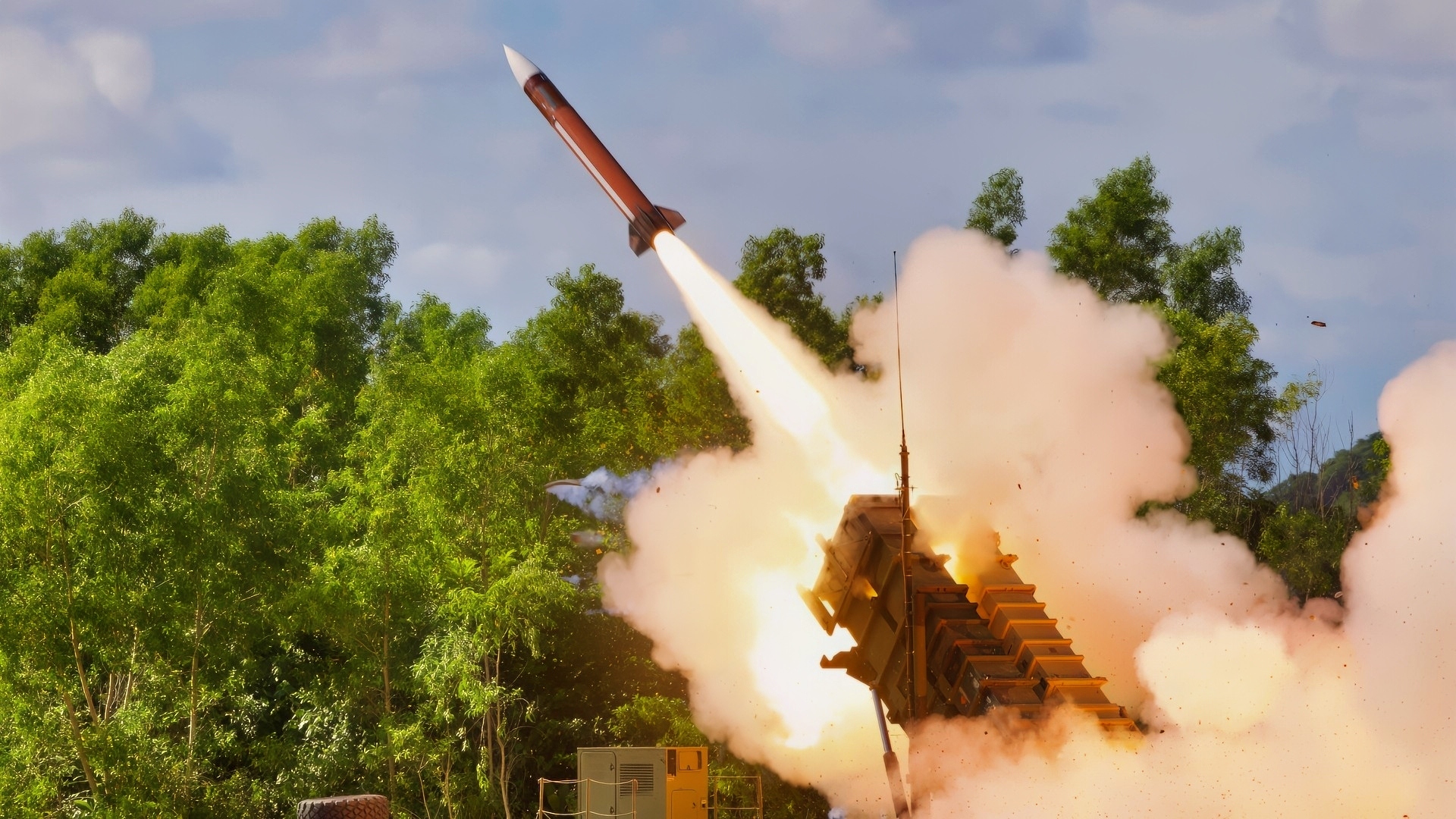
Of course, Putin was never going to take all this lying down. Over the past weeks, Russian long-range attacks against Ukraine have also intensified, with some of the largest missile/drone attacks being recorded against Kyiv since the start of the war. Consequently, Ukraine’s stock of Patriot interceptor missiles, which are vital to its defense, has virtually run out. Now, Russian ballistic missiles have been attacking Kyiv and other parts of Ukraine, and there is little that the Ukrainians can do to stop them. In response to attacks against Russia-bound tankers, Russia has also increased its attacks against the port in Odesa, hitting tankers in Ukrainian waters and striking port infrastructure.
Despite Zelensky’s calls to increase Patriot deliveries to Kyiv, Ukraine’s air defense problems are unlikely to go away anytime soon. With the war in the Middle East ramping up again, the U.S. is using up PAC-3 interceptors in droves and has special priority status for new deliveries. Despite supportive rhetoric from the rest of NATO, Europe is unlikely to fully meet Ukraine’s needs. With interceptor missiles in short supply and high demand, NATO is faced with the difficult decision between rearming Ukraine or rearming its own stocks (which were depleted to arm Ukraine in the first place). Kyiv likely has no choice but to wait for more advanced interceptors and will have to hope that Moscow runs low on ballistic missiles soon.
About the Author: Isaac Seitz
Isaac Seitz, a Defense Columnist, graduated from Patrick Henry College’s Strategic Intelligence and National Security program. He has also studied Russian at Middlebury Language Schools and has worked as an intelligence Analyst in the private sector.


