


America’s emergency oil stockpile has fallen to its lowest level since 1982, just as renewed U.S.-Iran fighting again threatens traffic through the Strait of Hormuz and pushes crude prices sharply higher.
Oil Storage Falls by 3 Million Barrels
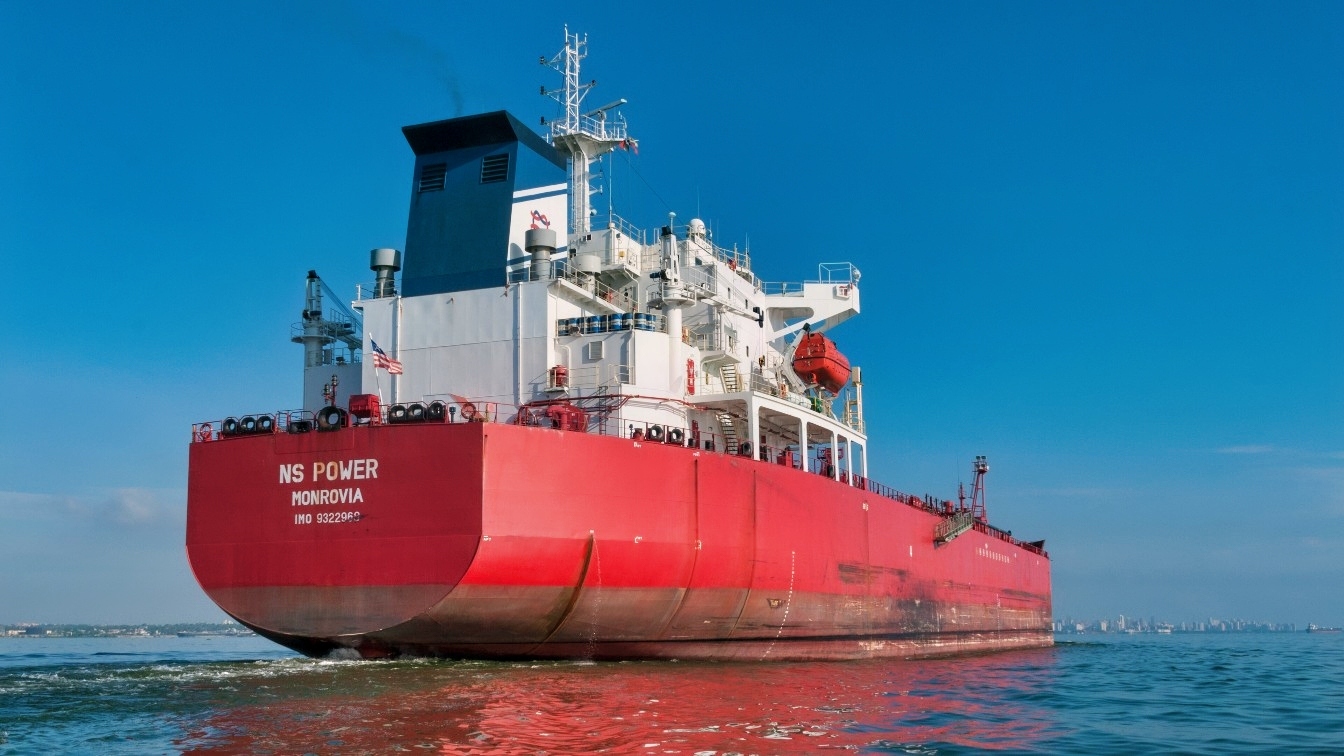
Oil Tanker. Image Credit: Creative Commons.
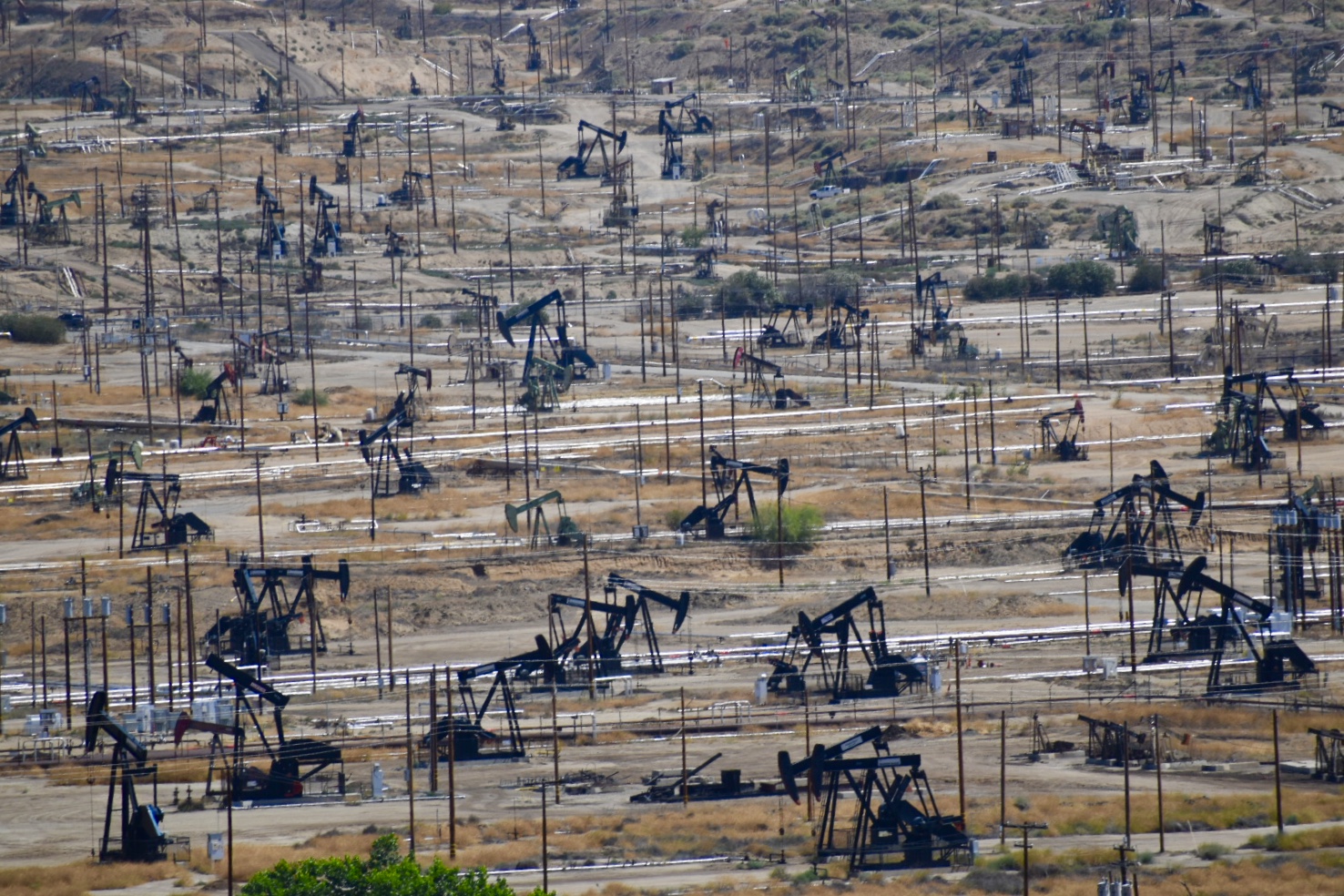
Oil fields. Image Credit: Creative Commons.
The Strategic Petroleum Reserve fell by more than 3 million barrels in the week ending Aug. 28, leaving 286.6 million barrels in storage, ABC News reported, citing Department of Energy data.
That is roughly 40% of the reserve’s authorized 714-million-barrel capacity.
The United States committed 172 million barrels to a coordinated 400-million-barrel release by International Energy Agency members after fighting began in late February. About 128 million barrels have been released so far, according to Energy Information Administration data cited by ABC News.
The Energy Department said the initiative marks the largest emergency release in the reserve’s 54-year history. They said the decision was made to tackle “short-term oil flow disruptions” in light of risks to energy security.
War Heats Up
U.S. Central Command said it completed another wave of strikes against Islamic Revolutionary Guard Corps (IRGC) targets late Tuesday, hitting air-defense sites, radar systems, maritime facilities, mine-laying capabilities and communications sites. Reuters said the exchange marked the most serious escalation in weeks.
The IRGC is listed as a foreign terrorist group by the U.S. government, and it extensively funds and trains terror proxies across the Middle East.
Iran retaliated with missile and drone attacks aimed at U.S. facilities in Jordan, Kuwait, Bahrain and Iraq. Tehran claimed American personnel had been killed in some of those attacks, but U.S. officials said there had been no confirmed American casualties.
U.S. Denies Deliberately Targeting Civilians
Iranian authorities also claimed that a U.S. strike hit a home hosting a wedding in Sirik in southern Iran.
The Iranian Red Crescent said four people, including two children, were killed and dozens injured.
CENTCOM said it was aware of the allegations but insisted that the U.S. military “never targets civilians.” Iran and its terror proxies have routinely targeted civilians, including via the Hamas-led October 7th massacre in Southern Israel in 2023.
President Donald Trump has threatened another, larger round of attacks if Tehran continues retaliating. In a Truth Social post, Trump said Iran would be hit at a “much harder and higher level” and warned that after an even larger attack he said was “waiting in the wings,” there would be “very little left of the Islamic Republic of Iran.”
Key Oil Chokepoint Remains Restricted
Saudi Arabia said Wednesday that Iran was responsible for an attack on the Saudi-flagged tanker Sidr in the Strait of Hormuz.
The vessel’s operator, Bahri, confirmed that two Filipino crew members were killed.
The Saudi Foreign Ministry called for “halting escalations” and protecting “the security of global energy supplies.”
The attack came as shipping through Hormuz remained badly disrupted. Before the war, roughly one-fifth of global oil and liquefied natural gas trade passed through the strait.
U.S. Energy Secretary Chris Wright said 17 million barrels of oil moved through Hormuz on Monday, the highest daily volume since the war reduced flows.
Can this uptick continue, however? Capital Economics economist Hamad Hussain warned that remaining oil flows were “at high risk of being disrupted by military strikes.”
Brent futures also climbed as high as $97.04 a barrel Wednesday, their highest level since July 24, before easing to around $94. West Texas Intermediate reached $92.29 before slipping back toward $89.50.
‘Binary Risk’ to Oil Markets
“The market is facing a binary risk,” Saxo Bank commodity strategist Ole Hansen said, with either diplomacy or another military escalation capable of producing another sharp move in prices.
The SPR is the world’s largest supply of emergency crude oil. It was founded in 1974 following the oil crisis provoked by the 1973 Yom Kippur war.
During the conflict, in which several Arab states attempted to invade Israel, members of the Organization of Arab Petroleum Exporting Countries (OAPEC) imposed an oil embargo on the U.S. and other countries perceived to be allies of Israel.
Before the current Iran deal, American presidents had initiated emergency SPR releases just four times.
About the Author: Georgia Gilholy
Georgia Gilholy is a journalist based in the United Kingdom who has been published in Newsweek, The Times of Israel, and the Spectator. Gilholy writes about international politics, culture, and education.


