
Iran War Costs American Families Almost $2,000 – The war in Iran is dragging down the Republicans’ chances of maintaining control of Congress in November, and it’s not surprising: according to a new economic analysis, President Donald Trump’s war in Iran has already cost the average American household almost $2,000. It comes amid rising gasoline prices, higher borrowing costs, and rising military spending, which are putting pressure on the U.S. economy.
The findings come as the Trump administration continues to scramble to bring energy prices under control before the November 3 elections, with new attacks on infrastructure in the Middle East making those efforts increasingly difficult. And with only a handful of weeks left before Americans go to the polls, the president is facing mounting criticism of the economic consequences of a war that he keeps suggesting is almost over.
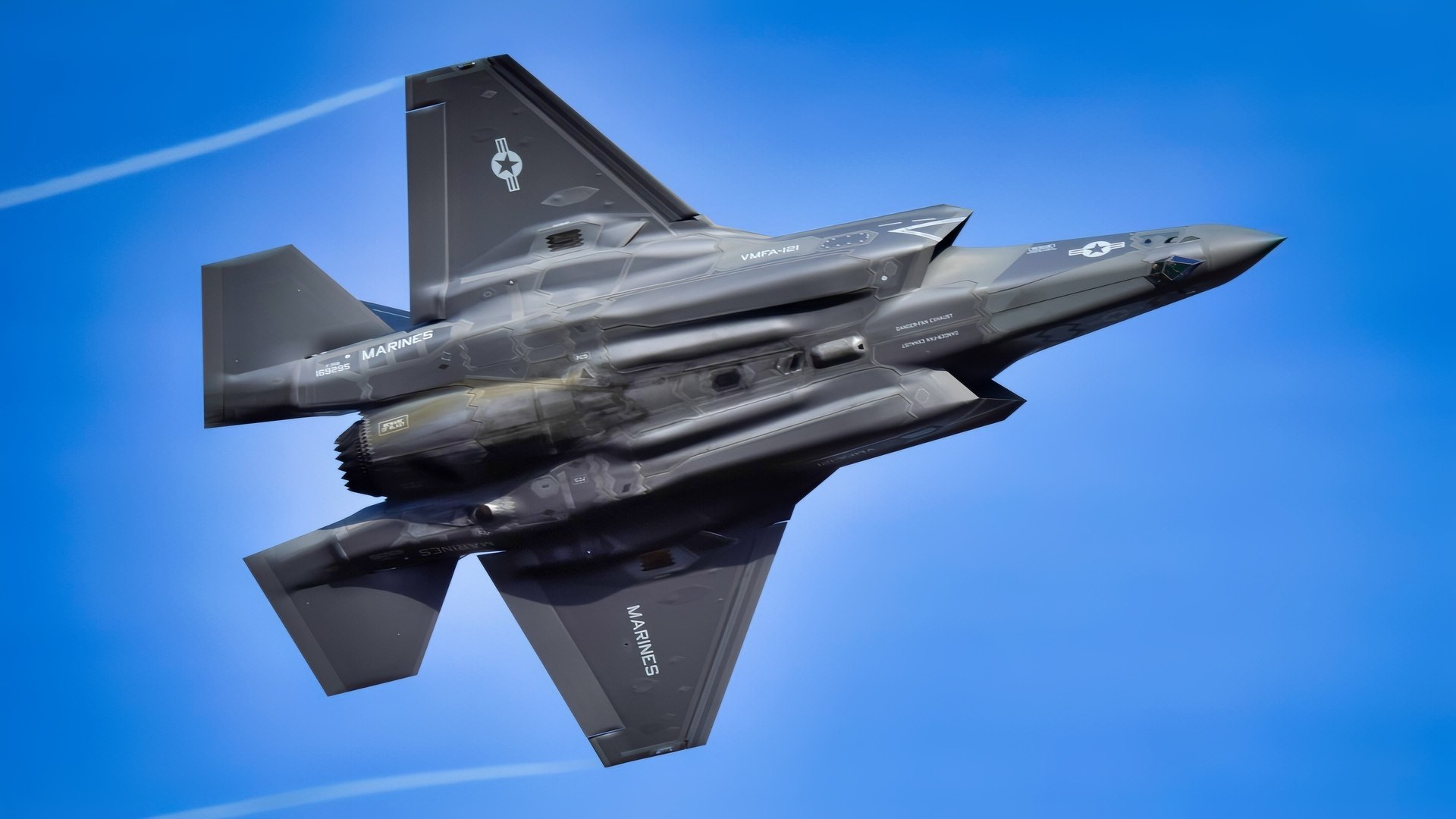
JOINT BASE ELMENDORF-RICHARDSON, Alaska – A U.S. Marine Corps F-35 Lighting II attached to Marine Fighter Attack Squadron 121 from Marine Corps Air Station Iwakuni, Japan, takes off for a training mission during Northern Edge, May 2, 2017. Northern Edge 2017 is Alaska’s premiere joint-training exercise designed to practice operations, techniques, and procedures as well as enhance interoperability among the services. Thousands of participants from all the services; Airmen, Soldiers, Sailors, Marines, and Coast Guard personnel from active duty, Reserve and National Guard units, are involved. (U.S. Navy photo by Mass Communications Specialist 2nd Class Travis Litke/Released)
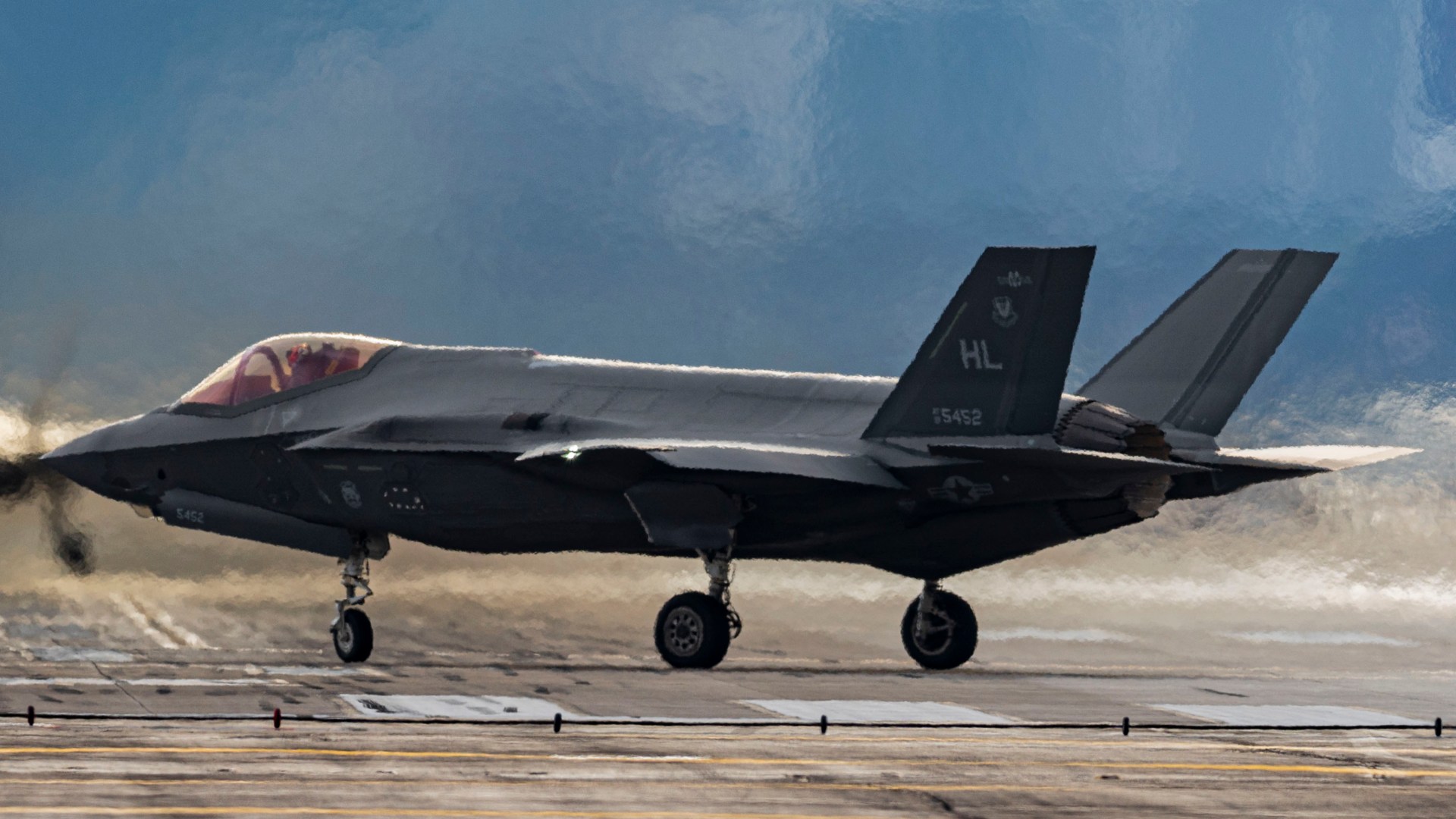
A U.S. Air Force F-35 Lightning II assigned to the 421st Fighter Squadron, Hill Air Force Base (AFB), Utah, prepares to launch out for a Red Flag-Nellis 24-1 mission while another takes off at Nellis AFB, Jan. 23, 2024. This Red Flag will have approximately 30 units and close to 2,000 participants from U.S. and Allied forces. (U.S. Air Force photo by Senior Airman Zachary Rufus)
On Monday, October 12, Moody’s Analytics chief economist Mark Zandi published an analysis in which he estimated that the war has imposed around $265 billion in additional costs on American households since the U.S. and Israel launched the first strikes against Iran at the end of February. Unlike the Pentagon’s estimates of the direct financial cost of the military operations, Zandi’s figures account for the economic consequences ordinary Americans are feeling.
The Enormous Cost of the War
Commenting on his data in a series of posts on X, Zandi explained that the conflict is now having a financial impact on American households via a number of different channels, with the biggest financial burden coming from rising energy costs.
“Nearly $2,000. By my calculation, that is what the Iran war has cost the average American household since the war began nearly eight months ago. Nationwide, that adds up to $265 billion,” Zandi wrote on X.
His analysis suggests that higher energy costs account for an estimated $1,100 of the additional burden per household, while higher interest rates have since added another $540. Military spending accounts for the remaining $360.
Importantly, these figures are estimated economic costs, not $2,000 in direct bills paid by every household. The war’s actual impact varies depending on how much fuel a family consumes, whether they have a mortgage, and their individual financial circumstances. But, the figures do offer a good idea of why voters are increasingly turning their backs on Republican candidates ahead of voting day.
Zandi also warned that the total figure is not static and, therefore, continues to rise as the conflict continues. Independent research also shows that Americans are already paying a huge amount for the war via higher fuel prices alone.
Gasoline Prices Crush American Households
Brown University researchers have tracked the additional cost for Americans who buy gasoline and diesel since the conflict began, and their Iran War Energy Cost Tracker estimates that consumers have spent more than $130 billion more than they would have without the war.
The tracker uses a model that compares actual current fuel prices with estimated prices based on a scenario in which the war never began.
Zandi explained in his analysis that the problem also goes well beyond gasoline.
“Higher energy prices are contributing most of the costs. A gallon of regular goes for $4.37, up from just under $3 before the war. Diesel is above $6, and jet fuel has nearly doubled. As winter approaches, the much higher price of home heating fuel is also adding to the costs,” he writes.
“Altogether, that comes close to $1,100 per household, paid at the pump and in the higher cost of everything that moves by truck or plane. And the energy tab continues to increase by about $50 a week at today’s fuel prices,” he continued.
Rising fuel prices also have a broad impact, going well beyond what diesel car drivers pay at the pump. Diesel, after all, powers the trucks that transport food and consumer products across the country, as well as machinery and agricultural equipment. The situation is unlikely to improve quickly, so prices may keep rising.
Higher Interest Rates
The war’s financial consequences are also affecting Americans trying to buy homes or borrow money to offset rising prices. In September, the Federal Reserve raised its benchmark interest rate as inflationary pressure increased, complicating the president’s long-standing demands for lower borrowing costs.
“Then there are the higher interest rates,” Zandi noted in his X thread. “The war’s inflation contributed to the Fed’s decision last month to raise rates and signal that more rate increases are coming.”
“Long-term rates are also up a lot – fixed mortgage rates have climbed from below 6% before the war to 7.5%. By our reckoning, the higher rates have cost the economy about $540 per household,” he continued.
About the Author: Jack Buckby
Jack Buckby is a British researcher and analyst specializing in defense and national security, based in New York. His work focuses on military capability, procurement, and strategic competition, and he produces and edits analysis for policy and defense audiences. He brings extensive editorial experience, with a career output spanning over 1,000 articles at National Security Journal, and has previously authored books and papers on extremism and deradicalization.


