

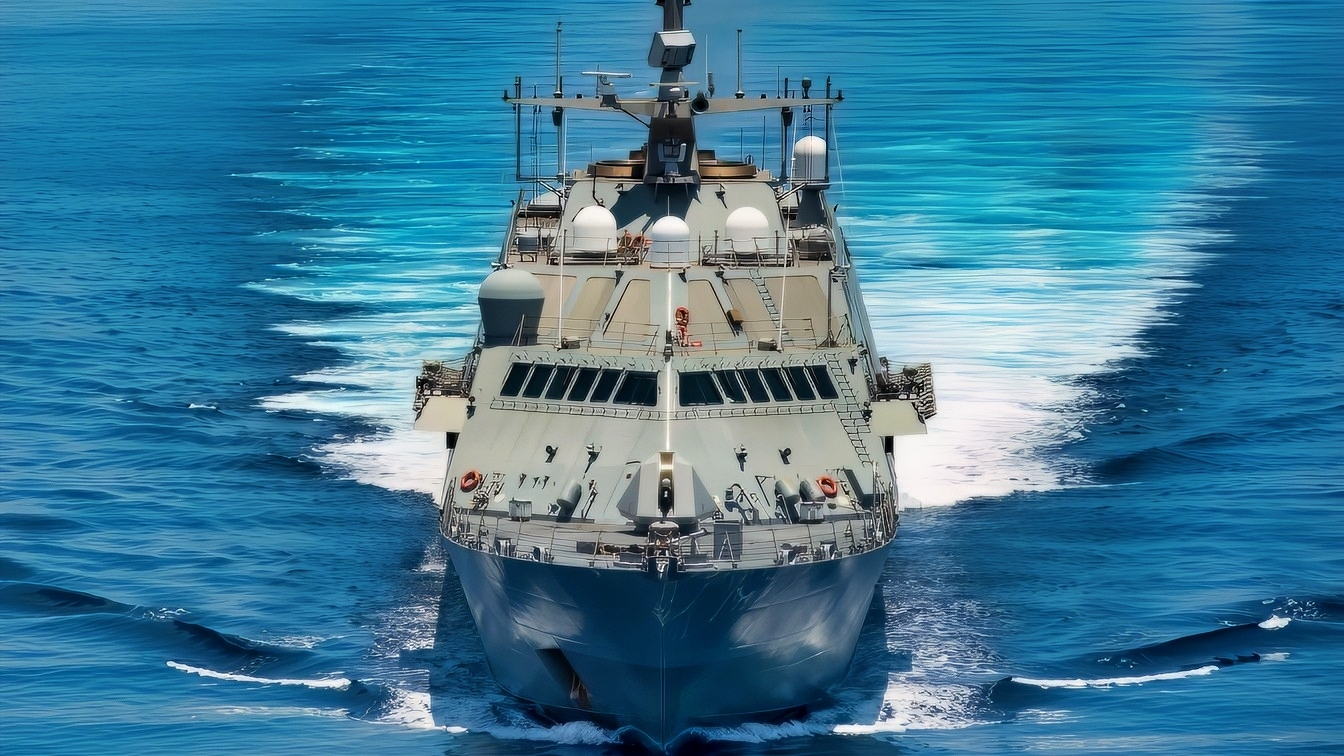
An oil tanker has been hit with limpet mines in the Strait of Hormuz, marking a key escalation in the war that broke out in February, following joint U.S. and Israeli strikes on Iranian nuclear sites.
An average of 20 million barrels of oil passed through the narrow waterway each day in 2024, marking about 20% of global petroleum liquids trade.
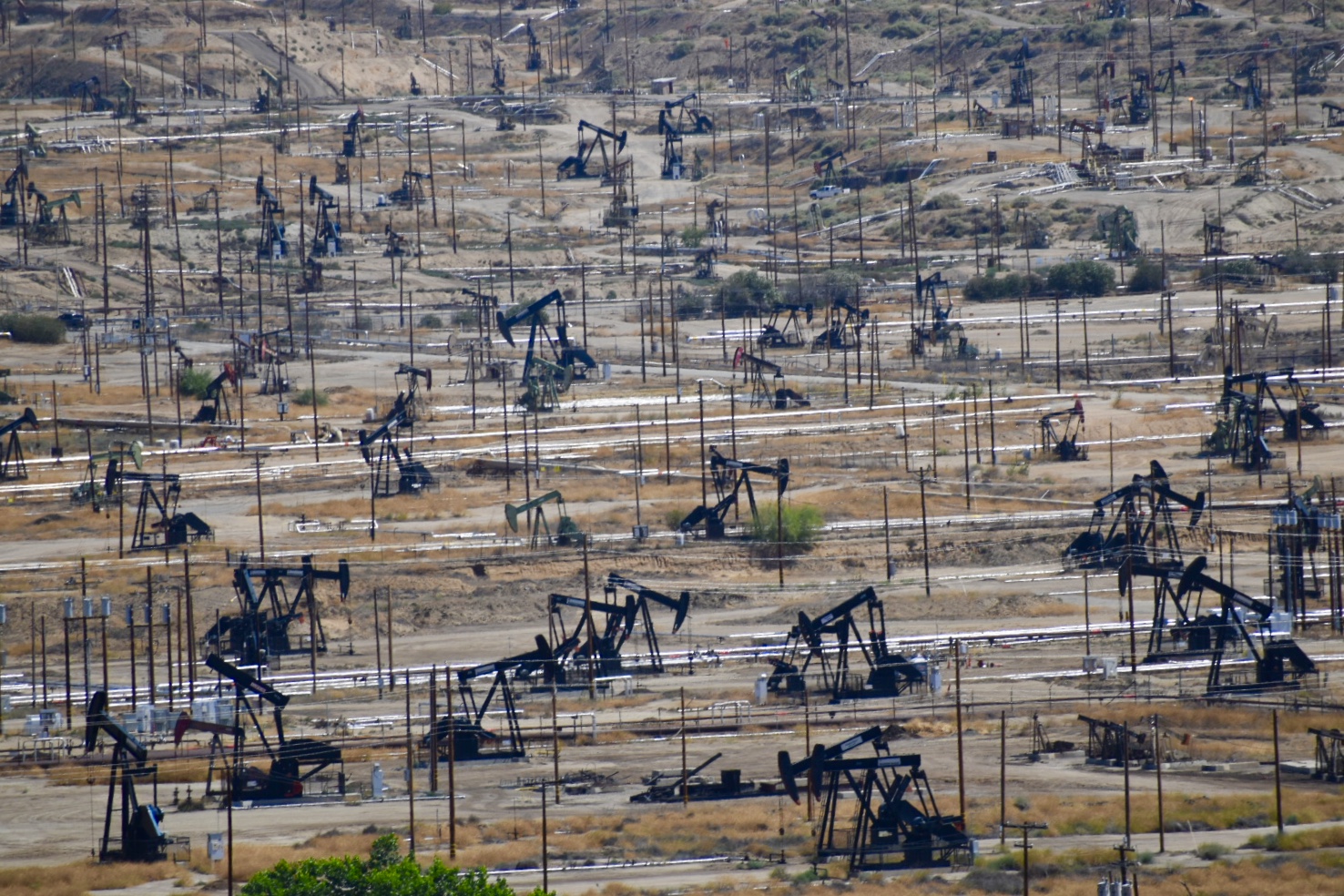
Oil fields. Image Credit: Creative Commons.
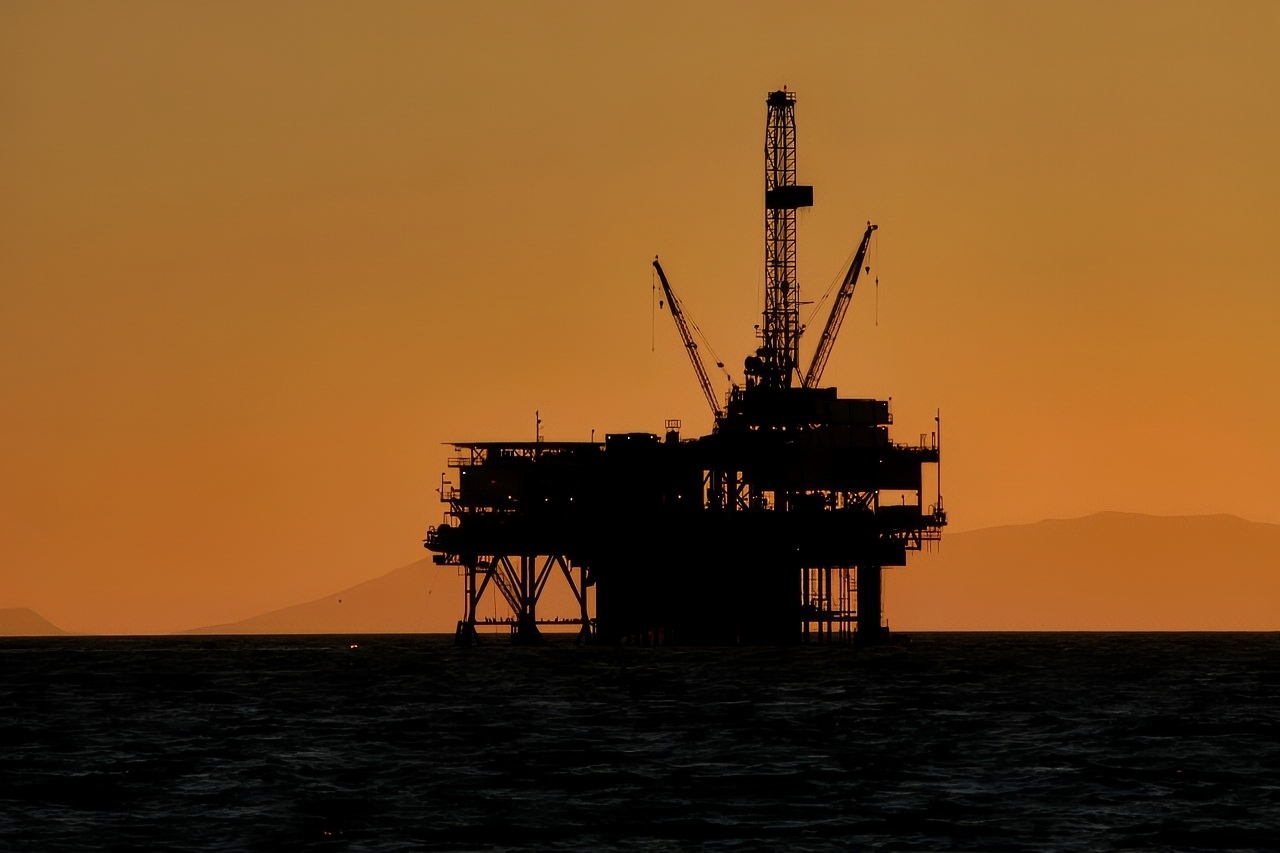
Oil Platform. Image Credit: Creative Commons.
After being attacked, Louise 1 caught fire and was disabled after a small boat approached and affixed two explosive charges to its hull on Thursday.
Three maritime security sources identified the tanker, Reuters said.
Attack on Tanker Off Oman
The attack occurred around 22:12 GMT, 25 nautical miles northeast of Khasab, Oman.
A small boat approached and affixed two devices to the vessel’s side, the United Kingdom Maritime Trade Operations (UKMTO) confirmed.
This caused a fire in the engine room and temporarily shut down the tanker.
The crew subsequently extinguished the fire, and all crew members were accounted for. No environmental damage was reported, and the vessel has now resumed its journey.
The UKMTO continues to advise vessels “to transit with caution,” amid frequent attacks on commercial shipping in the region.
The attack comes after several other incidents in the area on Thursday, including a separate attack on a different tanker.
Limpet Mines Introduce New Security Risk
Unlike missiles and drones, limpet mines can be placed directly on a ship’s hull.
This means attackers in small boats can damage ships without relying on radar and tracking equipment to guide drones or missiles.
Greek maritime security firm Marisks said this incident posed a “significant security concern.”
“Limpet mines are cheap and easily available,” they explained.
Similar devices have been used against tankers in the region in the past. However, in September, an attempt to launch an attack using these kinds of mines failed because the explosives did not detonate.
The International Maritime Organization (IMO) has seen 122 confirmed incidents at sea in the Middle East and 24 deaths of seafarers as of October 30.
In September, IMO Secretary-General Arsenio Dominguez stressed that such attacks were unacceptable, requesting that states: “Do not use these conflicts to attack innocent seafarers.”
Britain is helping form a new multinational force to “support safe transit for commercial vessels” through the Strait.
Armed Forces Minister Louise Sandher-Jones told lawmakers on October 23 that the Royal Navy “is supporting multinational maritime security efforts in the Red Sea and Gulf regions,” including with “autonomous mine countermeasures capability.”
Ukraine Previously Targeted Tanker
This is not the first incident to affect Louise 1.
In July, Ukrainian forces targeted the sanctioned tanker in the Black Sea using naval drones. Kyiv accused the ship of carrying Russian crude oil for Moscow’s shadow fleet.
Ukraine’s military intelligence service said the tanker had carried Russian oil from ports in the Baltic and Black Sea, and had turned off its Automatic Identification System.
These claims have not been independently confirmed.
Aquarius Maritime Ventures, which operates the tanker, was not immediately available to Reuters for comment on Friday.
Oil Prices Rise As Washington Considers Its Options
The attack comes as oil markets face the prospect of further military action from the U.S. against Iran after midterm elections on November 3.
Brent crude futures for December traded at around $117.62 per barrel on Friday morning, up 2.4%, while U.S. West Texas Intermediate crude rose to $104.18.
Saul Kavonic, who leads energy research at MST Marquee, noted that regional action was “keeping oil prices elevated in expectation of an escalation of the conflict in coming weeks.”
Iran’s Islamic Revolutionary Guards Corps (IRGC), a terror group, said on Friday that two tankers had refused to heed warnings over the radio and had tried to take an “unauthorized route” through Hormuz.
Yet, they did not clarify who was responsible for the attack on Louise 1.
Greek Prime Minister Kyriakos Mitsotakis told the United Nations Security Council on Thursday, following attacks on the Panama-flagged vessel: “Targeting civilian commercial shipping is completely unacceptable.”
He also urged a “global maritime truce,” complaining that “the cost of disruption, unfortunately, has never been so low.”
About the Author: Georgia Gilholy
Georgia Gilholy is a journalist based in the United Kingdom who has been published in Newsweek, The Times of Israel, and the Spectator. Gilholy writes about international politics, culture, and education.


