

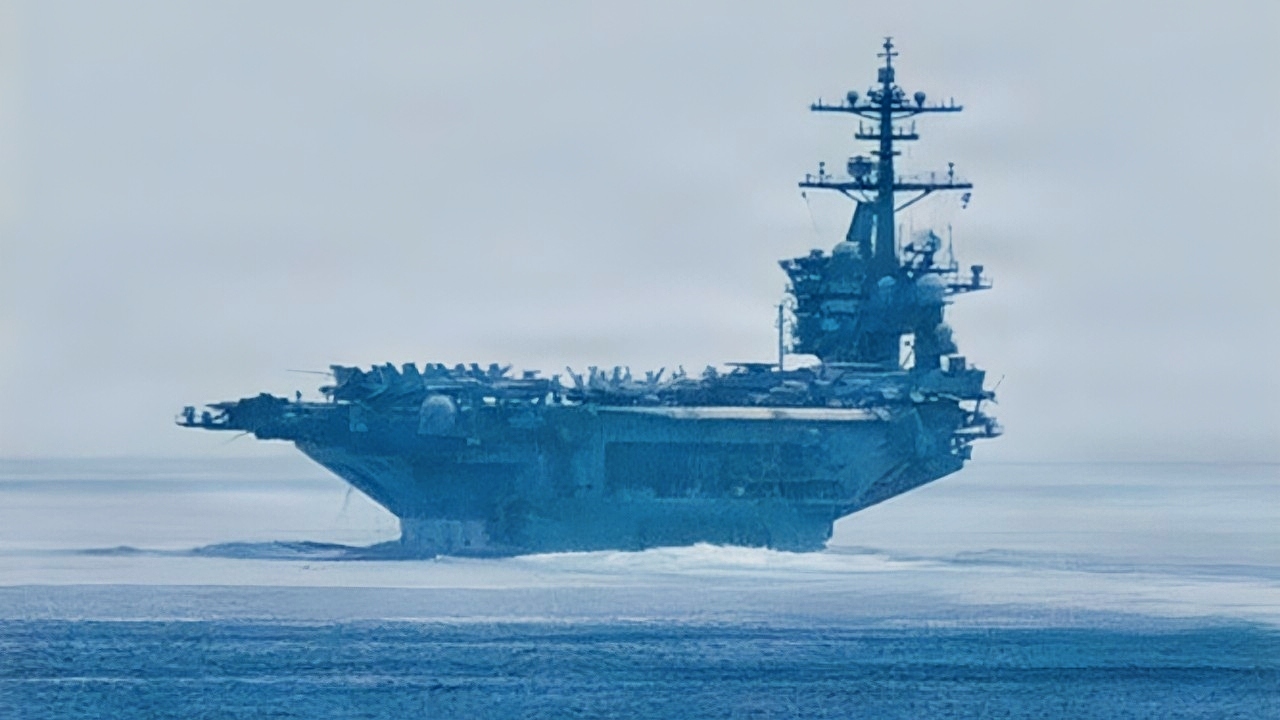
Kuwait Downed Iranian Drones as Trump Ordered Fresh Strikes on Iran: Kuwait intercepted a fresh wave of Iranian drones early on August 1 as the Middle East prepared for another possible expansion of the U.S.-Iran war. A New York Times report on the overnight escalation said the attacks arrived hours after President Donald Trump promised to hit Iran “very hard.”
Kuwait’s military said air defenses detected and destroyed multiple drones that entered the country after dawn.
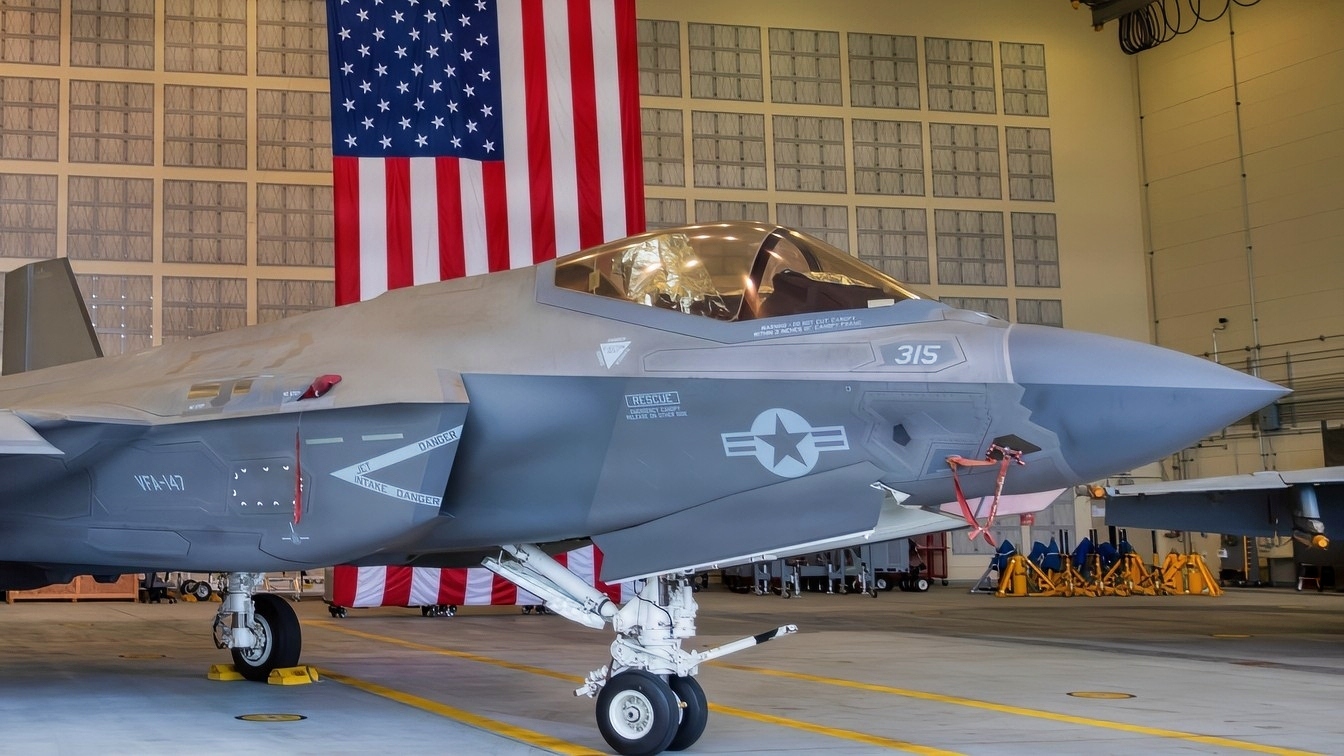
A U.S. Navy F-35C Lightning II static display from Strike Fighter Squadron (VFA) 102, Carrier Air Wing (CVW) 5 inside of Hangar 5300 during Friendship Day at MCAS Iwakuni, May 3, 2026. Since 1973, MCAS Iwakuni has held an air show designed to foster positive relationships and offer an exciting experience that displays the communal support between the U.S. and Japan. The air show encompassed various U.S. and Japanese static display aircraft, aerial performances, food and entertainment. (U.S. Marine Corps photo by Lance Cpl. Isaac De Leon)
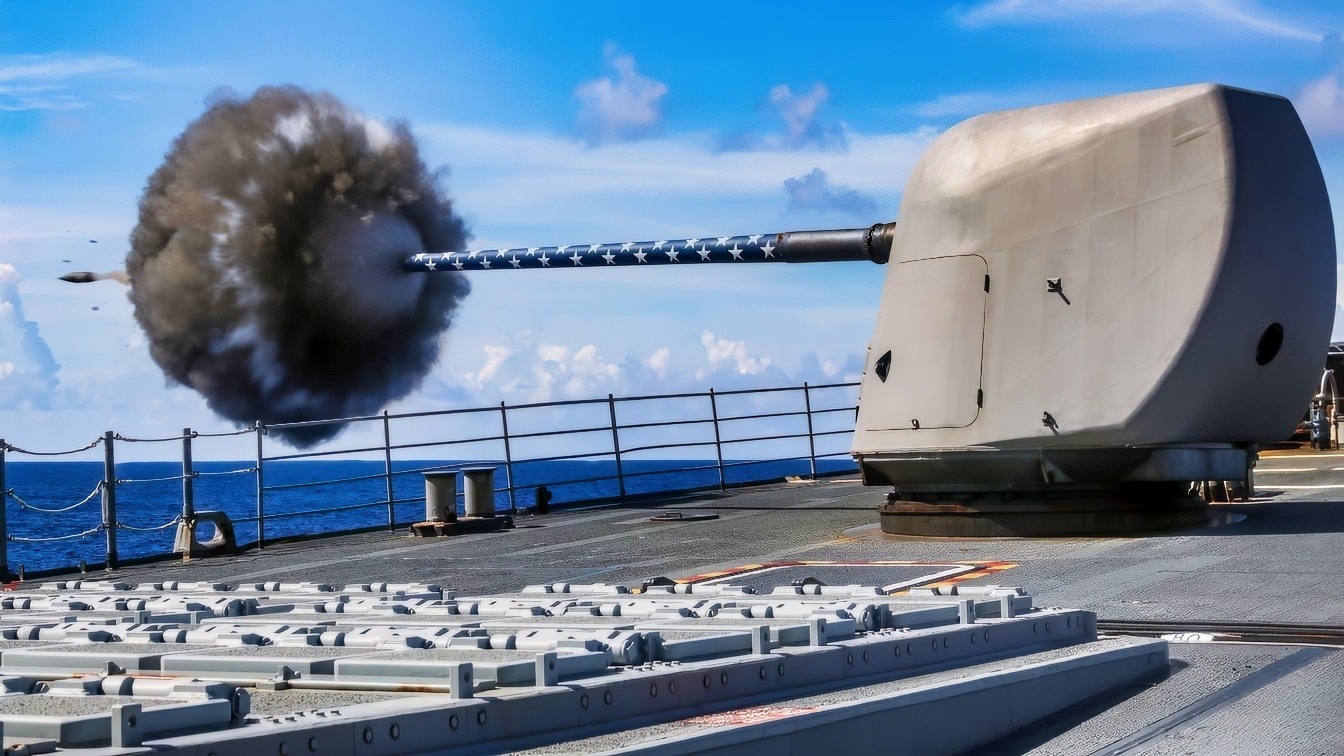
PACIFIC OCEAN (July 29, 2025) The Ticonderoga-class guided-missile cruiser USS Princeton (CG 59) fires its forward Mark 45 5-inch gun during a weapons maintenance shoot, July 29, 2025. The Carl Vinson Carrier Strike Group is underway conducting routine operations in the U.S. 3rd Fleet area of operations. (U.S. Navy photo by Mass Communication Specialist 1st Class Jacob I. Allison)
The official Kuwaiti account reported no deaths.
The Defense Ministry said Iranian drones targeted vital and military facilities, including a government site in northern Kuwait, while civilian vehicles on Bubiyan Island were damaged.
The Iran War Comes For Kuwait
The new wave followed an Iranian operation on July 31 aimed at Ahmad al-Jaber Air Base. Tehran claimed it targeted aircraft shelters, satellite communications equipment, and storage facilities used by American forces.
Kuwait said falling debris caused material damage but no casualties. The United States had not released a complete damage assessment by Saturday morning.
The maritime front also remained active. The United Kingdom Maritime Trade Operations agency said an unidentified projectile struck a tanker 11 nautical miles northeast of Lima, Oman, damaged its engine room, and left it without propulsion. A second vessel reported an explosion and a large splash nearby. No injuries were reported in either incident.
Trump Has Ordered Preparations for Another Iran Attack
U.S. officials told The Wall Street Journal that Trump ordered a new military operation that could begin over the weekend and last several days.
No public target list was released. Other reporting said American and Israeli planners were examining energy infrastructure, a step that would increase the danger to power generation, fuel supplies, and regional shipping.
The decision follows weeks in which pauses in the bombing repeatedly gave way to new exchanges. The conflict has already spread from Iran into American-linked bases across the Gulf. It also remains on a narrow path between another temporary pause and a wider regional war.
Iran’s military warned neighboring governments against helping Washington. Gen. Ali Abdollahi said any country serving as an American defensive shield would face the conflict directly. The threat matters most in Kuwait, Bahrain, Qatar, and Jordan, where U.S. forces operate from bases already targeted during the war. Iran’s latest drone campaign also shows why repeated bombing has not forced Tehran to stop retaliating.
The Strait of Hormuz Remains the Center of the War
Iran said on July 31 that its forces struck or stopped two ships and forced four other tankers to turn back. Those claims were not independently confirmed. Reuters reported that only two large tankers and two other commodity vessels were recorded crossing the strait, while oil prices rose more than 1 percent.
The United States continues blockading Iranian oil exports, while Tehran insists that commercial ships follow routes and procedures it approves. American aircraft can destroy coastal radars, launchers, and boats, but they cannot remove the geography that gives Iran leverage over Hormuz. That leaves Trump facing a military campaign without a clean political exit.
Where the Iran War Stood on August 1
Oman was still discussing a managed transit plan with Tehran, but no agreement had been reached to restore routine tanker traffic. Iran and its Houthi allies were applying pressure at Hormuz and Bab el-Mandeb, while U.S. and Saudi operations had expanded into Iraq against Iran-aligned armed groups.
American embassies in several regional capitals advised U.S. citizens to consider leaving or to prepare to depart if the situation worsened. At Camp David, Trump said negotiations remained possible even as the Pentagon prepared the next attack.
Off Oman, the damaged tanker remained without propulsion while maritime authorities investigated what had hit its engine room.
About the Author: Harry J. Kazianis
Harry J. Kazianis (@Grecianformula) was the former Senior Director of National Security Affairs at the Center for the National Interest, a foreign policy think tank founded by Richard Nixon in Washington, D.C. Harry has more than a decade of experience in think tanks and national security publishing. His ideas have been published in The New York Times, The Washington Post, The Wall Street Journal, CNN and many other outlets worldwide. He has held positions at CSIS, the Heritage Foundation, the University of Nottingham and several other institutions related to national security research and studies. He is the former Executive Editor of The National Interest and The Diplomat. He holds a master’s degree focusing on international affairs from Harvard University.


