

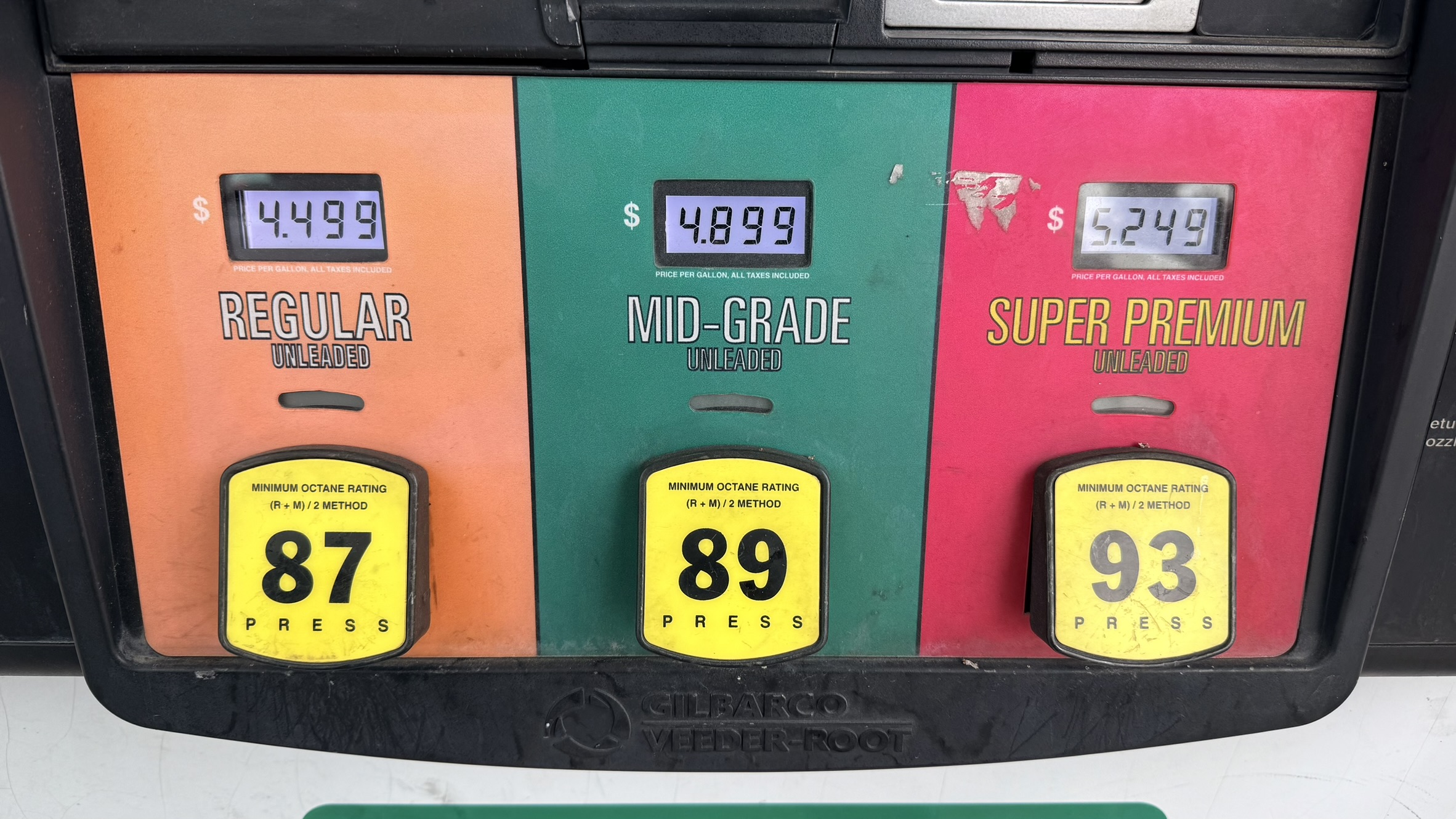
The U.S. Strategic Petroleum Reserve (SPR) is not completely empty, but it has been drawn down to critically low levels not seen since the 1980s.
The Strategic Petroleum Reserve (SPR) is the world’s largest emergency crude oil supply and was established primarily to mitigate disruptions in petroleum product supplies and to fulfill the United States’ obligations under the international energy program.
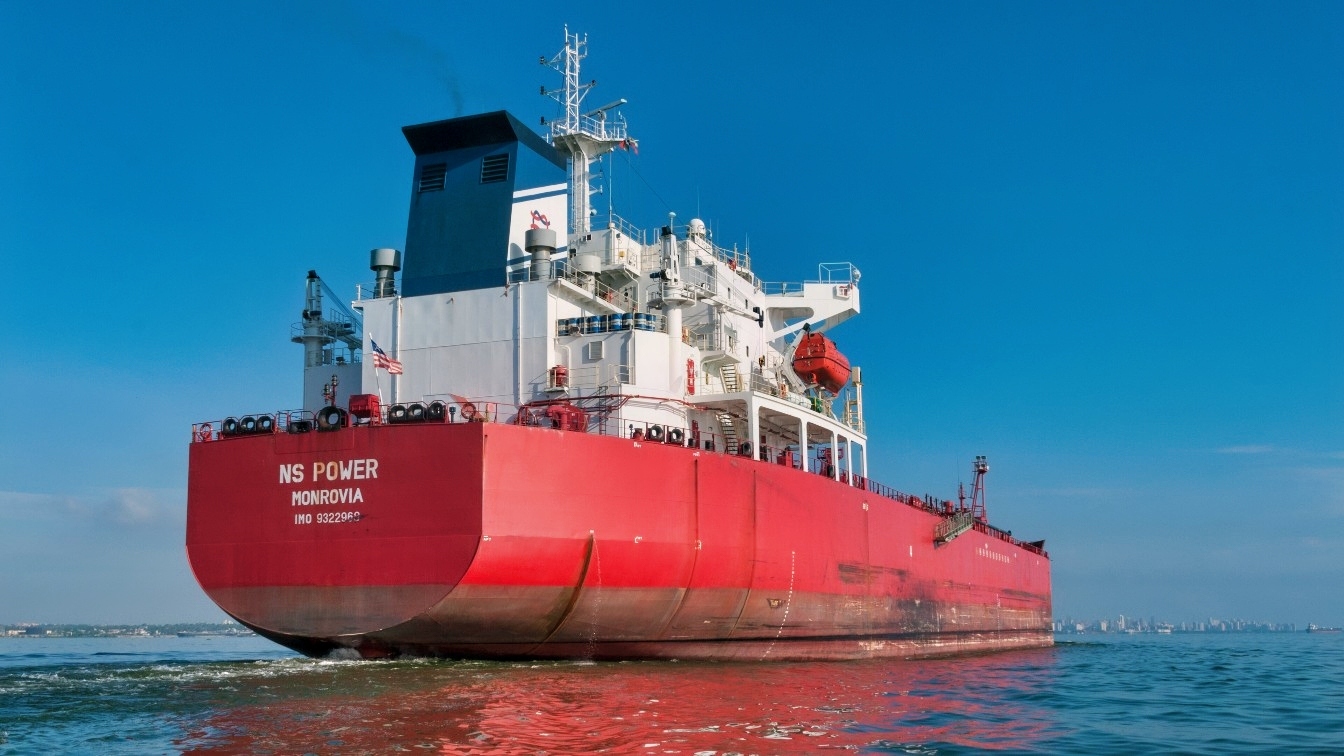
Oil Tanker. Image Credit: Creative Commons.
The SPR has a total authorized storage capacity of 714 million barrels across four underground salt cavern sites in Texas and Louisiana. However, the current inventory hovers around 357 million barrels.
Successive massive drawdowns have occurred to stabilize global energy markets, beginning with the fallout from the war in Ukraine and subsequently compounded by international supply disruptions in the Middle East and by reduced oil flows through the Strait of Hormuz.
Another Eight Million Barrels Were Drawn From The SPR
Last week, another 8 million barrels of oil were withdrawn from the US government’s Strategic Petroleum Reserve (SPR), marking the lowest levels since the Biden administration’s lows and putting it on pace for the lowest levels since the early 1980s.
The lowest total in the SPR was 345.7 million barrels in 1983, as President Reagan made it a priority to refill it.
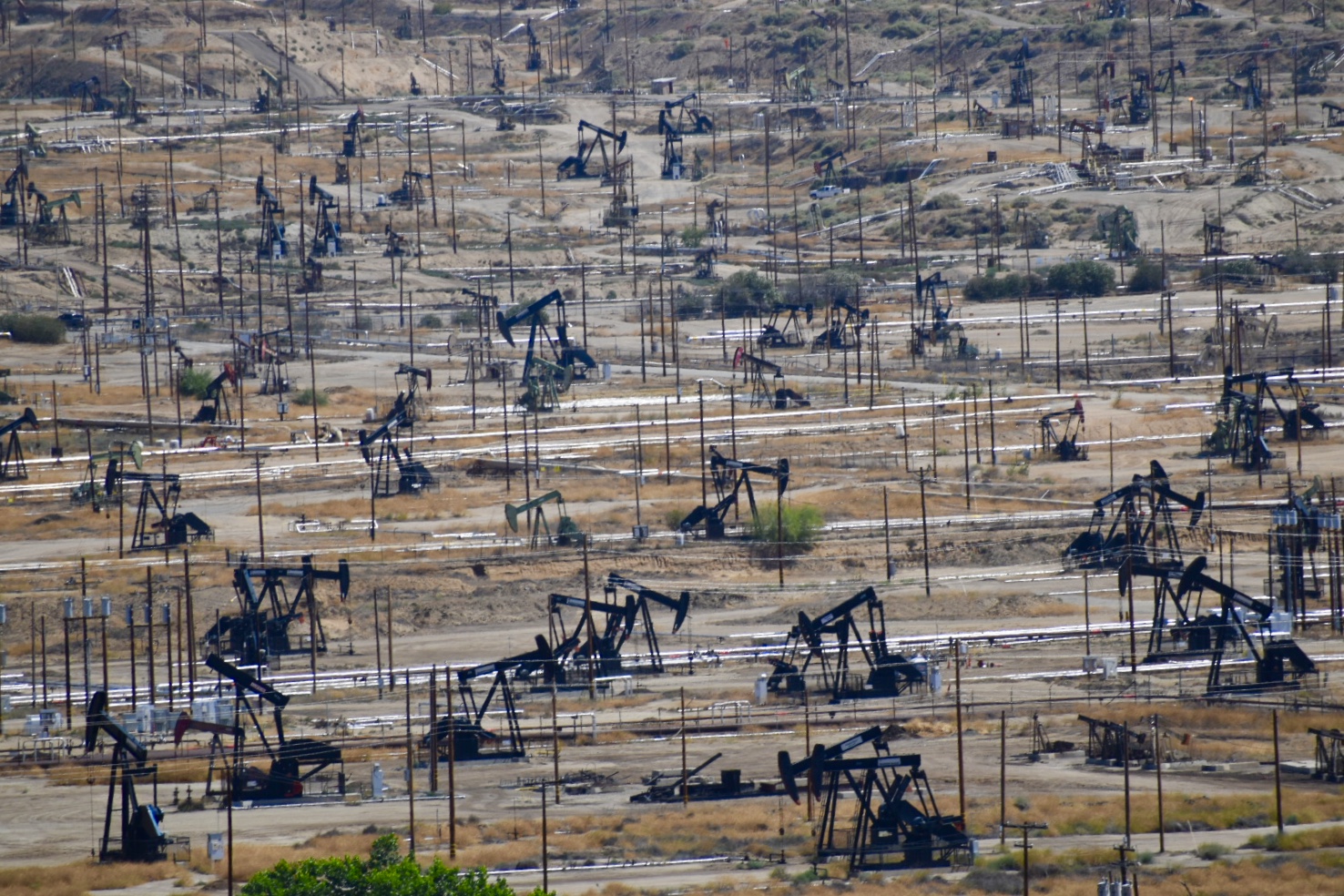
Oil fields. Image Credit: Creative Commons.
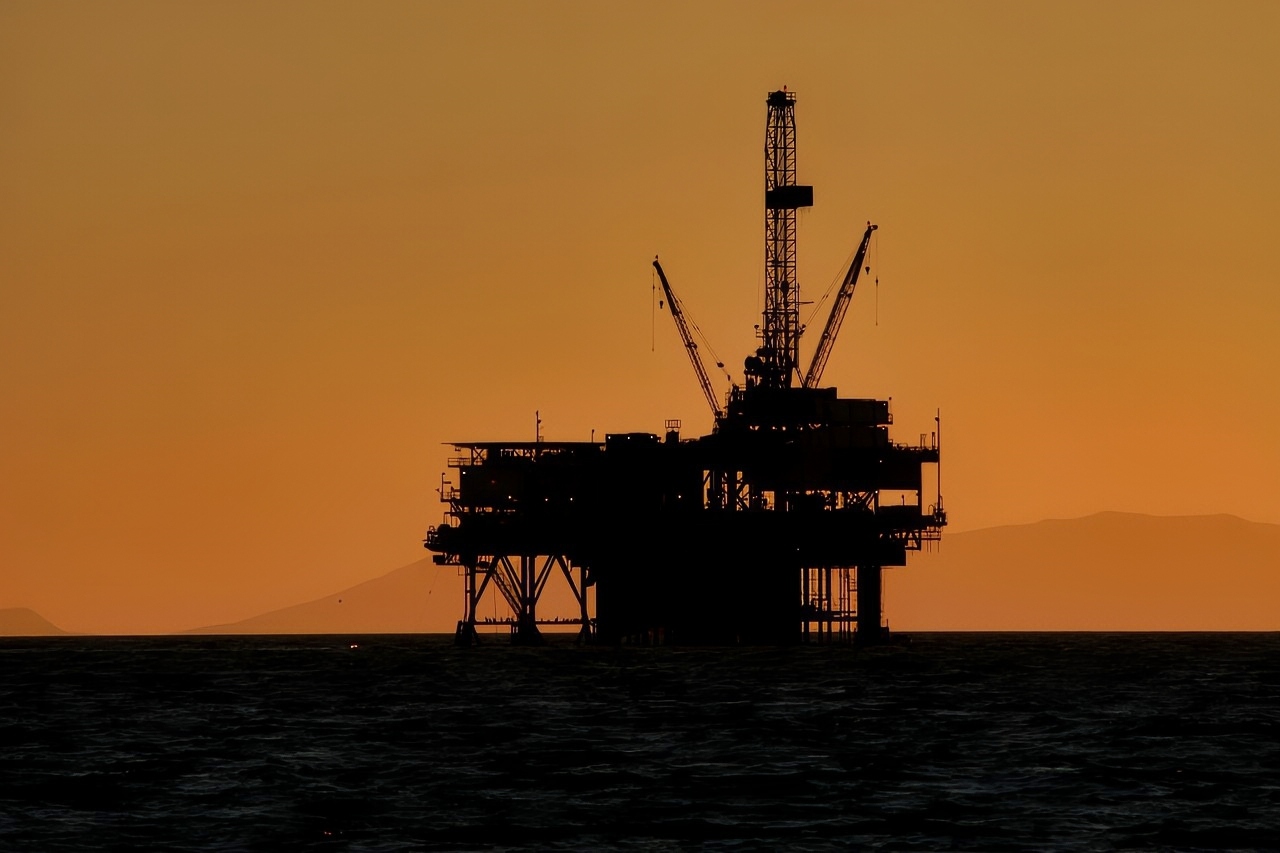
Oil Platform. Image Credit: Creative Commons.
Some experts are ready to hit the panic button. “The SPR was America’s shock absorber,” Matthew Tuttle of Tuttle Capital wrote this week about the dwindling levels. “It’s gone now.”
Exxon Mobil Predicts Oil Prices At $150-160 A Barrel
ExxonMobil vice president Neil Chapman, speaking at a conference last week, said that the world is “approaching unheard-of inventory levels” and that crude oil could soon reach $150 to $160 per barrel.
Speaking at the Bernstein Strategic Decisions Conference, Chapman stated that prolonged blockages at the Strait of Hormuz have rapidly drained global inventories, putting the market just weeks away from historically low stockpile levels.
The market, he believes, has been living on borrowed time since the conflict began in late February. The question is not whether prices will rise but when the buffers run out.
“We’re approaching unheard of inventory levels. I mean, really, really low levels,” Chapman told the conference. “You can debate whether that’s going to hit those really low levels in two weeks or three weeks.”
The Trump administration, in an attempt to keep global market prices low, had announced plans to join a worldwide release of oil reserves and to sell a total of 172 million barrels.
Is Help On the Way?
However, Energy Secretary Chris Wright has stated that the country’s rainy-day oil reserve is slated to receive a major influx of oil soon.
Companies that borrowed crude oil from the SPR during the Iran conflict will return those barrels with premiums attached, leaving the reserve about 40 million barrels larger than it would have been otherwise by the time the war ends, Wright said Friday, in an article from oilprice.com.
Appearing on Fox Business last week, Wright said, “We’re not selling any barrels of oil.” “We’re flowing oil to the marketplace in the short term when it needs it, and we’re trading those barrels.”
The Department of Energy (DOE) released 133 million barrels of crude oil from the strategic reserve after markets were affected by the conflict in Iran. However, those barrels of crude oil will be replaced, plus an additional 25 percent.
Wright insists that there is no cause for worry. Instead, he states that the strategic reserves are doing exactly what they are intended to do: release oil when it is needed and replenish it later.
Wright added that the Strategic Petroleum Reserve should be used strategically, not politically. President Trump is tactically trading every barrel for a 25 percent return in the next year, adding 40 million barrels to the SPR without a taxpayer dollar.
This will be an increase in value of over $3 billion for the taxpayer.
In the meantime, the Trump administration has pointed to record-high U.S. oil production, along with new supplies unlocked in Venezuela and through the Jones Act waiver, which allows foreign-flagged ships to make deliveries between U.S. ports, as evidence that American motorists are protected from spiking prices.
However, the question remains: when the flow of oil is restored, will the expected lag catch up to the demand?
Rich Goldberg, former senior counselor for the National Energy Dominance Council, said that some industry officials disagree that a price shock is imminent and expect markets to adapt through a combination of alternative supplies and reduced demand. “I don’t personally know where the White House comes out on it,” he said.
About the Author: Steve Balestrieri
Steve Balestrieri is a National Security Columnist. He served as a US Army Special Forces NCO and Warrant Officer. In addition to writing on defense, he covers the NFL for PatsFans.com and is a member of the Pro Football Writers of America (PFWA). His work was regularly featured in many military publications.


