


On August 29-30, 2007, six AGM-129 cruise missiles armed with W80-1 thermonuclear warheads were loaded onto a B-52H bomber at Minot Air Force Base. The aircraft flew them to Barksdale Air Force Base in Louisiana. The flight crew did not know the missiles were nuclear-armed. Total time the warheads were unaccounted for in the nuclear command chain: 36 hours. Each W80-1 warhead has the explosive yield of approximately ten Hiroshima bombs. The Secretary of the Air Force and the Air Force Chief of Staff were forced to resign. Two more generals were relieved. 65 airmen lost their certifications. Retired Gen. Eugene Habiger told NBC it was the worst nuclear mishandling incident he had seen since starting in the nuclear business in 1966.
“Bent Spear” Incident: The U.S. Air Force Lost Control Of Six Nuclear Weapons
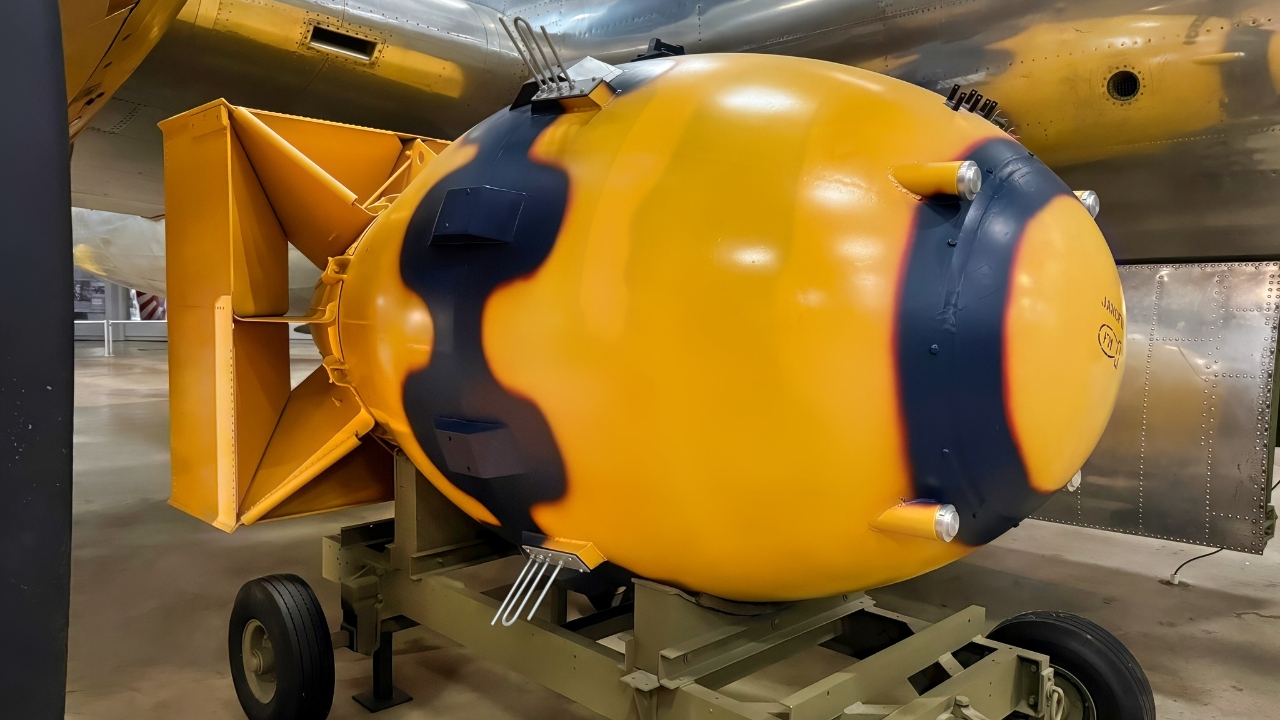
Fat Boy Nuclear Bomb At U.S. Air Force Museum. Photo Credit: Harry J. Kazianis/National Security Journal Original Photo.
On August 29–30, 2007, the U.S. Air Force mistakenly loaded six cruise missiles armed with nuclear warheads onto a B-52 bomber and flew them across the country, with the weapons remaining unaccounted for or improperly secured for roughly 36 hours.
The incident began at Minot Air Force Base (ND) and ended at Barksdale Air Force Base (LA).
The incident, known as a “Bent Spear Incident,” resulted in widespread punishment, including the firing of many officers and the resignation of the Secretary of the Air Force and the Air Force Chief of Staff.
What Is A Bent Spear Incident?
A “Bent Spear Incident” is a US War Department reporting term for a significant incident involving nuclear weapons, components, or vehicles, which does not constitute a “Broken Arrow” accident.
These incidents involve damage or procedural errors requiring immediate action, reporting to high-level officials, and potential inspection/recertification of the weapon.
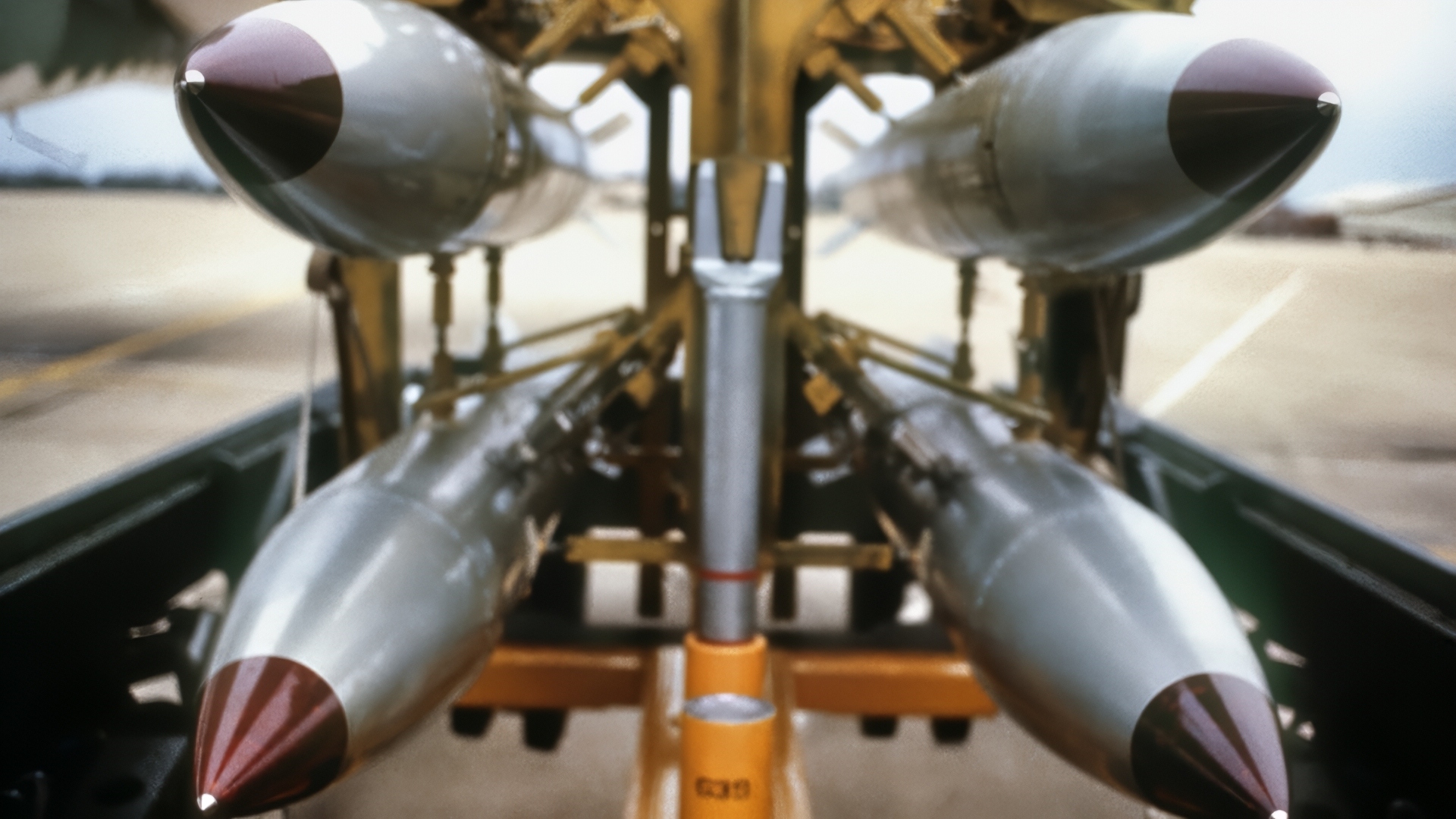
A front view of four nuclear free-fall bombs on a bomb cart. Image Credit: Creative Commons.
In contrast, a “Broken Arrow” involves an actual accident involving a nuclear weapon, warhead, or component. It comprises unauthorized launch, nuclear detonation, or jettisoning of a nuclear weapon.
Background Of The Bent Spear Incident
On August 29, 2007, Air Force ground crews mistakenly loaded six AGM-129 ACM cruise missiles, each loaded with a W80-1 variable yield nuclear warhead, onto a B-52H heavy bomber from the 5th Bomb Wing at Minot Air Force Base in North Dakota and transported them to Barksdale Air Force Base in Louisiana.
The missiles were somehow mistaken for inert training missiles.
This was the sixth of twelve planned ferry missions and was supposed to have consisted of 12 AGM-129s, equipped with training warheads, with 6 missiles per pylon and 1 pylon mounted under each wing of a B-52 aircraft.
When the airmen entered the bunker where the missiles were kept, six live warheads were still installed on their missiles, rather than replaced with dummy training warheads.
The Air Force had decided to retire its remaining 400 AGM-129s, which carry a W80-1 nuclear warhead. The Air Force was switching to the more advanced Air-Launched Cruise Missiles.
The flight crew was transporting the AGM-129s to Barksdale for formal decommissioning, but the nuclear munitions should have been replaced with inert warheads at Minot before the trip.
Each of the six live nuclear warheads contained the power of ten bombs that were dropped on Hiroshima.
A later investigation revealed that a snafu in the electronic production system for tracking the missiles “had been subverted in favor of an informal process that did not identify the pylon as prepared for the flight.”
Nuclear Warheads Left Basically Unguarded
The Air Force’s security failures at both Minot and Barksdale AFBs resulted in the nuclear weapons in the pylon under the B-52’s wing without special guard for more than 15 hours, and they remained on the plane in Louisiana for nearly nine hours more before being discovered.
“I have been in the nuclear business since 1966 and am not aware of any incident more disturbing,” retired Air Force Gen. Eugene Habiger, who served as U.S. Strategic Command chief from 1996 to 1998, said in an interview with NBC.
Air Force officials tried to allay fears of the public by insisting that the nuclear warheads never presented a danger to the crew or to the general public.
They said that the weapons had not been activated and have extensive safety features designed to prevent an accidental or deliberate explosion (i.e., one caused by terrorists).
However, the incident highlighted the lack of the Air Force’s command and control safeguards for the handling of nuclear weapons.
Even more disturbing was the fact that there had been multiple warnings given to the Bush administration, all the way up the chain to the National Security Council, of security problems at Air Force installations where nuclear weapons are kept.
The B-52 departed Minot on August 30 at 08:40 and landed at Barksdale at 11:23. The aircraft remained parked and unguarded until 20:30, when a munitions team arrived to remove the missiles.
After a member of the munitions crew noticed something unusual about some of the missiles, a supervisor determined that nuclear warheads were present and ordered them secured, and the incident was reported 36 hours after the missiles were removed from the bunkers at Minot.
Fallout And Firings From The Incident
The Air Force and the Pentagon at first tried to cover up the incident. However, the news was officially leaked to the Military Times.
An investigation ensued, and, as one would expect, the Pentagon released the results, stating that military protocols regarding weapons-handling standards at Minot Air Force Base and Barksdale Air Force Base had failed.
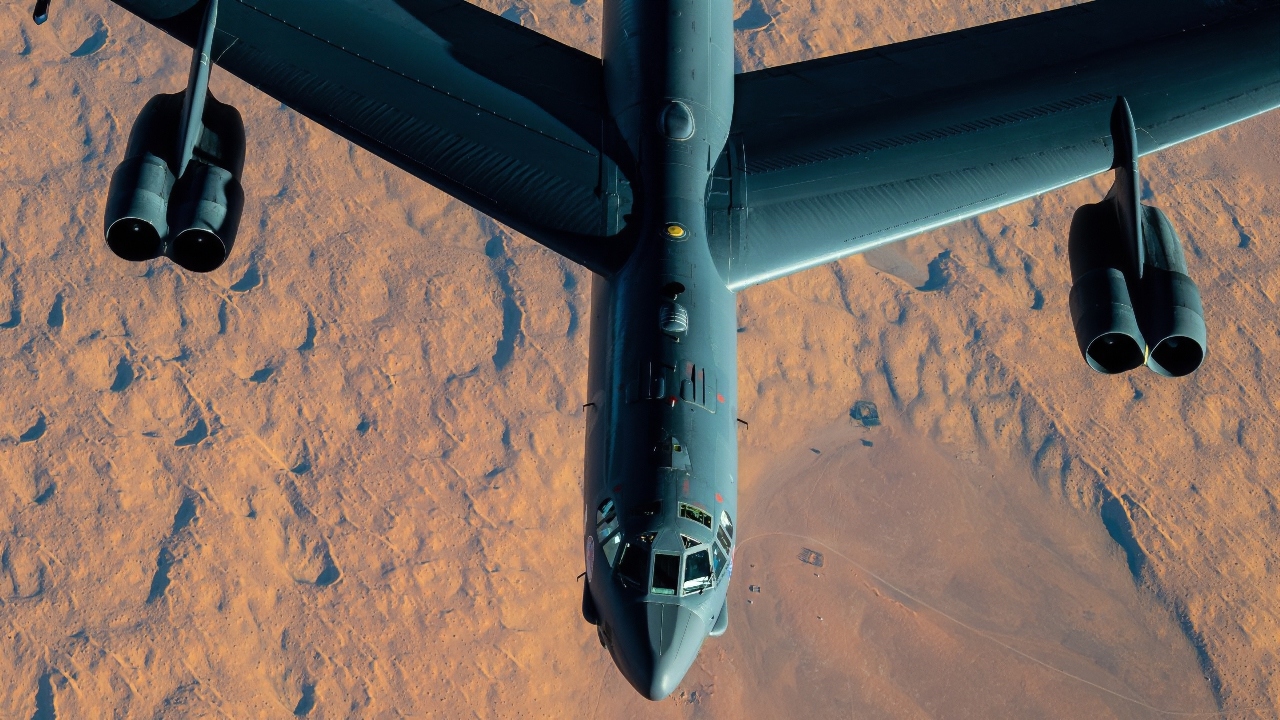
A U.S. Air Force B-52 Stratofortress, assigned to the 2nd Bomb Wing, receives fuel from a KC-135 Stratotanker, assigned to the 340th Expeditionary Air Refueling Squadron, during a multi-day Bomber Task Force mission over Southwest Asia, Dec. 10, 2020. The B-52 is a long range bomber with a range of approximately 8,800 miles, enabling rapid support of Bomber Task Force missions or deployments and reinforcing global security and stability.(U.S Air Force photo by Master Sgt. Joey Swafford)
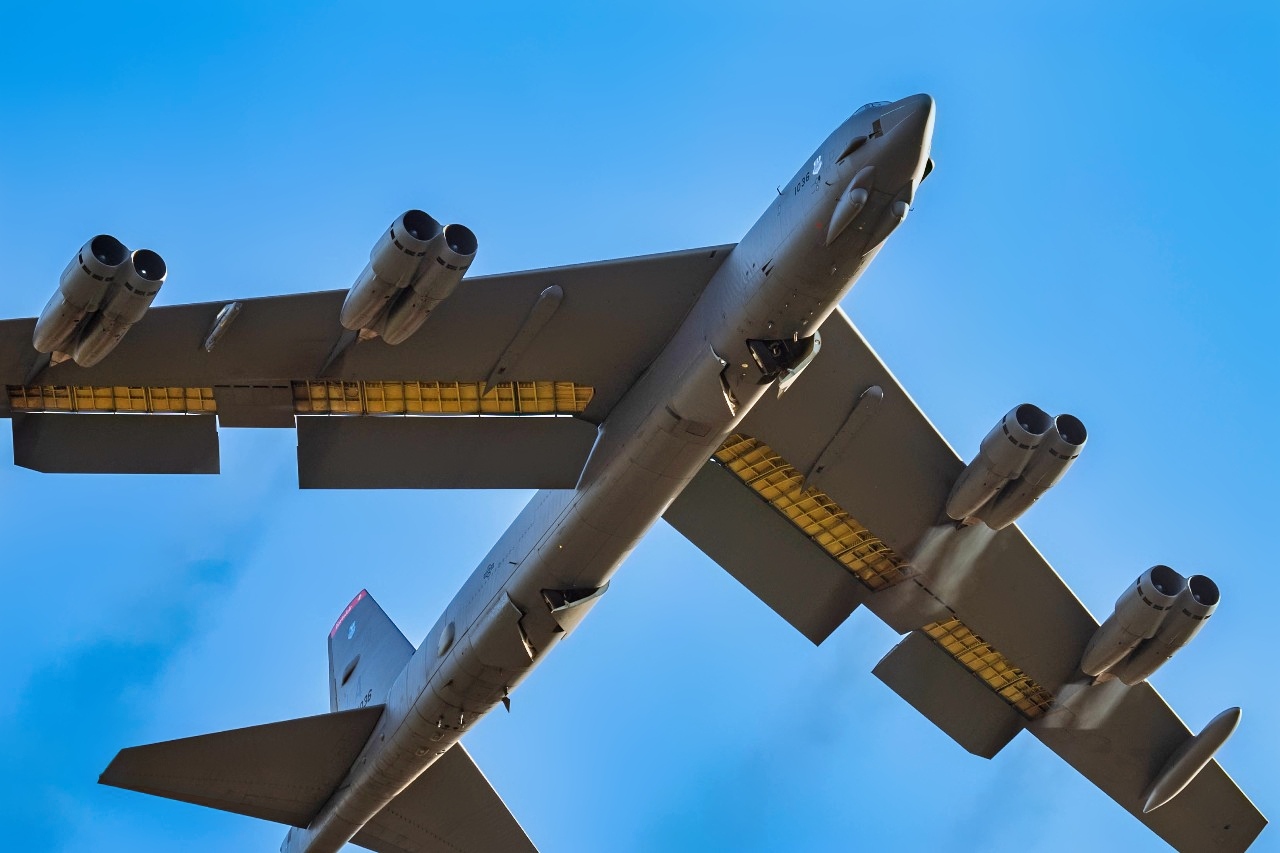
A B-52H Stratofortress assigned to the 20th Expeditionary Bomb Squadron takes off from RAF Fairford, England, for a training mission with the Royal Moroccan Air Force during Bomber Task Force 25-1, Nov. 22, 2024. The U.S. and Morocco’s strategic partnership is based on mutual interests in regional peace, security and prosperity, and we remain dedicated to working together on shared concerns. (U.S. Air Force photo by Senior Airman Mary Bowers)

A U.S. Air Force B-52 Stratofortress, assigned to the 5th Bomb Wing, conducts aerial refueling with a KC-135 Stratotanker, assigned the 350th Expeditionary Air Refueling Squadron, June 14, 2024 during a presence patrol mission over the U.S. Central Command area of responsibility. The B-52 is capable of flying at high subsonic speeds, at altitudes of up to 50,000 feet, within the atmospheric tropopause, with worldwide precision navigation capability, providing a unique rapid response to senior coalition leaders globally. (U.S. Air Force photo by Tech Sgt. Ashley Sokolov)
Colonel Emig, the commander of the 5th Bomb Wing; Colonel Cynthia Lundell, the commander of the 5th Maintenance Group at Minot; Colonel Todd Westhauser, the commander of Barksdale’s 2d Operations Group; and four senior non-commissioned officers from the 5th Munitions Squadron were all relieved.
Three other Air Force generals were either relieved or forced to resign; several other Air Force and Army officers were given official reprimands.
A further 65 airmen lost their certifications over the incident. The Secretary of the Air Force, Michael Wynne, and the USAF Chief of Staff, T. Michael Moseley, resigned in the aftermath of the investigation.
About the Author: Steve Balestrieri
Steve Balestrieri is a National Security Columnist. He served as a US Army Special Forces NCO and Warrant Officer. In addition to writing on defense, he covers the NFL for PatsFans.com and is a member of the Pro Football Writers of America (PFWA). His work was regularly featured in many military publications.


