
Throughout the war, Russia has maintained several strategic advantages over Ukraine. Not only did it have a larger military and more resources, but its geography also made it significantly harder for Ukraine to strike back at the same level and cause major damage to its critical industries and logistics hubs. Meanwhile, Ukraine has endured daily missile and drone strikes from the Russian side. It meant that, for years, the war was almost completely one-sided. But that has changed.
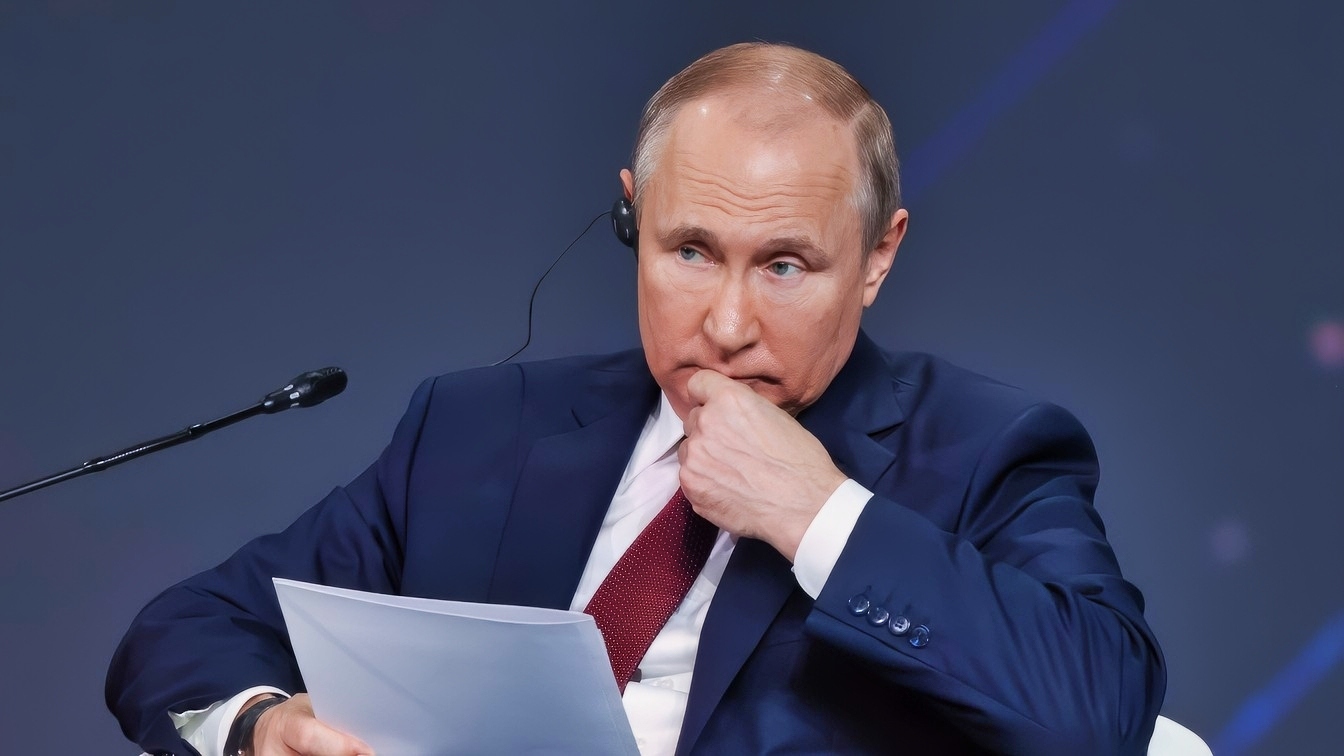
As Russia’s spring offensive struggles to make meaningful gains on the battlefield, and after Ukraine invested a great deal in its burgeoning drone manufacturing industries, the war is now moving deep inside Russian territory. Long-range Ukrainian drone strikes are now hitting oil terminals and military facilities hundreds, sometimes thousands, of miles away from the front lines. It’s perhaps no wonder, then, that Russian President Vladimir Putin claimed this week that he is willing to reach a compromise with Ukraine.

Sukhoi Su-35 Fighter. Image Credit: Creative Commons.
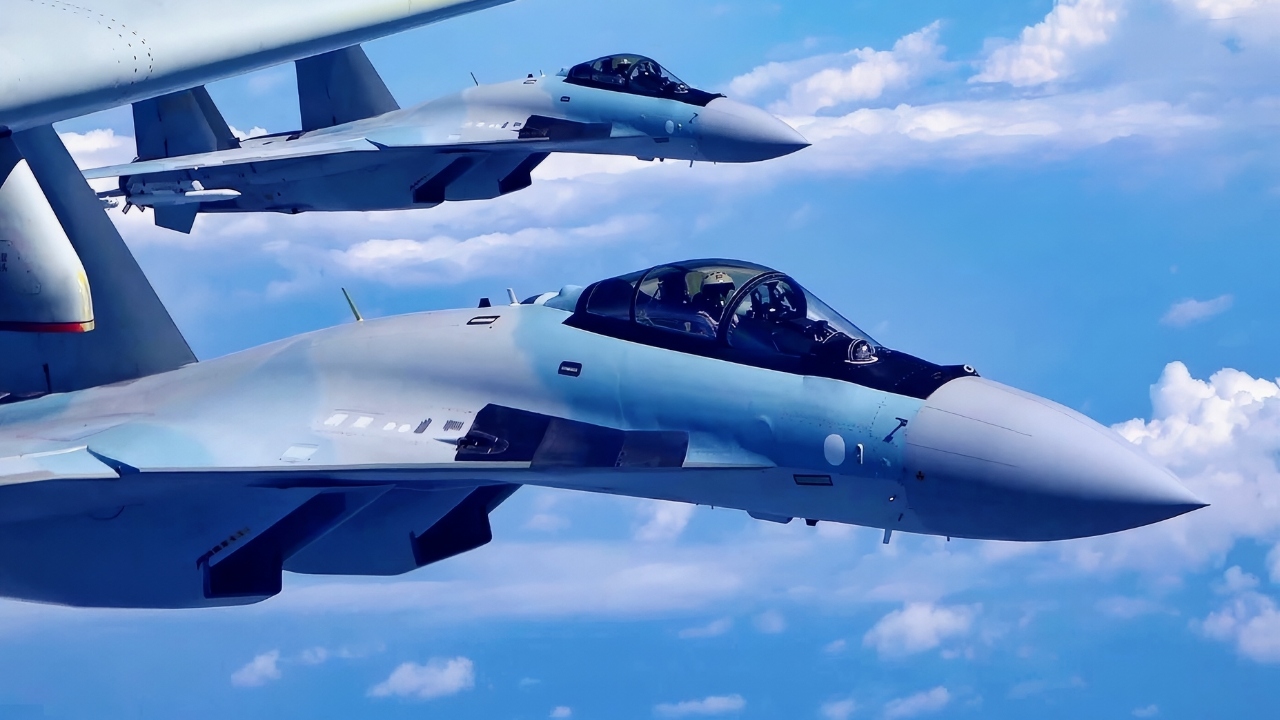
Su-35 from China. Image Credit: Chinese Air Force PLAAF.
Russia Is Losing Momentum in the Ukraine War
Recent battlefield data suggests that Russia’s offensive operations are now delivering diminishing returns despite continuing heavy losses. In a June 1 assessment, the Institute for the Study of War (ISW) said that Ukrainian forces have “largely halted the Russian Spring-Summer 2026 offensive so far,” adding that Russian forces in May this year “have gained a presence in only a fraction of the territory they did in May 2025.”
And, according to Ukrainian monitoring group DeepState, Russian forces captured only 14 square kilometers of territory during May, making it their least successful month since October 2023 – despite a reported 37.5% increase in Russian assault operations overall.
Analyst John Helin also suggested that the Russians are quickly facing the possibility of being unable to capture the Donbas at all.
“In the broader picture, if the Russians can’t find ways to pick up momentum significantly, the goal of capturing Donbas this year is slipping out of their reach fast,” Helin said.
Ukraine also claims Russian casualties are extraordinarily high. On June 5, the Ukrainian General Staff reported that Russia had lost 1,550 personnel during the previous 24 hours, bringing total Russian losses since February 2022 to approximately 1.37 million troops killed or wounded. While those figures cannot be independently verified, Western intelligence agencies have repeatedly estimated Russian casualties to be among the highest suffered by any modern military.
Moscow Turns to Air Power
As battlefield progress slows, the Kremlin is turning to large-scale aerial bombardment to keep up the pressure against Ukraine – even using some of its most expensive and valuable missiles. Russia recently launched one of its largest air attacks of the war, firing 73 missiles and 656 drones against targets across Ukraine. The strikes hit Kyiv, Dnipro, Kharkiv, Poltava, Zaporizhzhia, and other regions, killing at least 17 people and injuring roughly 100 people.

Iskander-M. Image Credit: Creative Commons.
The decision to use high-value assets was calculated; it had a psychological effect after Russia warned it was going to happen, it caused damage in major Ukrainian cities, and it proved that Russia is willing to escalate.
Additional Russian strikes during the week also hit residential buildings in Kramatorsk, killing civilians and injuring at least 11 people. A Russian drone also destroyed 36 apartments in Kherson, killing one resident. Ukraine has also reported several strikes on food storage facilities.
Russia still possesses significant missile and drone capabilities and continues to prove it will use them, but it is also struggling to achieve decisive breakthroughs on the battlefield.
Losing Its “Strategic Depth”?
In a June 3 analysis for the Jamestown Foundation, researcher Vadim Shtepa argued that Ukraine’s long-range drone campaign is steadily eroding Russia’s strategic depth.
“Russia is losing the strategic depth that has provided it domestic shelter against the effects of the war, revealing the crumbling state of Moscow’s war machine,” Shtepa argues, adding that the “strain of the war is becoming evident on Russia’s homefront.” Shtepa referred to the geographic buffer that has historically protected Russia’s industrial and population centers from enemy attack.
According to estimates cited in the analysis, approximately one-quarter of Russian territory containing roughly 70% of the country’s population is now within range of Ukrainian drones. That includes major industrial centers like Yekaterinburg and Perm, located more than 1,500 kilometers from Ukrainian territory.
“Neither Napoleon nor Hitler could have hoped to reach the Urals, but today, the Ural cities and factories are quite accessible targets. This result was brought about by an aggressive war unleashed by Russia itself,” Shtepa writes, noting also that oil refining in central Russia has “virtually ceased operations” due to Ukrainian drone strikes.
The pressure is on, and both Putin and Zelenskyy now appear to be publicly signaling a deal is possible.
The question now is whether Russia is willing to accept a compromise with Ukraine over its territorial demands, or if Ukraine thinks it has enough fight left to force even greater concessions down the line.
About the Author: Jack Buckby
Jack Buckby is a British researcher and analyst specializing in defense and national security, based in New York. His work focuses on military capability, procurement, and strategic competition, producing and editing analysis for policy and defense audiences. He brings extensive editorial experience, with a career output spanning over 1,000 articles at 19FortyFive and National Security Journal, and has previously authored books and papers on extremism and deradicalization.


