

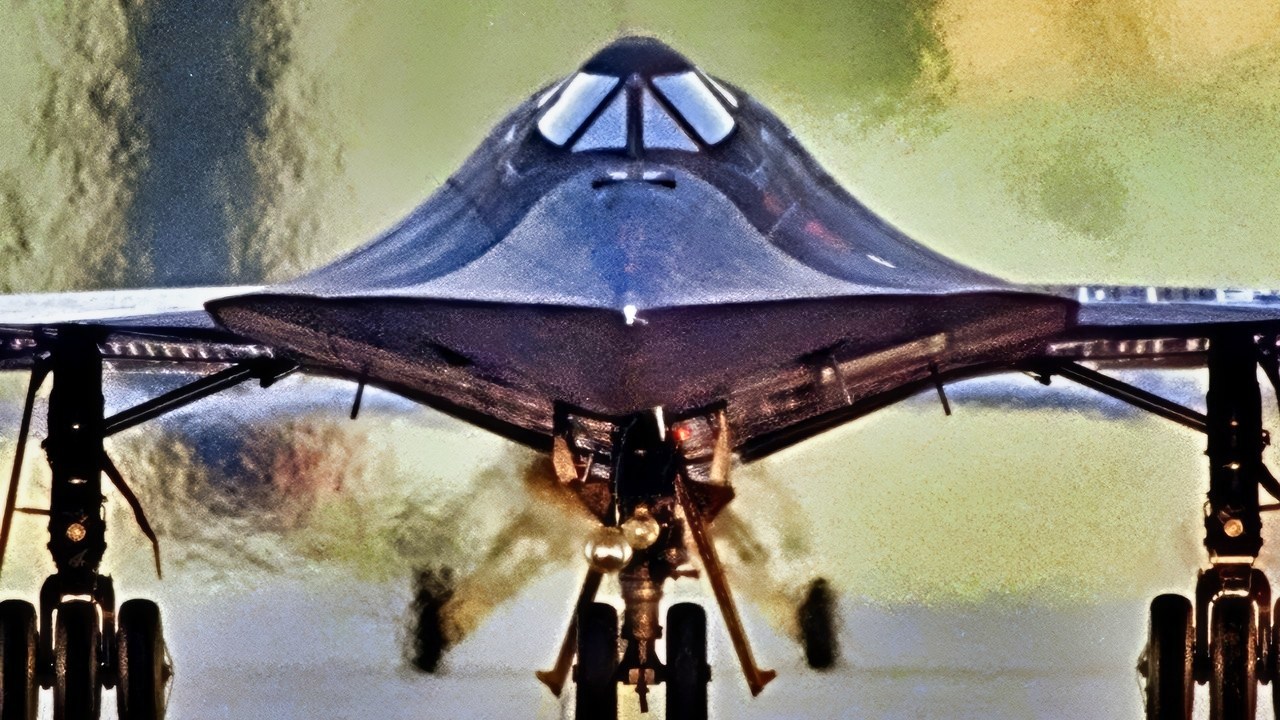
Summary and Key Points: On June 29, 1987, an SR-71 Blackbird suffered a catastrophic engine explosion during a “Baltic Express” mission, forcing it into a vulnerable descent over Swedish airspace.
-Normally invulnerable at Mach 3, the crippled spy plane was a prime target for Soviet MiG-25s until four Swedish JA-37 Viggen pilots intervened.
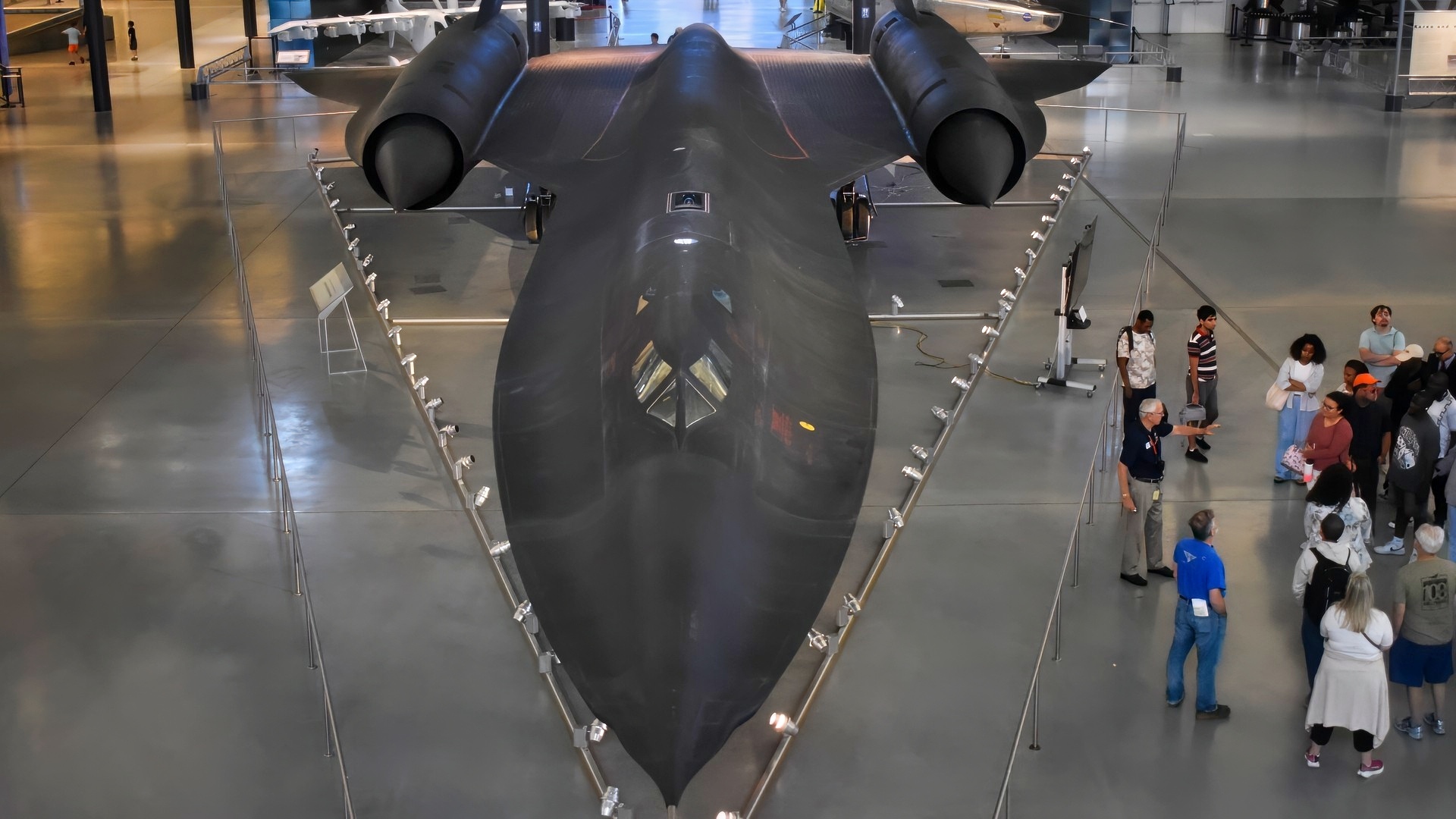
SR-71 Photo Taken September 26, 2025. Image Credit: National Security Journal.
-Recognizing the emergency, the Swedes provided a protective escort, shielding the American crew from a potential international incident.
-Classified for 31 years, this mission was finally recognized in 2018 when the U.S. Air Force awarded the Swedish “Guardian Angels” Air Medals for their professional and heroic intervention.
-BONUS – We present here our own original photos of our various SR-71 Blackbird visits to various museums around the United States in this article.
Mach 3 Emergency: Why Swedish Viggen Fighters Risked War to Save a Crippled SR-71 Blackbird
The SR-71 Blackbird is one of the most iconic aircraft of the Cold War period. Renowned for its high speeds and sleek, futuristic design, the Blackbird served as the U.S.’s premier spy plane throughout the 70s and 80s.
It frequently participated in reconnaissance missions along the Soviet border (penetrating the USSR was too risky, even for the SR-71). During one mission, however, the legendary Blackbird experienced a severe maintenance issue that disabled one of its engines.
Losing speed and near hostile territory, the spy plane would have been easy pickings for Soviet fighters had it not been for the Swedes, who escorted the damaged plane back into NATO airspace.
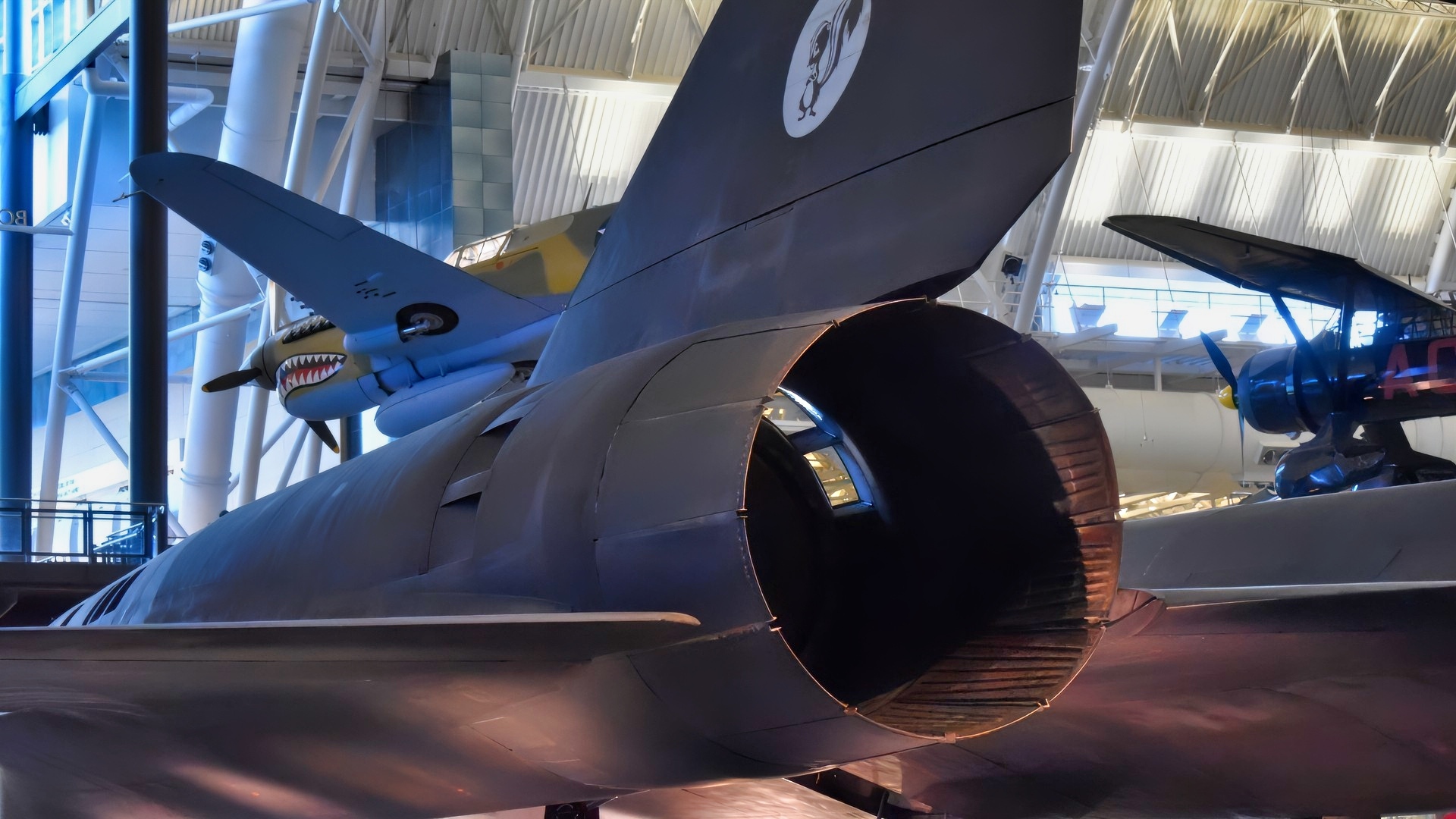
SR-71 Blackbird Rear Image. Credit: Taken on September 26, 2025 by National Security Journal.
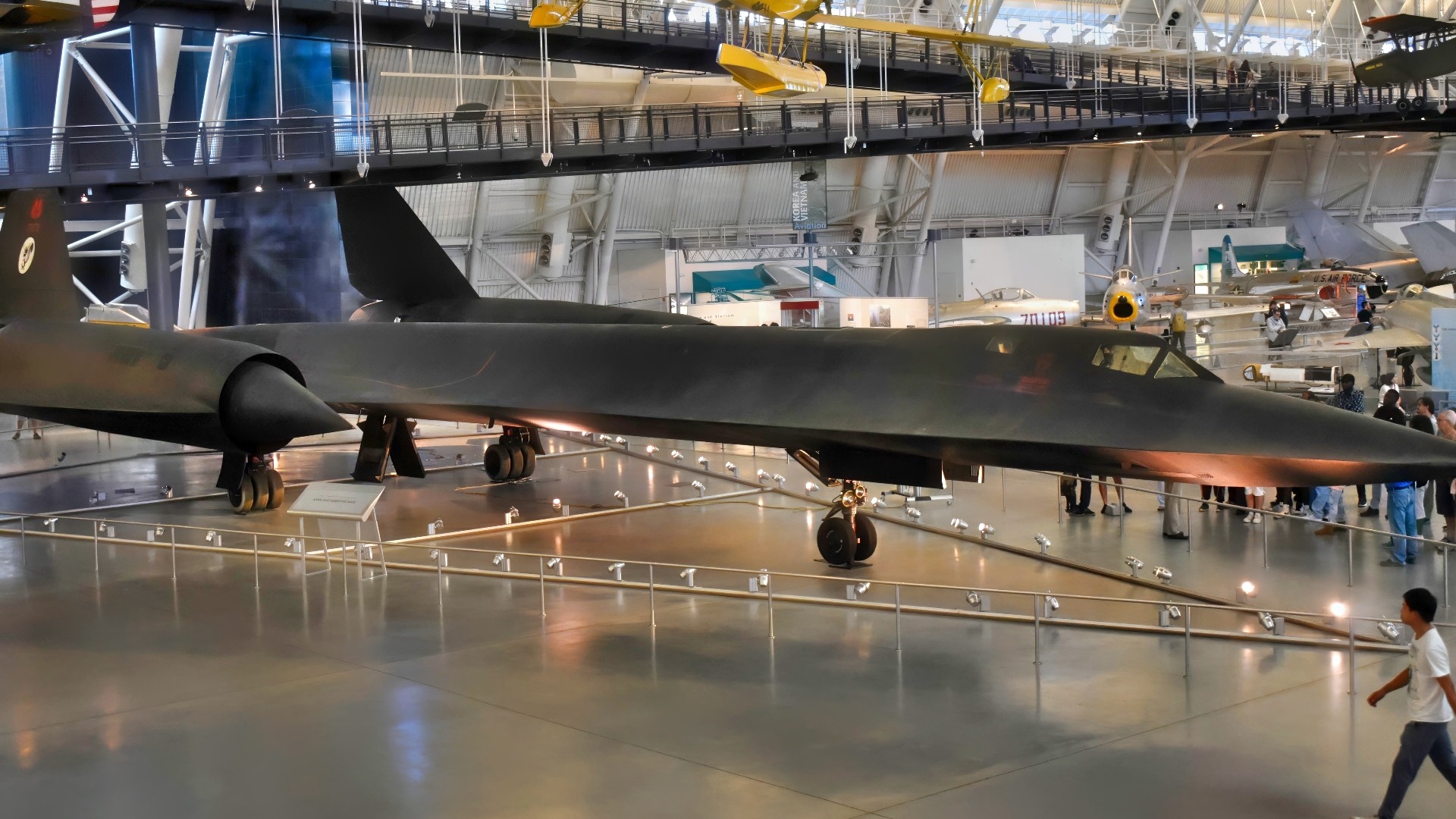
SR-71 Blackbird Smithsonian. Image Credit: National Security Journal.
Background: A Neutral Country Between Two Giants
During the 1980s, Sweden maintained a strict policy of neutrality, yet it also fielded one of the most sophisticated air defense networks in Europe due to its position between two superpowers. Swedish radar operators and fighter pilots grew accustomed to scrambling hundreds of times a year to identify or escort aircraft approaching their airspace.
According to contemporary accounts, Swedish Quick Reaction Alert units responded to between 400 and 500 unidentified or suspicious aircraft annually during the Cold War, making vigilance a normal part of Swedish military operations.
At the same time, the SR-71 was conducting routine reconnaissance flights using the same predictable arcs over the Baltic. These flights made it possible for Swedish controllers to anticipate the Blackbird’s presence.
Although the SR-71 was too quick for any of Sweden’s aircraft, Swedish planners and pilots gradually developed expertise in approaching and even locking onto the aircraft using the advanced capabilities of the JA-37 Viggen interceptor. Reports later revealed that the Viggen had achieved radar lock on the SR-71 more than once, a feat unique among foreign air forces. Swedish pilot Per-Olof Eldh described having completed five successful “hot intercepts,” some aided by the SR-71’s long contrail at high altitude.
The SR-71 Blackbird Experiences Some Technical Difficulties
On June 19, 1987, an SR-71 launched from RAF Mildenhall in the United Kingdom for a standard Baltic Express mission. Piloted by retired Lt. Cols. Duane Noll and Tom Veltri, the aircraft climbed to its typical operating altitude of around 75,000 feet and accelerated to Mach 3. As it passed north of the Baltic Sea, disaster struck.
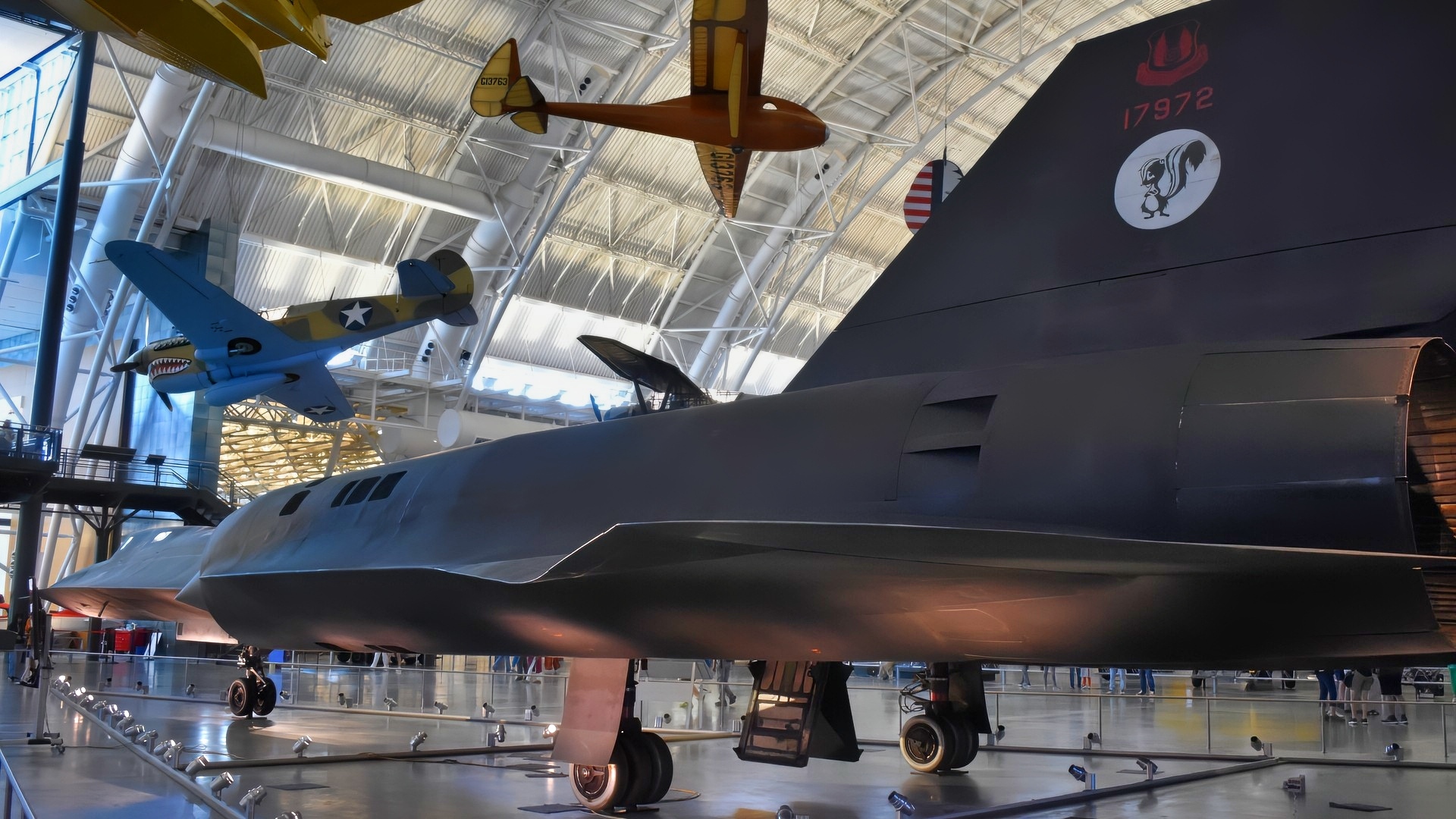
SR-71 Blackbird Full Side Shot. Image Credit: National Security Journal.
The right engine suffered a catastrophic explosion, forcing the crew to throttle back and descend rapidly. The Blackbird, normally invulnerable due to its altitude and velocity, suddenly became a slow, wounded aircraft, losing altitude into busy, potentially hostile airspace.
With the engine failure worsening and altitude falling, the crew steered toward Sweden, seeking stability and safer airspace in which to troubleshoot the problem. At approximately 25,000 feet, they inadvertently crossed into Swedish airspace near the island of Gotland. Swedish air-defense radars immediately noticed the incursion and alerted two Saab JA 37 Viggen fighters that were already airborne on a routine training mission.

YF-12A. A similar plane to the A-12 Oxcart and SR-71. Credit: NSJ.
The pilots, Maj. Roger Möller and Maj. Krister Sjöberg, was instructed to intercept the unknown aircraft and perform a visual identification. Möller later recalled that the moment controllers asked whether he could perform an intercept “of a certain interest,” he suspected the target might be a Blackbird, because otherwise the controller would have named the aircraft outright.
Sweden Responds
As the Viggens approached the descending SR-71 at roughly 70 kilometers east of Öland, the Swedish pilots immediately recognized the severity of the American crew’s situation. Closing in to within about 30 meters, they saw that the aircraft was operating on only one engine and struggling to maintain momentum.
They could even read the registration number, 117964, on the stricken jet. What had begun as a neutral intercept suddenly transformed into a protective mission. Under international norms and long-standing Swedish policy, helping any aircraft in distress was an unquestioned responsibility.

SR-71 and SR-71 Nose Section Original Photo from NSJ.

SR-71 Side Angle National Security Journal Original Photo.

SR-71 National Security Journal Image.
The first pair of Viggens, however, could not stay with the Blackbird for long, as their fuel reserves were dwindling. Swedish controllers therefore scrambled a second pair of Viggens from the F 10 Wing at Ängelholm. Piloted by Col. Lars-Erik Blad and Lt. Bo Ignell, these fighters intercepted the struggling SR-71 as it continued eastward, now outside Swedish airspace but still far from safe. The handoff occurred over international waters, about 70 kilometers east of Bornholm. With the second pair now in place, Möller and Sjöberg returned to base to refuel.
The Only Time the SR-71 Was Intercepted
Soviet forces regularly attempted to intercept the SR-71 using MiG-25PD “Foxbat” fighters based in East Germany, but they had never succeeded in catching the Blackbird under normal conditions.
Now, however, the SR-71 was limping at low altitude and reduced speed, vulnerable in a way it had never been before. American crews later acknowledged that if a Soviet aircraft had attempted to engage the crippled Blackbird, the outcome could have been far more dangerous.
Because of this, the Swedish Viggen pilots assumed protective positions around the SR-71, effectively escorting it until it could reach safer NATO-controlled airspace. They continued this role steadily, ensuring no other aircraft, Soviet or otherwise, attempted to approach the disabled American jet.

Saab 37 Viggen Flying. Image Credit: Creative Commons.
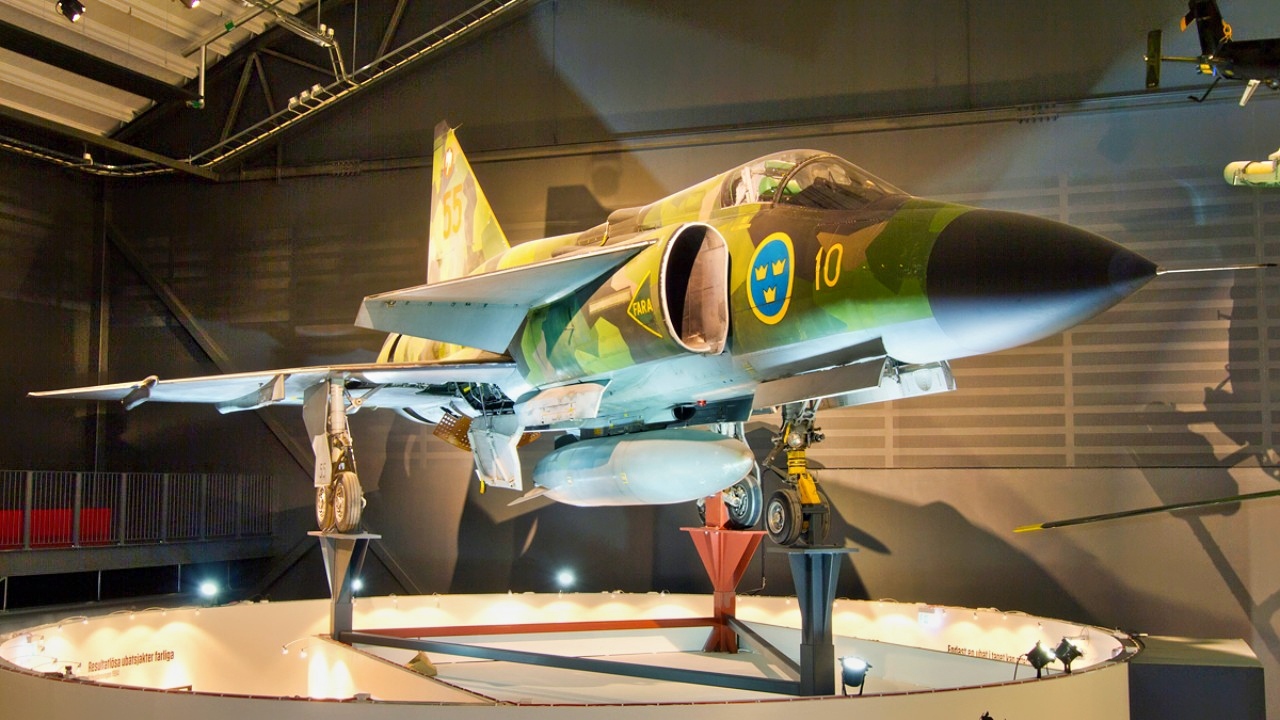
Saab 37 Viggen Fighter. Image Credit: Creative Commons.
The SR-71 eventually regained stability and proceeded toward West Germany, where it landed safely. Despite the event’s dramatic nature, the details of the escort remained classified for decades. The Swedish pilots spoke little about the incident in public, and the United States refrained from disclosing information until well after the end of the Cold War.
By 2017, however, the U.S. Air Force chose to recognize the actions of the Swedish pilots. In a ceremony held in Stockholm on November 28 of that year, all four Viggen pilots involved in the escort were awarded the U.S. Air Medal.
About the Author: Isaac Seitz
Isaac Seitz, a Defense Columnist, graduated from Patrick Henry College’s Strategic Intelligence and National Security program. He has also studied Russian at Middlebury Language Schools and has worked as an intelligence Analyst in the private sector.


