


Key Points and Summary – China’s J-20 “Mighty Dragon” is Beijing’s flagship stealth fighter, built around five core features: low observability, long range, powerful engines, integrated 360-degree sensors, and a large internal weapons bay.
-With the WS-10C now and WS-15 coming, the J-20 is edging toward true supercruise and deeper reach across the Indo-Pacific.
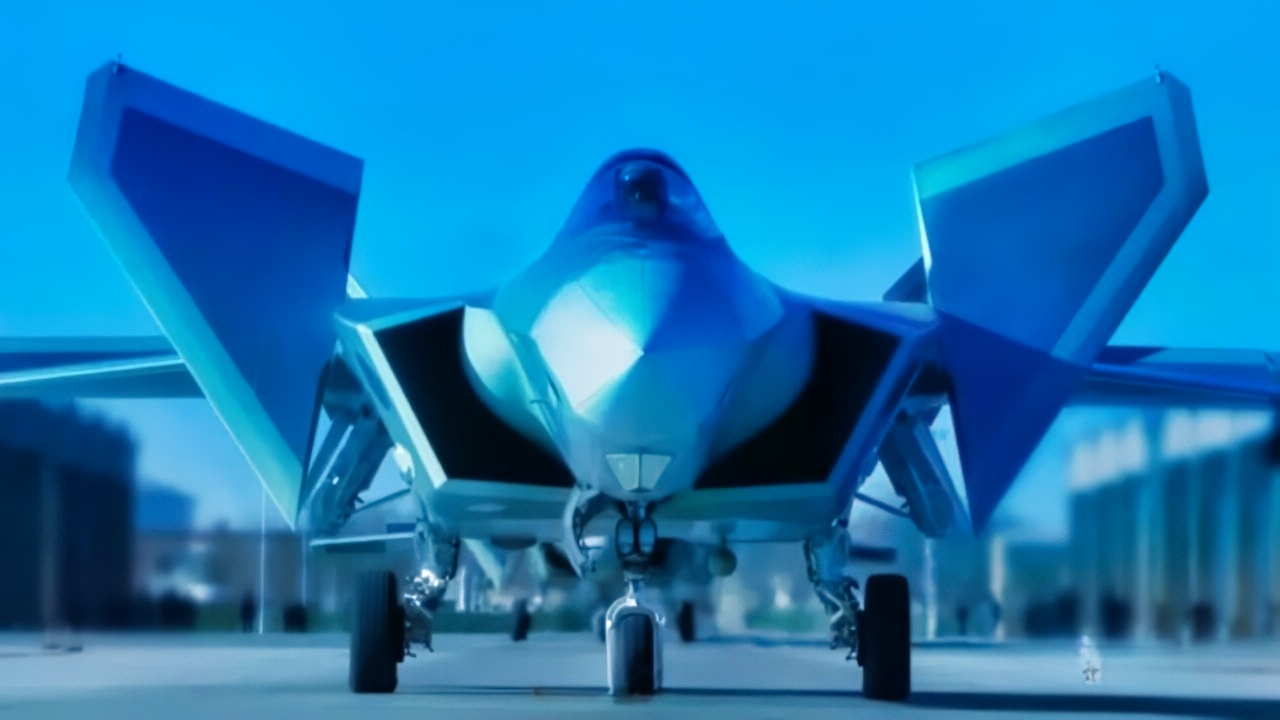
J-20 Fighter Ready. Image Credit: PLAAF.
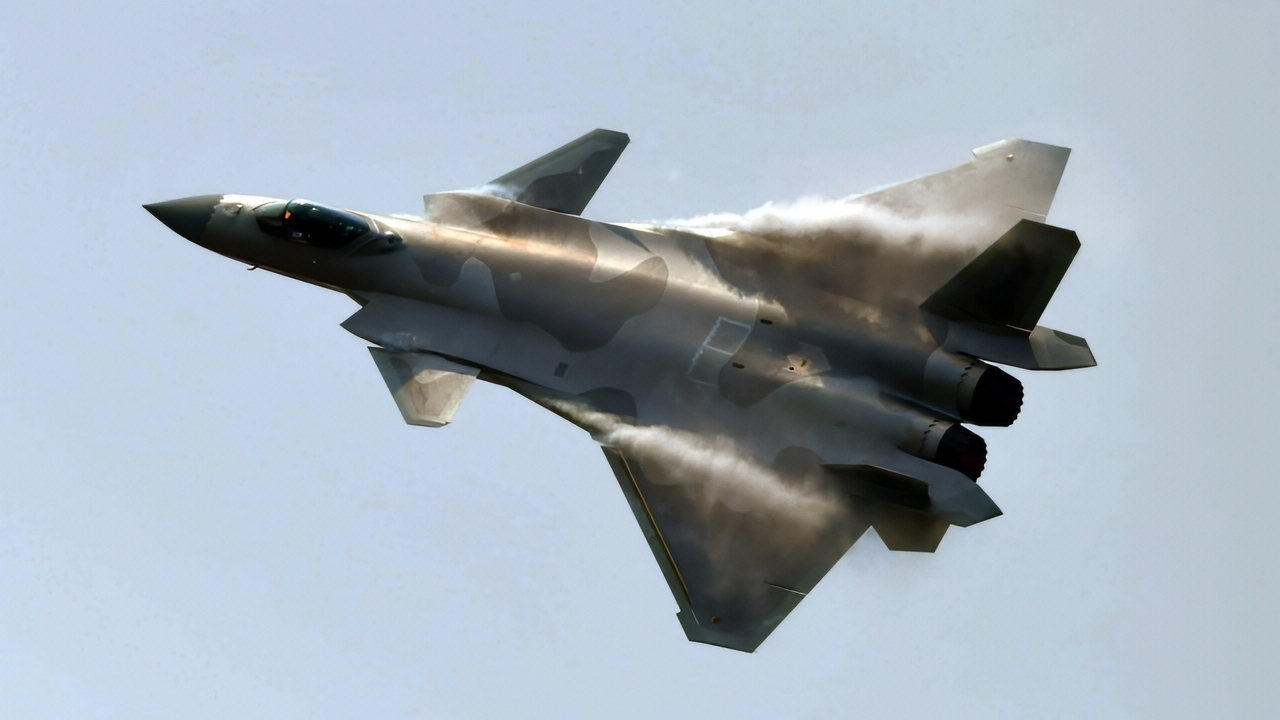
J-20 Fighter. Image Credit: Chinese Air Force.
-Its canard-delta layout and emerging thrust vectoring give it solid agility, while internal bays carry long-range PL-15s and short-range PL-10s under stealthy conditions.
-U.S. commanders respect the jet’s command-and-control and growing numbers—but still question its build quality, networking, and how it will perform in real combat.
Five Key Features Of China’s J-20 Stealth Fighter
The Chinese built the first stealth fighter aircraft outside of the United States. The J-20 “Mighty Dragon” stealth fighter earned grudging respect from American F-35 pilots during what American pilots deemed a “professional” encounter over the East China Sea.
There are five key features of the J-20 stealth fighter worth noting. They feature advanced stealth design, a powerful WS-15 engine for supercruise, integrated avionics with 360-degree sensor coverage, a large internal weapons bay, and high maneuverability from their canard-delta wing configuration.
These features work together to allow the J-20 to penetrate enemy airspace, strike high-value targets, and perform complex combat missions.
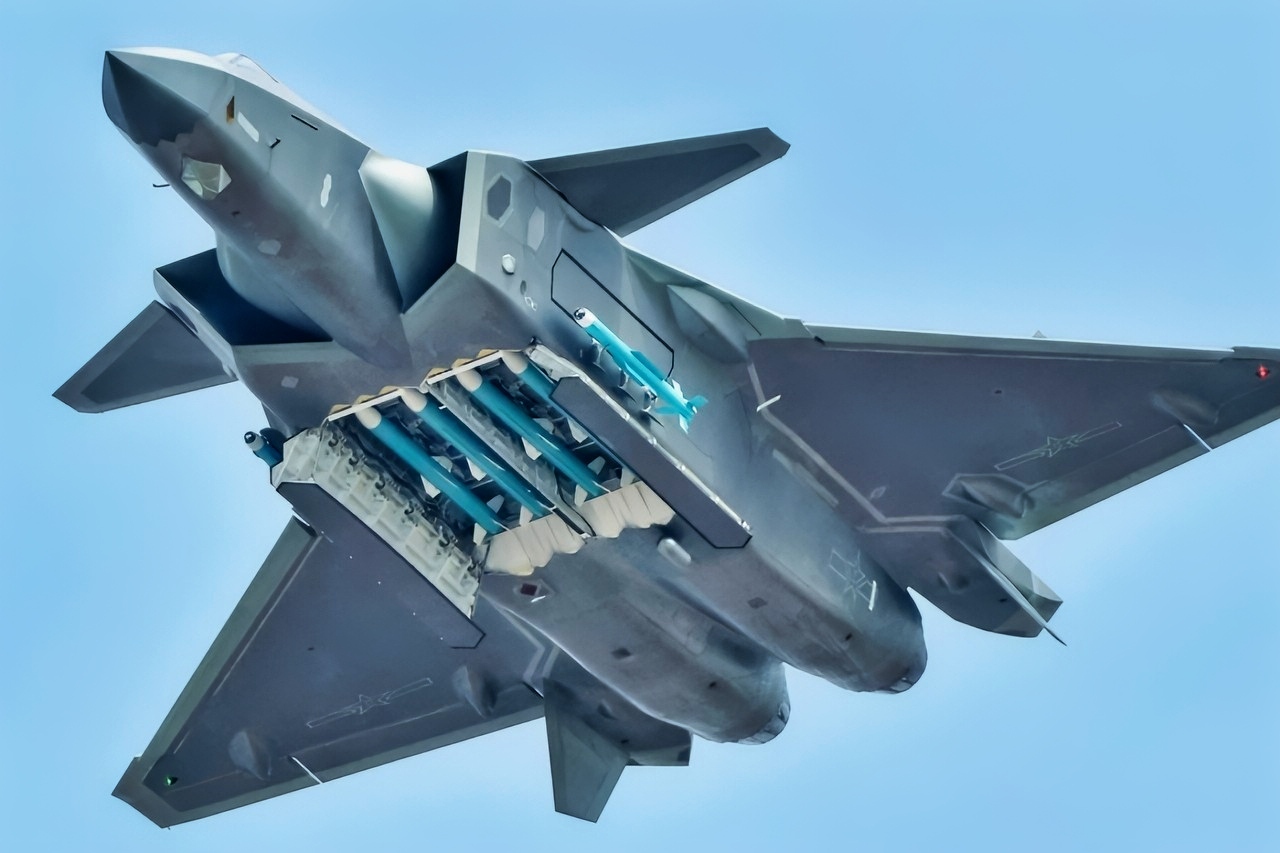
China J-20 Fighter with Missiles. Image Credit: Chinese Weibo.
The J-20 Mighty Dragon Is Stealthy
The J-20’s stealth capabilities are achieved through a combination of design features, including a blended wing-body, diverterless supersonic inlets (DSIs), internal weapons bays, and radar-absorbent materials.
While its overall stealth is considered inferior to some American counterparts, such as the F-22, its design offers better multi-directional stealth from the sides and rear. The aircraft also features advanced avionics and sensor fusion to enhance situational awareness and support stealthy operations.
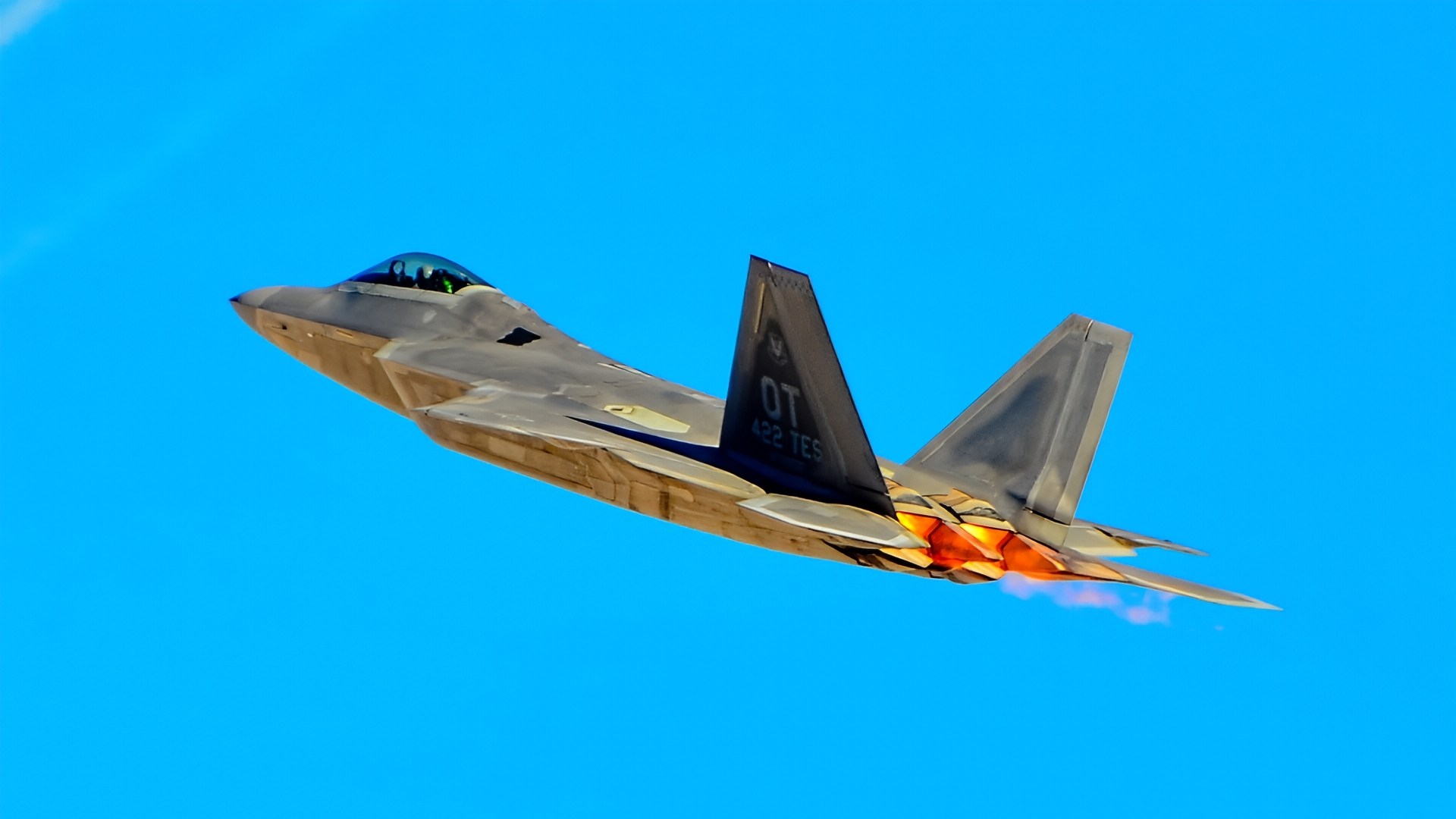
F-22 Raptor Stealth Fighter Flying. Image Credit: Creative Commons.
The J-20’s design minimizes its radar signature, especially from the front, by using a chiseled nose, blended wing-body, internal weapons bays, and diverterless supersonic inlets.
This low observability is crucial for an ambush-style attack, allowing it to slip past enemy patrols undetected.
Like other stealth fighters, the J-20 stores its weapons in a storage bay. It has four beyond-visual-range (BVR) and within-visual-range (WVR) missiles. With internal fuel tanks, the J-20 can travel 1,100 nautical miles.
Recently, a J-20 pilot of the People’s Liberation Army Air Force (PLAAF), Captain Yang Jucheng of the “Wang Hai” Brigade, claimed that he overflew the entire island of Taiwan and was never once intercepted. He reportedly penetrated Taiwan’s airspace, and Taiwan’s air defense systems were utterly unaware that the aircraft was even there.
The Powerful WS-15 Engine
The J-20’s top speed is Mach 2.55 (1956 mph), according to the Chinese. It is capable of supercruise, flying supersonic without using fuel-intensive afterburners.
The J-20 has a high ceiling and can reportedly reach 65,000 feet. China has indigenously produced the Shenyang WS-10 afterburning engine, which provides 30,000 pounds of thrust that powers the J-20.
Initially, the J-20 relied upon Russian-supplied Al-31 engines—but has transitioned to the domestically produced WS-10C engine, and ultimately, will adopt the upcoming WS-15, which should provide the J-20 with super cruise abilities, aka, sustained supersonic flight without the use of afterburners.
The WS-15 should significantly extend the J-20’s range, enabling China to project airpower deeper into contested airspace across the sprawling Indo-Pacific region.
J-20’s Integrated Avionics Package
The J-20’s integrated avionics system includes an Active Electronically Scanned Array (AESA) radar, an Electro-Optical Targeting System (EOTS) for infrared search and track (IRST), a distributed aperture system (DAS) for 360-degree situational awareness, and a helmet-mounted display system (HMDS) for the pilot.
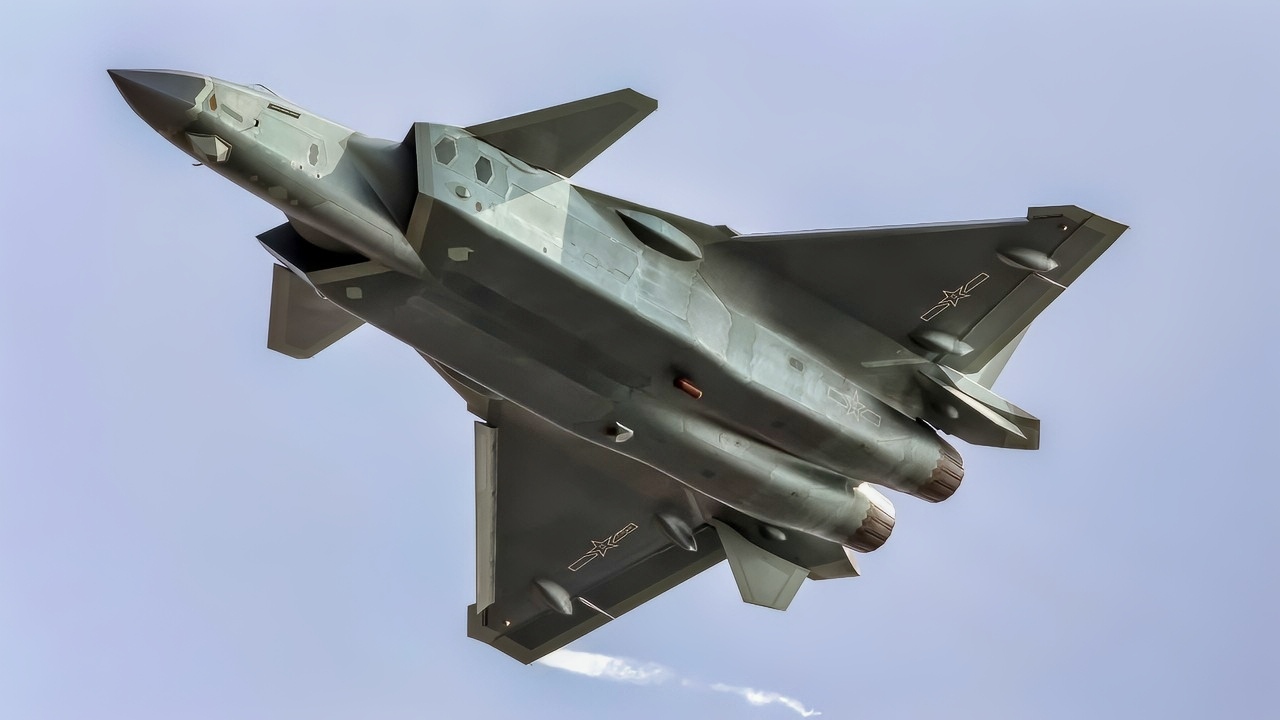
China J-20 Mighty Dragon Fighter. Image Credit: Creative Commons.
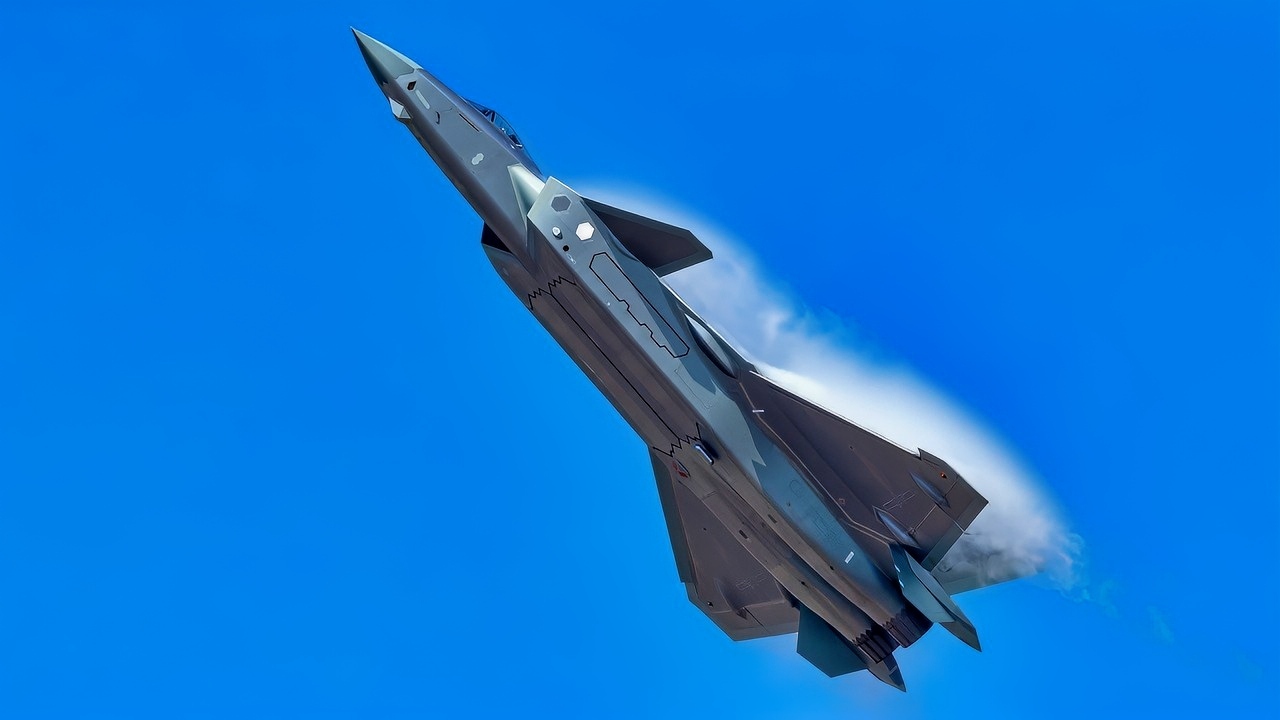
China J-20 Fighter High In Sky. Image Credit: Creative Commons.
These sensors are linked via advanced sensor fusion to create a unified picture of the battlespace, and they enable the J-20 to operate in a command-and-control role by connecting with other assets, such as drones and ground stations.
China is working on a CCA or dedicated wingman, much like the US.
Large Internal Weapons Bay
The J-20 stealth fighter features a large central internal weapons bay and two smaller side bays, allowing it to carry a variety of weapons while maintaining stealth.
The main bay can hold long-range air-to-air missiles like the PL-15 and PL-21, or guided munitions, while the smaller side bays are typically for short-range missiles like the PL-10.
This internal carriage is crucial for its low observability, enhancing its speed and survivability by reducing drag and its radar signature.
In situations where stealth is less critical, such as in areas with established air superiority, the J-20 can use its external hardpoints to carry additional weapons, sometimes called “Beast Mode“.
The J-20 Is Highly Maneuverable
The J-20’s maneuverability is considered strong, with recent versions demonstrating high agility, though its effectiveness with a combat load is debated.
Its maneuverability is enhanced by thrust-vectoring controls on some models, allowing sharp turns and high-G maneuvers that have been likened to those of the highly agile F-16.
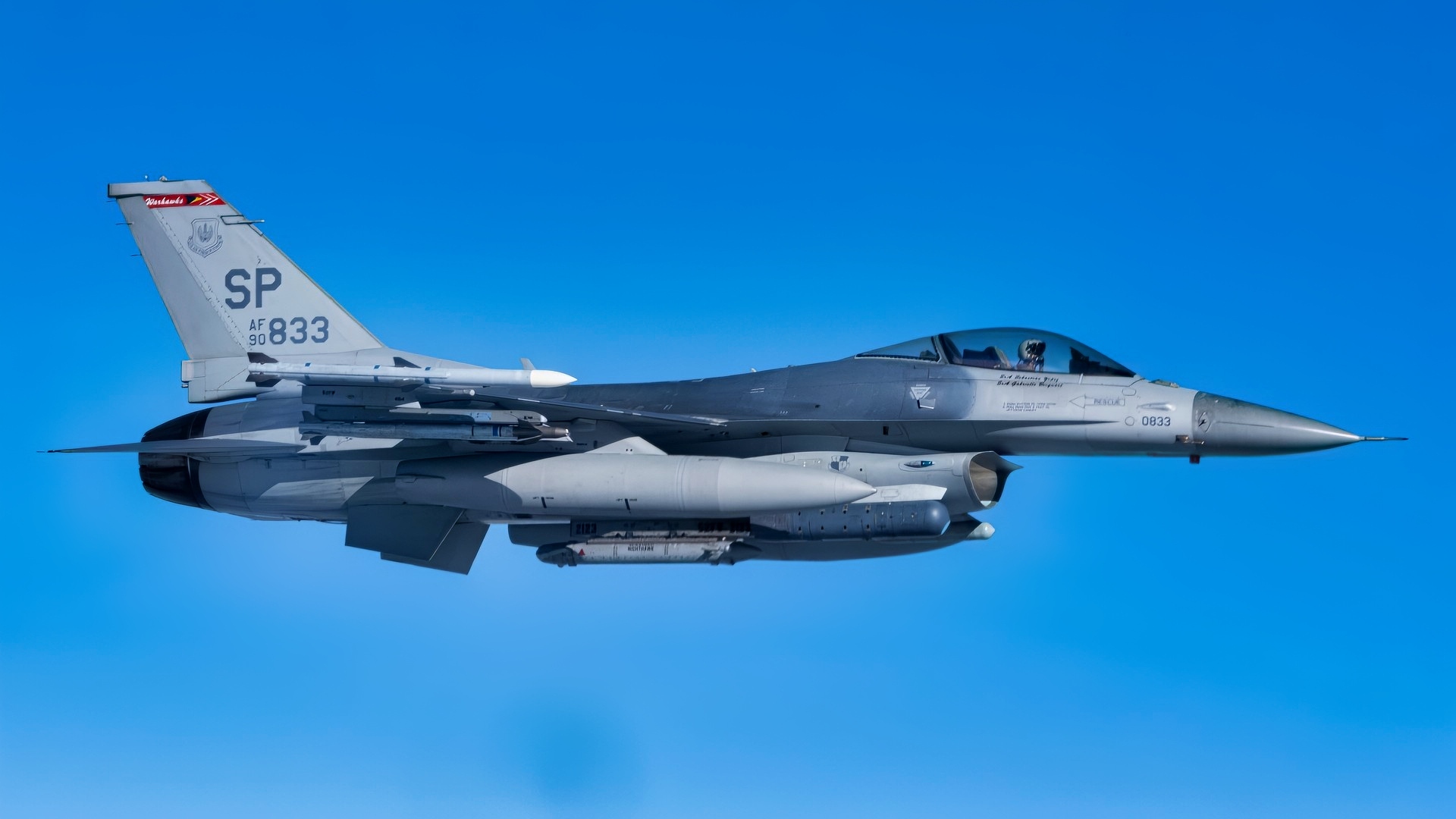
A U.S. Air Force F-16 Fighting Falcon from the 52nd Fighter Wing, Spangdahlem Air Base, Germany, flies during an Agile Combat Employment movement over Poland, Feb. 29, 2024. ACE is a military concept aimed to deny adversaries the advantage of predictability, while concurrently enhancing U.S. Air Forces in Europe’s capacity to respond swiftly to emerging threats. (U.S. Air Force photo by Airman 1st Class Christopher Campbell)
While its stealth design is intended to reduce radar signature, it may compromise maneuverability to some extent.
However, while the J-20’s maneuverability is impressive, its performance when fully armed with internal weapons is still an area of uncertainty and debate among aviation analysts.
In 5 Letters: Stealth
No one really knows how China’s J-20 will perform. It’s one thing to steal designs from three different aircraft to make one. But it is another thing to make it work. One question is just how good the quality of its components and construction is.
Thus far, the most concerning aspect of the J-20 is its numbers. Even if US fighters are technically superior, having numbers far in excess of those of US and Allied fighters is concerning.
Another question about the J-20 is whether its internal make-up is known, and whether it has the same data-link capabilities as the F-35.
These secure data links give the F-35 the ability to combine sensors on multiple other F-35s and other U.S. sensor platforms to give U.S. pilots an unprecedented view of what’s happening in the air battleground and work together to prioritize targets effectively.
One way they could swing the battles is by using long-range missiles in air-to-air combat. The J-20 could be used to punch through opposing air defenses by engaging and destroying enemy fighter patrols, AWACS/AEW&C aircraft, and refueling tankers.
When used as a ground attack platform, the J-20’s large bomb bays and ability to carry long-range air-to-ground and anti-ship missiles could enable it to strike targets far behind enemy lines. This could be Taiwan, the Philippines, Guam, Japan, or South Korea.

J-20 Fighter. Image Credit: Creative Commons.
This would give China the ability to disrupt enemy supply lines, attack air bases, and threaten US Navy surface assets.
The J-20’s long-range capability also allows it to engage targets beyond the reach of other air-to-ground platforms.
Is the US Concerned Over the J-20?
Gen. Kenneth Wilsbach, then-head of Pacific Air Forces, a few years ago said, “It’s not anything to lose a lot of sleep over,” while speaking to the media about the J-20. “Certainly, we’re watching them closely and seeing how they felt and how they operate them.”
Wilsbach added that after “some recent close engagements we had with our 5th gen jets and some of their J-20s” in the Pacific region, the Air Force had “learned a lot from that,” but that “it is nothing frankly that I would worry too much about.”
Wilsbach gave some interesting perspectives on the meeting, coupled with respect. “We’re relatively impressed with the command and control associated with the J-20.”
The J-20’s capabilities could significantly shift the balance of power in a hypothetical Pacific war, favoring China.
However, the outcome of any war would still depend on a multitude of factors, including the overall strategic situation, the tactics employed by both sides, the effectiveness of their respective air defenses, and, most importantly, the training and skill of their pilots.
About the Author: Steve Balestrieri
Steve Balestrieri is a National Security Columnist. He served as a US Army Special Forces NCO and Warrant Officer. In addition to writing on defense, he covers the NFL for PatsFans.com and is a member of the Pro Football Writers of America (PFWA). His work was regularly featured in many military publications.
More Military
Who Has the Fastest Hypersonic Missile? Russia, China, or the US?


