

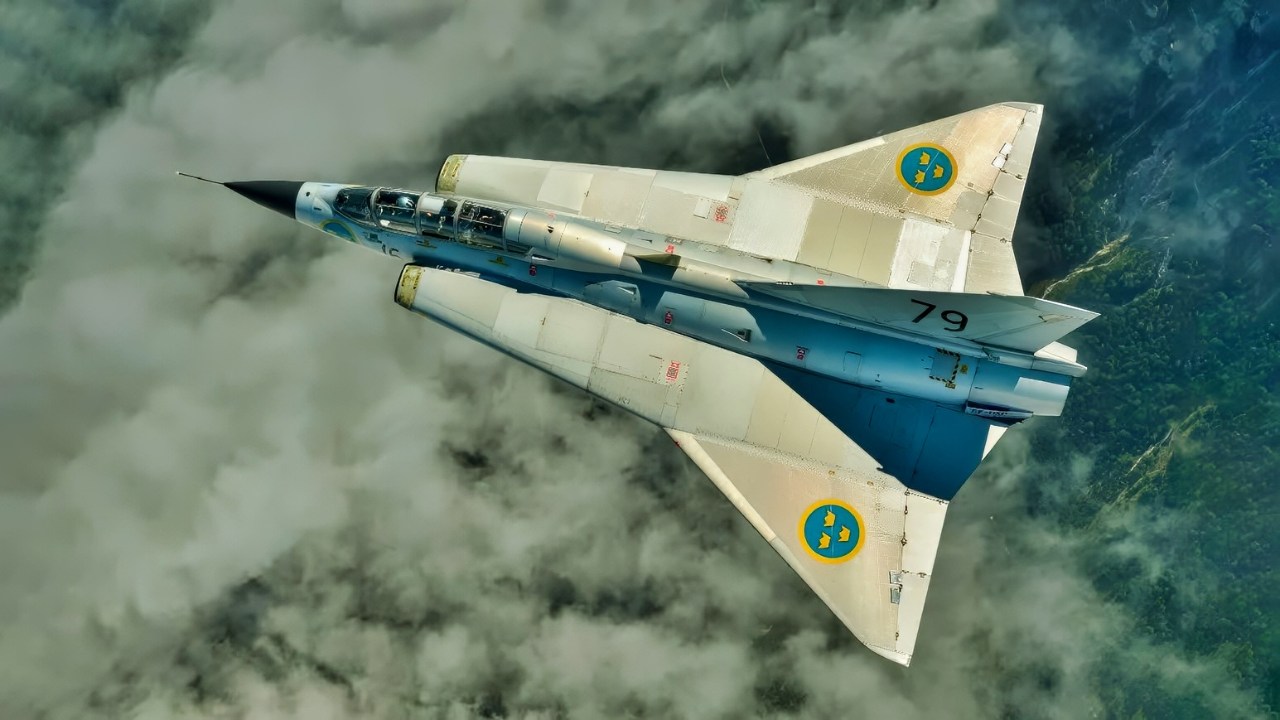
Key Points and Summary – The Pugachev Cobra Maneuver is a dramatic airshow stunt where a pilot abruptly pitches the nose of a fighter jet up to an extreme angle, momentarily stalling the aircraft mid-air before returning to level flight.
-While made famous by Russian pilot Viktor Pugachev in 1989, the maneuver was first performed by Swedish pilots in the 1950s.
-Despite its crowd-pleasing appearance, the Cobra is considered tactically useless and highly dangerous in a real dogfight.
-The maneuver induces a stall and makes the jet a slow, vulnerable target, a risk modern pilots would never take.
What Is the Fighter Jet ‘Cobra Maneuver.?’
There is a significant fighter jet maneuver that seems to wow the crowd at Russian air shows called the Pugachev Cobra Maneuver.
It’s more for show than for tactical advantage in a dog fight, but it looks intriguing and demonstrates just how much certain fighter jets can conduct aerial feats like no other aircraft in the world.
The Russian Su-27 Flanker and MiG-29A fighters perfected the Cobra Maneuver making it famous in 1989.
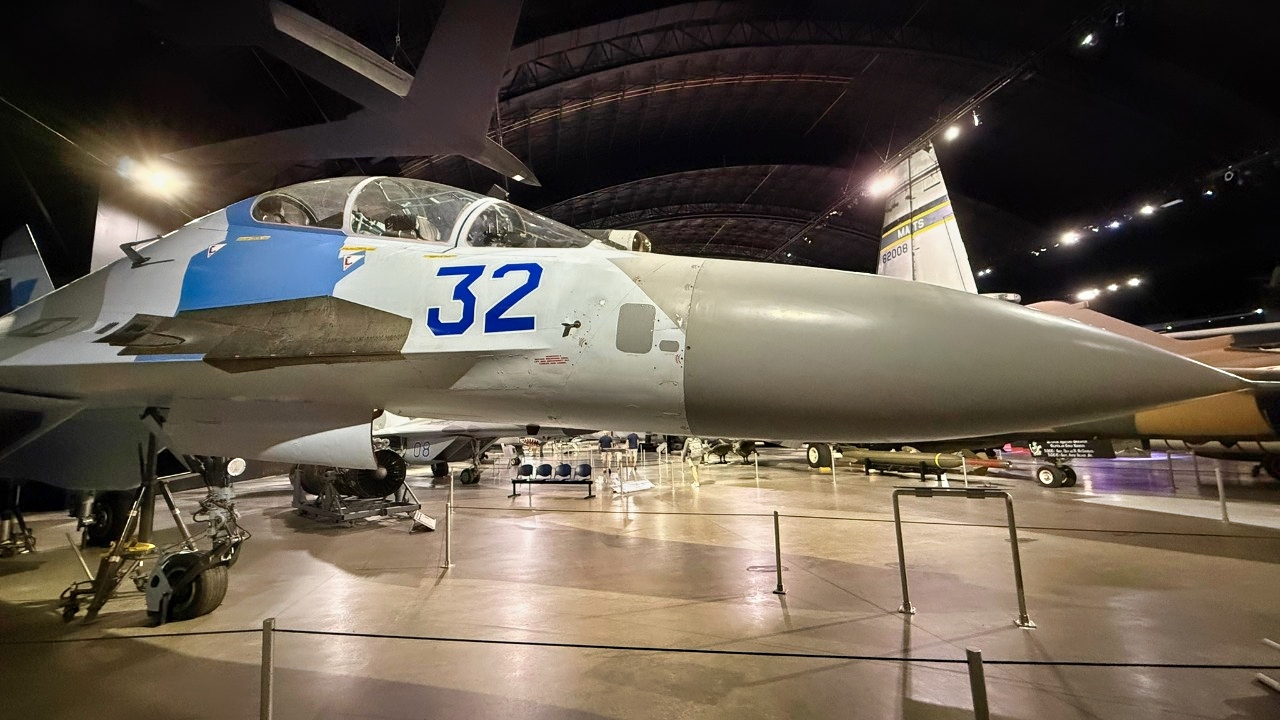
Su-27 Flanker Fighter from Russia. Image Credit: National Security Journal.
The daring pilot first raises the airplane’s nose extremely high for the utmost angle of attack.
Then the jet goes into a mini-stall. It appears that the airplane has put the brakes on or you could even compare it to a motorcycle popping a wheelie.
The pilot remains at the same altitude and then “pitches down” to its beginning position without losing any elevation, as Simple Flying described.
The Swedes Did It First in the 1950s
While known for Russian exploits, the Cobra Maneuver was first conducted by the Swedish air force with pilots flying the Saab 35 Draken.
This goes all the way back to 1955. The Swedes called the move the “kort parade” or “short parry,” from the sport of fencing, Simple Flying said. Syrian pilots also conducted the maneuver in their MiG-21s in the 1980s.
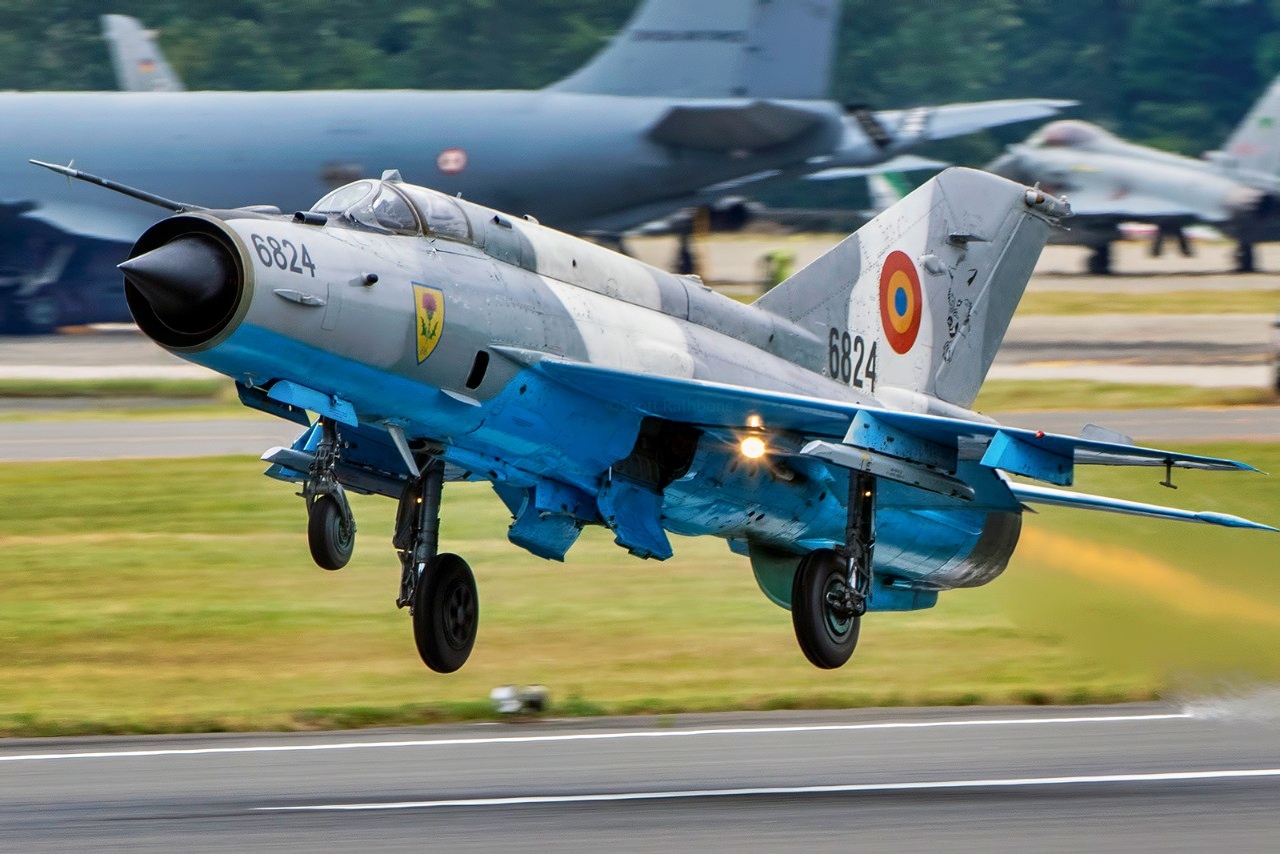
MiG-21 Fighter from Russia. Image Credit: Creative Commons.

The Soviet MiG-21 “Fishbed,” the most-produced jet aircraft in history, was a Mach 2-capable fighter that saw widespread global service despite its short range and other technical limitations. Image Credit: Creative Commons.
But it was Viktor Pugachev who made the Cobra Maneuver well-known at the 1989 Le Bourget airshow. Since this had never been done in an expo in front of civilians, the maneuver was considered owned by Pugachev. This was something awe inspiring at it looked like a dolphin doing a swimming trick with its head and body in the air and out of the water.
Now the Cobra maneuver is done regularly at Russian air shows. The Russian air force loves it because the crowd thinks that it a pure invention from the home team, even though it was originally borrowed from the Swedes and Syrians.
Don’t Try This in a Dogfight
In combat, the Cobra Maneuver would probably fail. It could be used to trick a heat seeking missile but would have no evasive ability against a missile that homes in on radar. Pilots never want to stall fighter jets in a dogfight.
There could be a problem getting the angle of attack down to a controllable level. Plus, the airplane would have to keep a steady altitude than would be an easy shot for an adversarial cannon.
The Maneuver Could Come From a Movie Theater Near You
This could be a maneuver that a stealth jet could use if it could fool a short-range or beyond-visual range missile. The exhaust trail is still a problem and would give the other pilot an advantage as he or she could switch to guns.
In Hollywood movies, the Cobra Maneuver would be a crowd-pleasing tactic as the trailing enemy aircraft on the tail of the lead jet would fly right under the airplane and then would be in the cross hairs of the friendly jet.
“However, this comes with two major flaws. One is that if the enemy shoots past, that aircraft has its airspeed and can use that to either keep running or maneuver around the now-stalled aircraft. The Cobra maneuver is also hardly needed, as just pulling back on the throttle or hitting the airbrakes would likely be enough,” as Simple Flying pointed out.
Not many pilots try this and it is more of a trick than a pure tactic one would want to try in combat. It takes a great aviator to pull it off though and Pugachev was an esteemed test pilot for the Soviet Union.
Advanced Fighters These Days Can Conduct the Move
Modern thrust vectoring makes the maneuver easier to execute and the Su-35 can do the Cobra. Advanced jets like the F-22 can execute it and the Russian Su-57 pulled off a Cobra at an air show in China in 2024.
F-22s and F-35s can fire the AIM-9X Block II Sidewinder missile at targets that are flying behind the friendly airplane, so the Cobra Maneuver is not really needed anymore tactically. It still gives crowds good bumps when it happens in air shows.
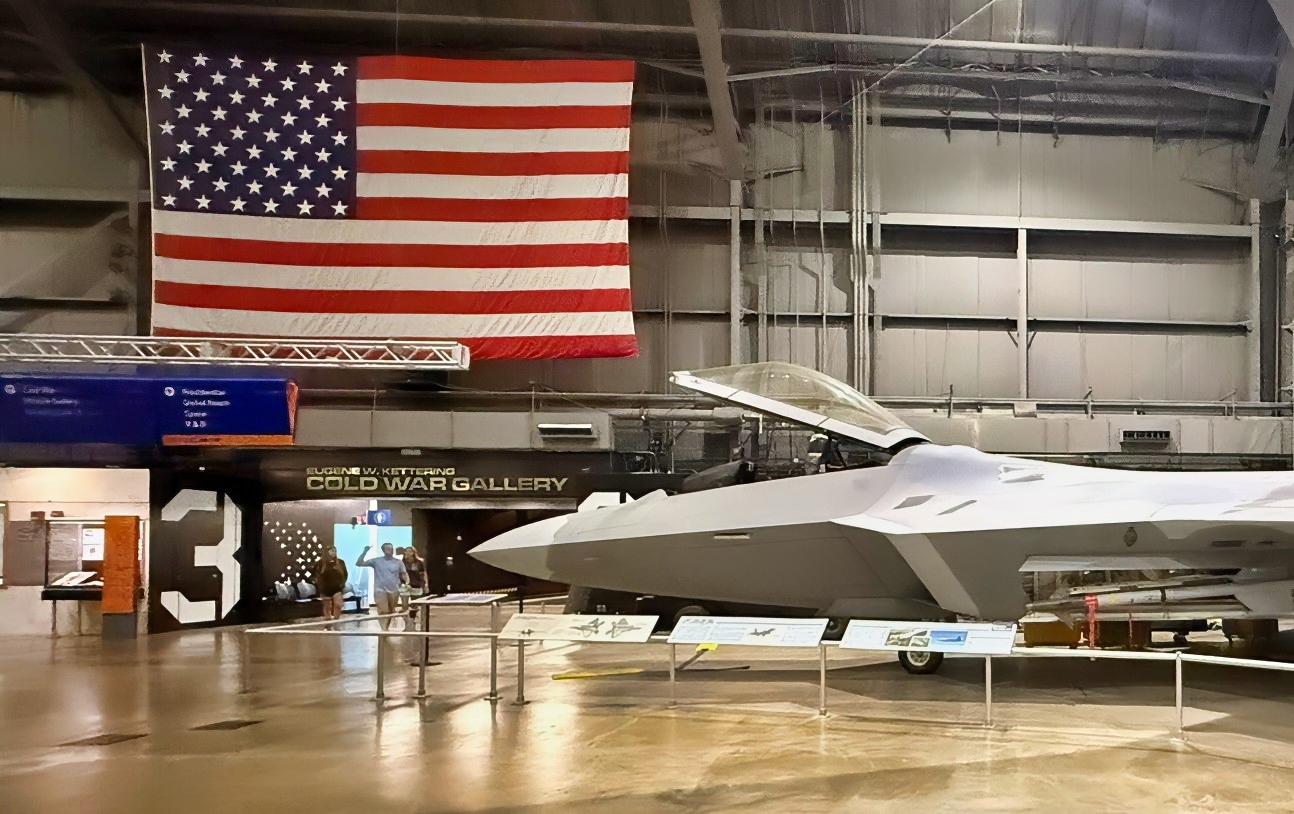
F-22A Raptor in the Air Force Museum. Image Credit: National Security Journal Original Photo.
Give the Swedes credit for inventing the move and Pugachev for finally doing it in public. It can be conducted in some video games and flight simulators so it gives airplane enthusiasts an opportunity to do the dynamic deceleration.
This Is More of a Russian Trick for the Crowd
I doubt the Americans would show the Cobra off at their own air shows that often. Stalling is always risky and there are many other maneuvers that are just as crowd pleasing. This is more of a Russia thing and if they want to risk their fighter jets doing these kind of maneuvers then good for them.
It’s doubtful this would ever be done in combat so chalk it up to something fun to do while showing off maneuverability at expos.
The crowd seems to like it and the Russians have perfected it. Just don’t expect U.S. Air Force, Marine Corps, or Navy pilots to try it in a dogfight. Losing an airplane to a stall would be unforgivable and embarrassing if it didn’t work, not to mention risking the lives of aviators.
About the Author: Brent M. Eastwood
Brent M. Eastwood, PhD is the author of Don’t Turn Your Back On the World: a Conservative Foreign Policy and Humans, Machines, and Data: Future Trends in Warfare plus two other books. Brent was the founder and CEO of a tech firm that predicted world events using artificial intelligence. He served as a legislative fellow for US Senator Tim Scott and advised the senator on defense and foreign policy issues. He has taught at American University, George Washington University, and George Mason University. Brent is a former US Army Infantry officer. He can be followed on X @BMEastwood.
More Military
The F-22 Raptor Stealth Fighter Still Haunts the U.S. Air Force
The U.S. Navy’s Big Nuclear Attack Submarine Mistake Still Stings
China’s J-20 Mighty Dragon vs. F-22 Raptor Stealth Fighter Summed Up in 4 Words
Why Is a U.S. Navy Aircraft Carrier Still Damaged 8 Months After a Collision?


