
New information suggests that Russia has been secretly helping Iran to build a new generation of supersonic cruise missiles that could dramatically escalate the current conflict, allowing the Iranian military to threaten American aircraft carriers and other naval vessels in the Middle East. A new investigation has revealed deep military cooperation between Moscow and Tehran under a program codenamed C430L.
The program reportedly began in 2023 and has continued throughout Iran’s ongoing conflict with the United States and Israel, with Russian missile specialists assisting Iranian engineers to build ramjet propulsion technology that would allow Iranian cruise missiles to reach and sustain speeds several times the speed of sound, according to leaked correspondence and military patents revealed by the Financial Times.
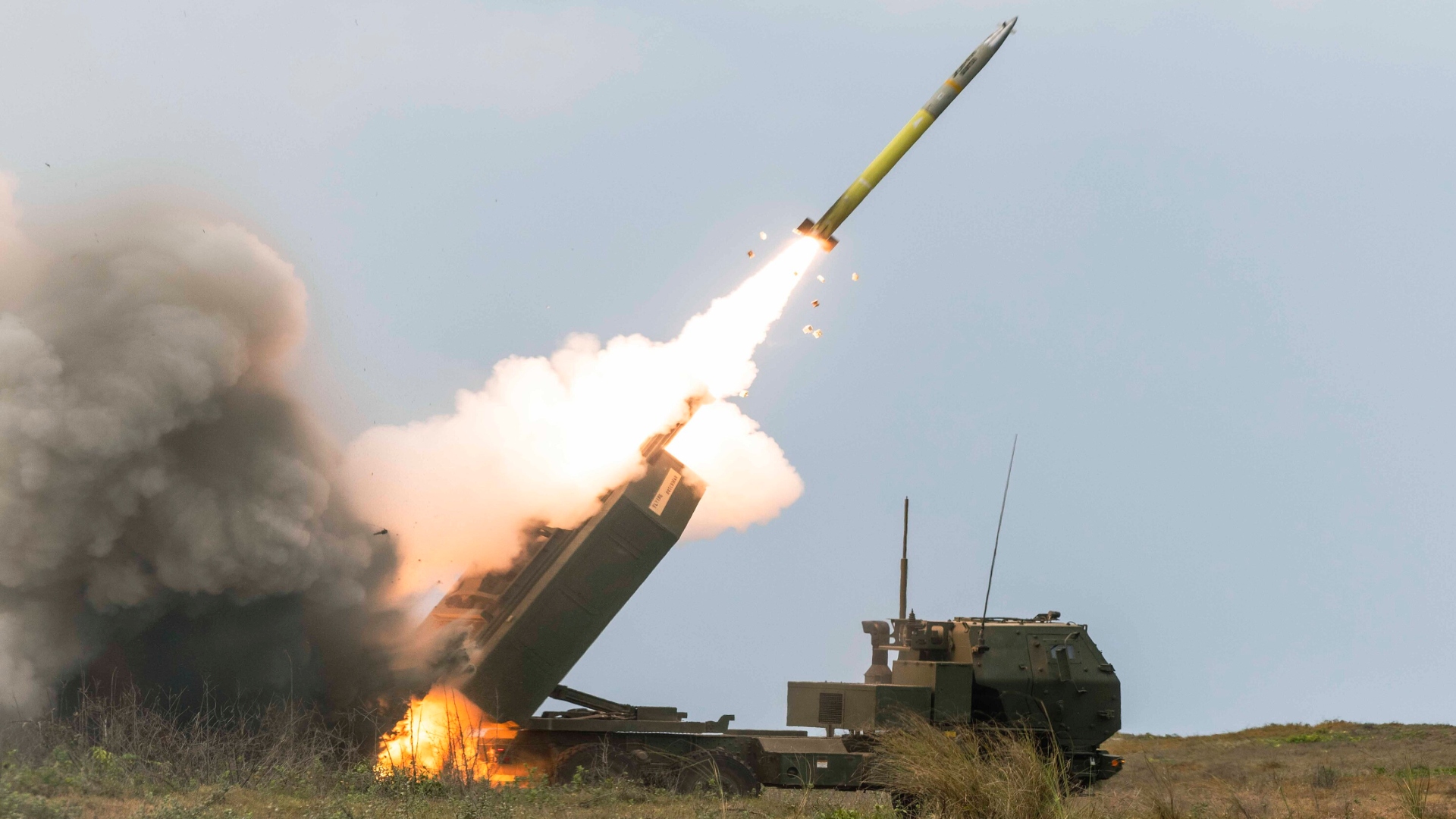
HIMARS Attack. Image Credit: Creative Commons.
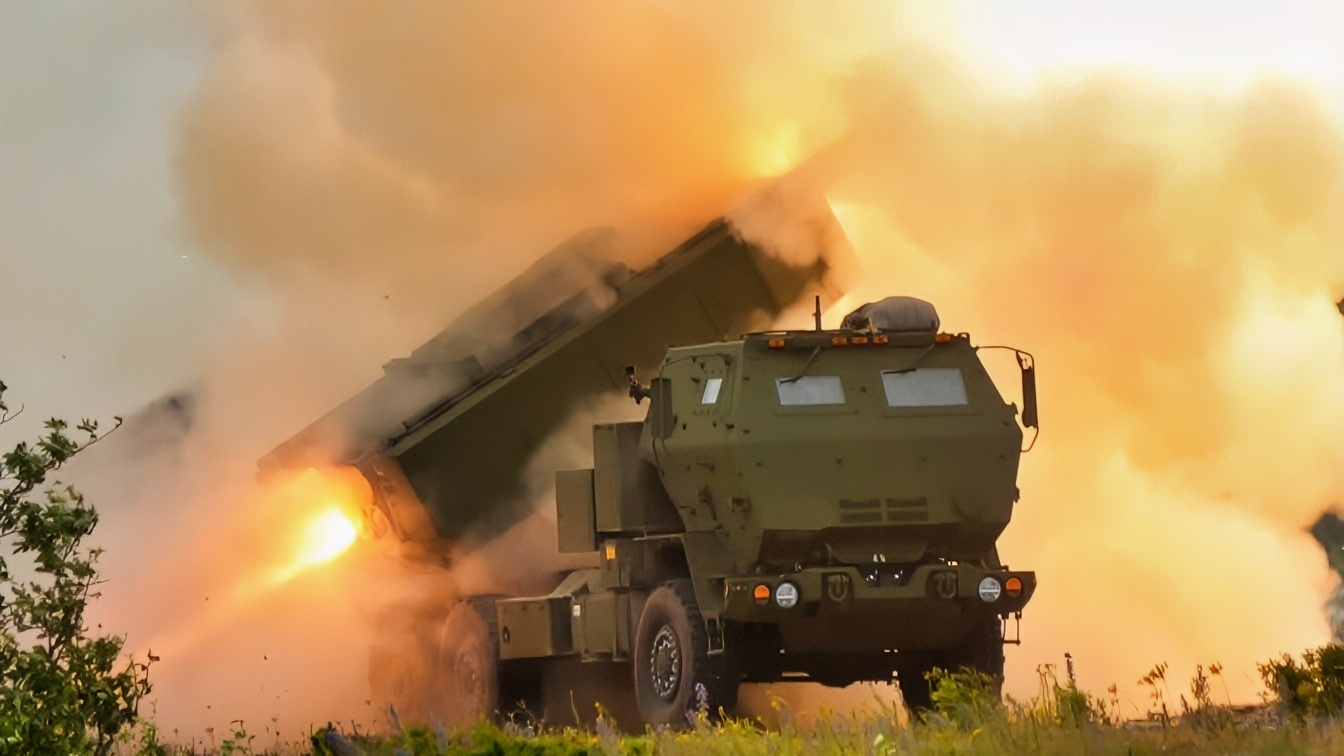
HIMARS Test US Military Creative Commons Photo
There is no evidence that Iran has yet been capable of deploying a missile built using the Russian technology, but Iran has already built and flight-tested the ramjet propulsion system.
While the program may have been set back by the destruction of some of the country’s military infrastructure, Tehran is clearly moving to threaten larger and more distant assets — and there’s no telling when or if it could impact the current war.
Iran’s Massive Missile Arsenal
Iran has no shortage of missiles, even after six months of war.
The country has the largest and most diverse missile arsenal in the Middle East, with the U.S. military putting its inventory at more than 3,000 ballistic missiles before the current war. That arsenal included short- and medium-range weapons capable of reaching U.S. bases throughout the region, as well as Israel. Iran also possesses a large inventory of attack drones and its own domestically produced cruise missiles.
The scale of that arsenal is part of the reason why it has been so capable of disrupting traffic through the Strait of Hormuz. Iran has launched ballistic missiles and drones against U.S. military installations across the Middle East, while forcing Washington to expend large numbers of Patriot and THAAD interceptors defending American forces and regional allies.
But what Iran has in sheer numbers, it lacks in range and overall capability. The most important gap in Iran’s arsenal, or at least one of them, is a reliable supersonic cruise missile powered by an air-breathing ramjet engine that allows it to maintain high speeds.
Unlike a rocket motor, which carries both fuel and oxidizer, a ramjet draws oxygen from the atmosphere while traveling at high speed. That allows a missile to sustain powered supersonic flight for much longer distances — something Iranian engineers have been trying to achieve for years. And now, Russia appears to be helping Tehran solve that problem.
What We Know
According to the Financial Times, the program and its scale were uncovered through leaked Russian correspondence and travel records, combined with an analysis of Russian military patents.
Reporters used the information to identify the companies and engineers involved with the program and trace repeated trips to Iran. The trips appeared to show that cooperation has continued even under the current conditions.
The program appears to be coordinated by Rosoboronexport, the Russian state-owned arms exporter, and NPO Mashinostroyenia, a major Russian missile developer with decades of experience building advanced cruise missiles. The United States sanctioned the firm in 2014 over its work on cruise missile systems and other Russian weapons programs.
According to the Financial Times, travel records show that some of NPO Mashinostroyenia’s most senior specialists repeatedly visited Iran before formally signing a contract with the Iranian Ministry of Defense and Armed Forces Logistics in November 2023.
Among them was Alexander Dergachev, then the company’s deputy head and chief designer for sea-launched missiles and cruise missile systems.
Alexander Chebakov, who headed its department responsible for air-breathing propulsion systems, traveled to Tehran three times in 2023. Russian patents identify Chebakov as an inventor of technologies specifically related to the control of supersonic ramjet engines and cruise-missile propulsion.
That cooperation then went further.
The Latest
By 2025, NPO Mashinostroyenia had obtained Iranian technical information from a flight test of Tehran’s ramjet system.
Leaked correspondence shows how Russian engineers analyzed the results and asked their Iranian counterparts detailed questions about combustion stability and changes to the fuel system.
They also wanted to know whether the ramjet continued operating for more than a minute during the test or simply stopped transmitting performance data to Iranian engineers.
The extent of the questioning, the report suggests, indicates that Russian specialists were actively supporting Iran in diagnosing problems with technology it had already built and tested.
By April of that year, Rosoboronexport proposed sending around two dozen Russian specialists to Iran for further consultations, and documents from June 2026 show that the program remained active after the current war began, with Russia preparing technical reports and both sides even discussing the next stage of development.
MORE – Putin Could Start a War with NATO
MORE – Trump Won’t Stop Thinking About Kharg Island
About the Author: Jack Buckby
Jack Buckby is a British researcher and analyst specializing in defense and national security, based in New York. His work focuses on military capability, procurement, and strategic competition, producing and editing analysis for policy and defense audiences. He brings extensive editorial experience, with a career output spanning over 1,000 articles at National Security Journal, and has previously authored books and papers on extremism and deradicalization.


