

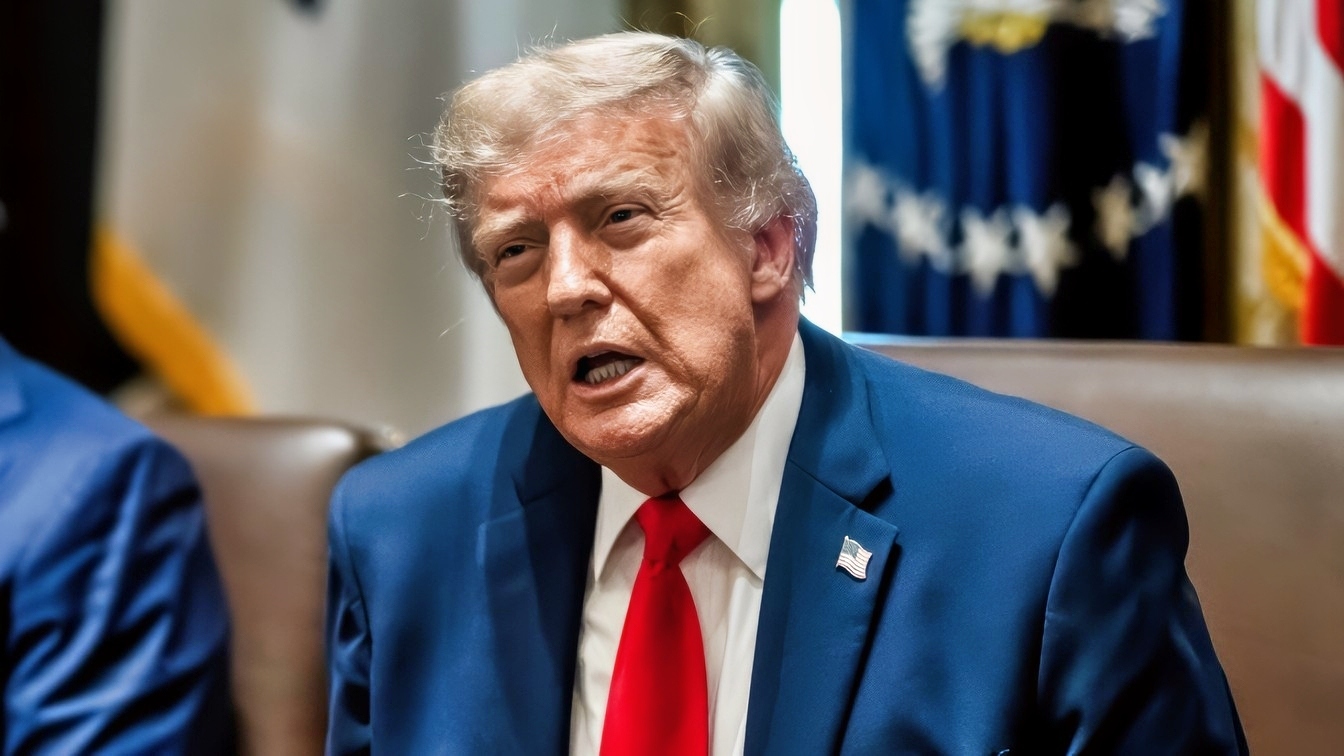
President Donald Trump shocked the world, and angered a large section of it as well, last week when he reached an agreement with Russian President Vladimir Putin, in which the U.S. will import millions of tons of diesel from Russia.
The agreement cuts against the sanctions regime that’s been in force against Russia since the start of the war in Ukraine more than four years ago, as well as the new sanctions law passed by Congress and signed into law by Trump less than a month ago.
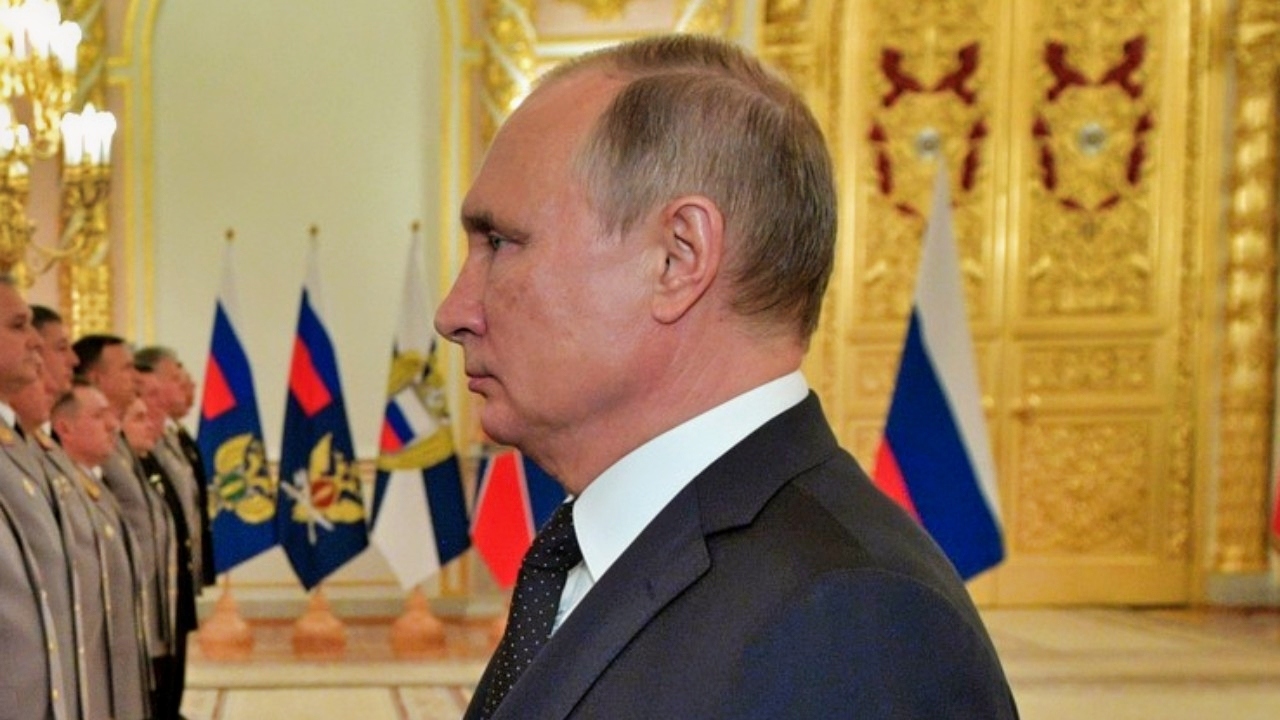
Putin with Military in 2018 Creative Commons Image
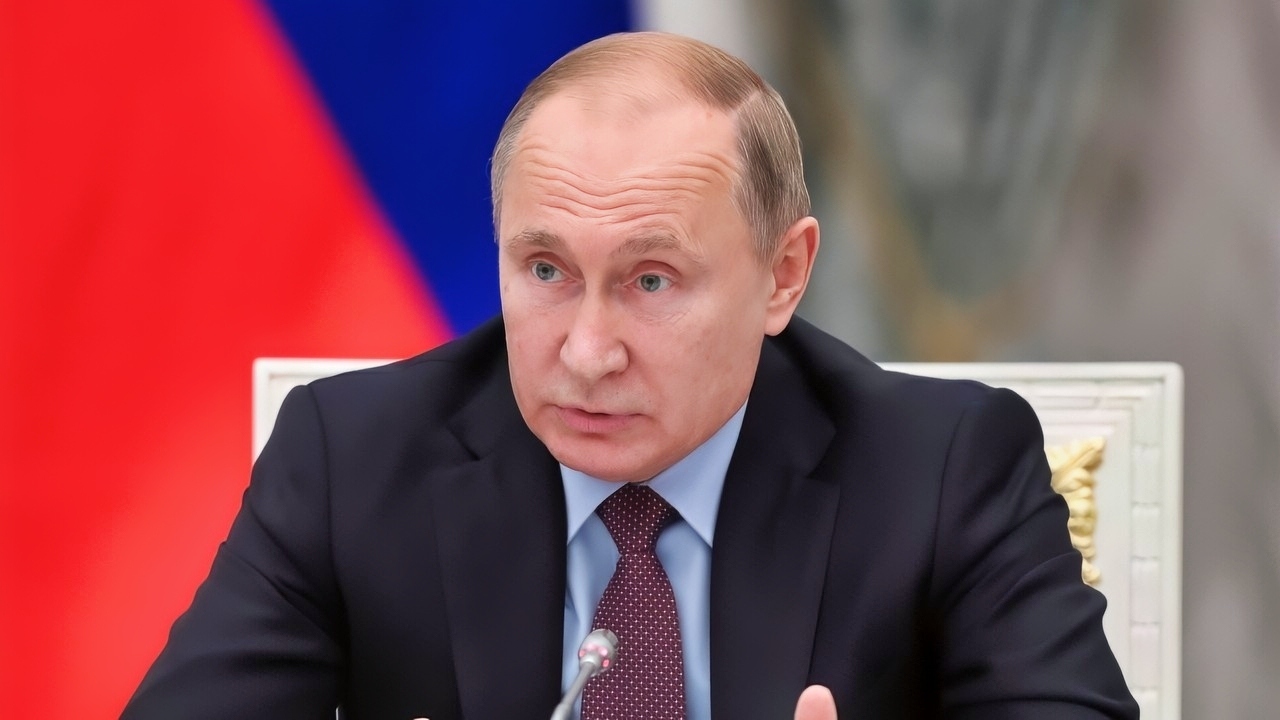
Putin Meeting with Duma 2018 Creative Commons Photo
A small group of Republican senators spoke out against the diesel deal last week, and on Tuesday, more of them joined the outcry. According to The Hill, Sen. Mitch McConnell (R-KY) and Sen. John Cornyn (R-TX) signed a bipartisan letter denouncing the deal as a “gift to our adversary and a betrayal of our allies.” The letter also noted that Trump signed the Lindsey O. Graham Sanctioning Russia and Iran Act in September, a sanctions measure Graham spent the final weeks of his life pushing for.
Six Democrats joined the Republicans in signing the letter, which also expressed doubts that the deal will meet its stated goal of bringing down near-record-high diesel prices and warned that strengthening Russia could put U.S. service members in harm’s way in Iran, which is militarily allied with Russia.
Despite the growing opposition, one potential argument for the oil deal is that it could lead to a broader peace deal to end the war between Russia and Ukraine.
A Path to Peace?
Trump has tried, with little success, to bring Russia and Ukraine back to the table, especially after he spent the 2024 campaign promising to deliver a peace deal immediately upon returning to the White House.
On Monday, Washington Post columnist David Ignatius wrote that the new oil deal could eventually end the war, though it is a previously unreported diplomatic effort.
Noting that Trump has both threatened to cut off intelligence support to Ukraine and called for President Volodymyr Zelensky to be replaced, Ignatius also noted that while Trump, in early 2025, was calling the Ukrainian leader weak and telling him he had no cards to play, he has now gone on to denounce Ukraine’s “devastating attacks on Russian refineries,” which the U.S. president has blamed for the high price of energy.
Ignatius also appeared to break news that may be even more important than the oil agreement: The United States and its European allies are “moving slowly toward a joint peace proposal” to end the conflict. He also revealed some of the back-and-forth between the U.S. and Ukraine before the U.S.-Russia agreement was announced.
Diesel Deal: What’s in the Offer?
According to the Post columnist, such a peace deal would include “financial and security benefits” for both Russia and Ukraine, as well as a “baseline for a territorial settlement” that would not reflect either side’s war aims.
The offer, Ignatius writes, comes from a meeting convened last week in Florida by Trump envoys Jared Kushner and Steve Witkoff, who hosted representatives of Ukraine, Britain, France and Germany.
The first step would be for the two sides to agree to stop attacking each other’s refineries. However, as noted by the columnist, such an “energy ceasefire” would do more to help Russia than Ukraine, since Ukraine’s largest refinery has already been attacked.
The columnist revealed that the American envoys had told Ukraine’s representatives that Trump would go ahead with the Russia oil deal if Ukraine didn’t agree to stop striking Russian refineries.
The peace initiative aims big: convince Putin not only to end the war, but to agree to a broader “economic and security deal with Europe.” The plan would also include Ukraine’s reconstruction, with the World Bank and BlackRock playing a role.
Under the framework, Ukraine would not join NATO but would receive Article 5-style guarantees to deter future attacks.
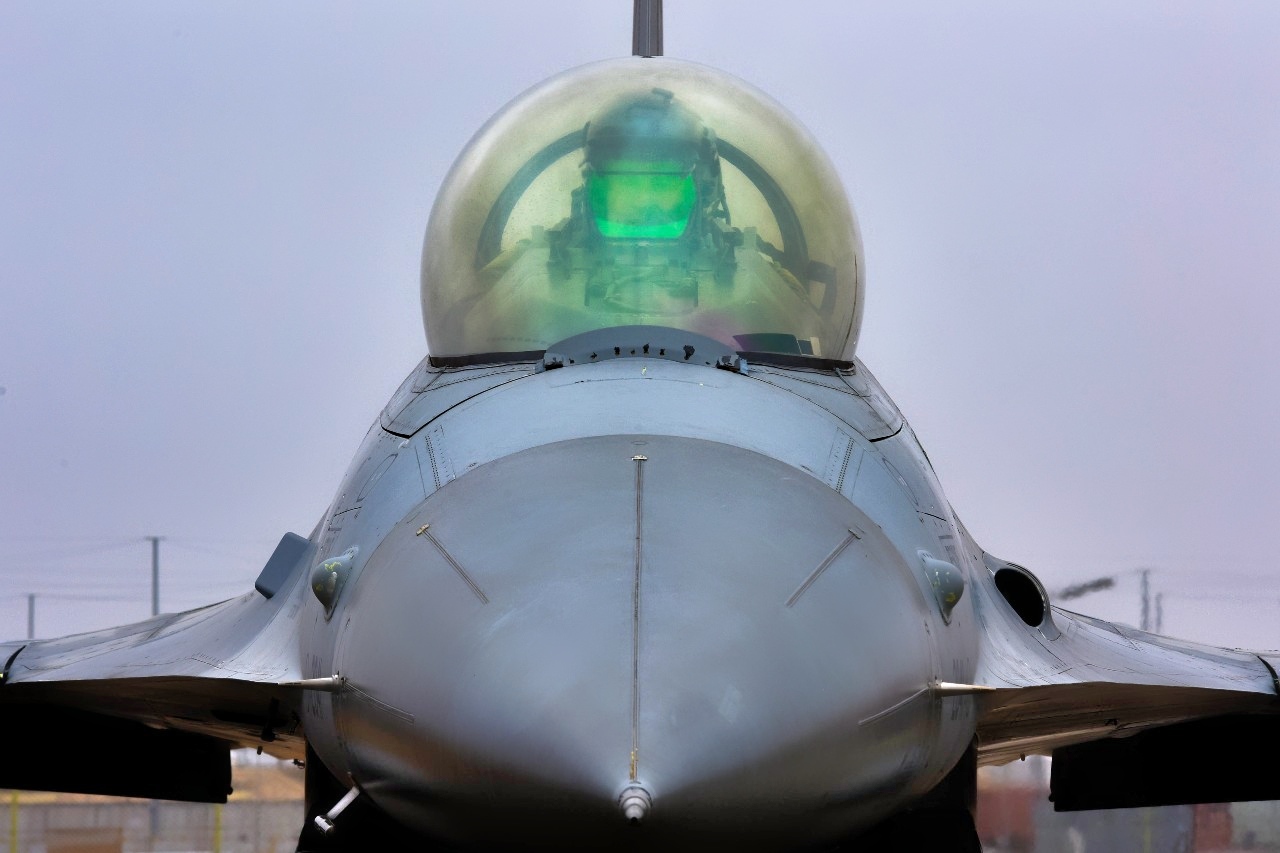
U.S. Air Force Lt. Col. John Ryan, 555th Fighter Squadron F-16 Fighting Falcon pilot, prepares to take off for a routine training flight at Aviano Air Base, Feb. 17, 2022. The flights will support NATO’s enhanced air policing mission; integrate with allies and partners in the Black Sea region in an increased defensive posture along NATO’s border and to reinforce regional security. (U.S. Air Force photo by Senior Airman Brooke Moeder)
The framework would also contain energy deals between Russia and Europe, including a potential pipeline to bring Russian oil and gas to Europe. It would also include a path to removing sanctions.
As for control of the land, Ignatius acknowledges it would be the most contentious part. The process calls for a ceasefire along the current front lines.
Whether this process leads to any final deal is anyone’s guess, although one European diplomat told the columnist that “Putin doesn’t look like he’s serious about peace.”
About the Author: Stephen Silver
Stephen Silver is an award-winning journalist, essayist, and film critic, and contributor to the Philadelphia Inquirer, the Jewish Telegraphic Agency, Broad Street Review, and Splice Today. The co-founder of the Philadelphia Film Critics Circle, Stephen lives in suburban Philadelphia with his wife and two sons. For over a decade, Stephen has written thousands of articles on politics, national security, technology, and the economy. Follow him on X (formerly Twitter) at @StephenSilver, and subscribe to his Substack newsletter.


