
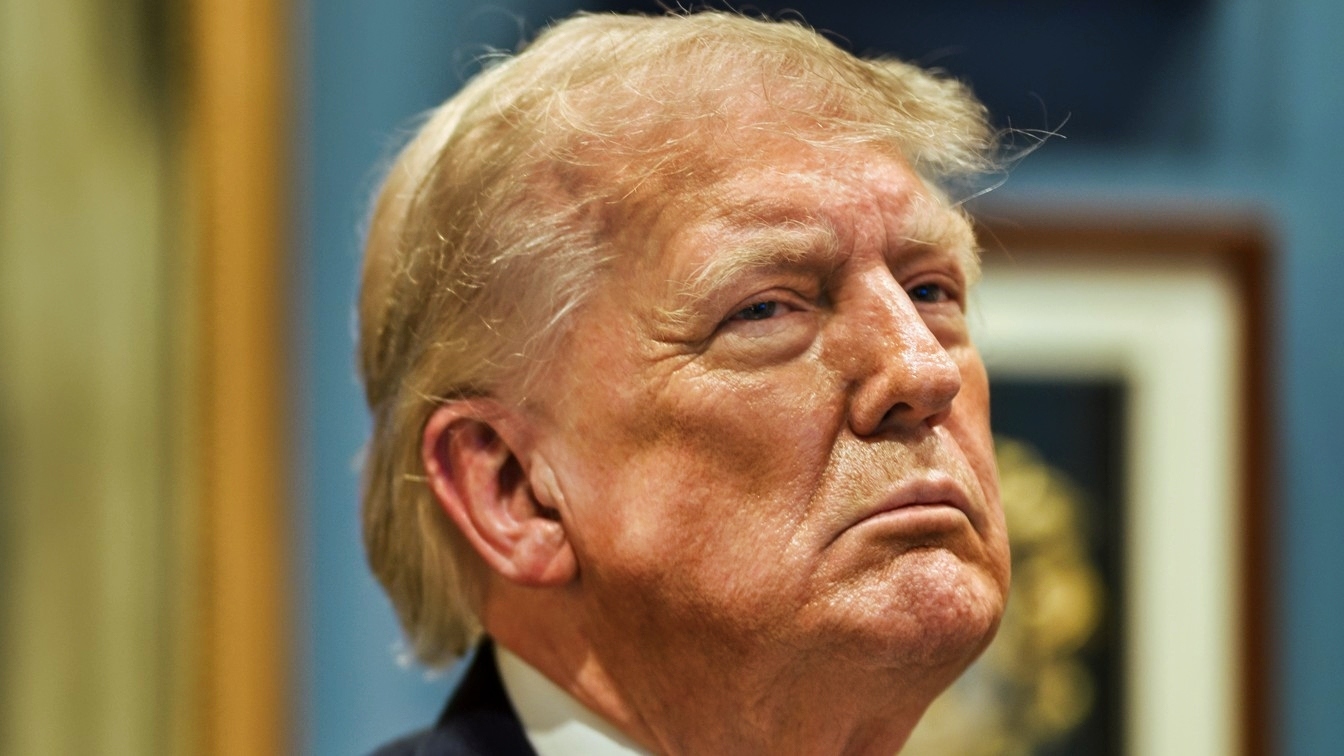
U.S. President Donald Trump poured cold water on reports that Washington was preparing new strikes against Iran before the November midterms, announcing that the U.S. would not launch new strikes in the short term.
In a Truth Social statement, the president hinted at a possible diplomatic breakthrough with Iran, citing productive discussions with officials in Tehran.
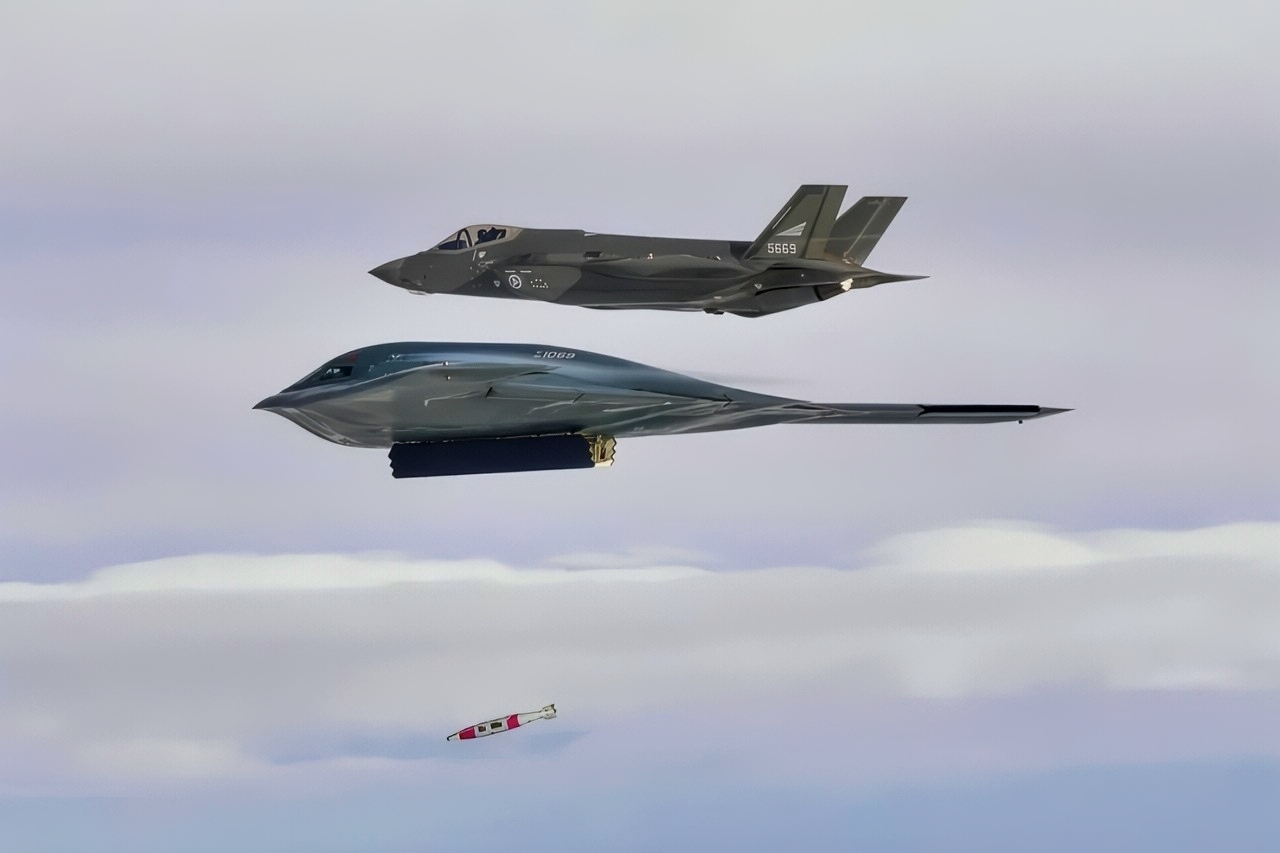
B-2 Bomber Dropping Bomb. Image Credit: DOD.
The war, however, is far from over.
Trump Rules Out Pre-Election Strikes
In a Truth Social statement, the president confirmed that diplomatic discussions were ongoing and ruled out further American attacks, at least until after Americans vote on November 3.
The president also confirmed that the blockade on Iranian ports remains in effect and pointed to recent data showing that oil flows through the Strait of Hormuz appear to have stabilized around pre-war levels — despite ongoing Iranian attacks on ships passing through the waterway.
“We are having productive discussions with the Islamic Republic of Iran.
I want to make it clear to everybody that, while Iran is in very bad condition, both economically and militarily, and while the Blockade will remain in full force and effect, with Oil flowing in Record Numbers of Barrels through the Hormuz Strait (22 Million Barrels, last night alone, with not one barrel coming from, or going to, Iran!), we will not be attacking Iran at any time before the Midterm Elections to be held in the United States on November 3rd,” the president wrote.

The B-2 Spirit flies over the Rose Parade at Pasadena Ca., Jan. 1, 2024. The Rose Parade is a parade of flower covered floats, marching band, and equestrian units that is produced by the Tournament of Roses. (U.S. Air Force photo by Airman 1st Class Bryce Moore)
“IRAN WILL NOT HAVE A NUCLEAR WEAPON!,” the post continued.
The announcement comes as the White House searches for ways to lower energy prices ahead of the midterms, even as it struggles to force concessions from Tehran.
The price of fuel and rising inflation are driving forces behind the Republicans’ ongoing poor showings in polls ahead of the midterm elections, with formerly safe Red states now competitive.
Pentagon Was Preparing New Offensive
The announcement comes less than a day after Axios reported that the Pentagon had instructed U.S. Central Command (CENTCOM) to complete preparations for new major combat operations against Iran.
Citing American and Israeli officials in the report, the options under consideration included large-scale attacks on Iranian nuclear facilities, energy infrastructure, and other military targets.
U.S. and Israeli forces were expected to coordinate the new offensive, launching strikes together, although no final authorization had been issued.
The discussions followed an October 2 meeting of President Trump’s national security team at Camp David, Maryland, and recent talks between President Trump and Israeli Prime Minister Benjamin Netanyahu.
Speaking to Axios, a Pentagon official said the military’s responsibility is to prepare options for the president and be ready to act if needed.
An Israeli source also said that the likelihood of new strikes would increase significantly after American voters go to the polls on November 3.
Analysts widely saw the move as a possible opportunity for the president to show confidence in the U.S. military’s ability to force Iran to make concessions and potentially reassure markets.
Still, it also carried the risk that Iran would respond by targeting regional oil infrastructure and worsening the global oil crisis.
Iran Promises Response Within Days
Some indications suggest the diplomatic situation may be improving, although little is clear at this stage.
On Thursday, Iranian Foreign Minister Abbas Araghchi confirmed that Tehran was reviewing Washington’s response to a proposal Tehran put forward to open the Strait of Hormuz, following a week-long process that would see the United States lift the blockade and release frozen overseas assets.
Vance Signals Possible Compromise
Another indication that a diplomatic solution may be possible came from Vice President JD Vance, who said earlier this week that Washington may be willing to accept something less than the total elimination of Iranian uranium enrichment.
During an October 6 interview with Reuters, following a campaign trip to Alaska, Vice President Vance said Iran must at least meaningfully reduce its enrichment activity.
During the interview, Vance explained how Iran, while claiming not to be building a nuclear weapon, has enriched uranium to 60%, which far exceeds the 3-5% necessary for most energy purposes.
“If you don’t want a nuclear weapon, then why do you need 60% enriched fuel? And if you want to show commitment to not building a nuclear weapon, don’t build highly enriched fuel. That’s a very basic threshold issue,” Vance said.
On a potential deal, he signaled that Tehran needs to do more than say it isn’t building a weapon; it needs to take steps to show it won’t.
“I think if they want to show a commitment to not building a nuclear weapon, they would do something meaningful on their enrichment capacity,” he suggested.
About the Author: Jack Buckby
Jack Buckby is a British researcher and analyst specializing in defense and national security, based in New York. His work focuses on military capability, procurement, and strategic competition, and he produces and edits analysis for policy and defense audiences. He brings extensive editorial experience, with a career output spanning over 1,000 articles at National Security Journal, and has previously authored books and papers on extremism and deradicalization.


