

With a deal allegedly finalized between the United States and Iran, and a signing ceremony expected in Switzerland on Friday, U.S. President Donald Trump is signaling to the world that the Strait of Hormuz is open and the oil crisis is over.
But while Washington insists a diplomatic breakthrough has been made, the chances of the global economy returning to normal in the near future are slim to none.
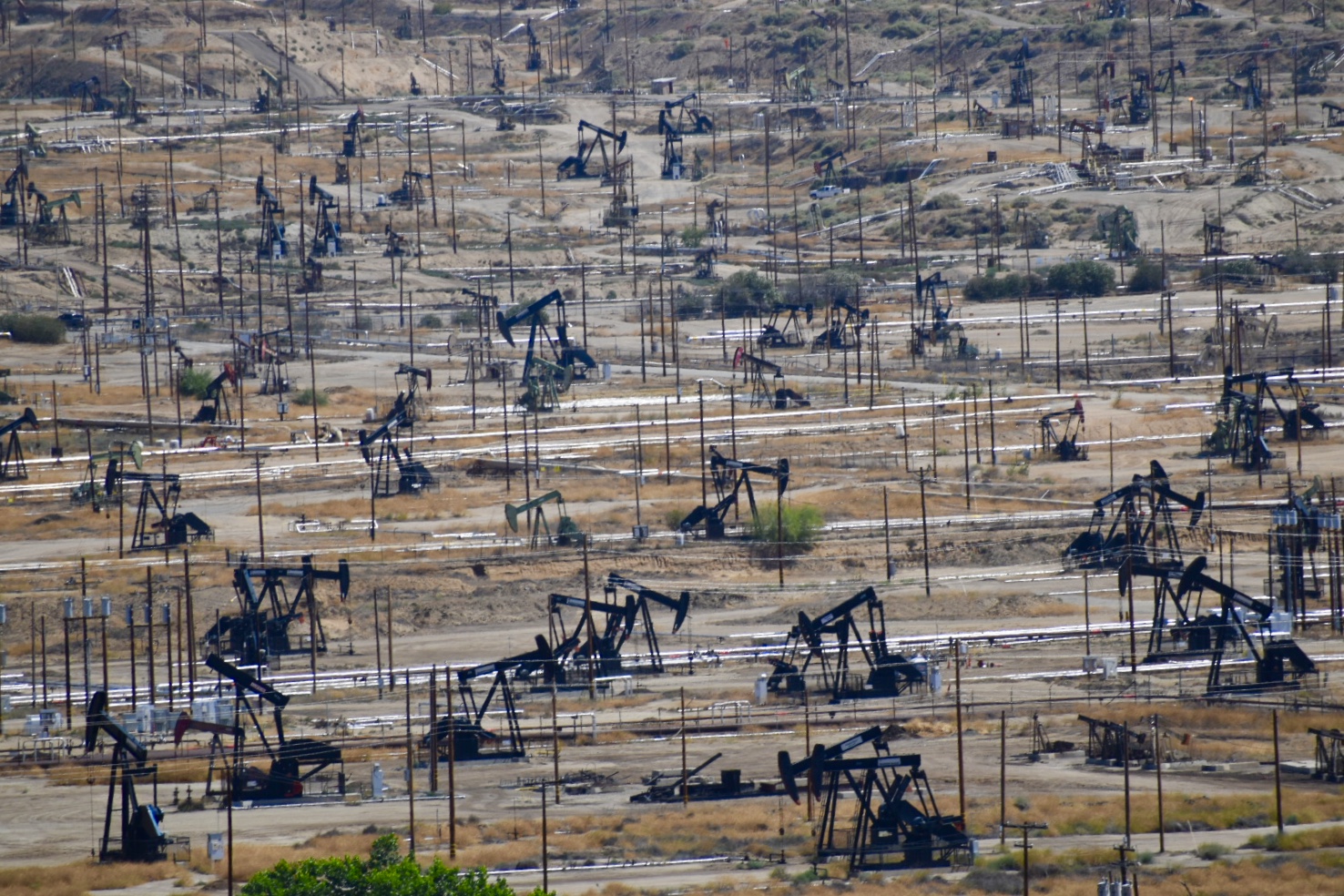
Oil fields. Image Credit: Creative Commons.
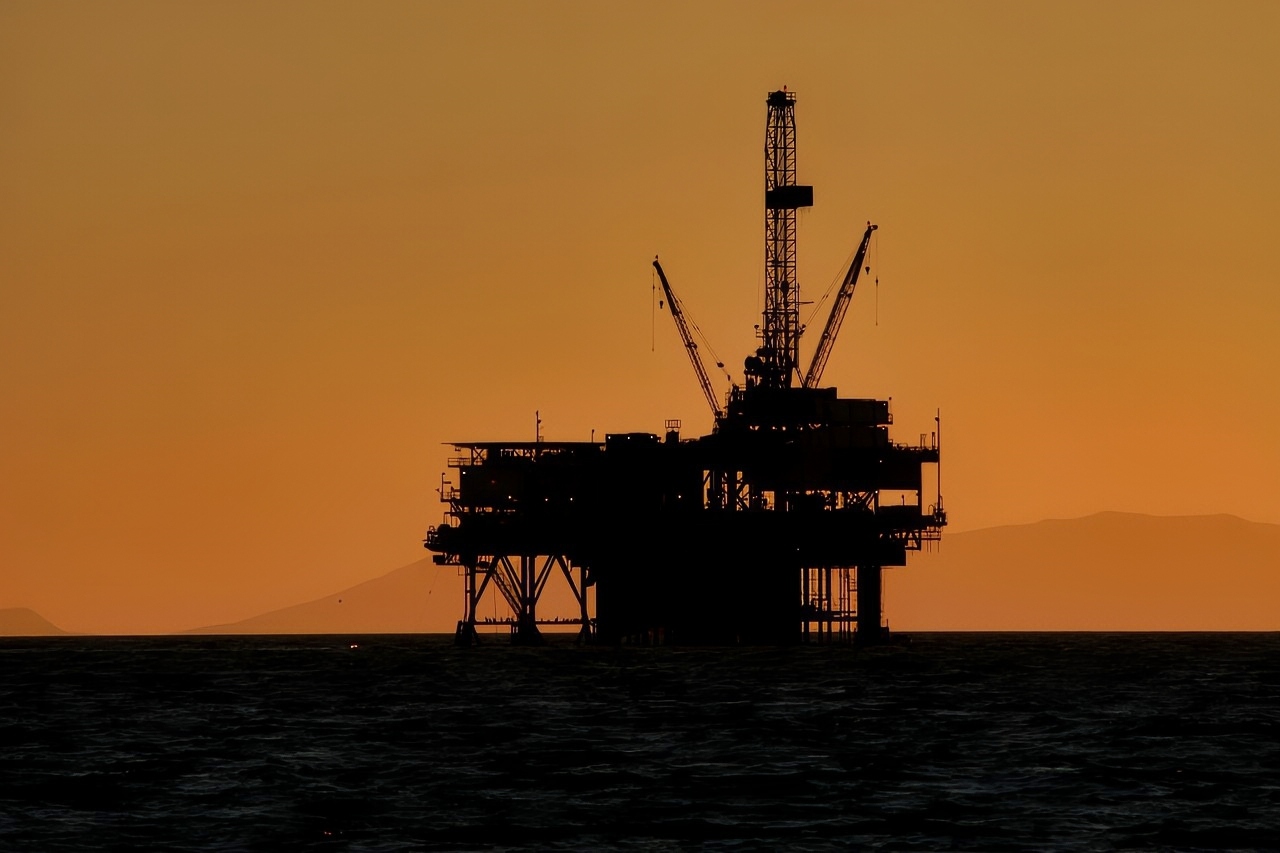
Oil Platform. Image Credit: Creative Commons.
The global energy market will not simply correct itself overnight, and there could be weeks and months of pain ahead, even if the signing does indeed occur and a nuclear agreement is made in the 60 days that follow.
Over the past several months, oil fields have been shut down due to supply chain problems, and export terminals have been damaged by strikes, so while tanker traffic may resume relatively quickly, returning energy production to pre-war levels could take months.
Restarting Oil Fields Takes Time
Even facilities that have escaped direct strikes during the last several months of conflict face a slow path back to normal operations.
The International Energy Agency (IEA) said as far back as March that “shut-in upstream production will take weeks and, in some cases, months to return to pre-crisis levels depending on the degree of field complexity and the timing for workers, equipment, and resources to return to the region.”
The agency also estimated that Gulf producers had collectively removed at least 10 million barrels per day of production from the market during the conflict, and that production cannot simply resume immediately.
To restart production safely, engineers must inspect walls, restore pressure management systems, ensure pipeline integrity, and confirm that all other infrastructure is functioning safely.

Generic Oil Tanker Image. Image Credit: Creative Commons.
In many cases, even if this were possible quickly, the specialist workers who would normally fill these roles may have fled conflict zones and would need to return before operations can begin.
Qatar’s LNG Damage Could Last for Years
And then there’s the matter of the damage that has been done. A good example of the problem is Qatar. In March, QatarEnergy chief Saad al-Kaabi said that Iranian strikes had taken out around 17% of the country’s liquefied natural gas export capacity.
The firm’s CEO said that the damage had caused a $20 billion loss in annual revenue and would pose a threat to supplies in Europe and Asia – a problem that has since unfolded.
The news followed reports of damage to 14 LNG trains and two gas-to-liquids facilities. The damage is expected to take three to five years to fully repair.
Natural gas prices are therefore likely to remain elevated for some time, even as traffic returns to normal through the Strait of Hormuz.
The Strait Was Only Part of the Problem
The closure of the Strait of Hormuz made headlines because of the sheer volume of oil and LNG that passed through it, with one-fifth of globally traded oil moving through the waterway before the war began.
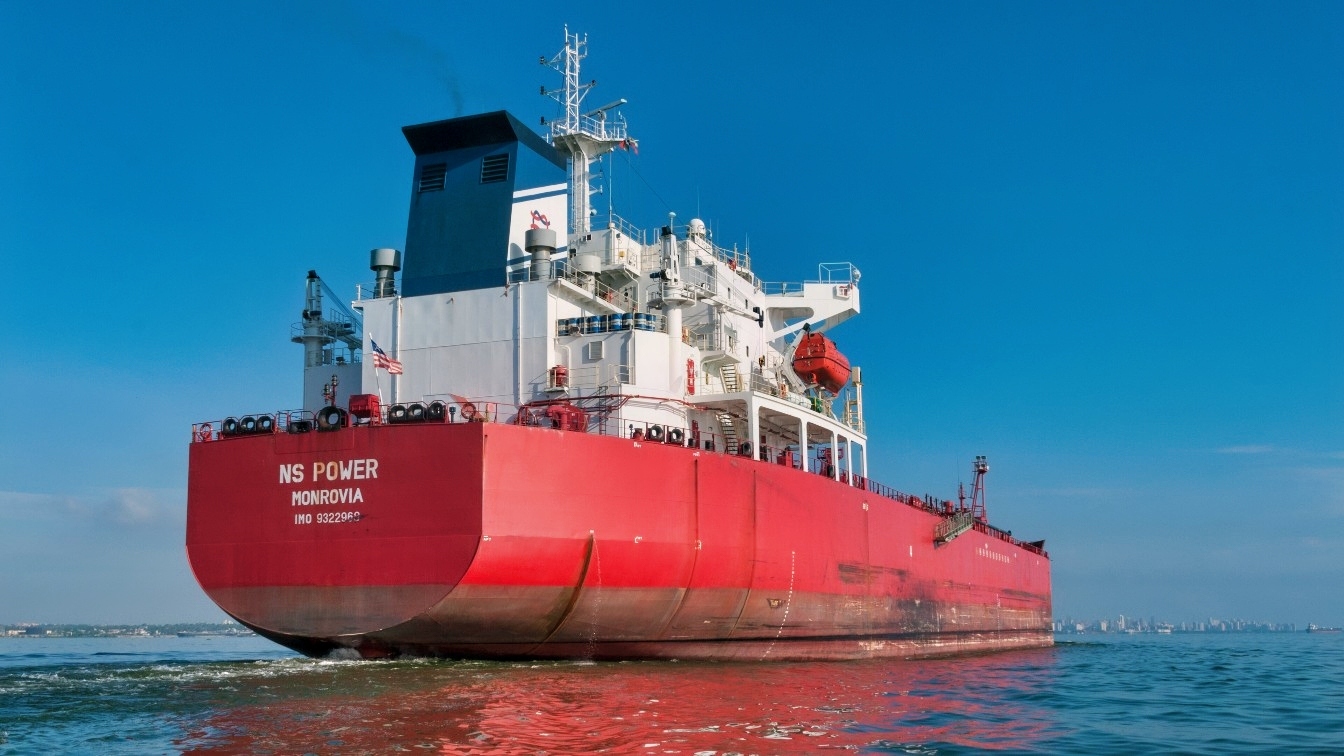
Oil Tanker. Image Credit: Creative Commons.
Those numbers are likely to rise again, but the volume of oil passing through alternative pipelines in the Gulf is also likely to increase as a precaution.
But infrastructure damaged, as noted, always posed as much of a threat to the global economy as the closure of the Strait did.
The IEA noted earlier in the year that the conflict had created the largest oil supply disruption in modern history, and by April, industry analysts warned that more than 80 energy facilities across the region had been damaged by strikes.
Oil Prices Drop, But What Next?
Oil prices dropped early on Monday after the deal was announced, with Brent crude down by $3.45 to $83.89 per barrel.
However, that’s still substantially higher than the roughly $70 per barrel from before the war.
Speaking to the Associated Press, S&P Global Energy’s Daniel Evans described how traffic won’t return to normal until insurers are confident that passage is safe.
“It’s going to take time for people to feel comfortable and for insurance to be in place…particularly to get people on the ground to restart some of these assets,” Evans said.
He also described how, as prices begin to fall, many of the ships that have been left stranded in the Gulf will need to start exiting the strait.
New tankers will need to come in to be loaded – and before that can happen, all parties involved need to be convinced that the deal is in place and no further strikes will occur.
“To bring a ship in, you need to be confident that you’ve got a big enough window of safety to bring it in, load it, and move it out,” he said.
Signing a deal on Friday is a good next step, but assuming everything goes to plan, the world economy and energy market will likely never be the same.
About the Author: Jack Buckby
Jack Buckby is a British researcher and analyst specializing in defense and national security, based in New York. His work focuses on military capability, procurement, and strategic competition, producing and editing analysis for policy and defense audiences. He brings extensive editorial experience, with a career output spanning over 1,000 articles at 19FortyFive and National Security Journal, and has previously authored books and papers on extremism and deradicalization.


