

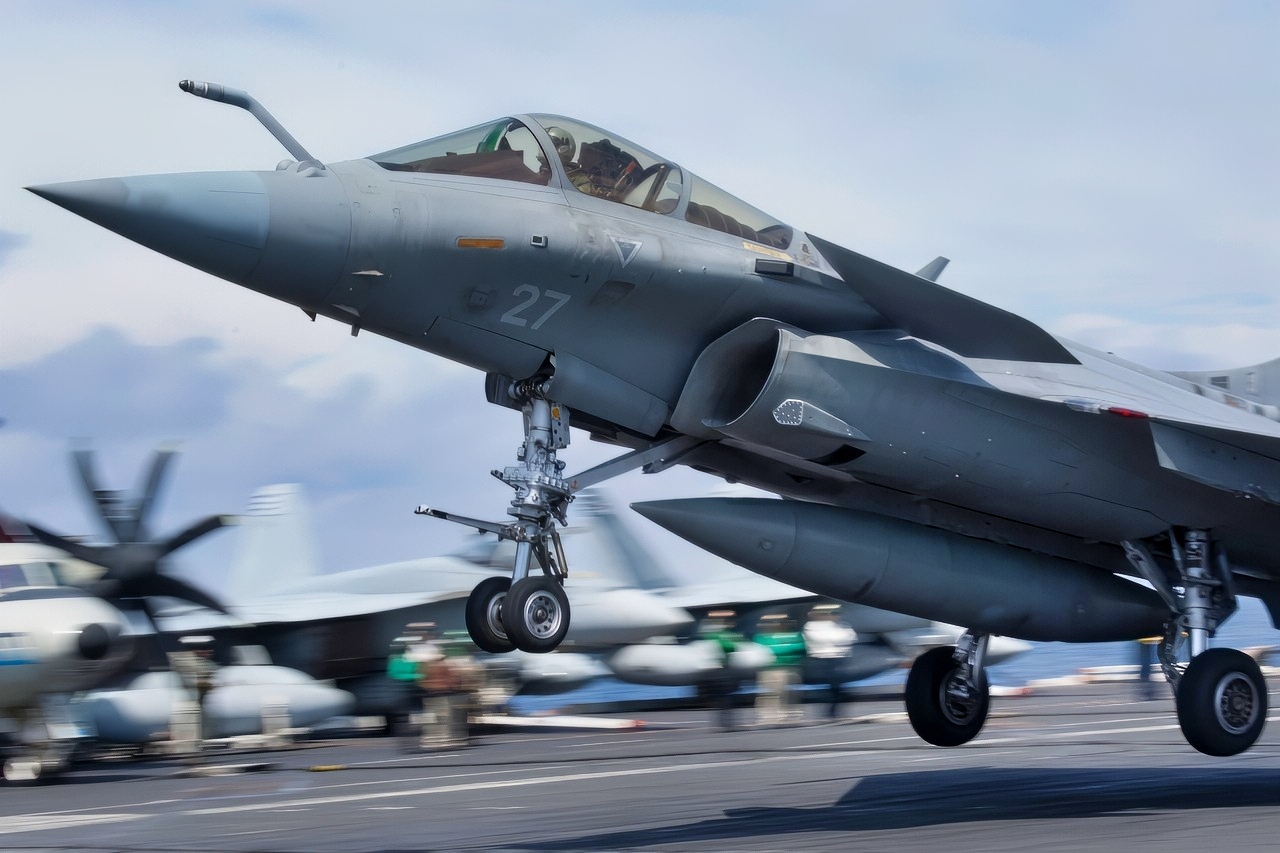
Key Points and Summary – France’s carrier-capable Dassault Rafale M is the only non-U.S. fighter jet certified to operate from American aircraft carriers, a unique interoperability proven since 2007.
-This capability holds particular strategic significance in the vast Indo-Pacific region, where both France (with its extensive Pacific territories) and the U.S. have major interests.
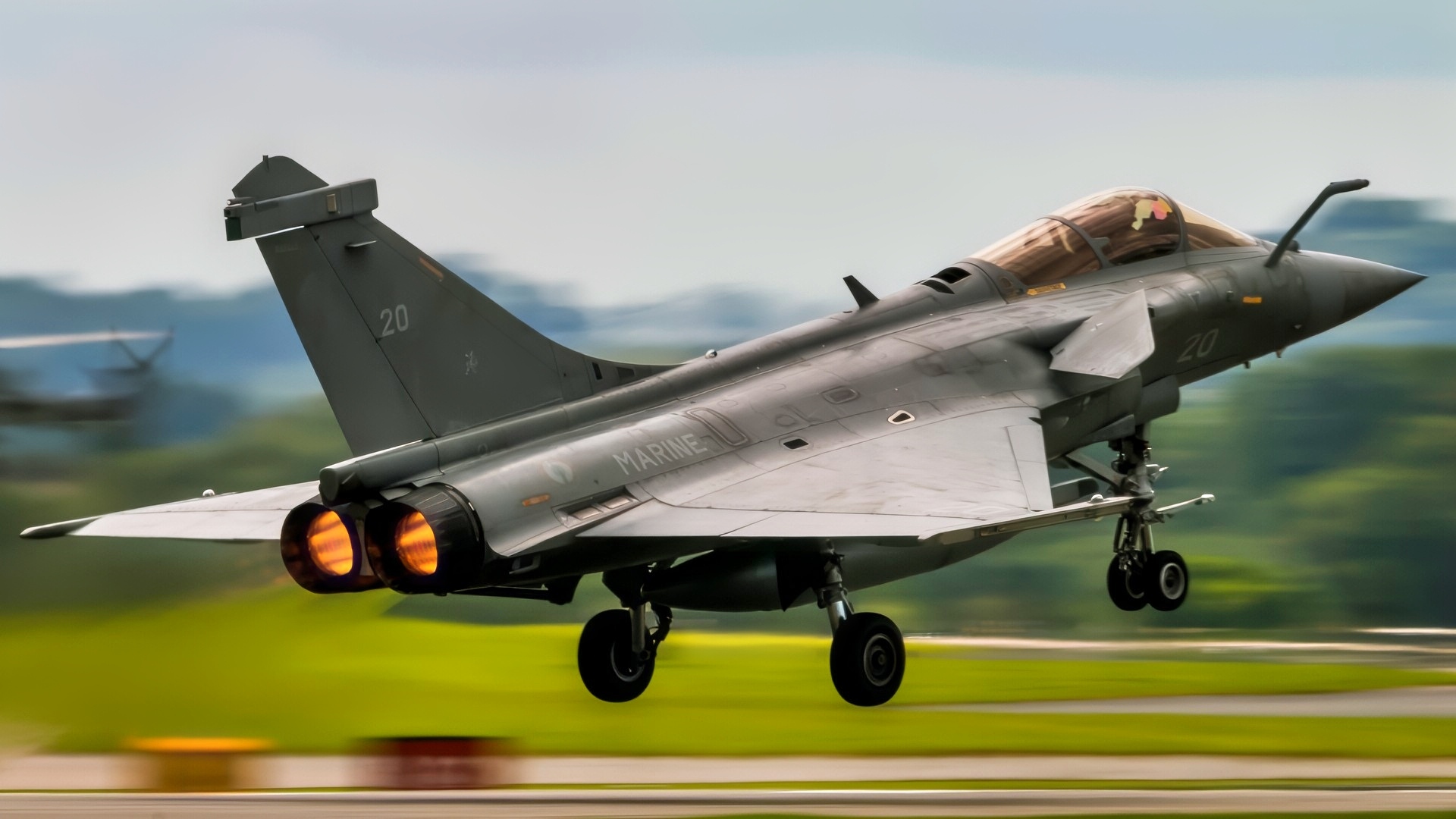
Dassault Rafale. Image Credit: Creative Commons.
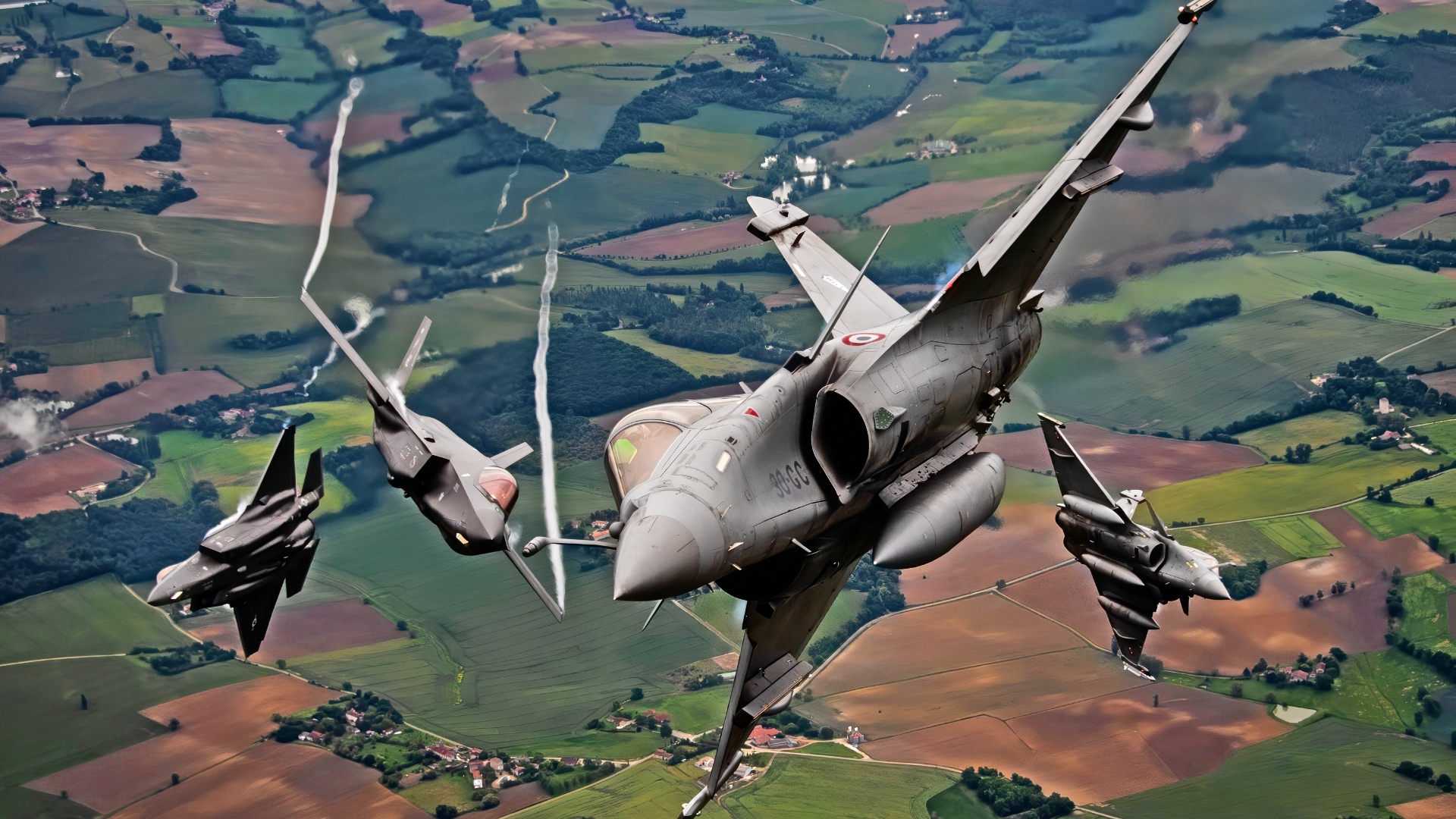
Two U.S. Air Force F-35A Lightning IIs assigned to the 4th Fighter Squadron, Hill Air Force Base, Utah, and two Dassault Rafales assigned to the 1/4 Gascogne Fighter Squadron, 113 Saint-Dizier-Robinson air base, France, break formation during flight May 18, 2021 over France. The flight was apart of the Atlantic Trident 21 exercise which is a joint, multinational exercise involving service members from the U.S., France and the U.K., and is aimed at enhancing fourth and fifth generation integration, combat readiness and fighting capabilities, through conducting complex air operations in a contested multinational joint force environment. (U.S. Air Force photo by Staff Sgt. Alexander Cook)
-The ability for French Rafales to fly from U.S. carriers serves as a powerful force multiplier, enhancing allied power projection and flexibility across this critical theater.
-France’s own carrier recently completed its first Pacific deployment, further underscoring the growing importance of this partnership.
France’s Dassault Rafale Fighter Can Fly from Navy Aircraft Carriers
The Rafale M, a fighter jet built by France’s Dassault, an aerospace firm, is the version of the Rafale explicitly designed for aircraft carrier operations—known as ‘navalized.’ This variant is modified to withstand the demands of taking off from and landing on carriers. These modifications enable it to operate for the French Navy (Marine Nationale) as part of their carrier air wing.
The Rafale M’s modifications include a reinforced airframe and robust landing gear to absorb the higher stresses of catapult launches and arrested landings. An arrestor hook system is under the jet’s fuselage, and the jet’s landing approach software is carrier-specific.
Corrosion protection is also a critical feature of the Dassault Rafale M, which resists the highly corrosive nature of operations at sea.
In sum, the jet’s modifications add around 1,400 pounds to the airframe. Despite the jet’s extensive modification and extra weight, the Rafale M’s flight performance is nearly identical to the Rafale C, its land-based counterpart.
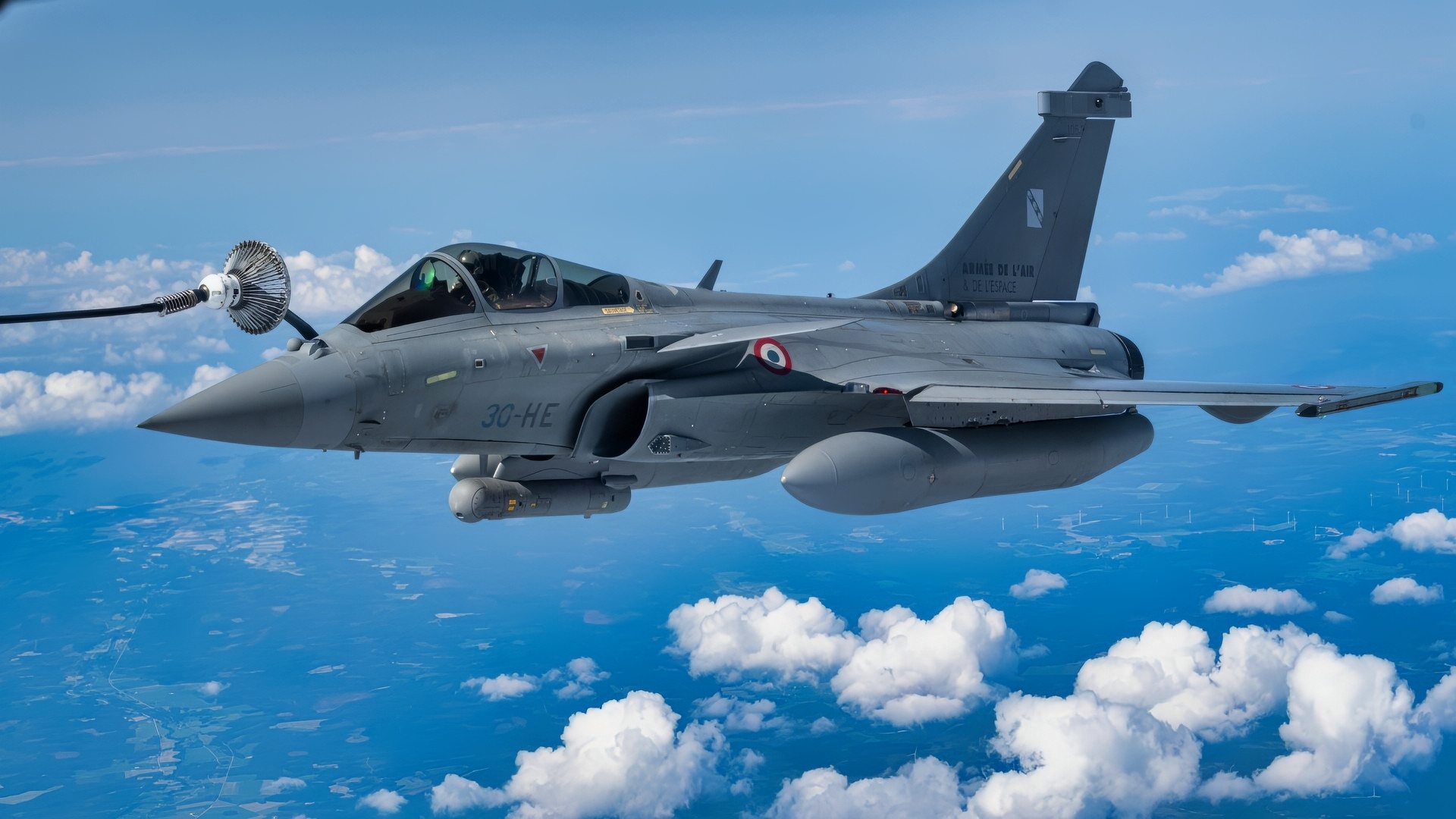
A French Air and Space Force Rafale C from Mont-de-Marsan, Fighter Regiment 2/30, Normandie-Niémen, receives fuel from a U.S. Air Force KC-135 Stratotanker from the 100th Air Refueling Wing, RAF Mildenhall, England, during exercise Atlantic Trident 25 over Finland, June 26, 2025. Atlantic Trident 25 is a recurring multinational training exercise between the U.S., U.K. and France to train in an interoperable environment, refining operational integration and ensuring Allied forces can seamlessly secure the Euro-Atlantic region. Finland hosted this iteration of the training series for the first time. (U.S. Air Force photo by Senior Airman Christopher Campbell)
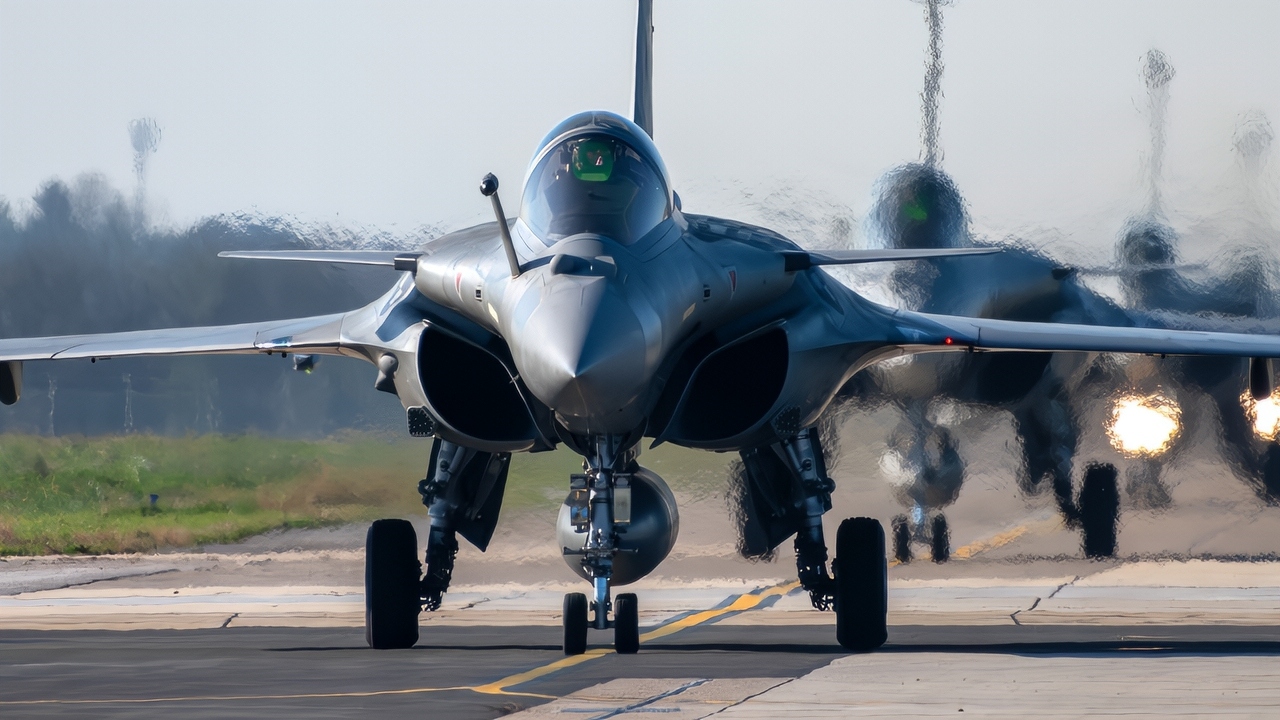
Dassault Rafale Ready for Action. Image Credit: Creative Commons.
Joint Operations and Foreign Compatibility
The jet, adapted for CATOBAR operations— an abbreviation for Catapult Assisted Take-Off But Arrested Recovery, referring to how carrier aircraft are launched by catapult and recovered by catching an arresting wire—is also qualified for operations on United States Navy aircraft carriers, which use the same method.
In fact, the Rafale M is the only non-American fighter aircraft cleared for operations on American aircraft carriers.
The Rafale’s qualification, or interoperability with American carriers, involves several aspects. Firstly, the French jet can use the American carrier’s catapult launch system. For the US Navy’s Nimitz-class carriers, the French jet is compatible with the carrier’s steam-powered catapult.
At the same time, on the newer Gerald R. Ford-class, the launch system is electromagnetic. Likewise, the jets land using the carrier’s arrestor wires and hook system, which helps stop the jet upon landing.
The Rafale’s qualification on American aircraft carriers began in 2007 and 2008, when jets with the French Marine Nationale performed touch-and-go, catapult launches, and arrested landings on US Navy carriers. In 2010, a Rafale M became the first non-American aircraft to have its engine replaced while embarked on the USS Harry S. Truman as part of the jet’s qualification exercises.
As an Atlantic power, it could be assumed that the Rafale M’s interoperability with the United States Navy is most relevant to the European continent.
But the Rafale M’s ability to operate with the United States is perhaps most relevant not to the Atlantic theater, but to the Pacific Ocean and the Pentagon’s Indo-Pacific Command.
The Indo-Pacific
The advantages provided by France’s Rafale M and American carriers facilitate a higher degree of interoperability between French jets and American carrier strike groups.
This is a clear benefit to the NATO alliance and an important aspect considering the strategic interests of both France and the United States in the Indo-Pacific region.
The United States’ Indo-Pacific Command is one of six combat commands and one of the largest, covering about half of the globe’s surface. It is one of the most important as well.
“The 38 nations comprising the Asia-Pacific region encompasses 52% of the earth’s surface, home to more than 50% of the world’s population, 3,000 different languages, several of the world’s largest militaries, and five nations allied with the U.S. through mutual defense treaties,” Indo-Pacific Command explains.
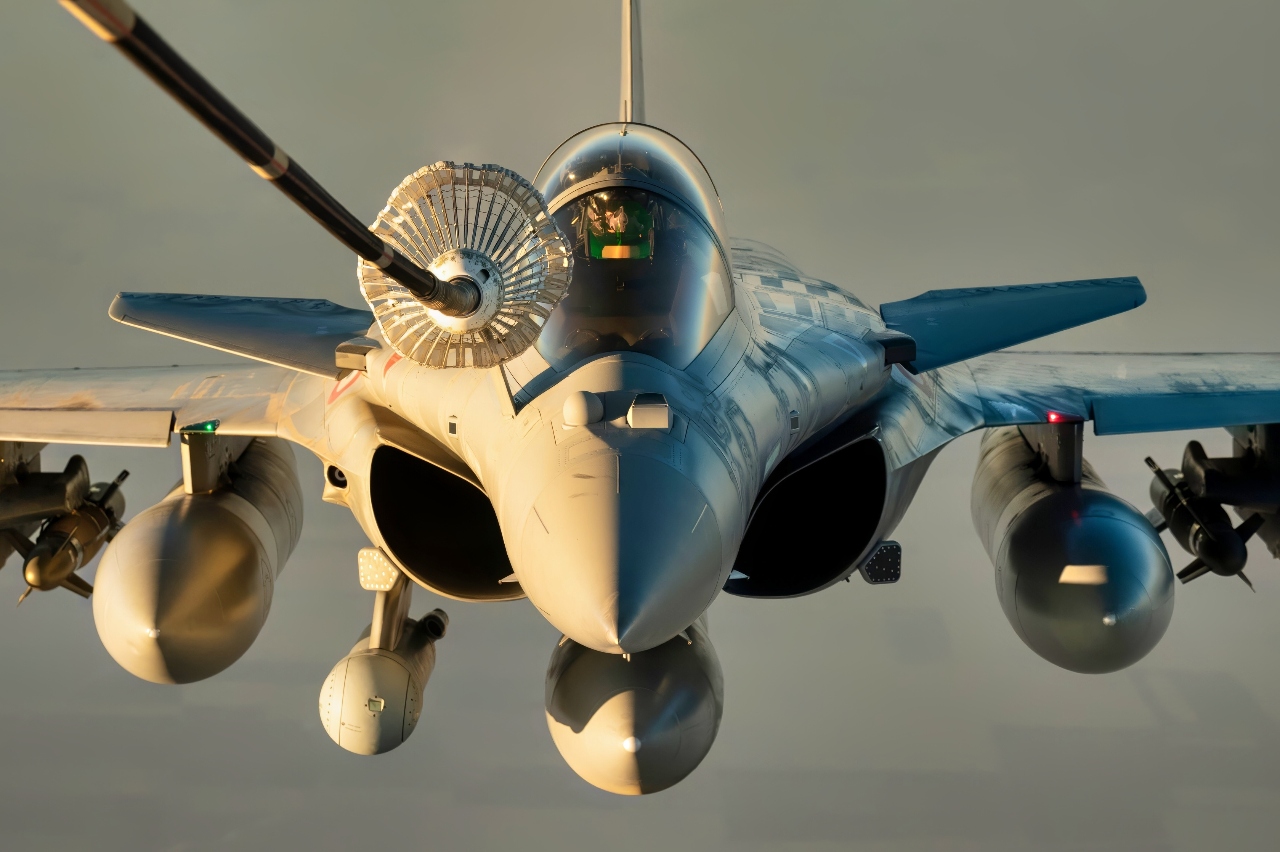
A French Rafale fighter aircraft prepares to receive fuel from a U.S. Air Force KC-10 Extender assigned to the 908th Expeditionary Air Refueling Squadron, during a partner nation aerial refueling mission in the U.S. Central Command area of responsibility, Feb. 20, 2023. The KC-10 provides U.S. and partner nation aircraft the ability to remain in the air for longer durations, maximizing their patrol time and ensuring regional stability. (U.S. Air Force photo by Tech. Sgt. Daniel Asselta)
“Two of the three largest economies are located in the Asia-Pacific along with 10 of the 14th smallest,” it adds. “The AOR [Area of Responsibility] includes the most populous nation in the world, the largest democracy, and the largest Muslim-majority nation. More than one third of Asia-Pacific nations are smaller, island nations that include the smallest republic in the world and the smallest nation in Asia.”
France maintains a number of territories in the Pacific Ocean, a relic of the country’s colonial holdings that today plays an important strategic, geopolitical, and economic role for Paris. More recently, French sites in the Pacific furthered the country’s nuclear program and hosted dozens of nuclear test explosions from the mid-1960s until the mid-1990s.
Cumulatively, France’s Pacific territories give the country the world’s second-largest Exclusive Economic Zone, the majority of which is in the Pacific.
French Polynesia, New Caledonia, Wallis and Futuna, and Clipperton Island are some of the largest and most populous. But put together, all of France’s territories give the country a significant presence, particularly in the central and southwestern areas of the Pacific, which encompass more than 2.7 million square kilometers of territory.
Some of these territories, like New Caledonia and French Polynesia, are regional hubs for joint military exercises with other Pacific partner nations, including Australia, New Zealand, and the United States.
They also serve as important launch points for disaster relief and defense cooperation, while providing France with diplomatic leverage over the region.
Postscript
The French Navy possesses a single aircraft carrier, the Charles de Gaulle, which concluded its first deployment to the Pacific earlier this year, conducting trials with mixed manned and unmanned aircraft wings.
This deployment provided insights into the expanding role of unmanned aircraft in naval air wings globally—including those of the United States, the United Kingdom, and China—and suggested that the French Navy may seek to further integrate unmanned aircraft on its carriers in the future.
This development could indicate the potential for unmanned French aircraft operations from American aircraft carriers.
About the Author: Caleb Larson
Caleb Larson is an American multiformat journalist based in Berlin, Germany. His work covers the intersection of conflict and society, focusing on American foreign policy and European security. He has reported from Germany, Russia, and the United States. Most recently, he covered the war in Ukraine, reporting extensively on the war’s shifting battle lines from Donbas and writing on the war’s civilian and humanitarian toll. Previously, he worked as a Defense Reporter for POLITICO Europe. You can follow his latest work on X.
More Military
No Fix’: China’s J-20 Stealth Fighter Has 1 Problem With No Solution
The Army’s ‘Super’ MBT-70 Tank Summed Up in 1 Word
Shinano: Japan’s ‘Super’ Aircraft Carrier Was the Biggest Warship Ever Sunk by A Submarine
Russia’s ‘New’ Tu-160M Blackjack Bomber Has A Mach 2 Message for the U.S. Air Force


