

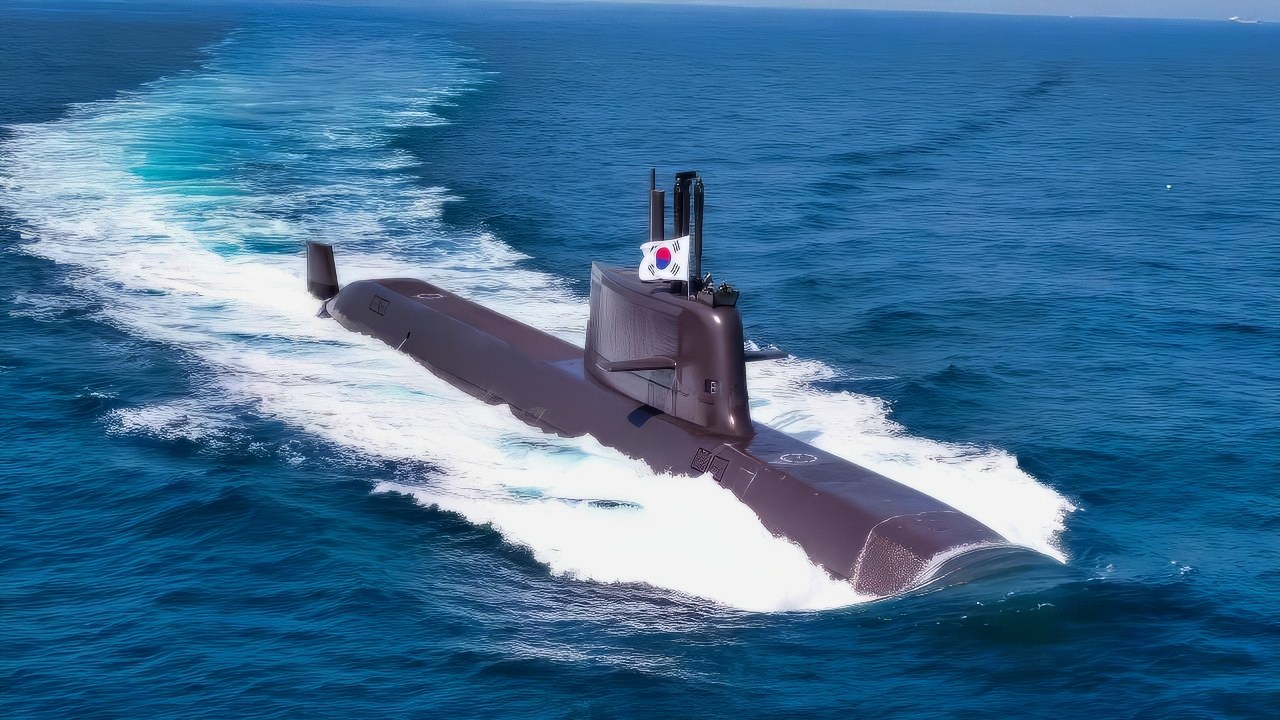
Key Points and Summary – Washington and Seoul have agreed to form a 50–50 joint venture to secure enriched uranium fuel for South Korea’s 26 nuclear reactors, reducing reliance on Russian supplies and other foreign providers.
-President Lee Jae Myung says the U.S. will now support a process leading to South Korean enrichment and reprocessing for “peaceful uses,” even as existing agreements still block full fuel-cycle autonomy.
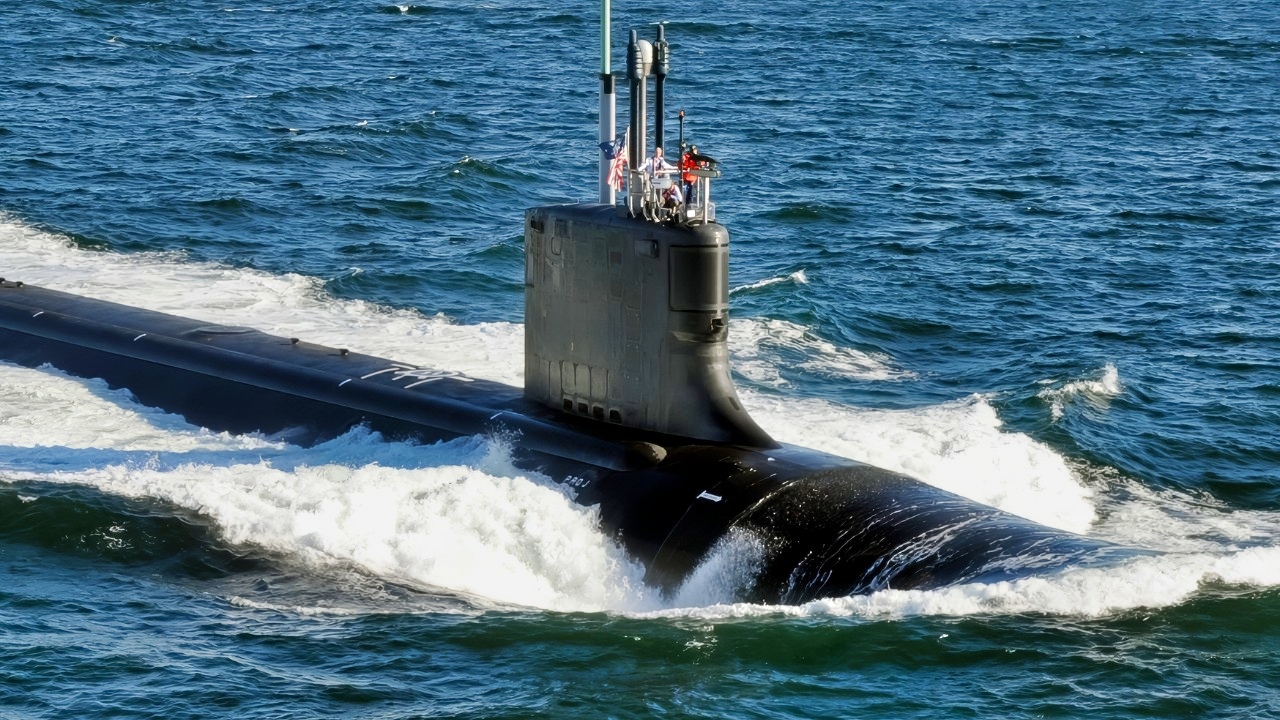
USS Missouri Virginia-Class Submarine. Image Credit: Creative Commons.
-The move intersects with Seoul’s push for nuclear-powered submarines and a quiet debate over “nuclear latency” as insurance against North Korea.
-U.S. officials remain wary of proliferation risks, while Lee publicly rejects any move toward a nuclear arsenal.
Washington Will Help South Korea Acquire Fuel for Its Nuclear Reactors
Fort Lauderdale, Florida – According to a December 2 New York Times report, the Republic of Korea (ROK or South Korea) and the United States have agreed to create a joint venture to assist this Asian ally of Washington in acquiring enriched uranium fuel for its nuclear power plants. ROK President Lee Jae Myung announced on Wednesday.
South Korea operates 26 nuclear reactors and has long-standing ambitions to enrich its own uranium to support its operations. At present, Seoul imports its reactor fuel from Russia or other countries with much larger nuclear power industries.
The ROK is the world’s 6th-largest producer of atomic energy, with its nuclear power plants supplying some 40 per cent of the nation’s electrical power. This development of nuclear energy technology in South Korea has been made possible by the ROK-US Atomic Energy Agreement, signed with Washington in 1972.
But in addition to being able to cut off dependence on nations like Russia for reactor fuel, the ROK would also like to reprocess spent reactor fuel for reuse and reduce nuclear waste in the process. However, the current in-place bilateral agreements with Washington bar the ROK from engaging in that process because it is a carbon copy of the uranium enrichment technology to create the fissile material used in the production of nuclear weapons.
Leading Up to Being Another AUKUS Partner
Last month, ROK President Lee met with US President Donald Trump on the sidelines of the Asia-Pacific regional forum in Gyeongju, South Korea. The outcome was both governments announcing a change in United States policy on the issue.
Washington has now agreed to support “the process that will lead to” South Korea’s enrichment of uranium and reprocessing of fuel for peaceful uses. But that announcement still did not address several points that remained unresolved.
President Lee revealed during a Wednesday news conference what he had discussed with the US head of state when they met in October to address this issue.
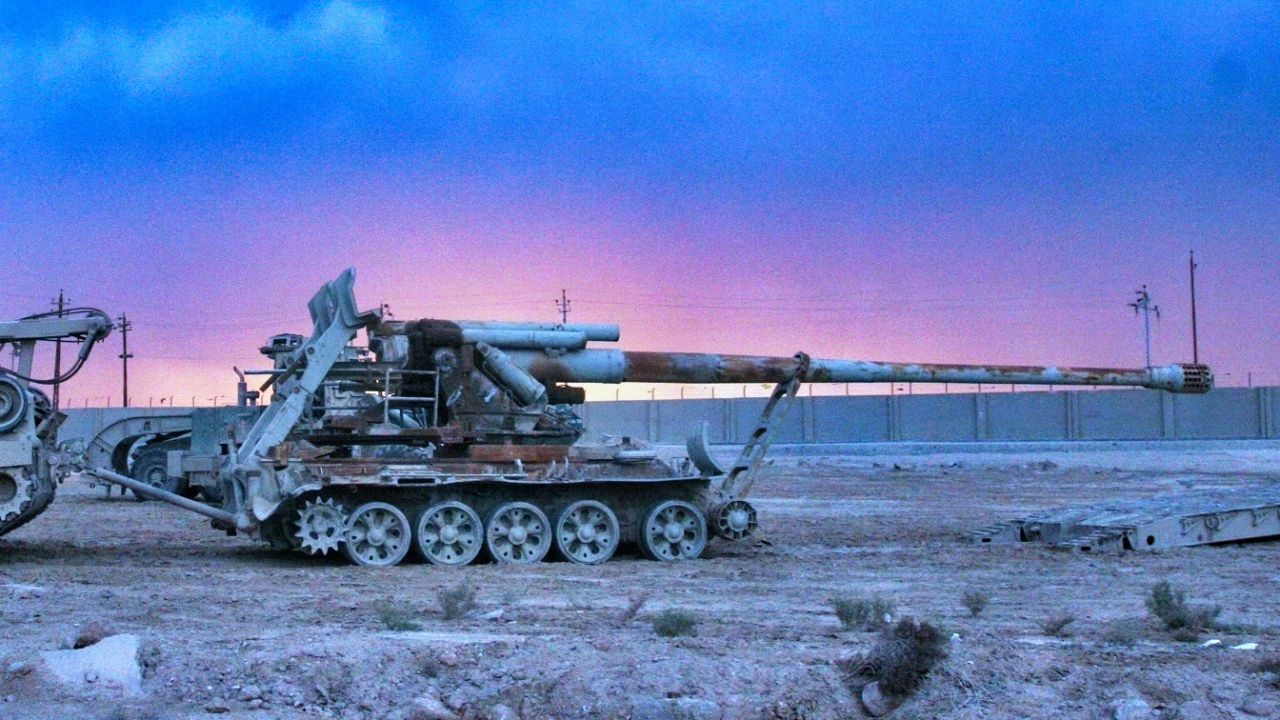
North Korea Artillery. Image Credit: Creative Commons.
“When I told him that we imported about 30 per cent of our enriched uranium fuel from Russia, President Trump talked about making a big profit by producing it on our own and suggested a partnership,” said Mr. Lee. “So, we agreed to a 50-50 joint venture.”
Lee was asked whether the proposed enrichment and reprocessing facilities would be based in the ROK or elsewhere, but he said it didn’t matter much to his government. But “it would be preferable if we could do it at home,” he said, pointing out that constructing that manner of facilities abroad could involve complications.
After their October meeting, Trump said he had given “approval” for South Korea to build its own nuclear-powered submarines, a step towards the ROK joining the AUKUS consortium. A sticking point, however, is that Trump wants the subs built in the Philadelphia shipyards that were recently purchased by Hanwha, the ROK’s largest defense corporation.
The ROK, however, wants to build these subs in its own shipyards, as the Philadelphia facility falls short in more than one respect.
Hanwha officials have said there are too many shortcomings at the US shipyard, citing the lack of specialized facilities for submarine construction and a shortage of the engineering talent required. Personnel problems have been a cause of the US shipyards’ inability even to fill orders from Washington’s own Navy procurement programs.
Desire for Autonomy for South Korea
Numerous voices in the ROK defense establishment are calling for these subs to be built onshore and for the enrichment and reprocessing facilities to be located inside the country, not in the US. This kind of autonomy is necessary, they say, so that the ROK could achieve what they call “nuclear latency.”
These sentiments are partially driven by the desire for the ROK to have the industrial capacity to produce its own nuclear weapons quickly. While few I met with in Seoul last month will say this out loud, there are concerns as to what the country should do should it become clear that the country could no longer rely on the US to protect it from a nuclear attack from North Korea.
The US has historically opposed the ROK acquiring these capabilities because it would add to a growing worldwide problem of nuclear proliferation.
On Wednesday, President Lee reaffirmed his government’s pledge not to develop a nuclear arsenal. There was no option for his country to sacrifice the alliance with the United States just to be able to build nuclear weapons, he said.
“Some in the U.S. government seem to be a bit cautious,” Mr. Lee said. “We suspect that this may have to do with concern about nuclear armament. But we make our position clear: We have no intention of arming ourselves with nuclear weapons. It’s realistically impossible.”
About the Author: Reuben F. Johnson
Reuben F. Johnson has thirty-six years of experience analyzing and reporting on foreign weapons systems, defense technologies, and international arms export policy. Johnson is the Director of Research at the Casimir Pulaski Foundation. He is also a survivor of the Russian invasion of Ukraine in February 2022. He worked for years in the American defense industry as a foreign technology analyst and later as a consultant for the U.S. Department of Defense, the Departments of the Navy and Air Force, and the governments of the United Kingdom and Australia. In 2022-2023, he won two awards in a row for his defense reporting. He holds a bachelor’s degree from DePauw University and a master’s degree from Miami University in Ohio, specializing in Soviet and Russian studies. He lives in Warsaw.


