

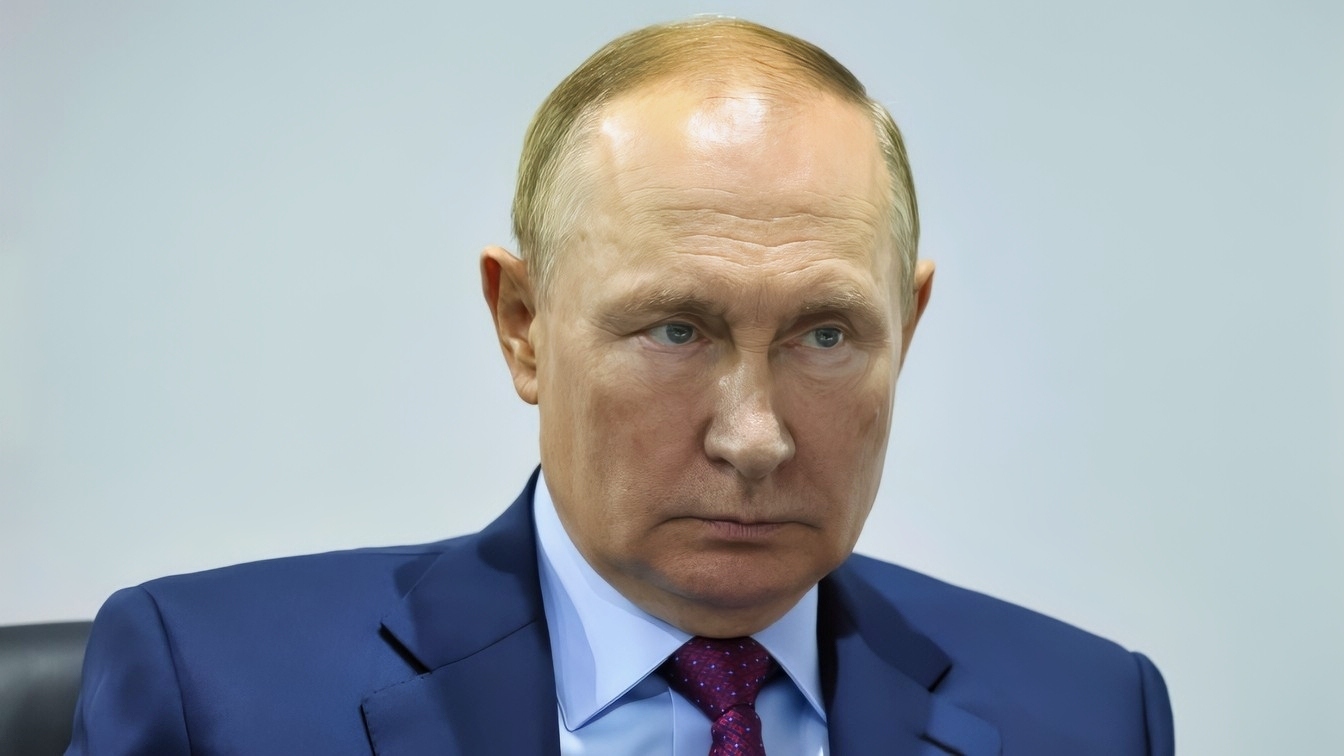
With the onset of Russia’s latest campaign to destroy Ukraine’s energy infrastructure, Moscow has widened its strategic bombing campaign to include bridges.
In recent days, Russia has been targeting major bridges in some of Ukraine’s largest cities, including Kyiv and Zaporizhzhia.
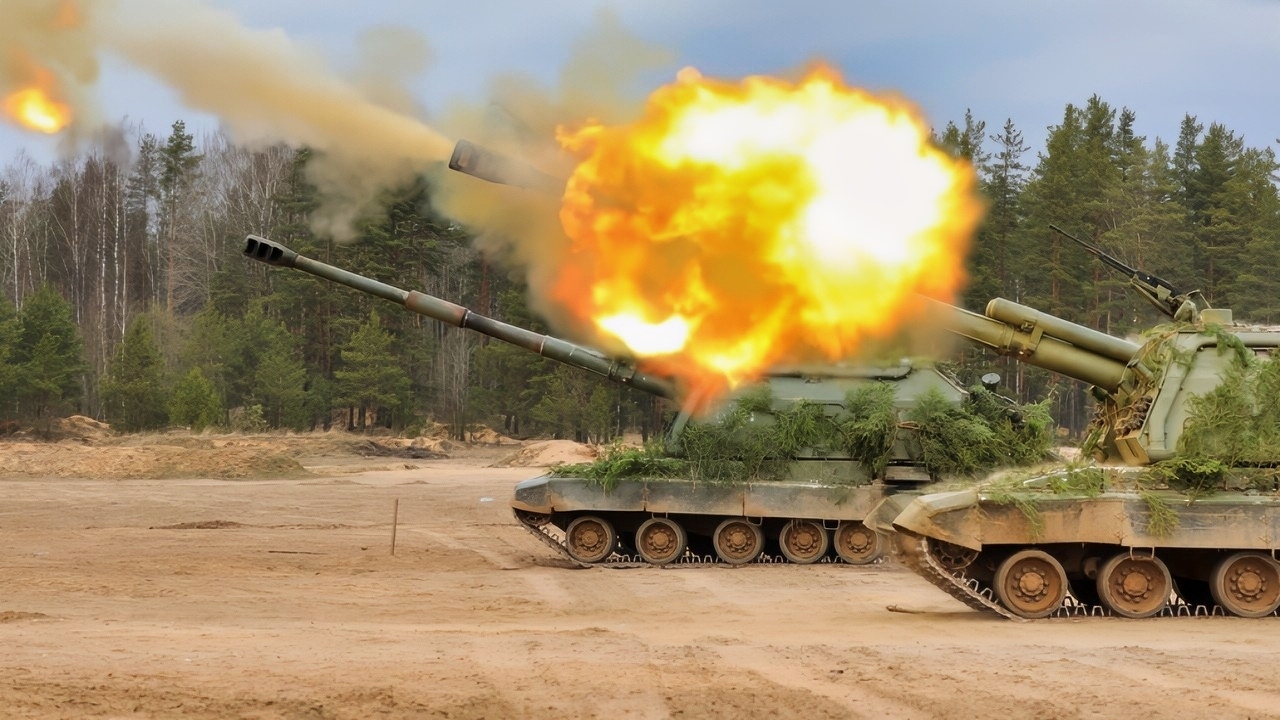
MSTA Artillery Firing Creative Commons Image
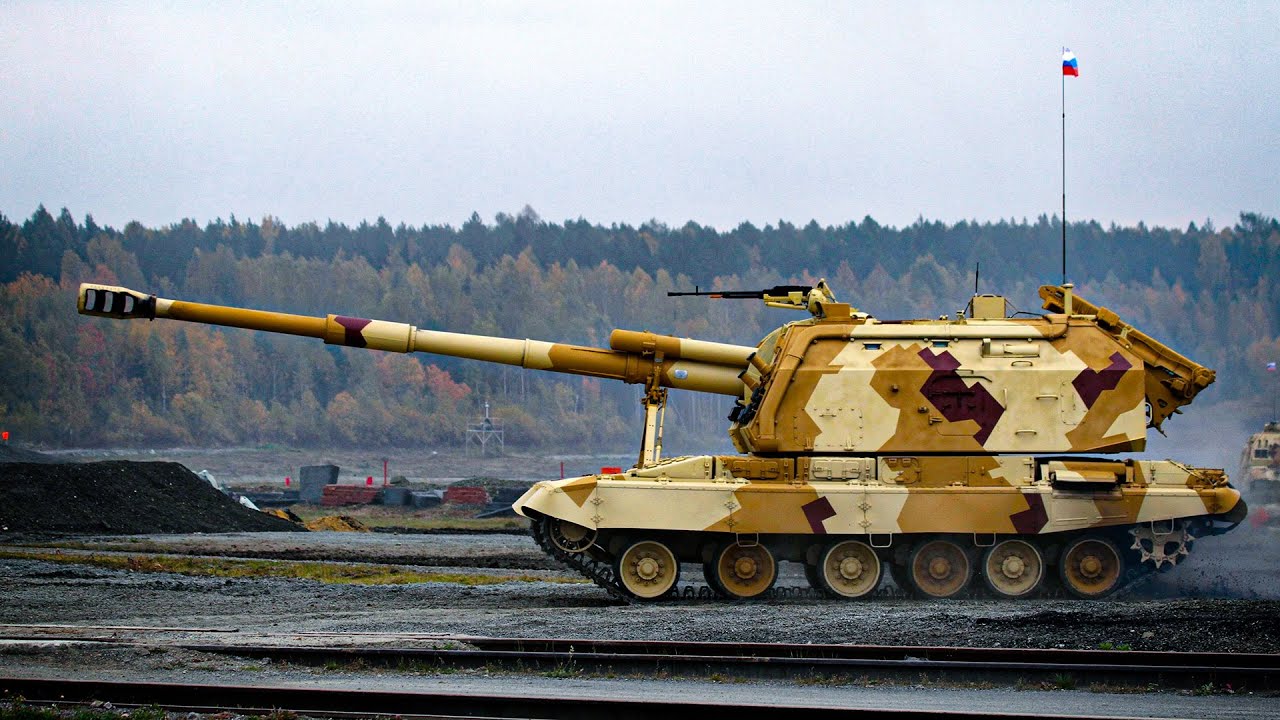
MSTA Russian Artillery Creative Commons Image
The tactic aims not only to disrupt Ukraine’s rear-area logistics but also to make life in Ukraine’s cities as difficult as possible.
The change in tactics follows after Vladimir Putin reportedly lifted restrictions against certain targets in Russia’s long-range strike campaign.
According to some reports, General Sergey Surovikin is leading the new campaign against bridges, the general widely regarded as the architect of Russia’s original aerial campaign against Ukrainian energy infrastructure.
The Return of Russia’s Doomsday General?: A New Strategy Appears
According to a recent article by The Telegraph, the Kremlin has brought back General Surovikin (AKA “General Armageddon,” AKA “The Butcher of Syria”) to lead Russia’s campaign against Ukraine’s major bridges.
Before the war in Ukraine, Surovikin was assigned a command position in Syria, when Russia ramped up its military operations on behalf of former president Bashar al-Assad.
He is often cited as one of the main figures who turned the tide of the Syrian civil war in 2017-2018 and was widely criticized in international media for his high-intensity bombing campaigns.
In October 2022, the Kremlin appointed Surovikin commander of all Russian forces in Ukraine.
During this period, Russia launched the first of its winter campaigns against Ukraine’s energy infrastructure, a tactic that is attributed to him.
Under his leadership, Russia also bolstered its defensive lines in the Kherson and Zaporizhzhia regions, earning the name “Surovikin Line.” He was replaced in 2023, when he was assigned a command tour in Africa.
Surovikin is highly regarded in pro-Russian circles, so Russian news outlets rejoiced when they reported his return.
However, some reports suggest The Telegraph may have jumped the gun on Surovikin’s return. According to a correspondent from Ostrozhno Media, “General Armageddon” is not returning to command in Ukraine.
Surovikin is reportedly still serving his command term in Africa, which is set to be renewed for another three years in November this year.
The correspondent said Surovikin was spotted in Moscow because the General is currently on holiday with his family.
At least, from what I can gather, no official confirmation indicates that Surovikin is returning to Ukraine now or in the future, although anything is possible at this point in the Ukraine war. We will surely watch this space.
The Legality of Targeting Bridges
Regardless of whether “General Armageddon” is involved, Russia is widening its aerial campaign against Ukraine. Seven major bridges across the Dnipro River have already been targeted at least once by Russian munitions.
In Kyiv, Russian forces hit two of its four major bridges last week, including one while German Chancellor Friedrich Merz was visiting the capital.
In Zaporizhzhia, the Vantovyy Bridge has been targeted multiple times by Russian missiles and glide bombs.
So far, none of these bridges have been destroyed.
Ukraine’s largest bridges, built during the Soviet era, were designed to withstand high-intensity conflict.
While traffic has slowed, the bridges remain standing and are currently being repaired.
Targeting bridges is not inherently a war crime, but it can result in several if done improperly.
During the Kosovo War, NATO coalition forces bombed and destroyed several major bridges in Serbia during the first hours of the conflict.
Likewise, the U.S. Military has targeted and destroyed bridges in Iran during Operation Epic Fury.
The Geneva Convention allows targeting bridges and other critical infrastructure if they become military objectives intended to cripple the enemy and force a ceasefire or end hostilities.
According to international law, targeting bridges becomes a war crime when the attacks cause disproportionate harm to civilian life or are aimed at starving a civilian population.
There are disagreements as to what is and isn’t “disproportionate,” but in general, as long as civilians are not living on bridges, the U.S. military considers them a legitimate target.
Why the Wait?
The question is not why Moscow is targeting Ukrainian bridges, but rather why Moscow waited so long. For four years, Ukraine’s largest bridges remained standing, untouched by the Russian Armed Forces.
Had the U.S. Military invaded Ukraine, those bridges would have gone down in the first week.
This is not to say that Russia should destroy Ukraine’s bridges, but that, oddly, Putin was apparently unwilling to give the order until recently.
Western analysts believe that Putin’s shift in tactics is meant to compensate for a lack of battlefield gains, as the front line has remained largely static for several years, apart from some local changes.
Zelenskyy likewise accused Russia of using terror tactics to force Ukraine to concede to Moscow’s demands.
Unfortunately, Ukraine has limited means to defend itself against Russia’s widening aerial campaign.
With attack drones crossing into Ukrainian territory every day, the nation is struggling to muster enough air defenses to protect its energy infrastructure, defense industry, logistics, and now its bridges at the same time.
Depending on how frequent Moscow’s attacks are, Ukraine might be able to maintain and repair its bridges or find alternatives.
Some Kyiv officials are already considering a ferry system or setting up pontoon bridges.
Ukraine has endured more than four years of constant bombardment. If anything is certain, Ukrainians will find a way to carry on.
About the Author: Isaac Seitz
Isaac Seitz, a Defense Columnist, graduated from Patrick Henry College’s Strategic Intelligence and National Security program. He has also studied Russian at Middlebury Language Schools and has worked as an intelligence Analyst in the private sector.


