
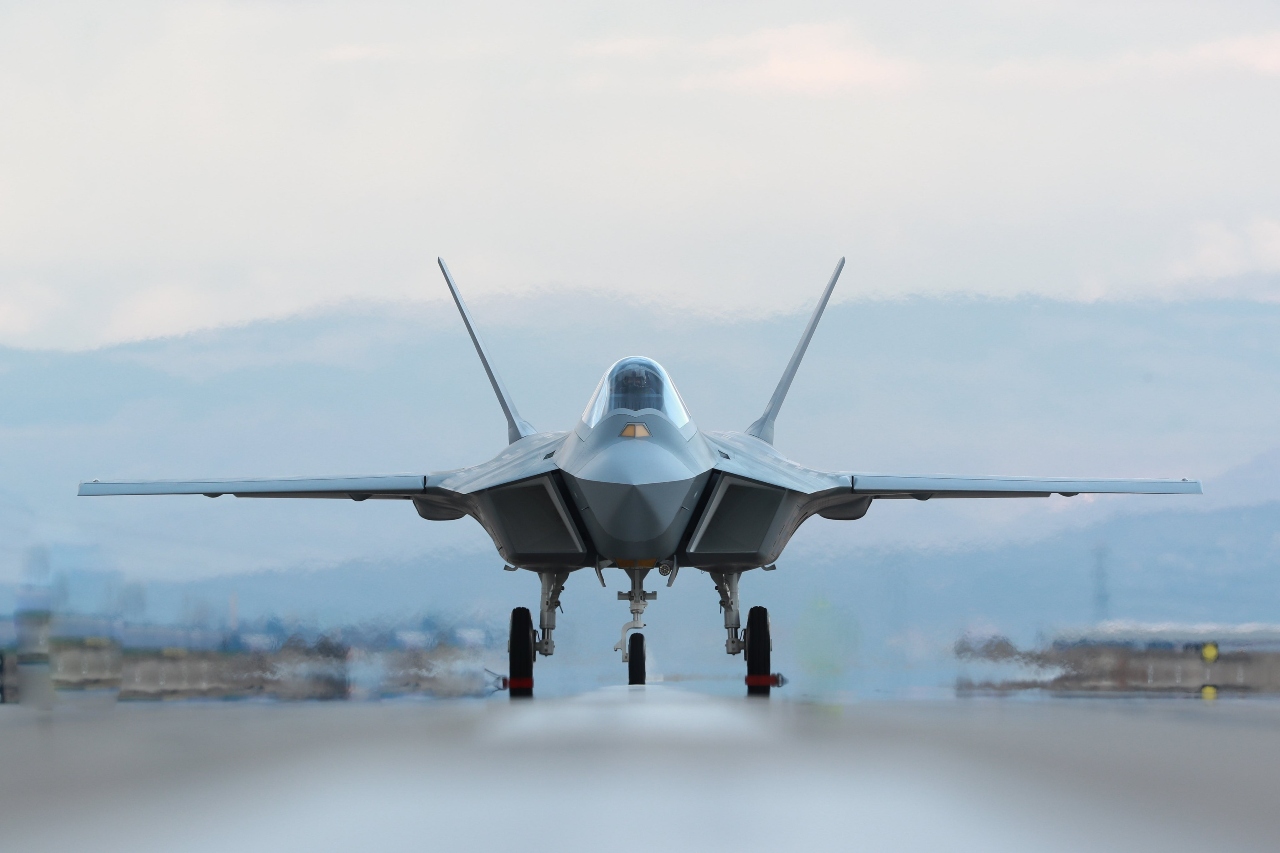
Turkish Aerospace Industries has signed the first production contract for the indigenous KAAN stealth fighter, with an initial batch of 20 Block 10 aircraft to be delivered to the Turkish Air Force between 2028 and 2030. The program is the direct consequence of Turkey’s 2019 removal from the U.S.-led F-35 program after Ankara purchased the Russian S-400 air defense system. Indonesia has already signed for 48 KAAN fighters, and Saudi Arabia has reportedly explored joining the program. The KAAN’s maiden flight in February 2024 lasted 13 minutes and reached approximately 8,000 feet, with BAE Systems providing engineering support.
Turkey’s KAAN Stealth Fighter Inches Toward Production
Turkey’s indigenous KAAN stealth fighter program took a major step forward earlier this month when Turkish Aerospace Industries confirmed that the Turkish Air Force had formally signed its first production contract for the aircraft. The news meant that the program had moved into the early procurement phase and that the aircraft’s design was complete. According to reports, the agreement covers an initial batch of 20 KAAN Block 10 fighters, with deliveries expected between 2028 and 2030.
The announcement, made by Turkish Aerospace Industries CEO Mehmet Demiroğlu during the SAHA defense exhibition in Istanbul, represents the clearest sign yet that Ankara intends to fully operationalize the aircraft despite the enormous technical and industrial challenges the program still faces.
The contract is important not only because Turkey is buying the aircraft, but also because it confirms that KAAN is a serious, long-term effort to build an independent Turkish fifth-generation fighter ecosystem after Ankara’s removal from the U.S.-led F-35 program in 2019.
Turkey was prevented from purchasing American aircraft after acquiring the Russian S-400 air defense system.
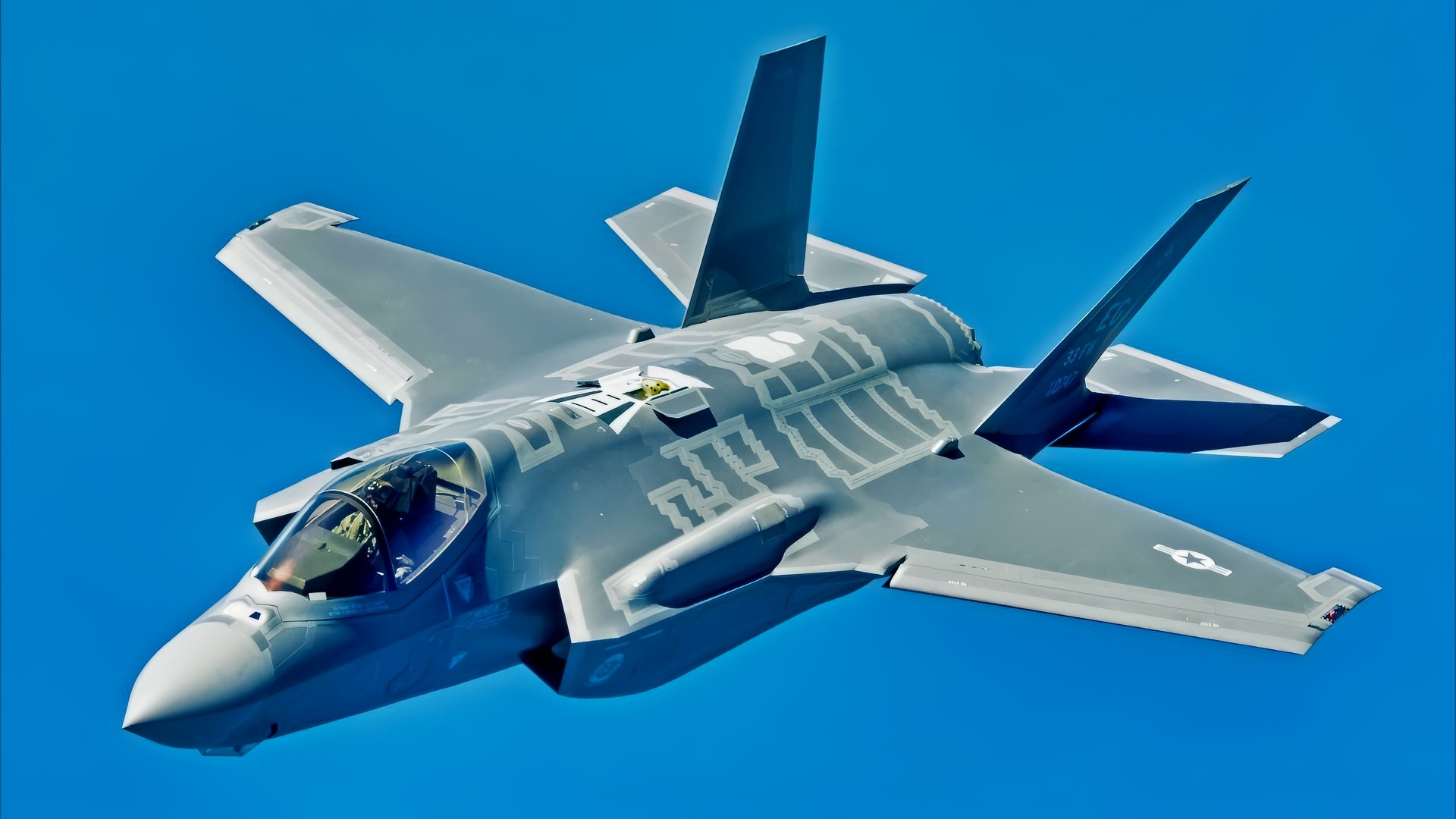
U.S. Air Force F-35A Lightning II Joint Strike Fighter pilots from the 58th Fighter Squadron, 33rd Fighter Wing, Eglin AFB, Fla., navigate their aircraft toward an Air Force Reserve KC-135 Stratotanker from the 336th Air Refueling Squadron, March ARB, Calif., May 16, 2013, off the coast of northwest Florida. The 33rd Fighter Wing is a joint graduate flying and maintenance training wing that trains Air Force, Marine, Navy and international partner operators and maintainers of the F-35 Lightning II. (U.S. Air Force photo by Master Sgt. John R. Nimmo, Sr./RELEASED)
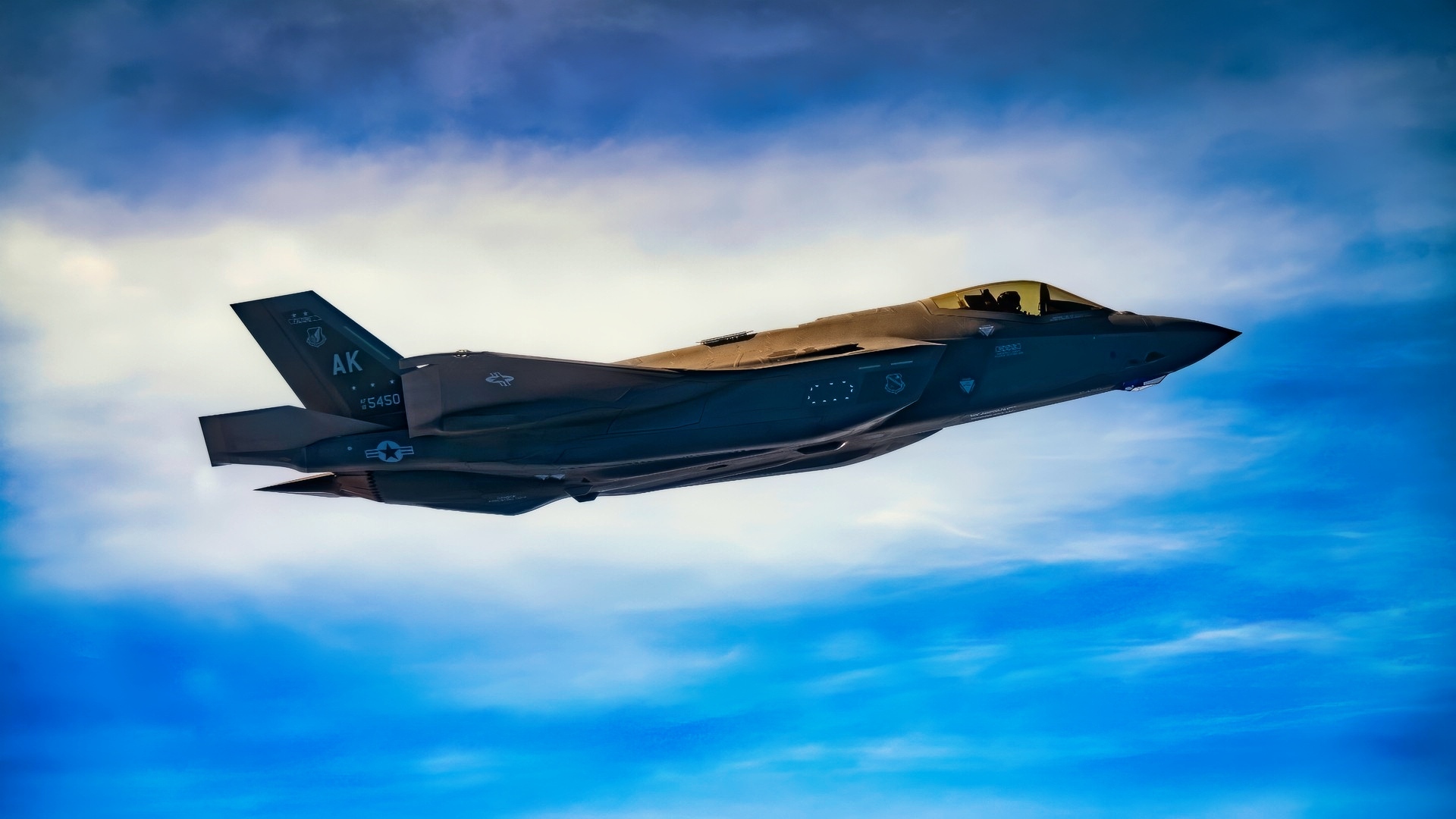
A U.S. Air Force F-35A Lightning assigned to the 356th Fighter Squadron, Eielson Air Force Base, Alaska, flies alongside of a U.S. Air Force KC-46A Pegasus assigned to the 77th Aerial Refueling Squadron, Seymour Johnson AFB, North Carolina, over the Pacific Ocean while enroute to the Singapore Airshow 2022, Feb. 11, 2022. The Singapore Airshow is the largest defense exhibition and biennial international tradeshow in the Pacific attracting thousands of participants from 50 countries. The U.S. Military is participating in Singapore Airshow 2022 by providing aerial demonstrations and static aircraft to demonstrate commitment and build upon partnerships with Singapore. (U.S. Air Force photo by Master Sgt. Richard P. Ebensberger)
At the same time, the aircraft is beginning to attract international attention, indicating that Turkey could soon start providing smaller air forces with cheaper F-35 alternatives.
Indonesia has already signed an agreement covering 48 KAAN fighters as part of its own defense package with Ankara, while Saudi Arabia has reportedly explored possible participation in the program.
That export interest is becoming increasingly important because it could ultimately determine whether KAAN develops into a sustainable fighter ecosystem with broad support or remains a relatively small domestic procurement effort instead.
Turkey Still Needs Fighters Before KAAN Arrives
Despite the new production agreement, KAAN remains years away from entering large-scale operational service. The first aircraft ordered under the Block 10 contract are expected to serve as an early operational configuration to help Turkey begin training pilots, integrating logistics, planning maintenance processes, and more.
This will need to be completed before more advanced variants eventually enter production. That all helps explain why Turkey continues to push for foreign fighter purchases; this is not just a domestic project, but one that requires foreign backing to build into an ecosystem and deliver the economies of scale that make it cheaper to build.
But what’s more, Ankara has continued discussing the potential purchase of Eurofighter Typhoon fighter jets from Britain, while also periodically signaling interest in eventually restoring some form of F-35 relationship with the United States.
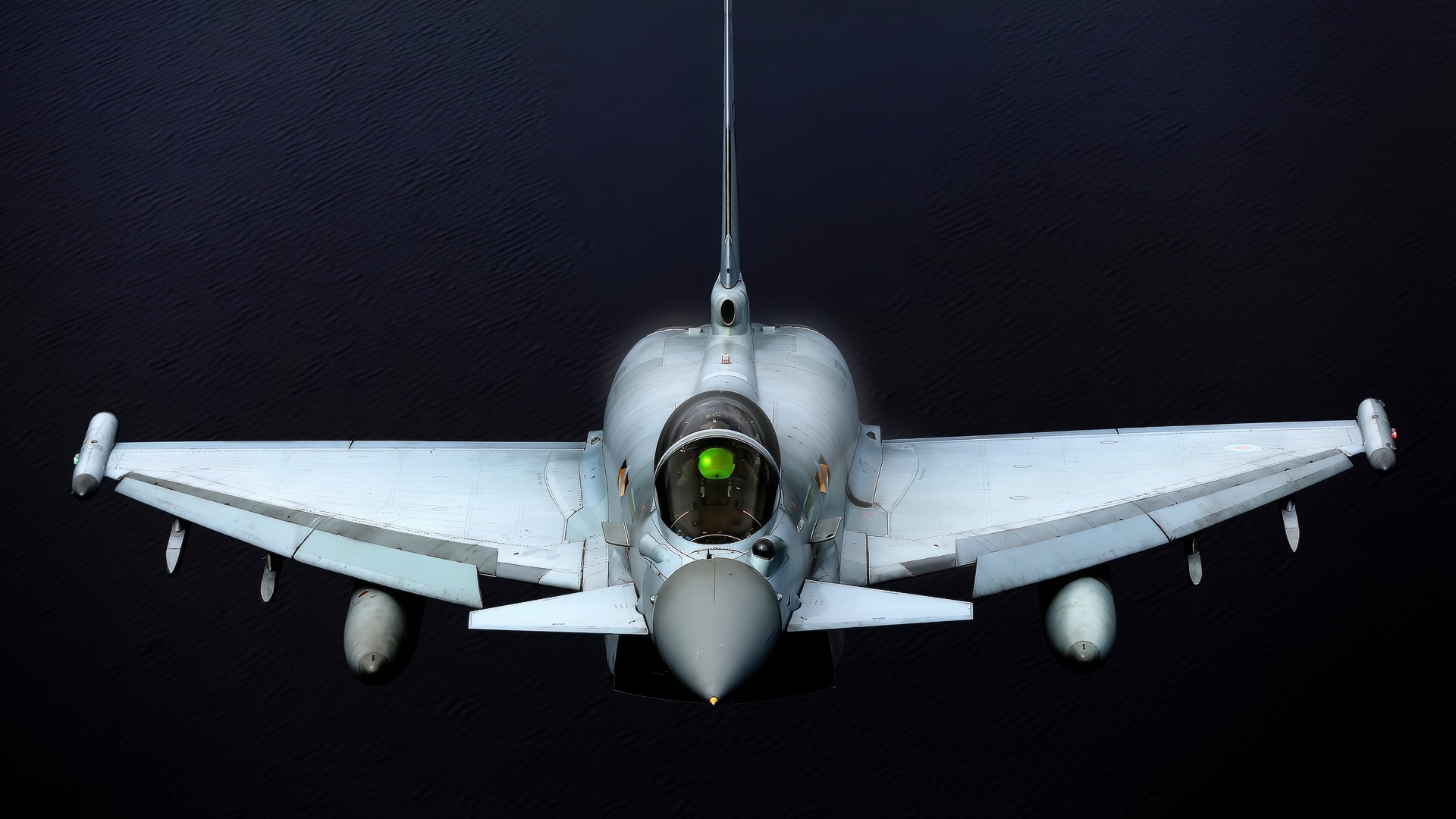
Eurofighter Typhoon over the Water. Image Credit: Creative Commons.
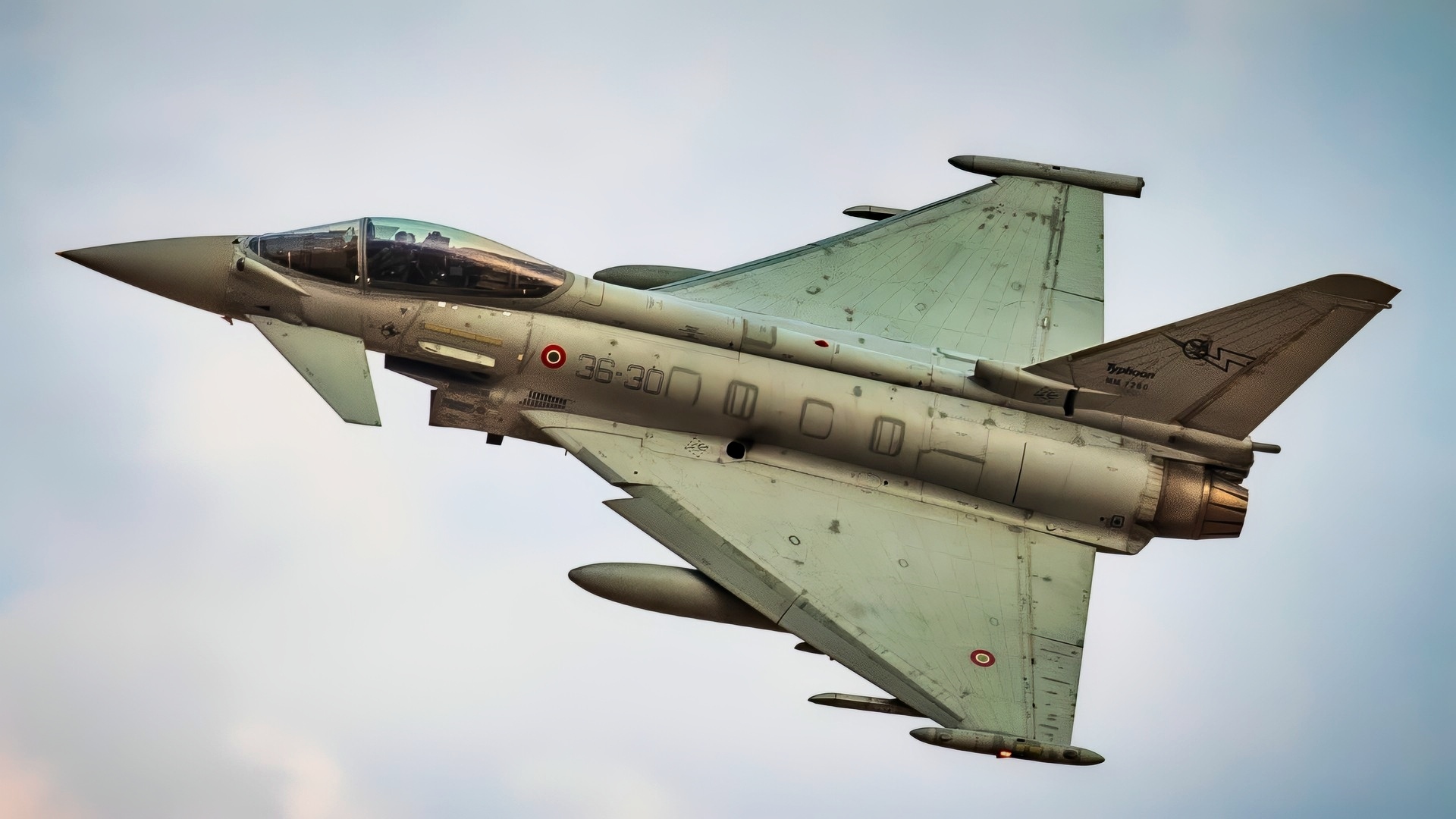
An Italian Air Force Eurofighter Typhoon maneuvers during a joint close air support exercise with U.S. Marines attached to the Special Purpose Marine Air-Ground Task Force – Crisis Response – Central Command (SPMAGTF-CR-CC) 19.2, and service members with the Italian Air Force in Kuwait, Oct. 14, 2019. The SPMAGTF-CR-CC works with partner nations on maintaining regional security. (U.S. Marine Corps photo by Sgt. Kyle C. Talbot)
The Turkish Air Force still relies heavily on upgraded F-16s, many of which are aging and will increasingly require replacement or heavy repairs over the next decade.
It’s a balancing act seen in many advanced fighter programs, whereby prototypes and demonstration flights don’t immediately (or necessarily) translate into operational squadrons.
Building a modern combat aircraft requires far more than designing and building a fighter jet – it entails pilot training, the development of sustainment systems, maintenance infrastructure, spare parts production, weapons integration, and years of operational testing before the aircraft can become fully combat credible.
And Turkey still faces some major technical hurdles.
KAAN Was Born from Turkey’s F-35 Expulsion
KAAN is largely the product of Turkey’s deteriorated relationship with the F-35 program. Ankara originally intended not only to operate the aircraft but also to serve as an industrial partner, manufacturing various components for the fighter, but the relationship broke down after Turkey purchased the Russian-made S-400 air defense system.
Washington said at the time that operating the S-400 alongside the F-35 posed unacceptable security risks because Russian systems could gather intelligence on the aircraft’s stealth profile and operational signatures. Turkey was formally removed from the program in 2019.
The fallout created a long-term modernization problem for the Turkish Air Force because Ankara suddenly lost access to the aircraft it had expected to become the centerpiece of its future fighter fleet.
Turkey had already been exploring an indigenous fighter effort under the TF-X or Milli Muharip Uçak program before the F-35 dispute, but the expulsion dramatically increased the project’s strategic importance.
Turkey formally unveiled the aircraft publicly under the KAAN name in 2023 before conducting its maiden flight on February 21, 2024. Reuters reported that the prototype completed a roughly 13-minute flight near Ankara, reaching an altitude of approximately 8,000 feet and speeds of around 230 knots.
The program itself also involved cooperation with Britain’s BAE Systems, which signed agreements with Turkey years earlier to support aspects of the aircraft’s development, including engineering assistance and systems design support.
The Turkish government currently envisions low-rate initial deliveries beginning around 2028, with operational service expected in the early 2030s as more advanced production blocks come online.
The aircraft is expected to replace much of the country’s F-16 fleet through the 2030s and potentially remain in service into the 2070s.
About the Author: Jack Buckby
Jack Buckby is a British researcher and analyst specializing in defense and national security, based in New York. His work focuses on military capability, procurement, and strategic competition, producing and editing analysis for policy and defense audiences. He brings extensive editorial experience, with a career output spanning over 1,000 articles at 19FortyFive and National Security Journal, and has previously authored books and papers on extremism and deradicalization.


