


Summary and Key Points: If Washington restarts its air war against Iran to force open the Strait of Hormuz and demand a nuclear surrender, Tehran will answer — and the uncomfortable truth is that it can still make a second round bloody.
-Iran came out of the first war badly weakened: a top U.S. commander testified that the campaign gutted its missiles and drones and crippled its ability to build more.
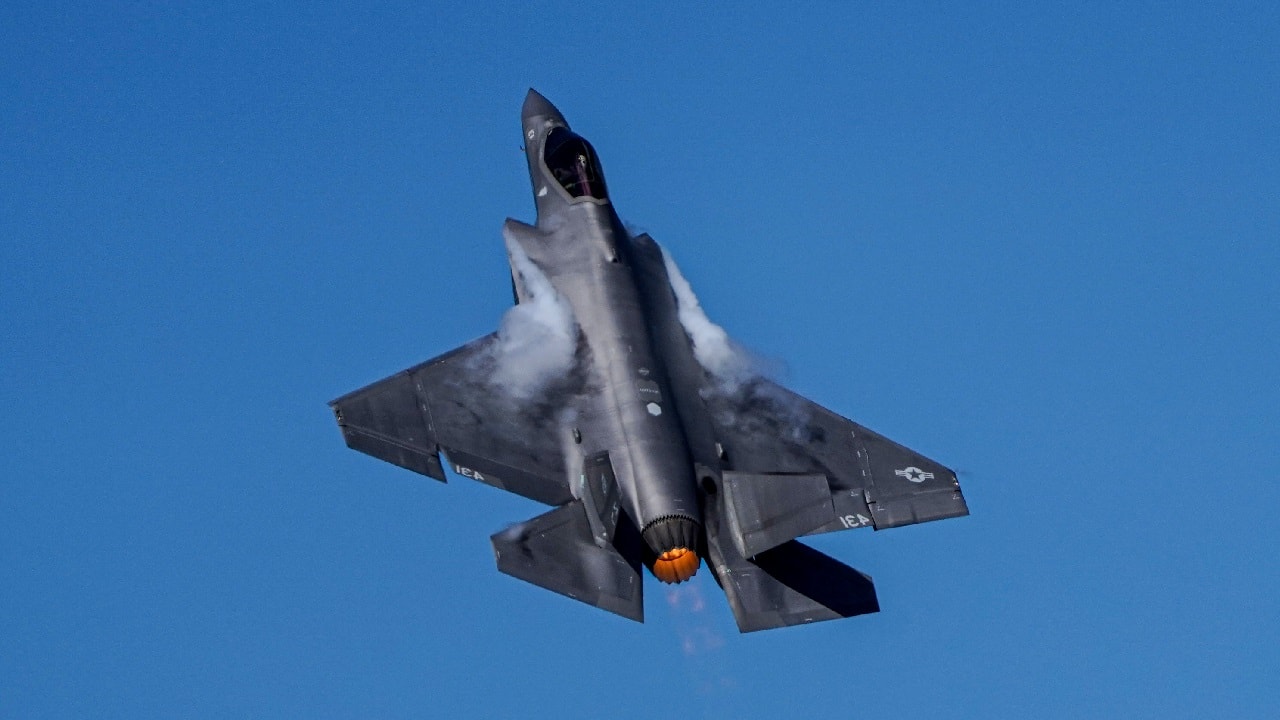
F-35 Fighter Heading Into the Sky. Image Credit: Creative Commons.
-But a regime convinced it is fighting for its survival calculates risk differently than one with a future to protect.
How Iran Would Strike Back If America Restarts The Air War
In a companion piece, I argued that a second American air war against Iran would exact costs that extend far beyond the Persian Gulf, into the oil market, the Strategic Petroleum Reserve, and the missile stockpiles America would need against China.
This is the other half of that ledger: if Washington did pull the trigger again to force open the Strait of Hormuz and extract a nuclear surrender, how would Tehran answer?
The honest answer begins with an uncomfortable fact for the regime. Iran today is a far weaker adversary than the one that opened the first war, but a cornered government with less to lose can still be dangerous, and it retains enough cards to make a second round bloody.
What The First War Did To Iran’s Arsenal
The most authoritative recent assessment came from CENTCOM commander Adm. Brad Cooper, who testified in mid-May that the campaign had significantly degraded Iran’s missile and drone capability and crippled its ability to produce replacements. To be frank, many experts hotly dispute this, so I want to be clear and make sure those voices are recognized.
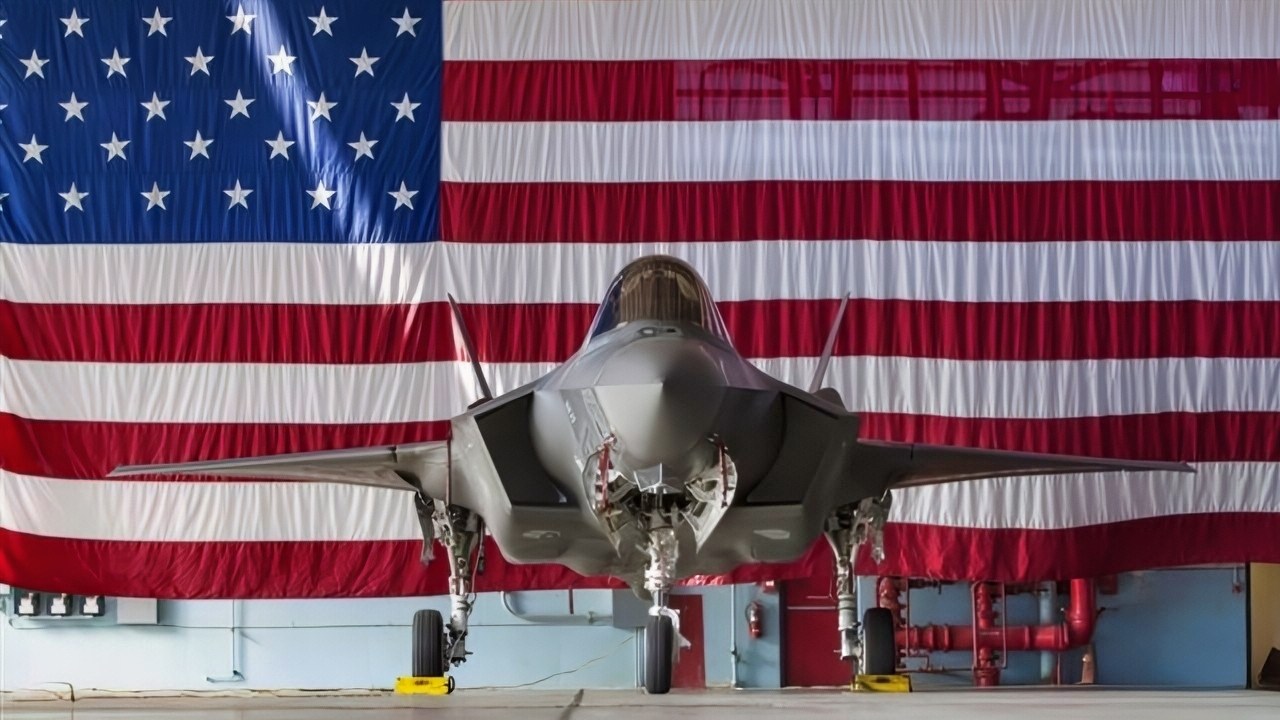
F-35 Fighter Image by Lockheed Martin
In any case, in his assessment, Iran retains a nuisance capability of harassment, low-end drone and rocket attacks, and residual proxy support, but no longer has the means to threaten major regional operations or to deny the United States freedom of action in the air or at sea. Again, to be clear, this is very much contested.
But, let’s suppose that is accurate, I mean, these are the people looking at the intel we can’t see. That is a real constraint for Tehran. Before the first war, Iran was estimated to hold an arsenal of roughly 2,000 short-range ballistic missiles and a far larger number of one-way attack drones, the same Shahed-type weapons it has exported to Russia. The 39-day campaign ate deeply into that inventory, and with production hobbled, Iran cannot easily rebuild it. A second wave of retaliation would therefore look thinner and slower than the opening barrages of early 2026.
Thinner, however, is not harmless, and the targets Iran can still reach are the ones that hurt. And many experts are very much of the perspective that Iran has already rebuilt much of its missile capabilities.
The Strait Of Hormuz And Iran’s Mines
Iran’s signature card is the one it has already played once: the Strait of Hormuz. Even in his otherwise dismissive assessment, Cooper acknowledged that Iran still possesses the missiles and fast boats to threaten shipping in the strait, and that is the point.
Tehran does not need a world-class military to make the world’s most important oil chokepoint impassable. Its stated approach combines anti-ship missiles, naval mines, and patrol craft, backed by what regime outlets claim are thousands of coastal anti-ship missiles dug in along the Iranian shoreline.
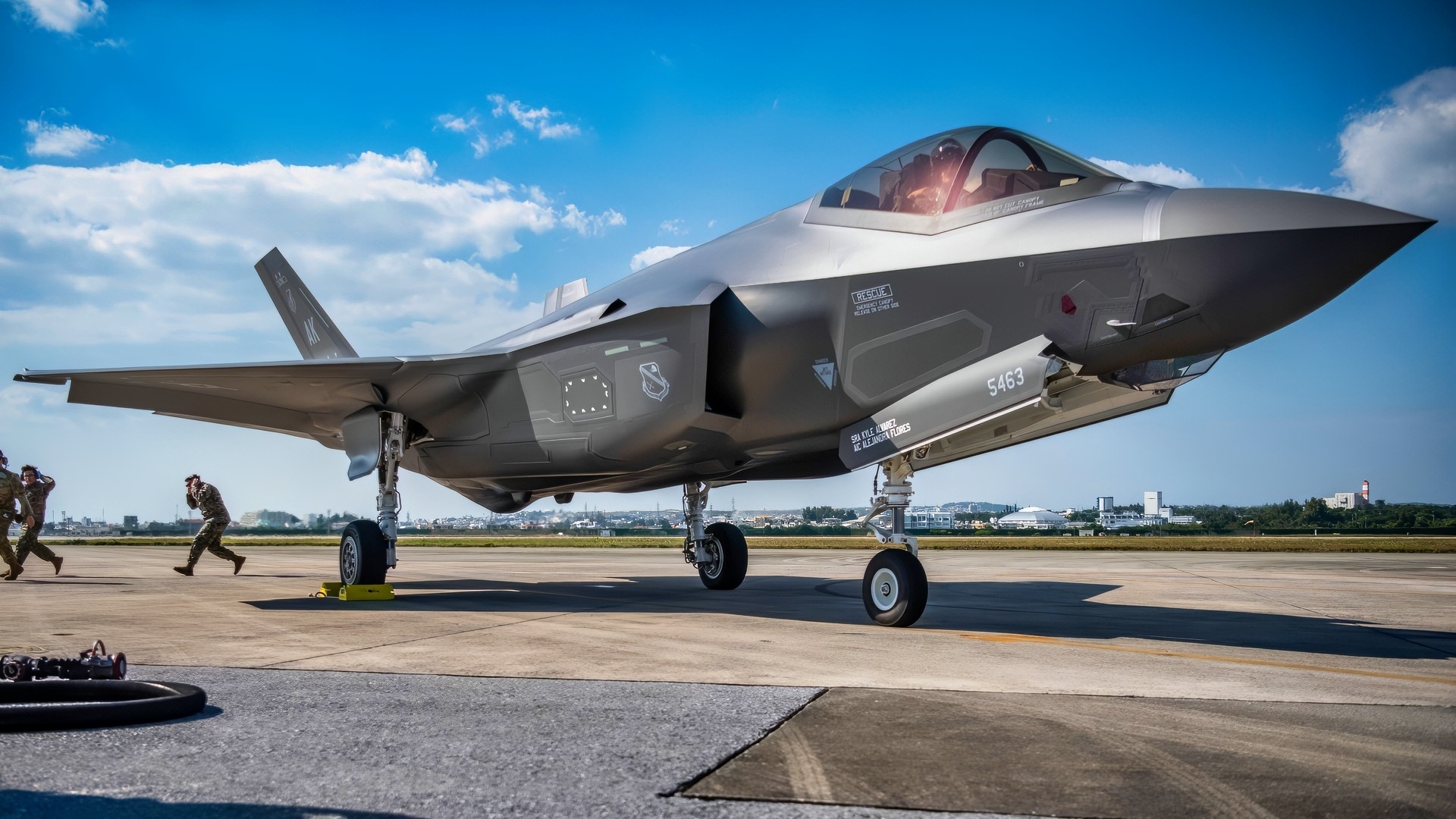
A U.S. Airman and two U.S. Marines support an F-35A Lightning II during joint hot pit refueling training at Kadena Air Base, Japan, March 10, 2022. Hot pit refueling uses a single-point refuel pump, which allows an aircraft to be rapidly refueled immediately after landing, while the engine is running. This cuts down on response time and ensures the mission can be completed anytime, anywhere. (U.S. Air Force photo by Airman 1st Class Anna Nolte)
Mine is the ugliest piece of this. They are cheap, easy to scatter, and slow to clear, and a single mined tanker can spook insurers and shipowners into halting transits regardless of how many mines are actually in the water. Iran cannot hold the strait closed against a determined US clearing operation forever, but it can keep it dangerous and unpredictable for weeks or months, which is enough to keep oil flows throttled and prices elevated. That is exactly the leverage a renewed campaign would be trying to break, and Iran knows it.
Missiles And Drones Against Al Udeid And The Gulf
The second tier is direct fire at American bases and the Gulf states that host them. Iran has already demonstrated this at scale. In the first war, it struck all six Gulf Cooperation Council countries, with the United Arab Emirates, Kuwait, and Bahrain absorbing the brunt of hundreds of ballistic missiles and drones, and it hit the headquarters of the US Navy’s Fifth Fleet in Bahrain. Sprawling installations like Al Udeid Air Base in Qatar and Al Dhafra in the UAE are fixed, known, and within easy range.
A renewed campaign would draw renewed barrages at these targets, along with strikes on Israel intended to widen the war and stretch American and allied air defenses across multiple fronts at once. The saving grace for the United States is that the same degradation Cooper described means Iran would struggle to sustain the volume it managed in early 2026. Indeed, even during the first war, independent trackers noted Iran firing progressively fewer munitions, a sign that the strikes degrading its launchers and stockpiles were working.
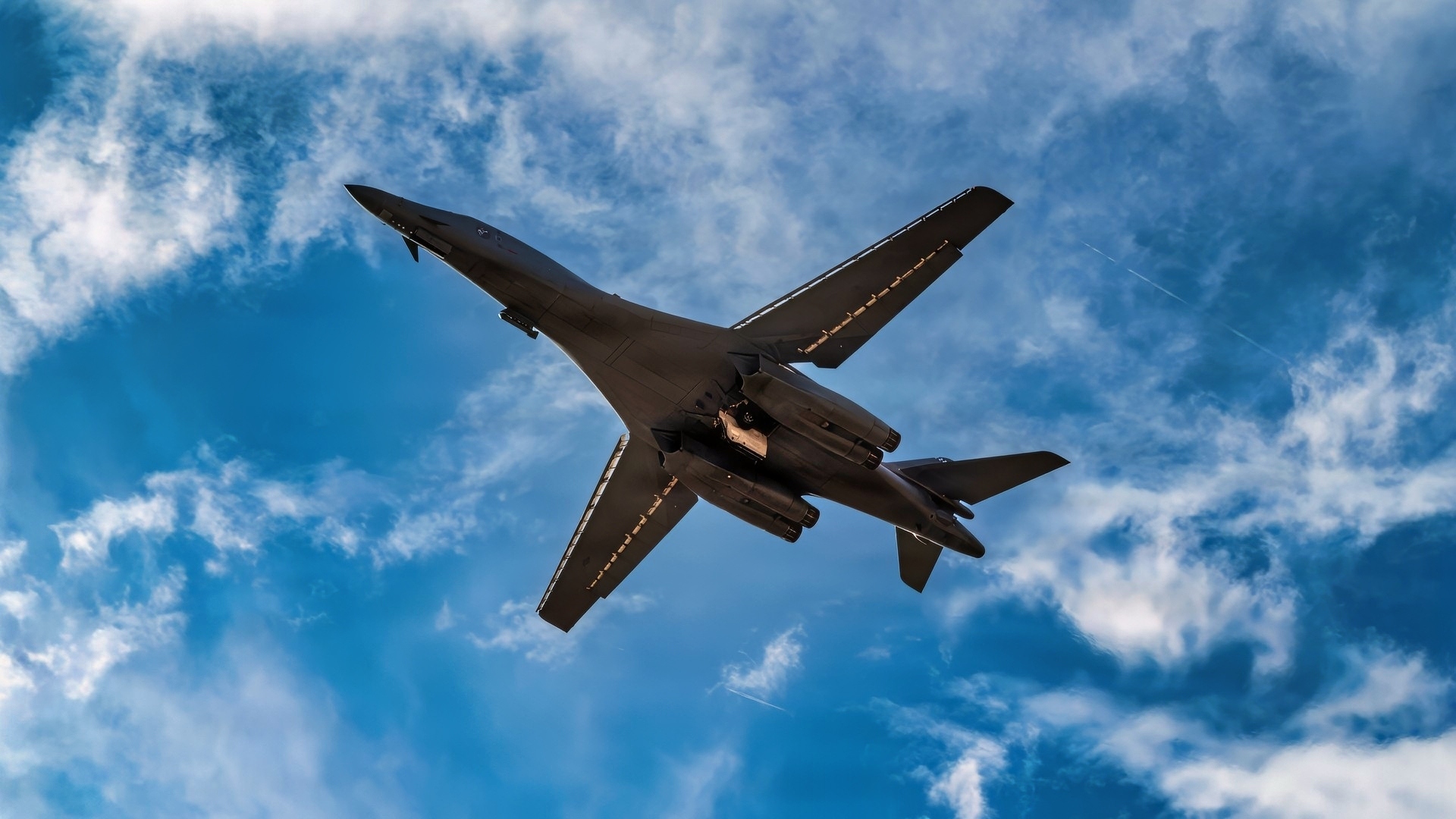
A U.S. Air Force B-1B Lancer assigned to the 28th Bomb Wing takes off in support of a U.S. Air Force Weapons School Integration at Nellis Air Force Base, Nevada, Nov. 18, 2025. The Weapons School trains students to be tactical experts in their combat specialty while also mastering battlespace dominance and integration of joint assets. (U.S. Air Force photo by Airman 1st Class Heather Amador)

Four B-1B Lancers assigned to the 9th Expeditionary Bomb Squadron, deployed from Dyess Air Force Base, Texas, arrive Feb. 6, 2017, at Andersen AFB, Guam. The 9th EBS is taking over U.S. Pacific Command’s continuous bomber presence operations from the 34th EBS, assigned to Ellsworth AFB, S.D. The B-1B’s speed and superior handling characteristics allow it to seamlessly integrate in mixed force packages. While deployed at Guam the B-1Bs will continue conducting flight operations where international law permit. (U.S. Air Force photo/Tech. Sgt. Richard P. Ebensberger)
The threat is real but diminishing, which is precisely why Tehran would lean harder on the assets it has not spent: its proxies.
The Houthis And The Red Sea
The most potent card left in Iran’s hand may not be Iranian at all. The Houthis in Yemen spent 2024 and 2025 demonstrating they could throttle one of the world’s busiest trade corridors, and after pausing their campaign in November 2025 under a Gaza-linked ceasefire, they signaled a restart in response to the February strikes on Iran.
They have only grown more capable since, expanding an arsenal that now reportedly includes anti-ship and surface-to-air missiles and underwater weapons on top of their established drones and cruise missiles.
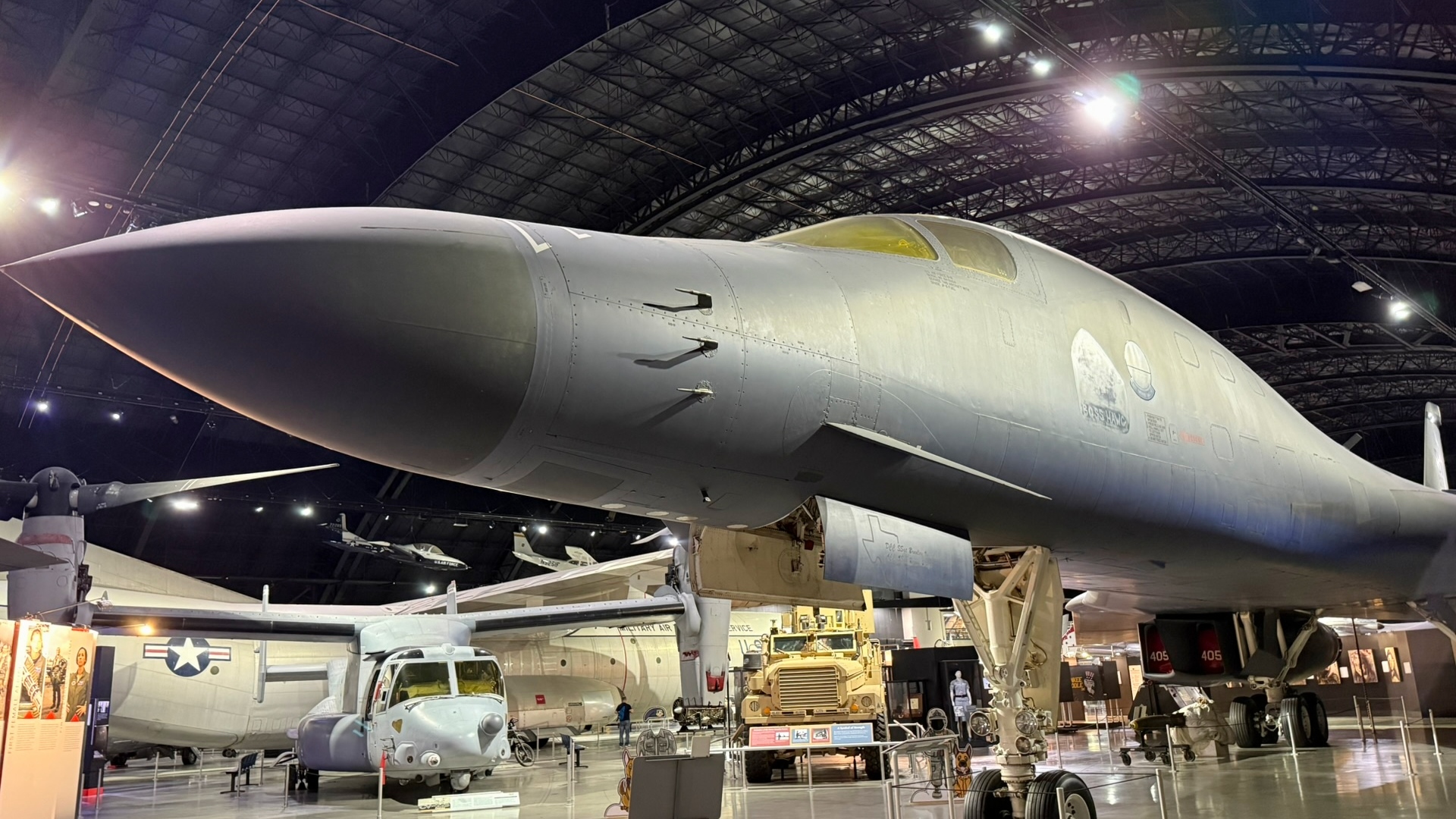
Sideview of B-1B Lancer Bomber. Image Credit: National Security Journal.
A second American war on Iran would give the Houthis every incentive to slam the Bab al-Mandeb shut again, forcing traffic away from the Suez Canal and around Africa, compounding the oil and shipping shock from a contested Hormuz. Iran’s other proxies, including Iraqi militias that have threatened US forces and could expand attacks to neighboring countries hosting American troops, round out a regional network that lets Tehran impose costs without firing its own dwindling missiles. This is the asymmetric heart of Iranian strategy: make others bleed the superpower so Iran does not have to.
Cyberattacks, Terrorism, And The Homeland
Beyond the kinetic, Iran has tools that reach well past the Gulf. The opening days of the first war triggered more than 150 hacktivist incidents and raised spillover risks to energy, finance, and critical infrastructure far from the battlefield, a preview of how a cyber response could ripple into Western systems. Retired Admiral James Stavridis, the former NATO supreme allied commander, framed Iran’s most aggressive path as a decision to “go big,” which in his telling would mean closing Hormuz, unleashing the remaining proxies, and conducting terrorist attacks against American diplomats, businesspeople, and citizens in the region and beyond.
That last option is the one that keeps security planners awake, because it does not depend on a missile inventory. Iran has long cultivated the capability to strike soft targets abroad, and a regime that believes it is fighting for its survival has historically been willing to reach outside the war zone.
The further Iran feels pushed toward collapse, the more attractive these unconventional cards become, precisely because they cost little and terrify much.
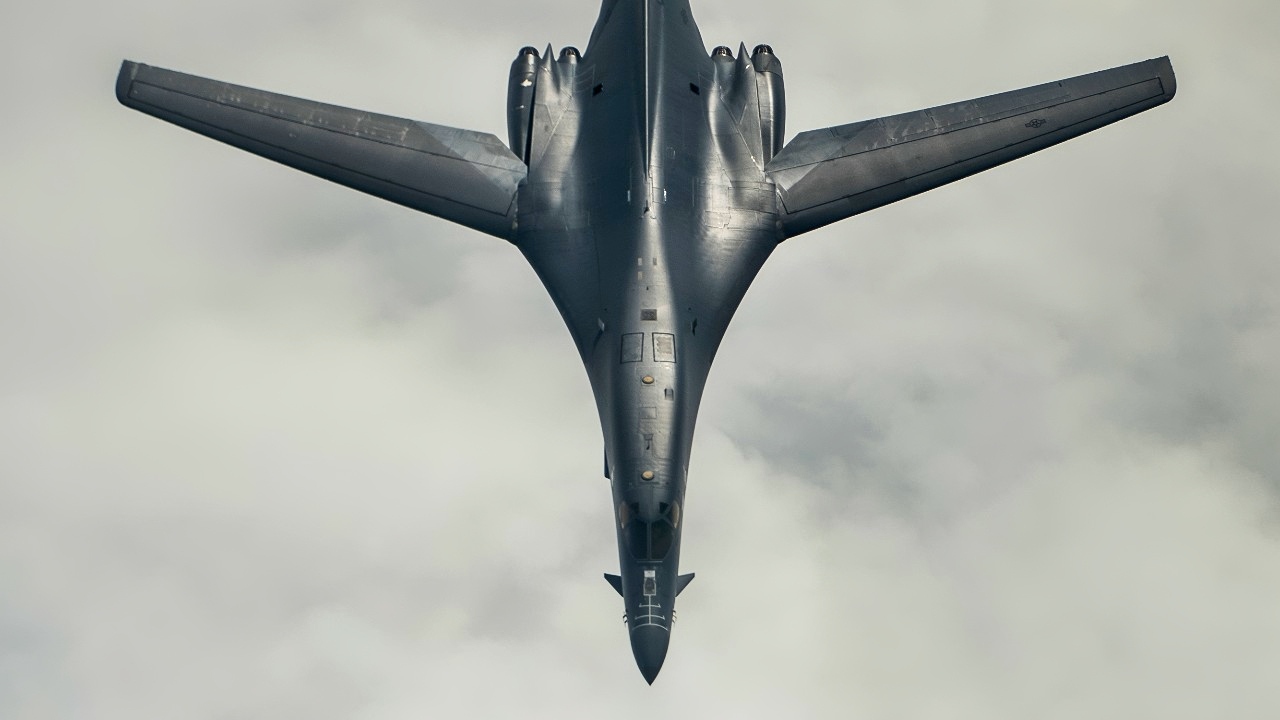
A U.S. Air Force B-1B Lancer, assigned to the 37th Expeditionary Bomb Squadron, Ellsworth Air Force Base, S.D., flies over the East China Sea, Jan. 9, 2018. The Lancer serves as premier platform for America’s long-range bomber force, carrying the largest conventional payload of guided and unguided weapons in the Air Force inventory. (U.S. Air Force photo by Staff Sgt. Peter Reft)
The Nuclear Dash
The gravest response is the one a second war would be designed to prevent and might instead provoke. Faced with another round of strikes and open American calls for the end of the regime, Tehran could conclude that only a bomb guarantees its survival and sprint for a weapon with whatever remains of its program. A nuclear dash is a desperate move with no guarantee of success against continued bombing, but a leadership convinced it has nothing left to lose calculates risk differently than one with a future to protect. The paradox is sharp: an air war meant to force a nuclear surrender could instead supply the final argument for nuclear breakout.
Why Escalation Would Cost Iran Too
What restrains Iran is not goodwill but arithmetic.
Its broad retaliation in the first war left it more isolated, not less. Striking the Arab Gulf states, it had spent years courting, turned them against it, and helped produce a UN Security Council resolution demanding an end to attacks by Iran and its proxies and reaffirming the right of ships to transit Hormuz. Closing the Strait also chokes the customers Iran depends on, above all, China, the buyer of its sanctioned oil. Every escalation that inflicts pain on the United States exacts a parallel cost on Tehran’s economy and standing.
That is the bind a second war would deepen. Iran retains enough capability to make a renewed American campaign painful, through a mined and missile-threatened Hormuz, barrages at Gulf bases, a reactivated Houthi blockade, cyberattacks, and the dark possibility of terrorism or a nuclear sprint. But each of those cards, played in anger, would isolate Iran further and invite still heavier blows against a military that can no longer replace what it loses. The question a second air war would force is not whether Iran can strike back. It plainly can. The question is whether a weakened regime, told once again that its survival is the goal, chooses to go down swinging in ways that pull the entire region, and the global economy, down with it.
About the Author: Harry J. Kazianis
Harry J. Kazianis (@Grecianformula) was the former Senior Director of National Security Affairs at the Center for the National Interest (CFTNI), a foreign policy think tank founded by Richard Nixon based in Washington, DC. Harry has over a decade of experience in think tanks and national security publishing. His ideas have been published in the NY Times, The Washington Post, The Wall Street Journal, CNN, and many other outlets worldwide. He has held positions at CSIS, the Heritage Foundation, the University of Nottingham, and several other institutions related to national security research and studies. He is the former Executive Editor of the National Interest and the Diplomat. He holds a Master’s degree focusing on international affairs from Harvard University.


