

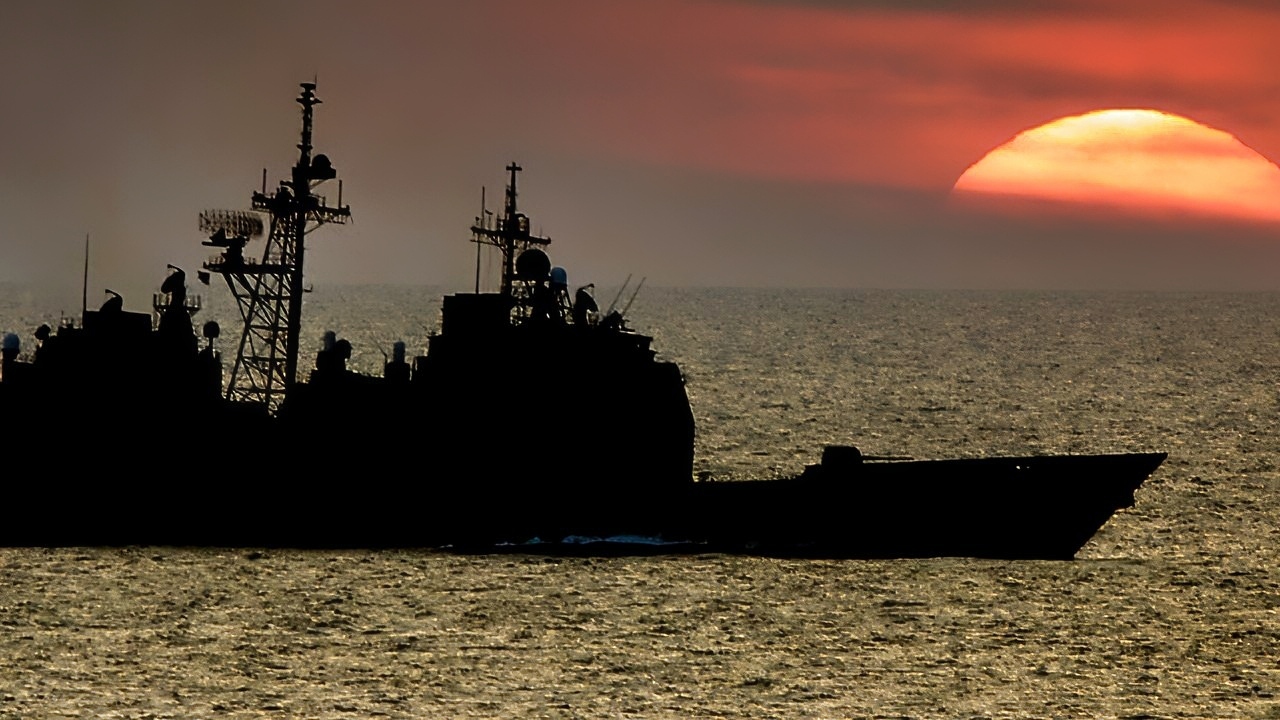
Summary and Key Points: Defense expert Brent M. Eastwood, PhD, evaluates the retirement of the Ticonderoga-class guided-missile cruisers, the “quarterbacks” of the Carrier Strike Group.
-Despite their 122 VLS cells, the aging fleet faces prohibitive maintenance costs, leading to a planned phase-out by 2027—though the USS Gettysburg, Chosin, and Cape St. George have received extensions through 2029.
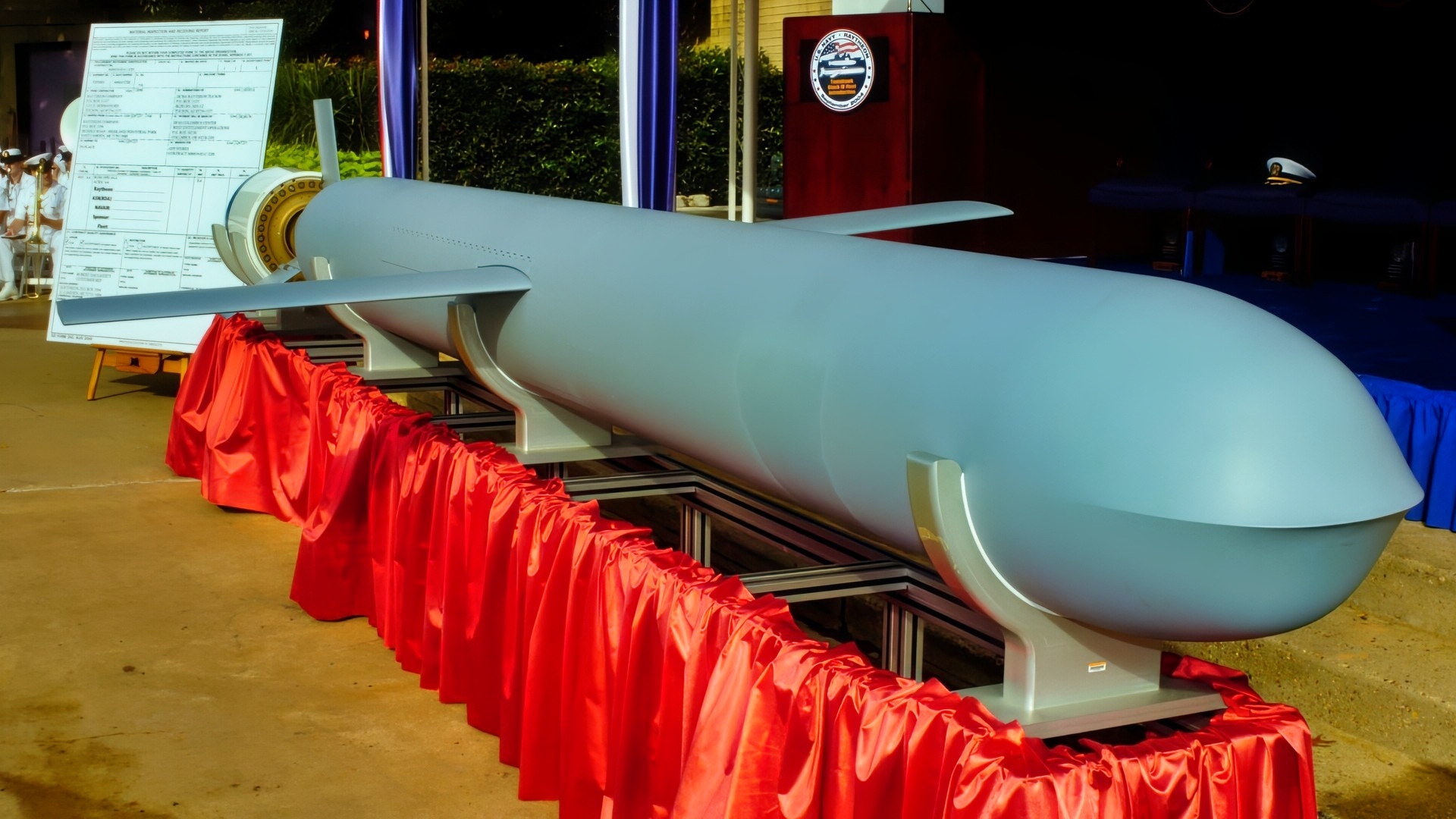
Tomahawk Block IV Missile. Image Credit: Creative Commons.

Tomahawk Launch. Image Credit: Creative Commons.
-During Operation Epic Fury in 2026, the Navy expended 400 Tomahawks in 96 hours, highlighting a critical inventory strain.
-As the Flight III Arleigh Burke-class destroyers take over with only 96 VLS cells, the Navy faces a significant reduction in total “missile truck” capacity.
The Retirement of the U.S. Navy Ticonderoga-class Cruiser Will Hurt
The U.S. Navy’s Ticonderoga-class guided missile cruiser has served as a valiant missile truck for decades.
These are Cold War-era warships that pack a substantial punch, equipped with armaments designed to punish enemy vessels and shore targets. Now, the end of the road is coming for the Ticonderoga-class.
They will all be retired by the end of the decade.
This will affect the number of Tomahawk land-attack cruise missiles and interceptor missiles, such as the “Standard Missile” family, that can be deployed in a carrier strike group.
Strike Group Quarterback
The Ticonderoga-class cruiser entered active duty in the early 1980s. This was the massive naval buildup during the Ronald Reagan administration.
He wanted a 600-ship navy to overawe the Soviet Union and ensure the Americans had a fleet of unprecedented lethality.
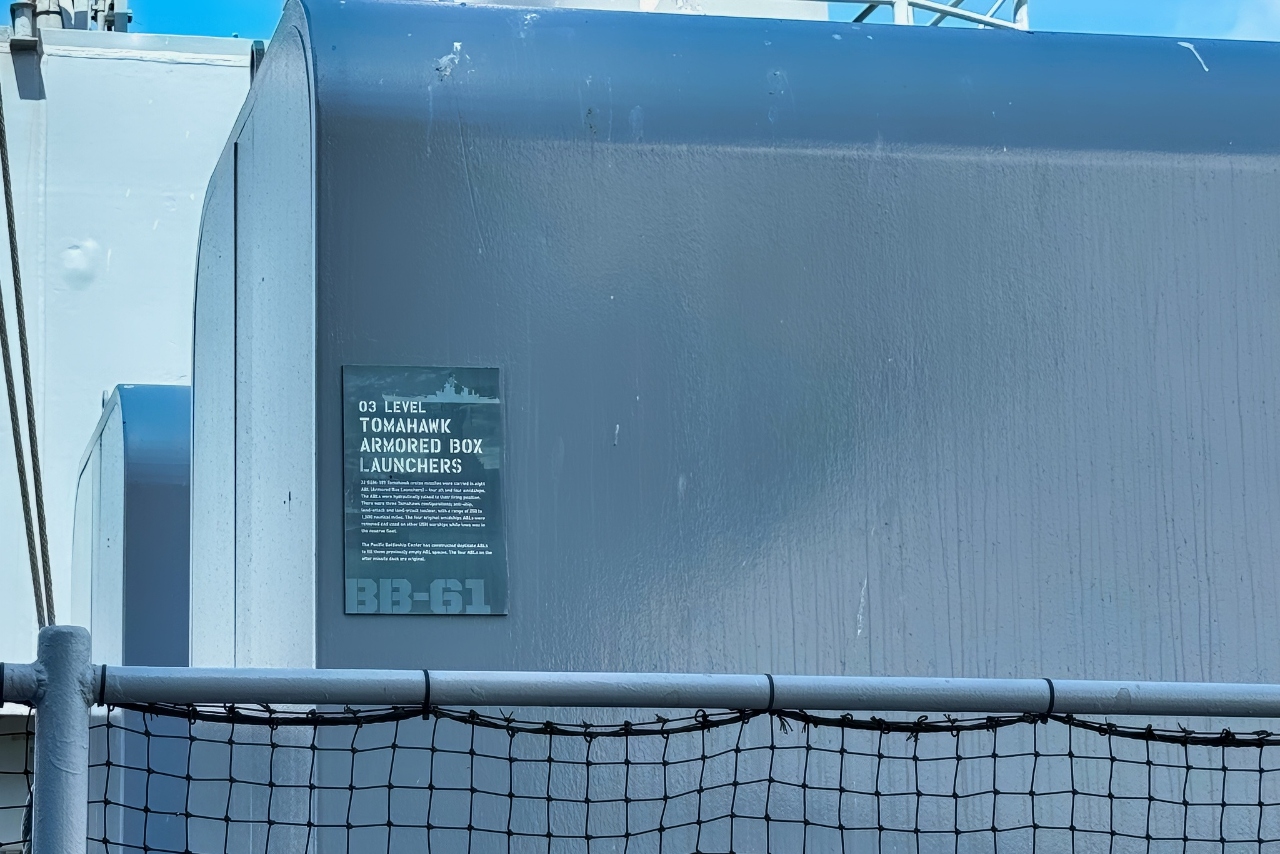
USS Iowa Tomahawk Box. National Security Journal Photo.

Puget Sound Naval Shipyard, Wash. (Aug. 14, 2003) — Illustration of USS Ohio (SSGN 726) which is undergoing a conversion from a Ballistic Missile Submarine (SSBN) to a Guided Missile Submarine (SSGN) designation. Ohio has been out of service since Oct. 29, 2002 for conversion to SSGN at Puget Sound Naval Shipyard. Four Ohio-class strategic missile submarines, USS Ohio (SSBN 726), USS Michigan (SSBN 727) USS Florida (SSBN 728), and USS Georgia (SSBN 729) have been selected for transformation into a new platform, designated SSGN. The SSGNs will have the capability to support and launch up to 154 Tomahawk missiles, a significant increase in capacity compared to other platforms. The 22 missile tubes also will provide the capability to carry other payloads, such as unmanned underwater vehicles (UUVs), unmanned aerial vehicles (UAVs) and Special Forces equipment. This new platform will also have the capability to carry and support more than 66 Navy SEALs (Sea, Air and Land) and insert them clandestinely into potential conflict areas. U.S. Navy illustration. (RELEASED)
The Ticonderoga-class would also deploy the Aegis Combat System, which was designed to make carrier strike groups dominate with an incredible defense bubble against enemy aircraft and protection against enemy missiles.
Quick Specs on the Ticonderoga-class
These ships were some of the heaviest armed in the U.S. Navy. They had a large array of Tomahawk cruise missiles and interceptor missiles to ensure a carrier strike group would be powerful and protected from enemy fire.
Twenty-seven Ticonderogas were built. They are 576 feet long and displace 9,800 tons. Around 330 sailors are on board.
Number of Vertical Launch Systems is Hard to Beat
When it comes to armaments, the Ticonderogas do not disappoint. There are 122 Vertical Launch System cells. That number is one of the highest in the world for a single ship. This makes for a bevy of SM-2 and SM-6 air defense interceptors, Tomahawk cruise missiles, and ASROC anti-submarine rockets.
The Ticonderogas are the “quarterbacks” for the carrier strike groups. The Aegis system operates continuously to ensure no incoming missiles or drones can breach the defense bubble. The sailors on board are experts at their jobs and have some of the best training in the world. Naval personnel coordinate long-range radar operations and focus on making sure that land attack missiles are launched effectively and accurately.
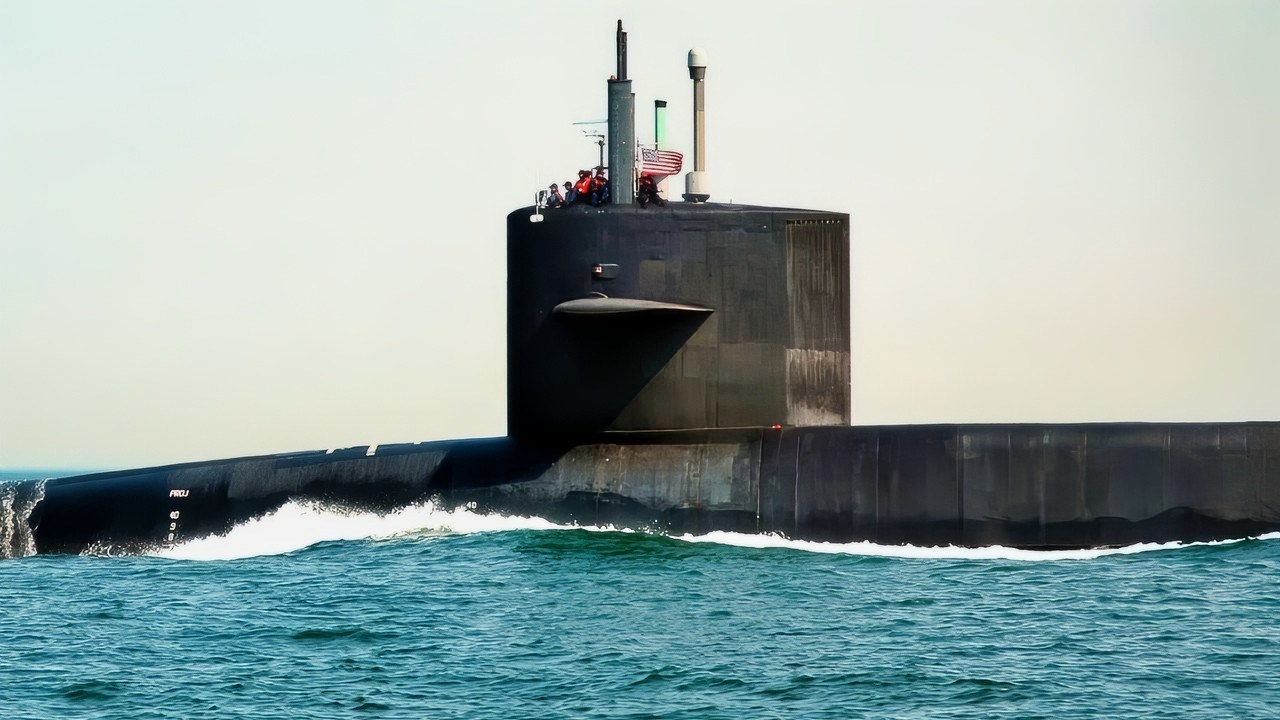
(March 31, 2006) – The guided missile submarine USS Florida (SSGN 728) conducts sea trials off the coast of Virginia. Florida will be delivered to the Fleet in April, and a Return To Service ceremony is scheduled for May 25 in Mayport, Fla. As the second of four SSBN submarines to be converted to SSGN, this nuclear-powered submarine will have the capability to: launch up to 154 Tomahawk cruise missiles; conduct sustained special warfare operations with up to 102 Special Operations Forces (SOF) personnel for short durations or 66 SOF personnel for sustained operations; and provide approximately 70 percent operational availability forward deployed in support of combatant mission requirements. U.S. Navy photo by Chief Journalist (SW/AW) Dave Fliesen.
These Sailors Are Great
During Operation Epic Fury, these men and women on board have provided the kind of exemplary duty that you would expect from such an experienced and battle-tested band of sailors. Carrier strike groups would not be successful without the Ticonderoga-class vessels running the show.
The Ticonderogas Are Aging
However, there is a problem. The ships are growing long in the tooth, and they require long months of expensive maintenance when in port. Most of the remaining ships are over 35 years old. Since the Ticonderogas are so valuable in carrier strike groups, they are busy vessels that require a high operational tempo and months at sea.
Difficult to Maintain
The hulls are aging, which puts a lot of strain on the ships. These must be maintained often while at port. The original power systems can go on the fritz, and this requires much tender loving care while docked during maintenance periods. Keeping them in the water in future years would cost so much that new ships could be built.
However, the Navy has recently decided to extend the life of three Ticonderoga ships—the USS Gettysburg, USS Chosin, and USS Cape St. George—and they may remain operational until 2029.
Time for a Replacement
The retiring Ticonderogas will be replaced by the Flight III Arleigh Burke-class destroyer. It would have been nice for the Navy to build an entirely new ship, the Ticonderoga II-class. This could have carried a high number of missiles and interceptors and given them a modernized build-up that could have used artificial intelligence on board.
The Arleigh-Burke class will have better sensors and radars, enabling it to detect enemy aircraft, missiles, and drones from farther away. However, the new destroyers will have only 96 VLS launch cells, making them less formidable at launching Tomahawks.
There is now an arithmetic problem with the replacement of the Ticonderoga-class. Once these valiant ships are replaced, the Navy will have to sacrifice some launch cells, which could affect overall missile capacity and readiness. Hundreds of VLS cells are going away.
Losing Tomahawks in the Arsenal
Operation Epic Fury has shown that what I call the Kinetic Missile Fight is straining the supply of Tomahawks. During Operation Epic Fury, around 400 Tomahawks were launched in the first four days (about ten percent of the deployed inventory).
The Navy procures about 90 Tomahawks each year. This would require around four years of production to match those lost in battle. The Department of Defense is trying to get the military industrial base to produce 1,000 per year, but that still may not give the Navy enough to blast the Iranian missile sites and then turn attention to the Indo-Pacific if China were to attack Taiwan. It is not clear if the Navy could sustain a “two-front conflict” with the number of Tomahawks it has on hand.
Thus, U.S. adversaries will be paying attention to how many missiles the Navy expends during its war with Iran. There may be a missile gap that needs to be addressed, either by acquiring new submarines or by building new guided-missile destroyers. The Ticonderoga-class has been a valiant ship, but it will soon go away, leaving a glaring hole in the Navy’s fleet of offensive and defensive capabilities.
About the Author: Brent M. Eastwood
Author of now over 3,000 articles on defense issues, Brent M. Eastwood, PhD is the author of Don’t Turn Your Back On the World: a Conservative Foreign Policy and Humans, Machines, and Data: Future Trends in Warfare plus two other books. Brent was the founder and CEO of a tech firm that predicted world events using artificial intelligence. He served as a legislative fellow for US Senator Tim Scott and advised the senator on defense and foreign policy issues. He has taught at American University, George Washington University, and George Mason University. Brent is a former US Army Infantry officer. He can be followed on X @BMEastwood.


